Understanding number sequences Addition Worksheets
3 filtered results
-
From - To
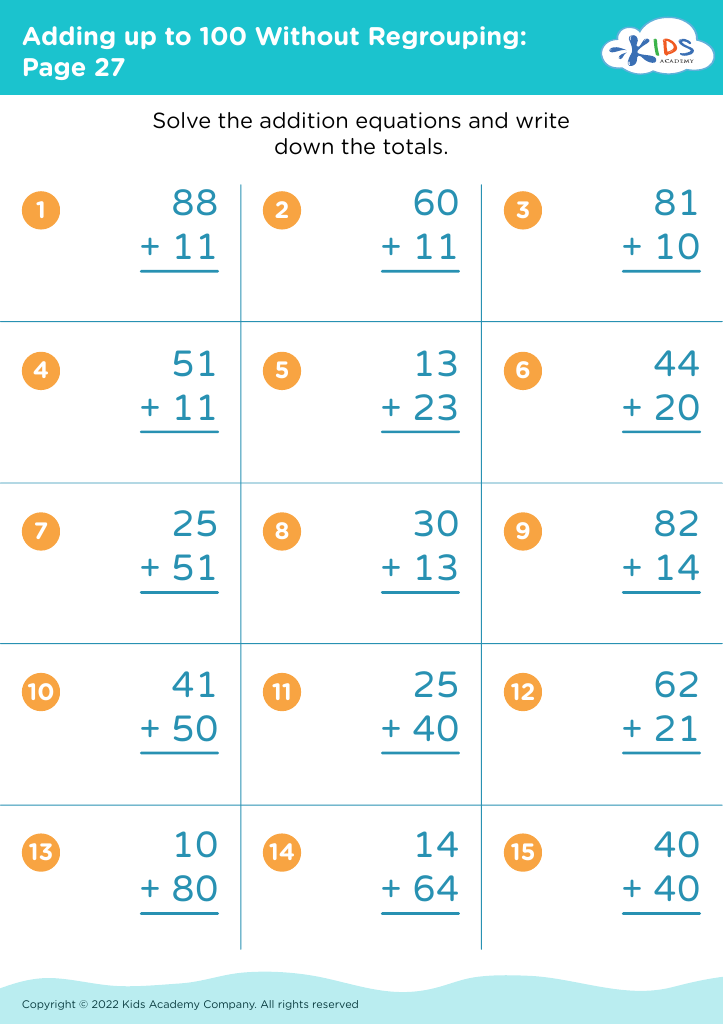
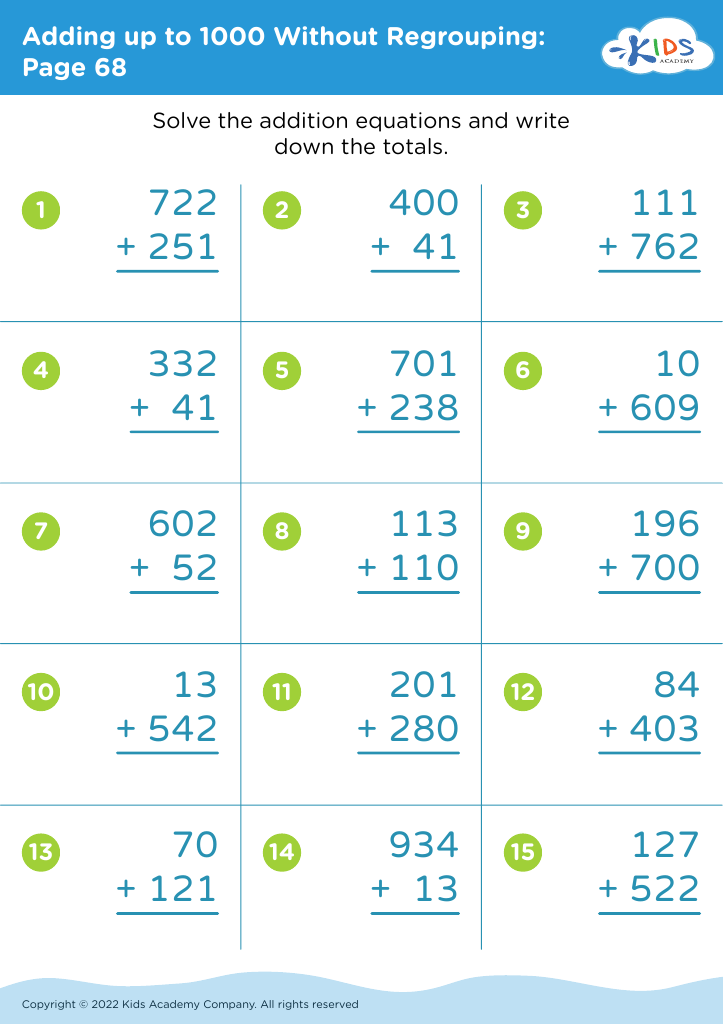
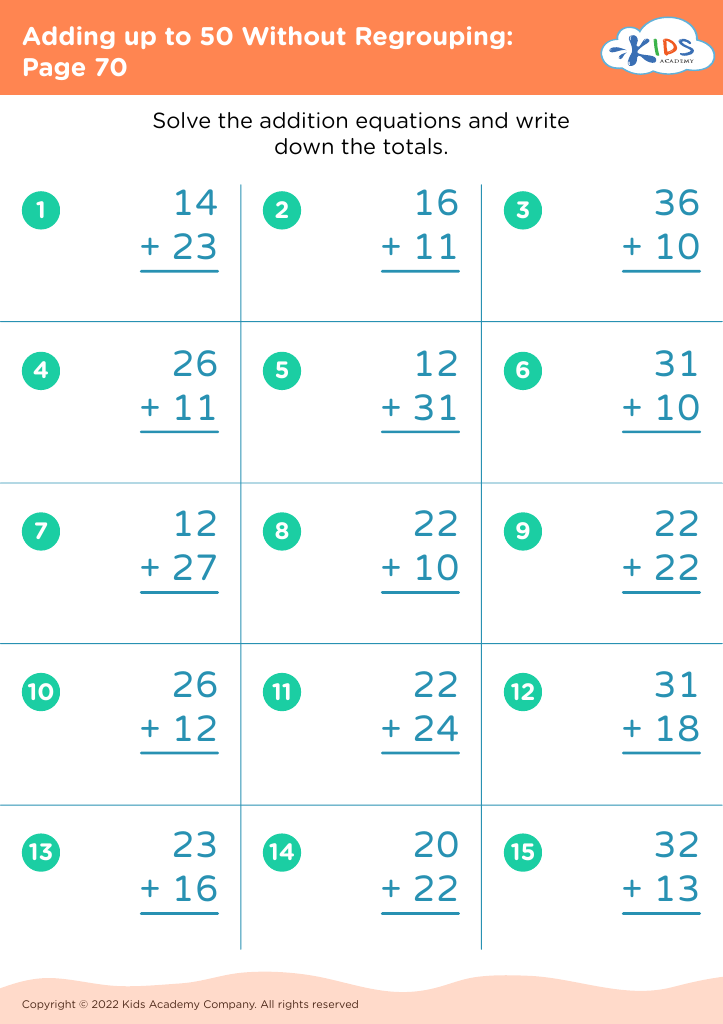
Explore our "Understanding Number Sequences Addition Worksheets" designed to enhance your child's grasp of mathematical sequences. These engaging worksheets provide kids with opportunities to practice addition while identifying number patterns, improving their problem-solving skills. Each worksheet is crafted to foster critical thinking as young learners recognize sequences and fill in missing numbers. This resource not only strengthens addition skills but also builds a solid foundation in understanding numerical relationships. Ideal for early grades, our worksheets are perfect for at-home learning or classroom activities, making math fun and accessible for every child. Unlock your child's potential in a playful and educational way!



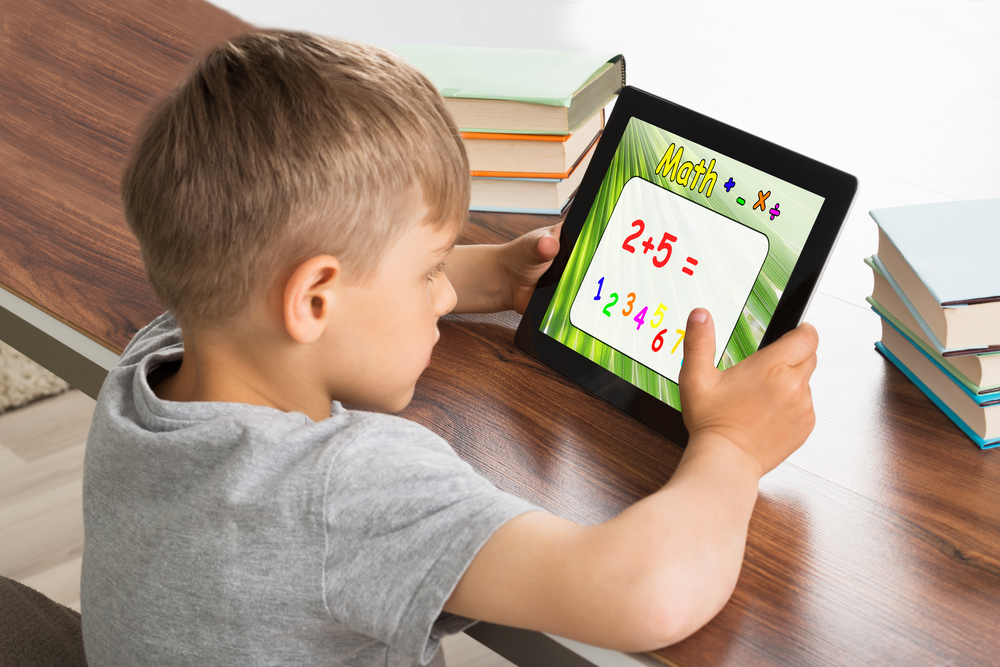




Understanding number sequences and addition is crucial for children’s early math development, directly influencing their overall academic success. Parents and teachers should care about this foundational concept, as it builds essential skills for more advanced mathematics later on. Number sequences teach children to recognize patterns, which is vital for problem-solving and logical thinking. When children grasp how numbers progress and how addition works, they develop a sense of numerical fluency, making it easier for them to engage with complex math concepts in the future.
Additionally, mastery of addition fosters a sense of achievement and confidence in young learners. By helping children understand number sequences, caregivers can encourage a positive attitude towards math, making it less daunting and more accessible. This foundational knowledge also enhances daily life skills, allowing children to understand time, money, and measurement, which are essential beyond the classroom.
Ultimately, when parents and teachers prioritize understanding number sequences and addition, they equip children with crucial tools for their educational journey. This strong mathematical foundation paves the way for lifelong learning and adaptability in an increasingly numerical world, ensuring that children are ready to tackle future academic challenges with confidence.








