
Fine Motor Skills Comparing Numbers Worksheets
3 filtered results
Difficulty Level
Grade
Age
-
From - To
Subject
Activity
Standards
Discover our "Fine Motor Skills Comparing Numbers Worksheets" crafted to enhance both mathematical understanding and fine motor development in young learners. These engaging worksheets provide activities that promote numeral recognition, counting, and comparison of numbers, while simultaneously refining hand-eye coordination and pencil control. Ideal for preschool and kindergarten students, each worksheet combines fun illustrations with educational tasks to make learning enjoyable and effective. Perfect for classroom or home use, these worksheets offer a comprehensive approach to developing essential early math skills alongside crucial motor proficiency. Help your child or students build a strong foundation for future learning.
Favorites
With answer key
Interactive
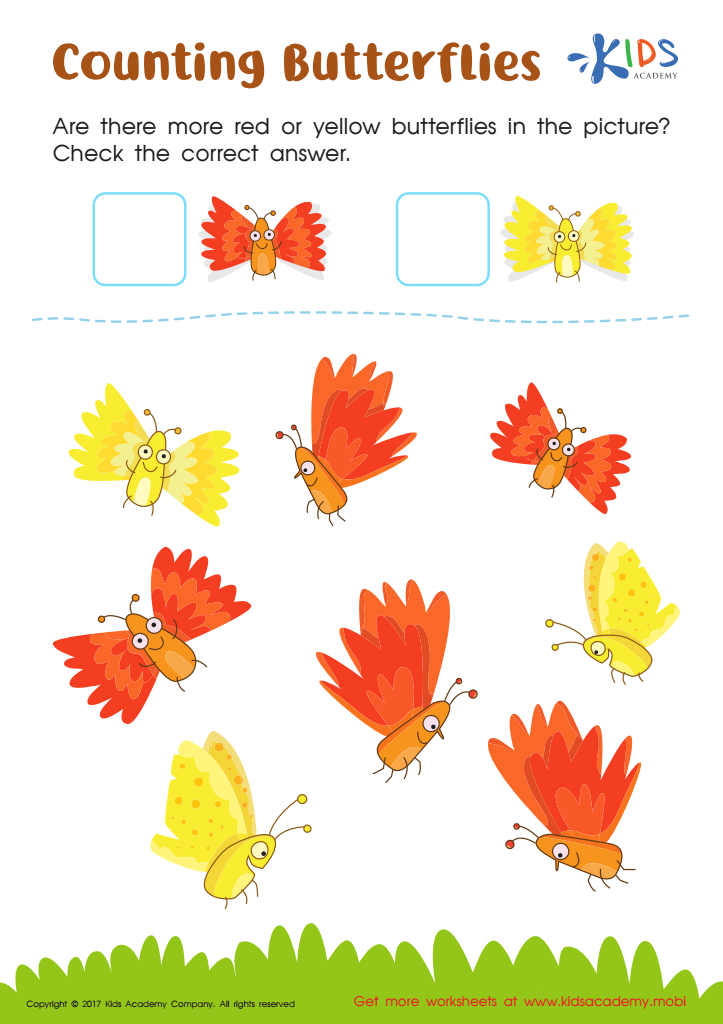
Counting Butterflies Worksheet
Count and compare the butterflies in the picture with your child. How many are red, and how many are yellow? Stimulate thinking and counting skills while having fun. Check the answers when you're done.
 Assign to My Students
Counting Butterflies Worksheet
Worksheet
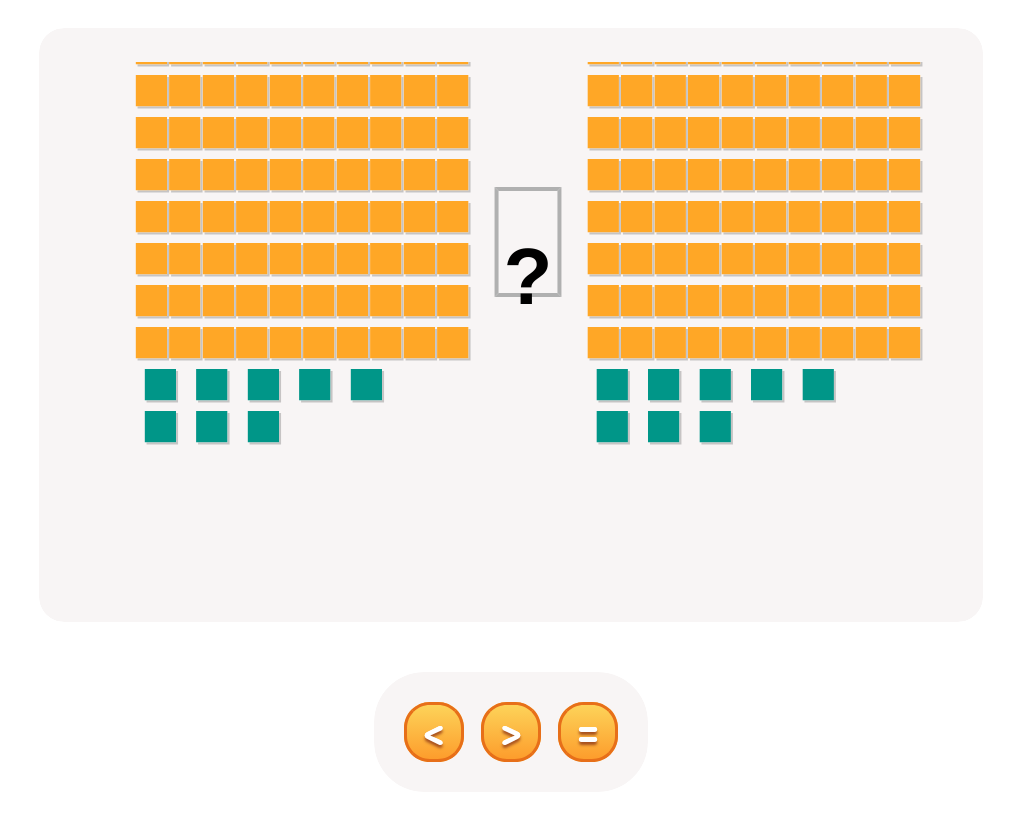

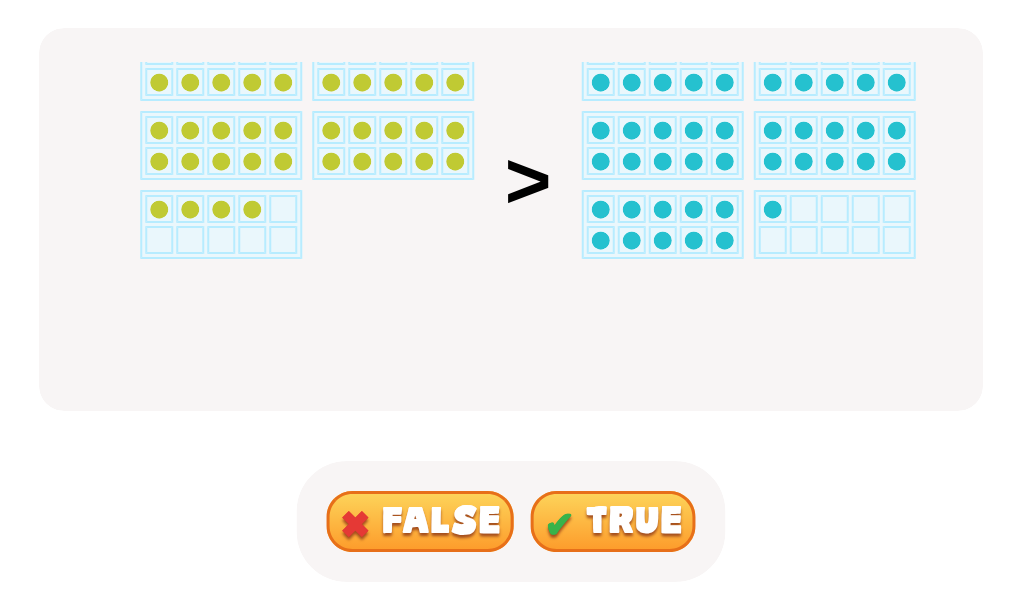
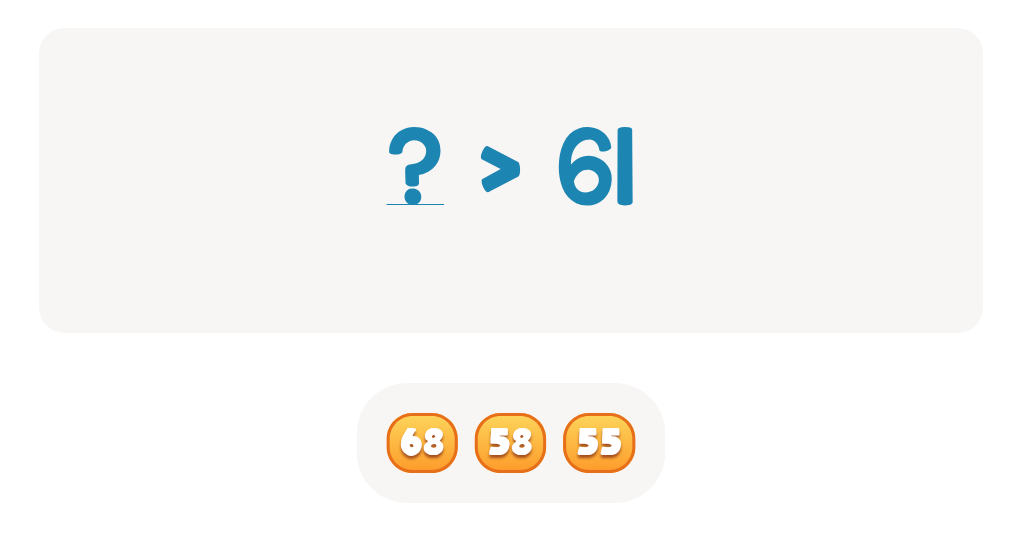
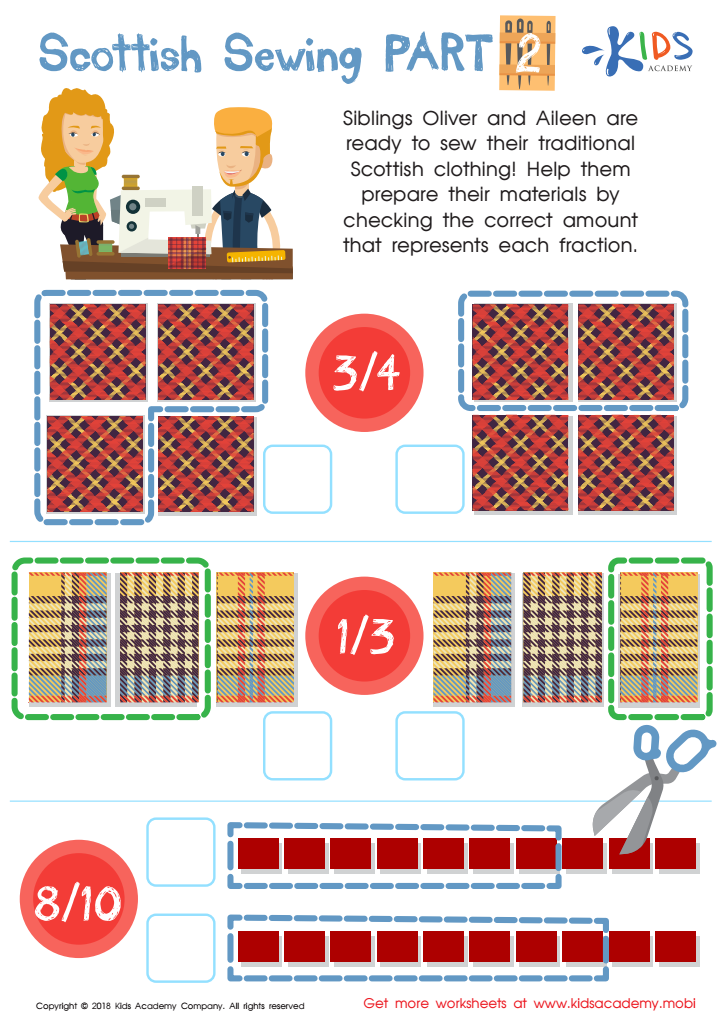
Scottish Sewing Part 2 Worksheet
Oliver and Alleen are sewing traditional Scottish attire. Help your kids count the cloth and check the correct fraction to support them. Have your kids check the correct amount that represents each fraction to help the brother-sister duo prepare their material.
Scottish Sewing Part 2 Worksheet
Worksheet
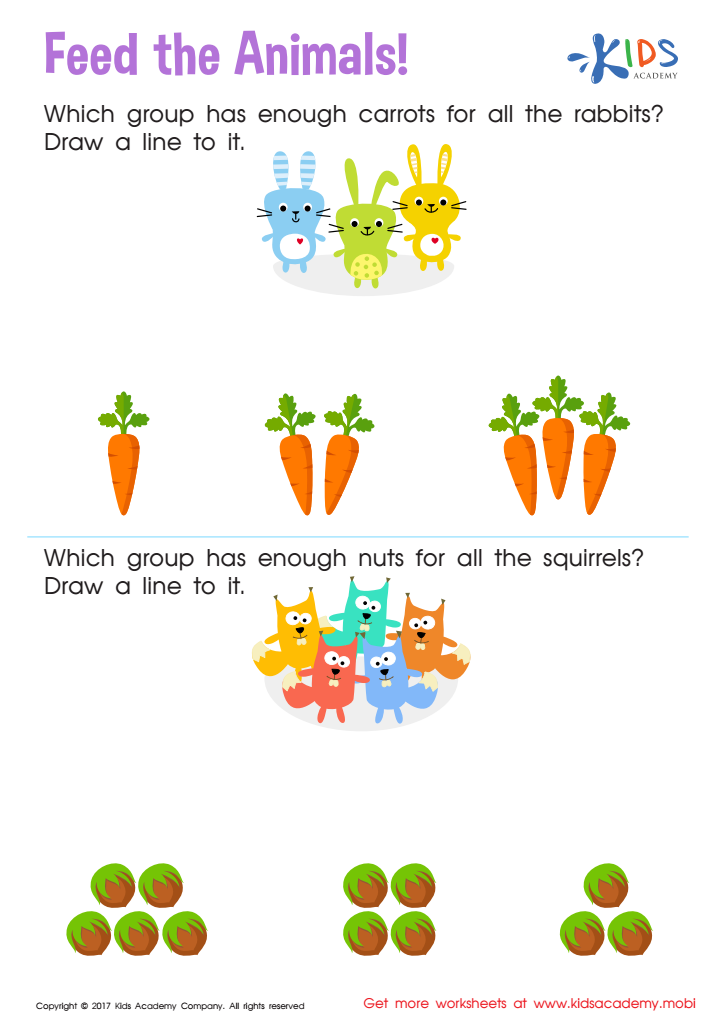
Count and Match: Feed the Animals Worksheet
Learning and growing involves more than just numbers, phonics and comparison. This Feed the Animals worksheet helps kids to exercise their reasoning skills. They must work out how many rabbits and carrots there are, and then repeat the process for the squirrels. This encourages problem solving and counting skills.
Count and Match: Feed the Animals Worksheet
Worksheet
Join Kids Academy for Free
Who is primarily going to use this learning content?








Fine motor skills and the ability to compare numbers are both essential developmental milestones for preschool and early grade children, forming the foundation for future academic success and daily life skills. Fine motor skills involve the coordination of small muscles in movements—usually those of the hands and fingers—evident in activities such as writing, buttoning clothes, or using utensils. Mastery of these skills is crucial for children as they are prerequisites for legible handwriting, effective use of tools, and precise control over everyday tasks.
Comparing numbers, meanwhile, lays the groundwork for more advanced mathematical thinking. When children learn to compare numbers, they develop their ability to recognize patterns, understand quantitative relationships, and solve problems. This mathematical foundation is pivotal for later learning, as these concepts are built upon in more complex arithmetic and logical reasoning tasks.
Combining fine motor skills with number comparison exercises doubles the developmental benefits. Activities like counting beads, writing numbers, or sorting objects not only reinforce numerical understanding but also enhance hand-eye coordination and dexterity. Paying attention to these areas prepares children not only for better academic achievement but also for greater independence in daily tasks, boosting both their confidence and competence. Hence, parents and teachers should prioritize developing fine motor skills alongside mathematical abilities to foster well-rounded growth in children.








