Problem-Solving Skills Comparing Numbers Worksheets
6 filtered results
-
From - To
Enhance your child's critical thinking and math abilities with our "Problem-Solving Skills Comparing Numbers Worksheets." Designed for early learners, these engaging worksheets invite students to explore comparative concepts by solving various problems that involve comparing numbers. By practicing their skills in a fun and interactive way, children develop confidence in identifying greater than, less than, and equal to relationships. With varied exercises, including visual aids and real-life scenarios, your child will improve their analytical thinking while mastering essential math concepts. These worksheets are perfect for classroom use or at-home learning, making math enjoyable and accessible for every young learner. Start today!
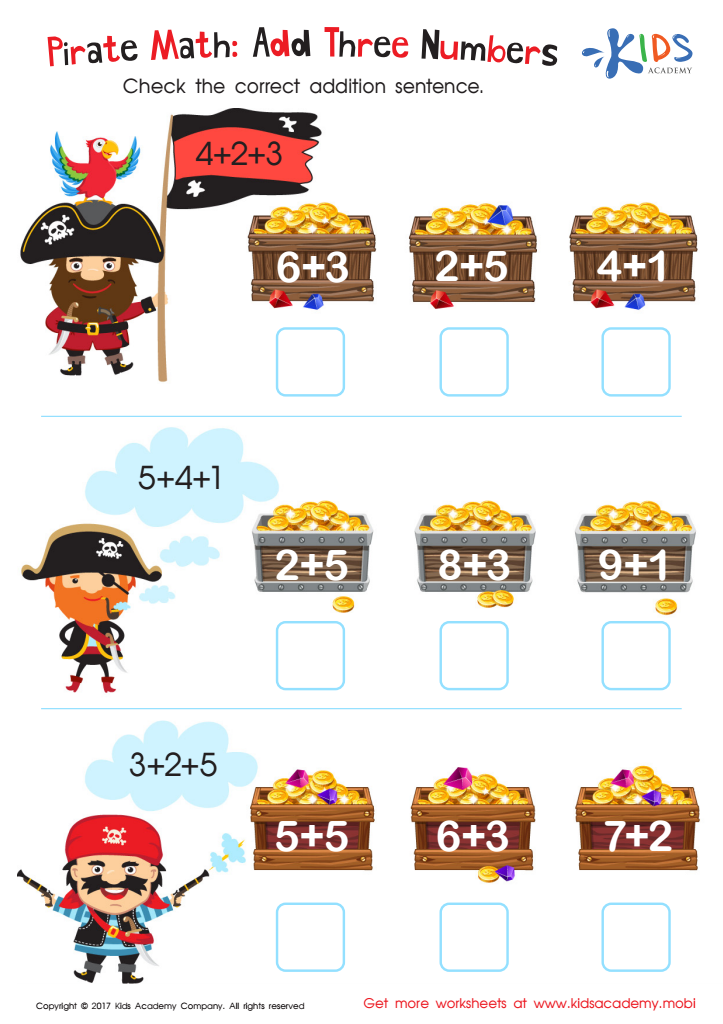
Pirate Math Printable
 Assign to My Students
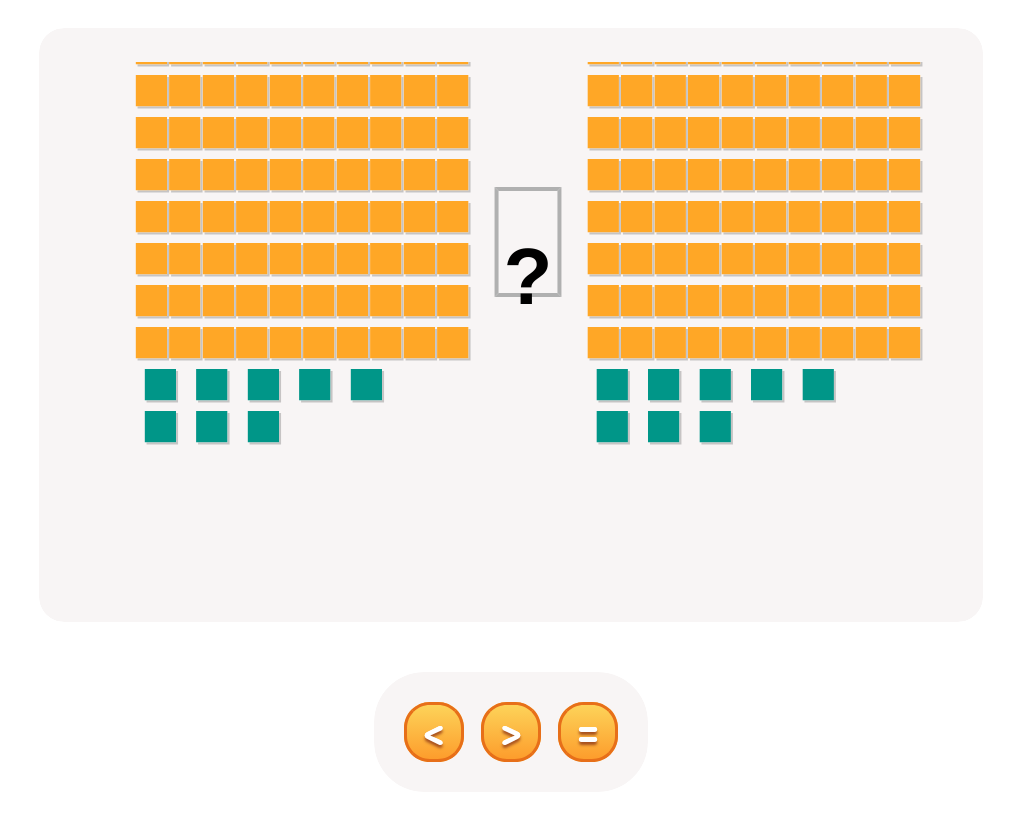

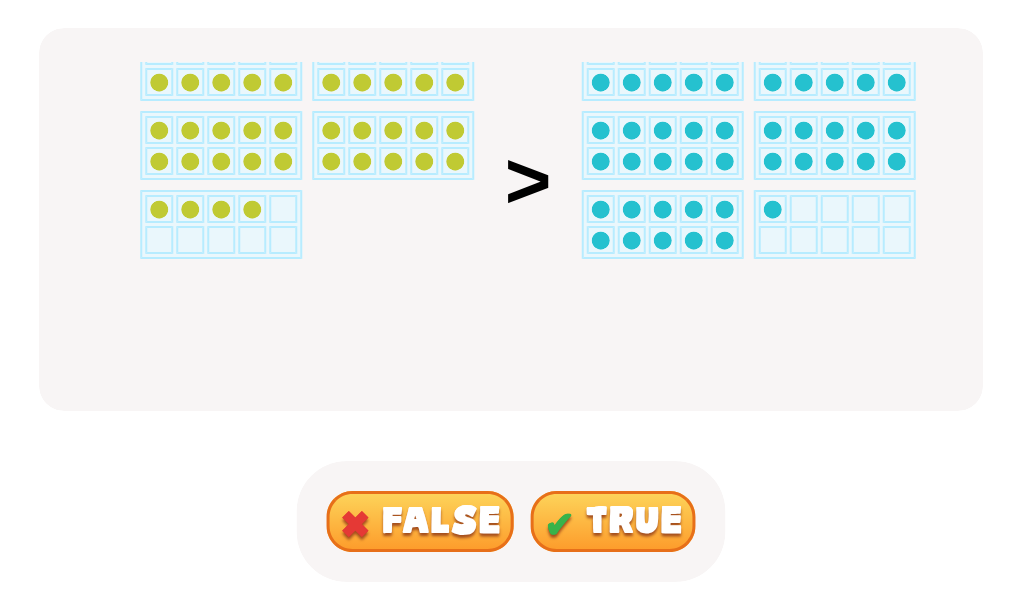
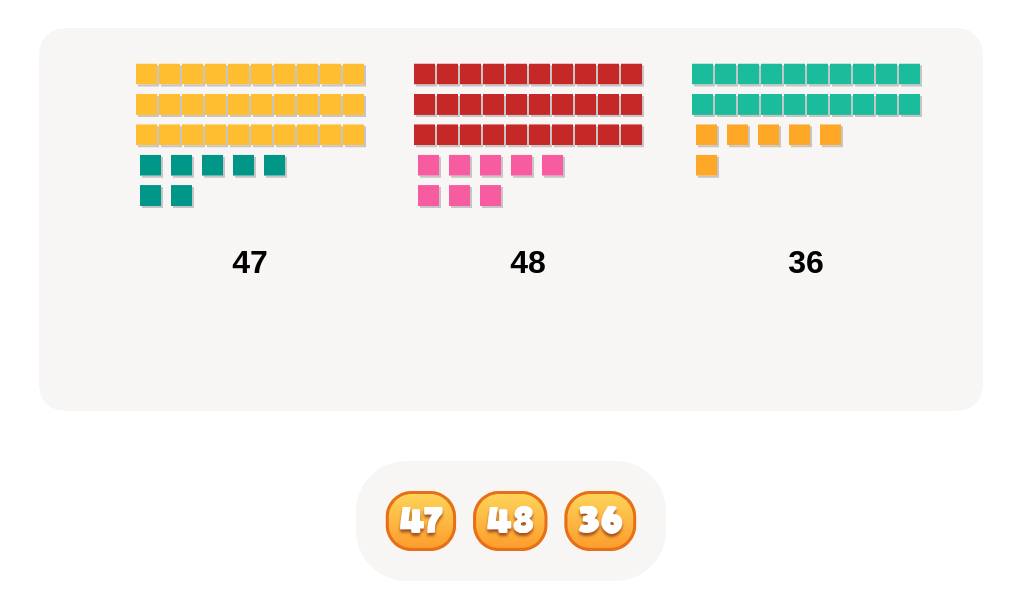
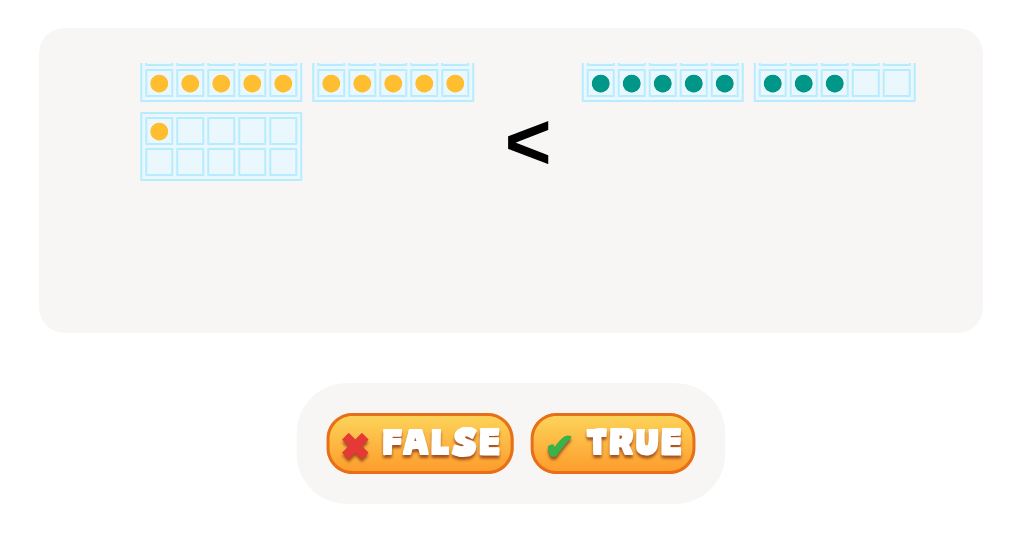
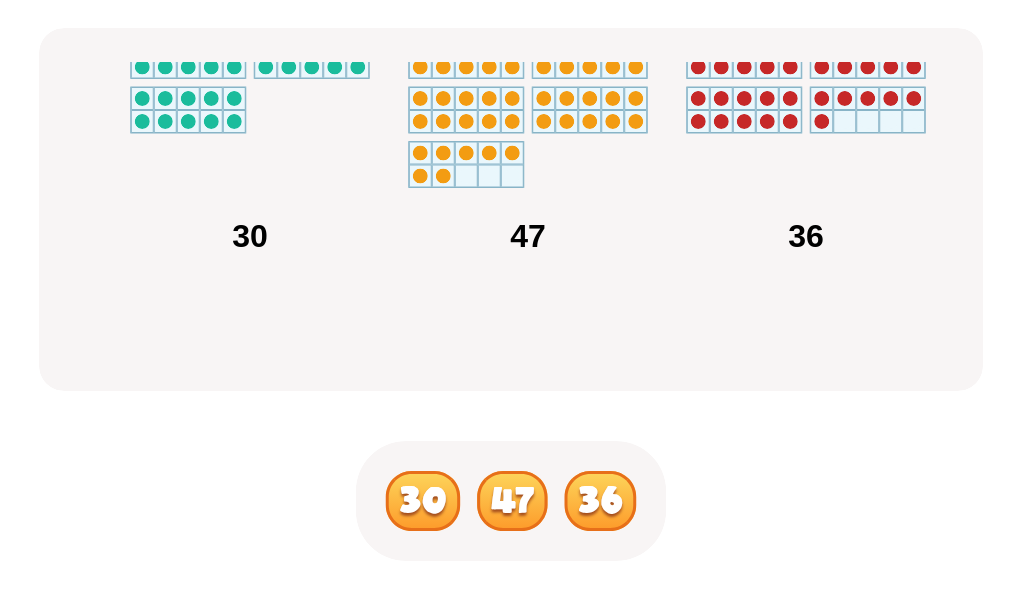
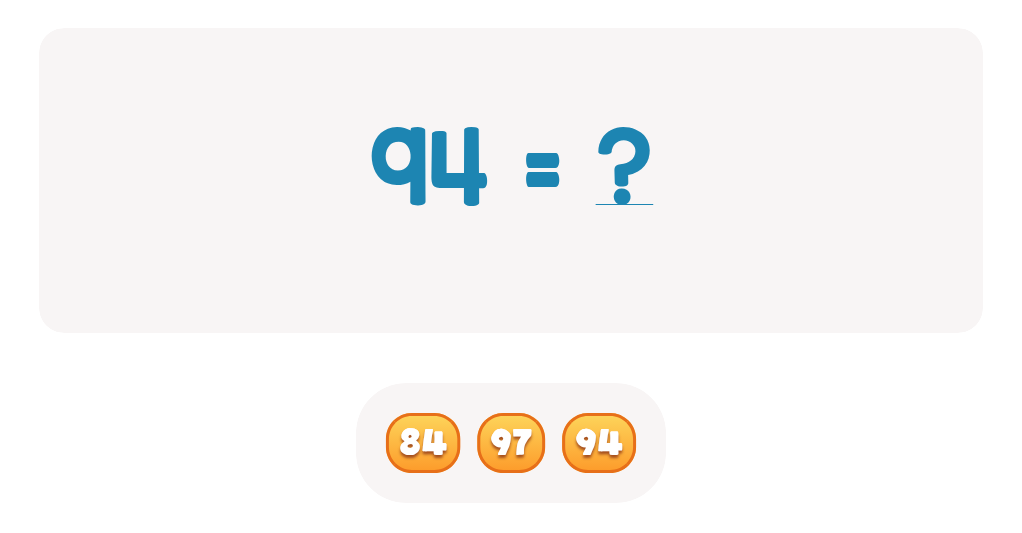
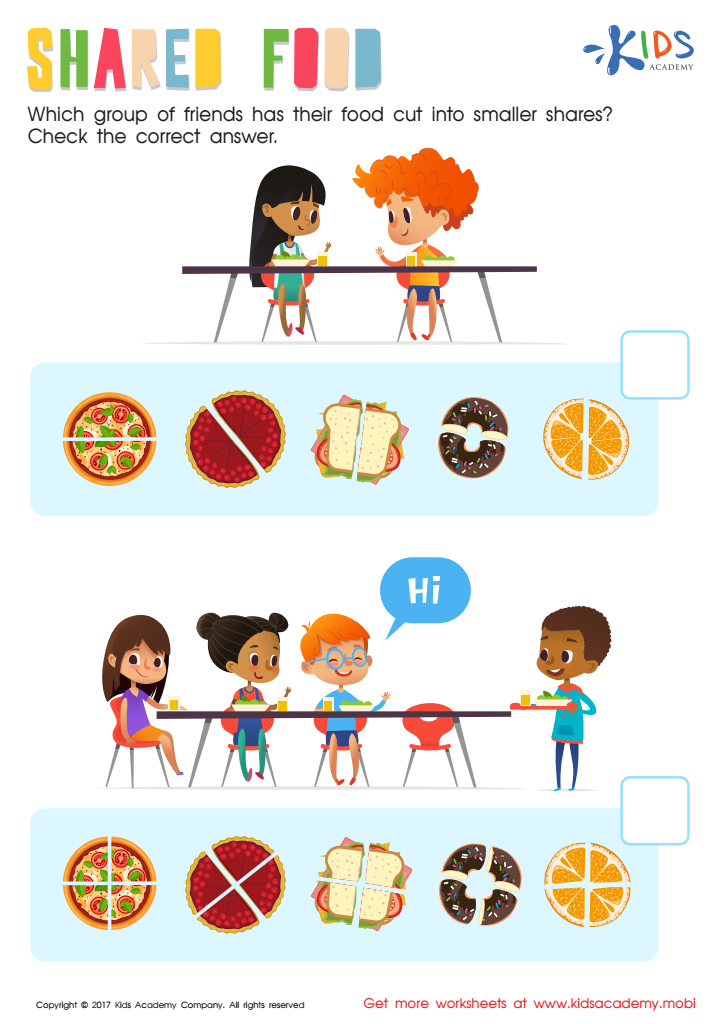
Shared Food Worksheet
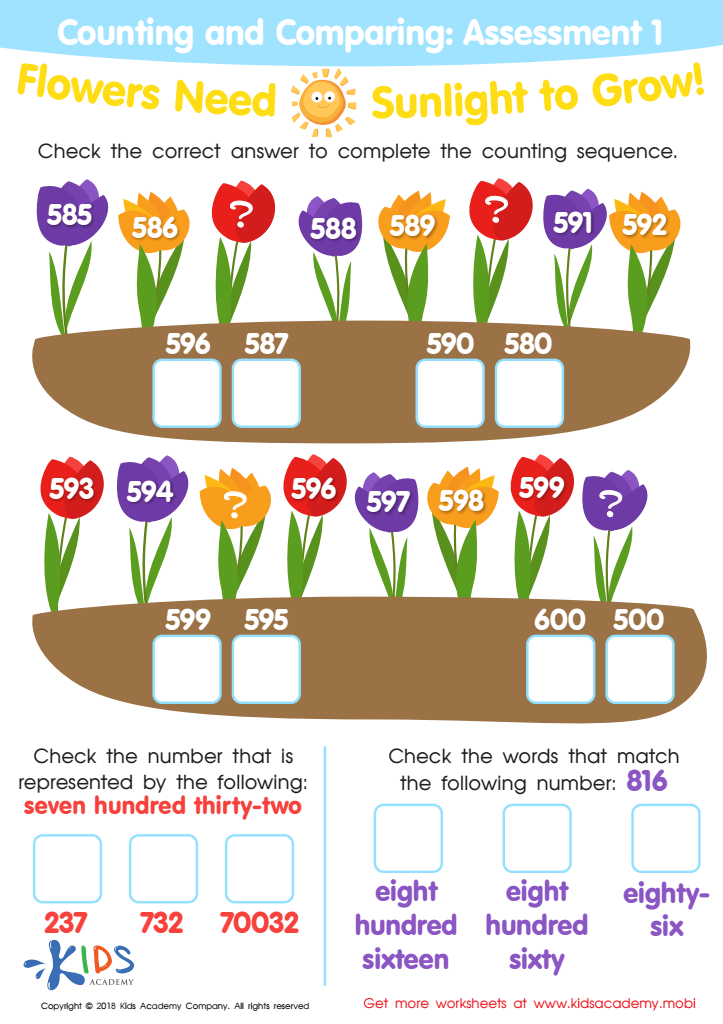
Counting and Comparing: Assessment 1 Worksheet
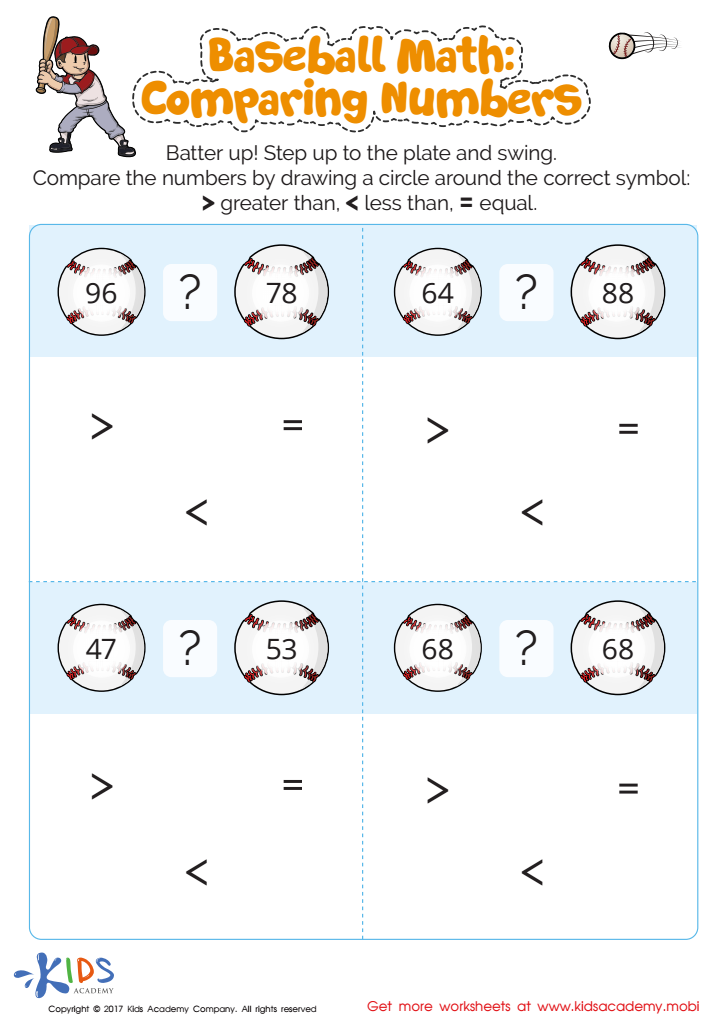
Compare Numbers Printable
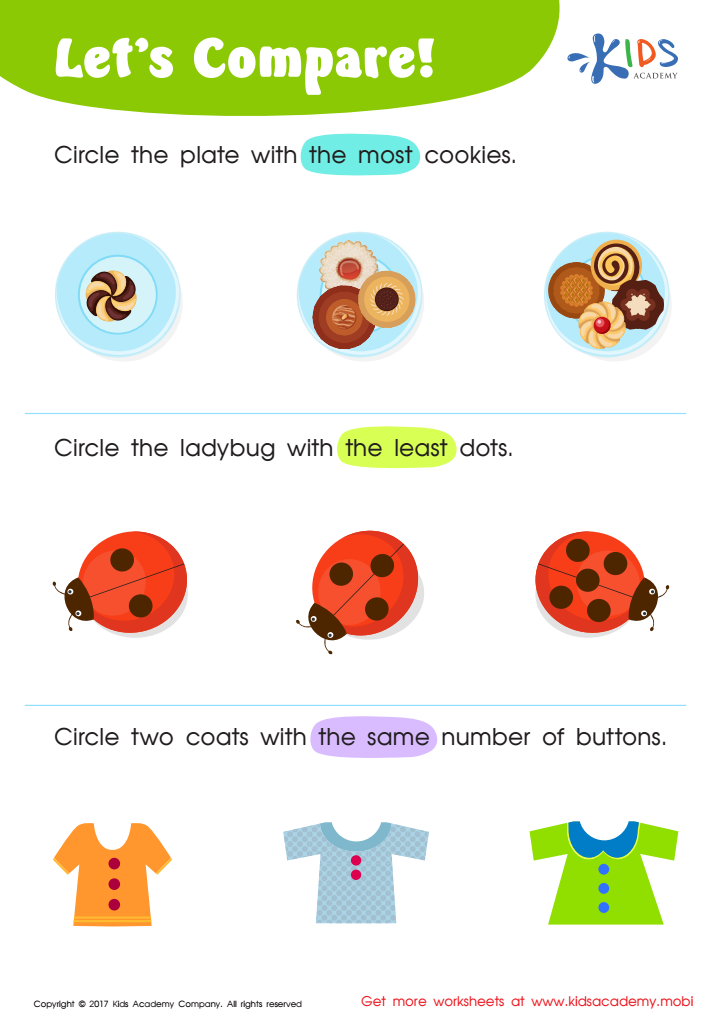
Matching: Classifying Toys by Size Worksheet
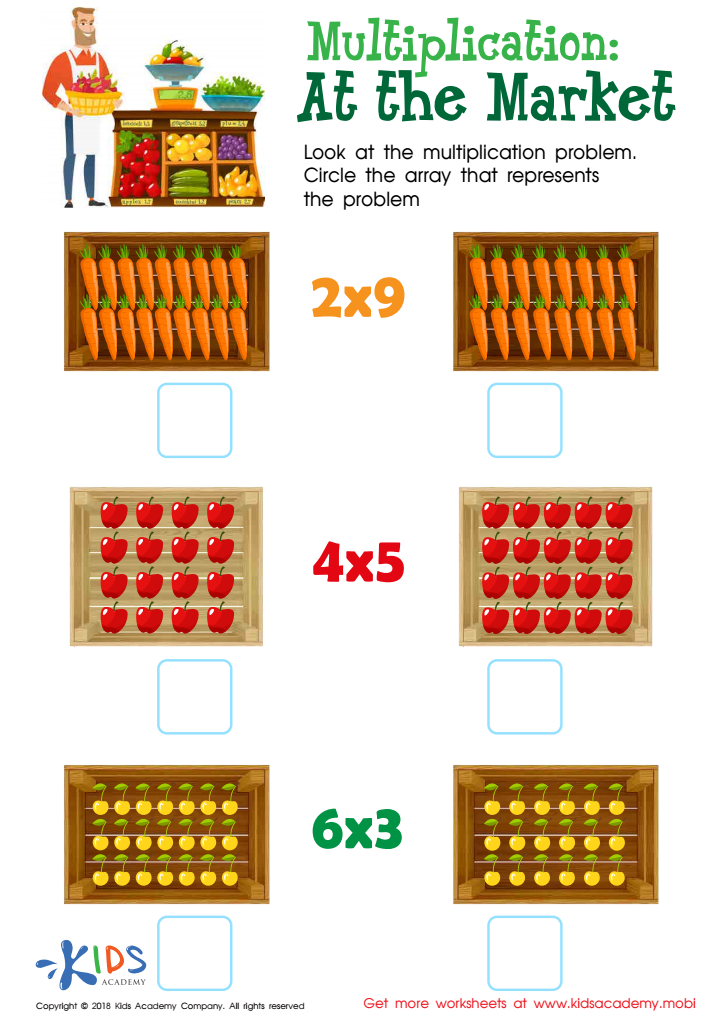
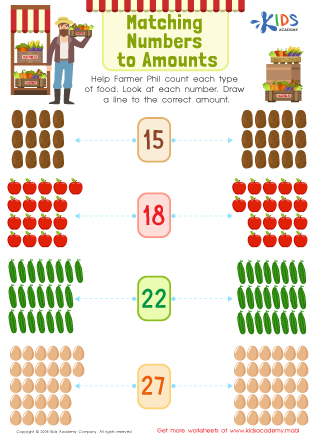
At the Market Worksheet








Parents and teachers should prioritize problem-solving skills in comparing numbers because these foundational abilities are crucial for students’ overall mathematical understanding and academic success. Comparing numbers involves not just the simple act of determining greater or lesser values but also fosters critical thinking and analytical skills.
When children learn to compare numbers, they engage in processes that require them to evaluate information, recognize patterns, and make logical decisions. These skills extend beyond math; they are applicable in daily life, including making informed choices and processing various types of data.
Moreover, mastering numerical comparisons lays the groundwork for more advanced mathematical concepts such as addition, subtraction, multiplication, and division. It prepares students for tasks they will encounter in higher grades, including measurements and working with fractions or decimals.
Enhanced problem-solving skills are linked to increased confidence in mathematical abilities, which can encourage children to approach challenges more positively and persistently. Additionally, a strong grasp of number comparison encourages a growth mindset, whereby children learn to view mistakes as opportunities for growth.
Thus, fostering these skills in young learners not only enriches their mathematical toolkit but also contributes to their overall cognitive development and future academic proficiency.