Basic Math Skills Fractions Worksheets
3 filtered results
-
From - To
Welcome to our Basic Math Skills Fractions Worksheets! Designed to provide young learners with a solid foundation in understanding fractions, these engaging worksheets offer various activities to enhance math skills. From identifying parts of a whole to comparing and simplifying fractions, each worksheet facilitates interactive learning. Ideal for classrooms and home use, our materials cater to different learning styles, ensuring every child can grasp these essential concepts. With clear instructions and vibrant illustrations, students will enjoy mastering fractions while building confidence in their math abilities. Start exploring our extensive collection today to give your child the tools they need for success!
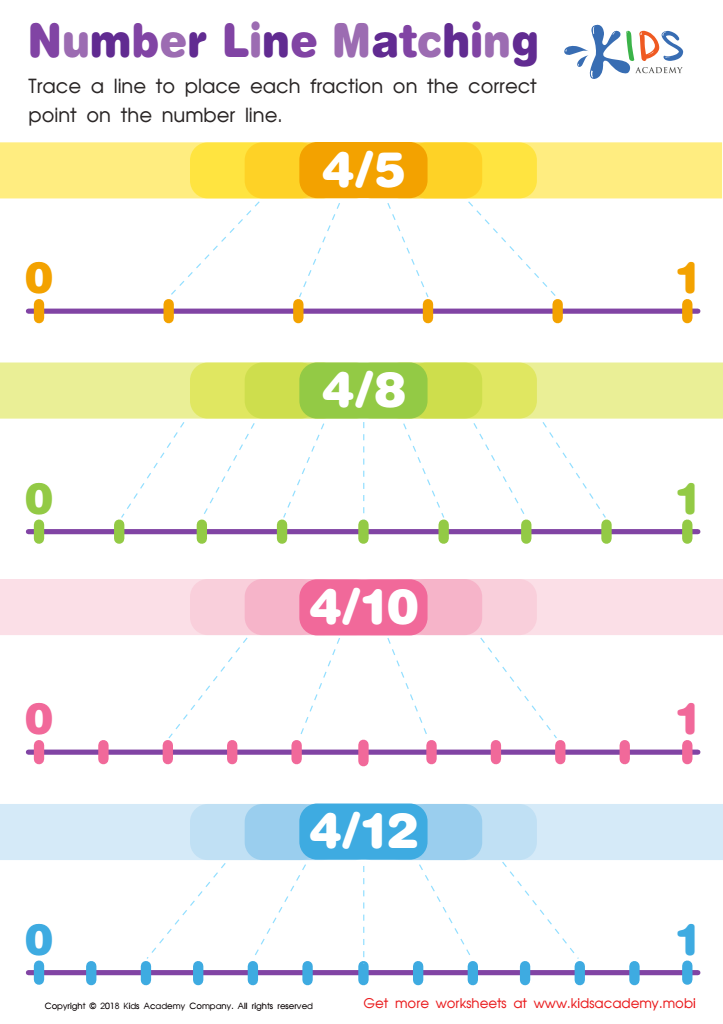
Number Line Matching Worksheet
 Assign to My Students
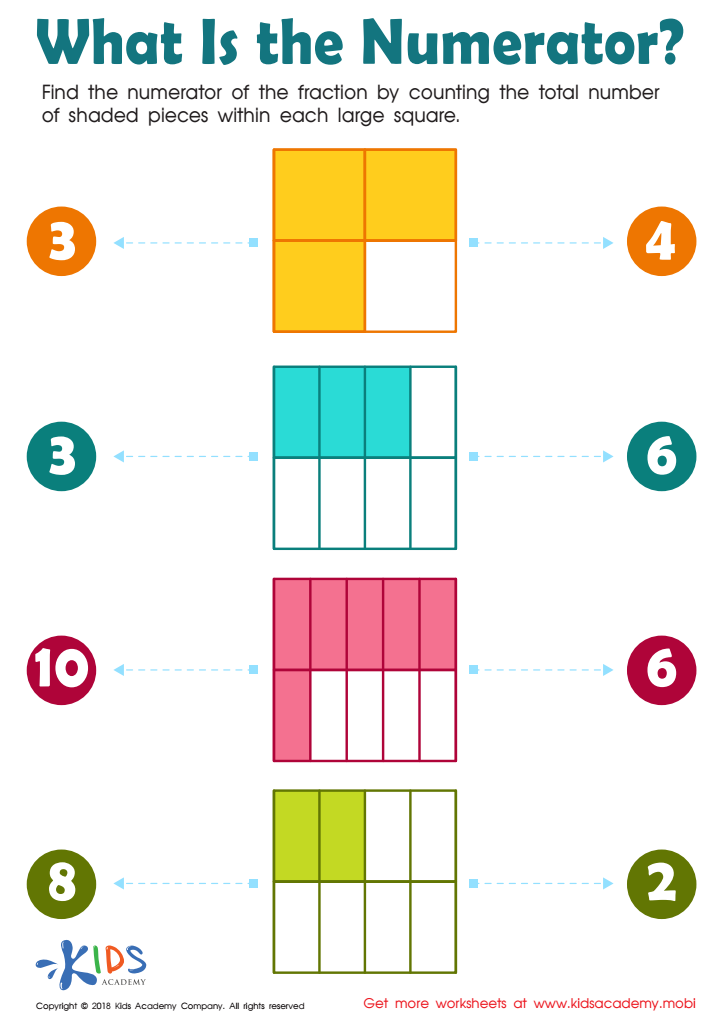
What Is the Numerator? Worksheet
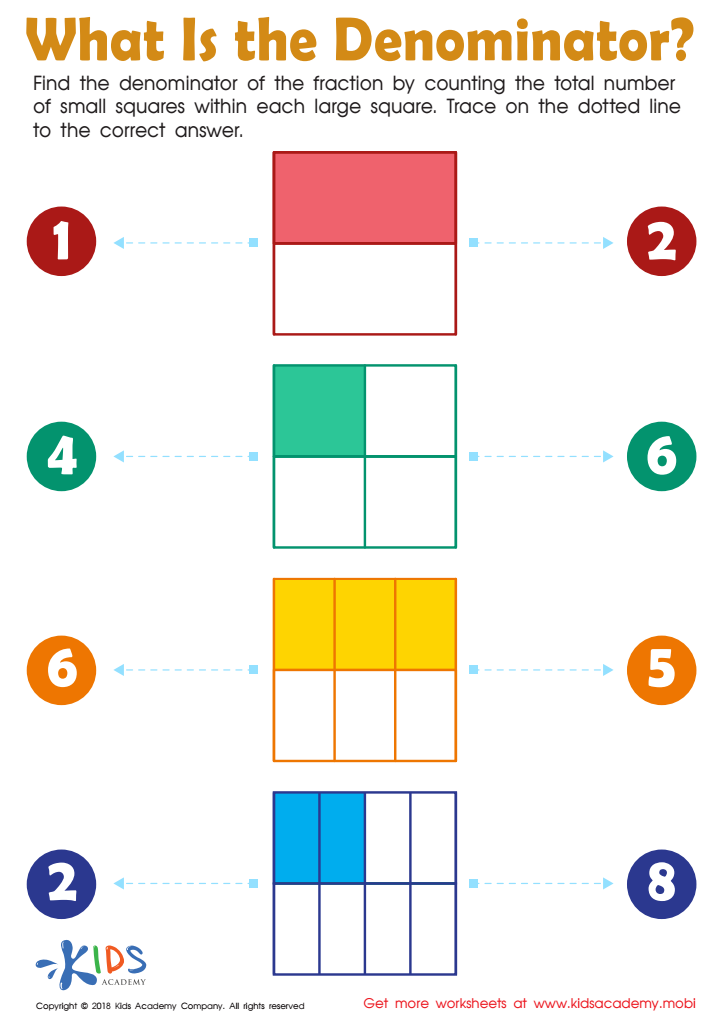
What Is the Denominator? Worksheet


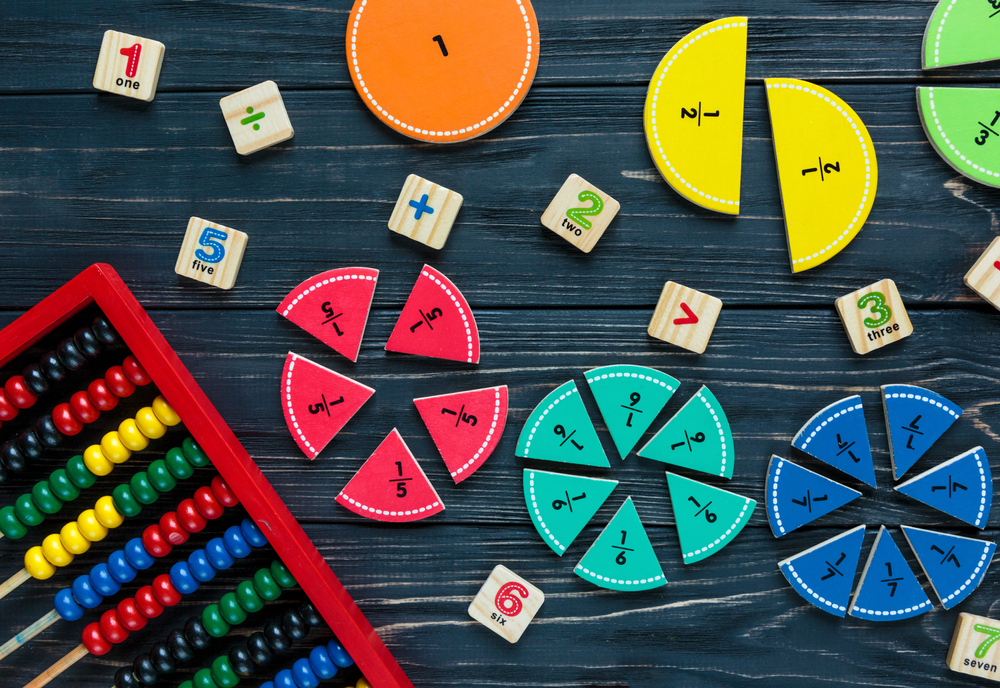





Basic math skills, particularly fractions, are essential for children's overall math comprehension and future academic success. Understanding fractions forms the foundation for more complex mathematical concepts, including decimals, percentages, and ratios. This understanding is critical not just in math classes but in real-life contexts, such as cooking, budgeting, and measuring.
Parents and teachers should be concerned about children's proficiency in fractions because they often appear challenging to students, leading to frustration and disengagement from learning. If these skills are not mastered early, students may struggle with more advanced topics in later grades, creating a domino effect of academic challenges.
Moreover, fractions are ubiquitous in standardized tests, crucial for college readiness assessments. Early mastery of fractions can boost a child's confidence and motivation, encouraging a positive attitude toward math.
Support from parents and teachers can foster a solid understanding of fractions through engaging activities, visual aids, and relatable real-world applications. By caring about and promoting fractional learning, adults not only enhance children’s mathematical skills but also equip them with critical thinking and problem-solving capabilities, essential for navigating various life situations. This early investment pays off by ensuring children are better equipped for academic and functional challenges in their future.








