Color recognition Geometry Worksheets
5 filtered results
-
From - To
Explore our engaging Color Recognition Geometry Worksheets designed to enhance young learners' understanding of shapes and colors! These interactive printables provide a fun and effective way for children to identify and name geometric figures while also working on their color recognition skills. With a variety of activities that incorporate vibrant visuals, students can practice grouping, sorting, and matching shapes based on color. Ideal for enhancing visual learning and cognitive development, these worksheets are perfect for classrooms, homeschooling, or supplemental learning activities. Foster creativity and critical thinking in your child today, and watch their confidence in geometry and color grow!
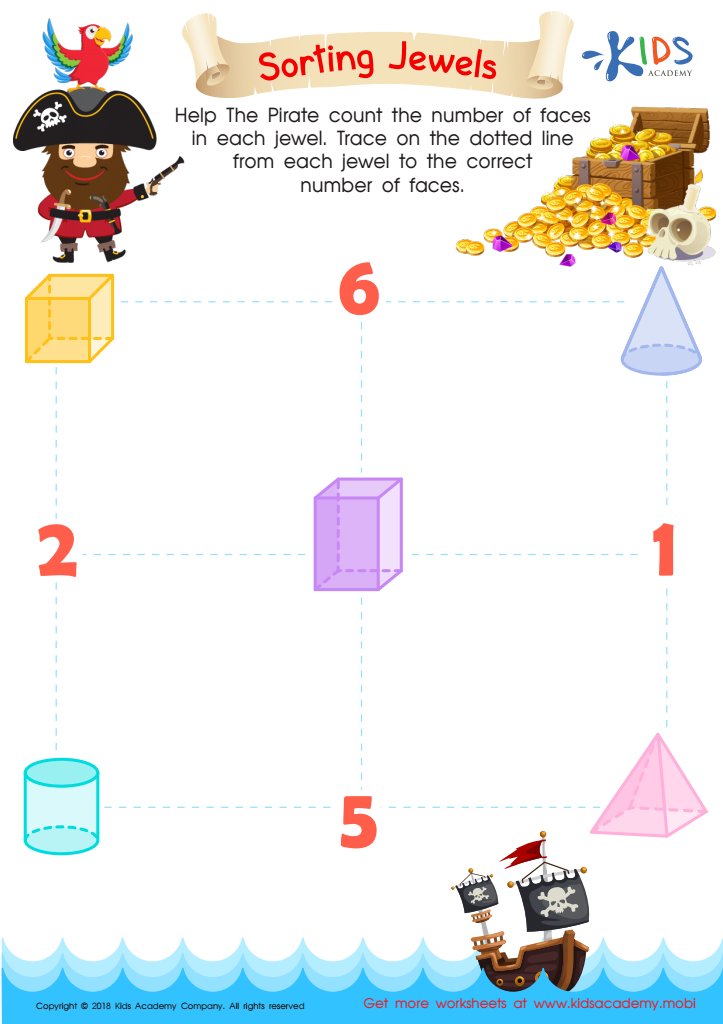
Sorting Jewels Worksheet











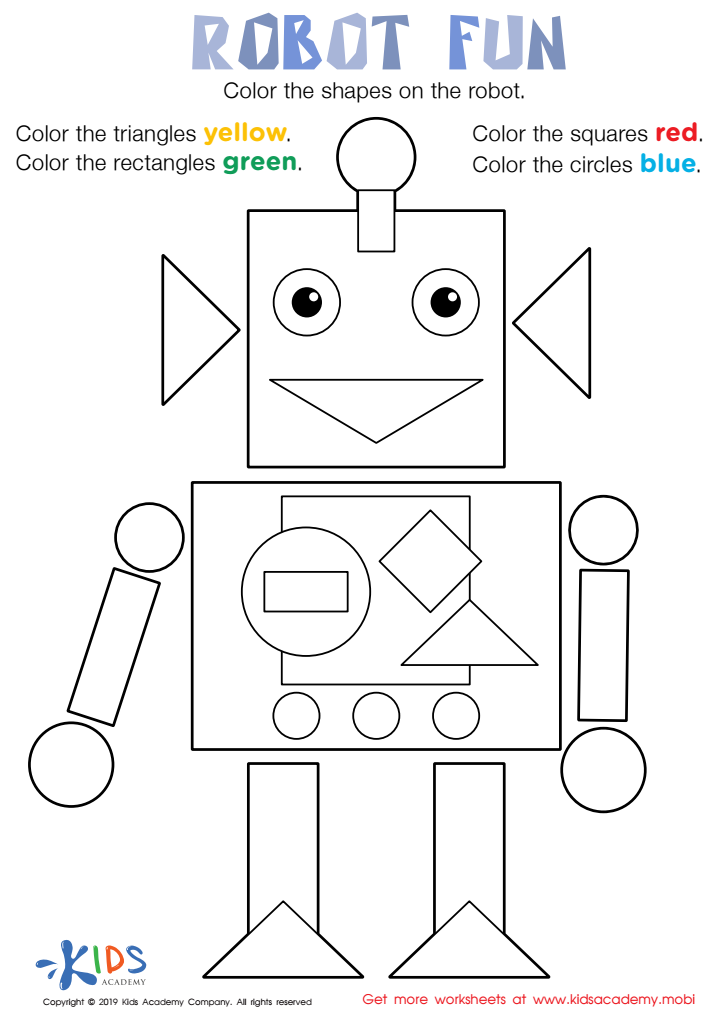
Robot Fun Worksheet
 Assign to My Students
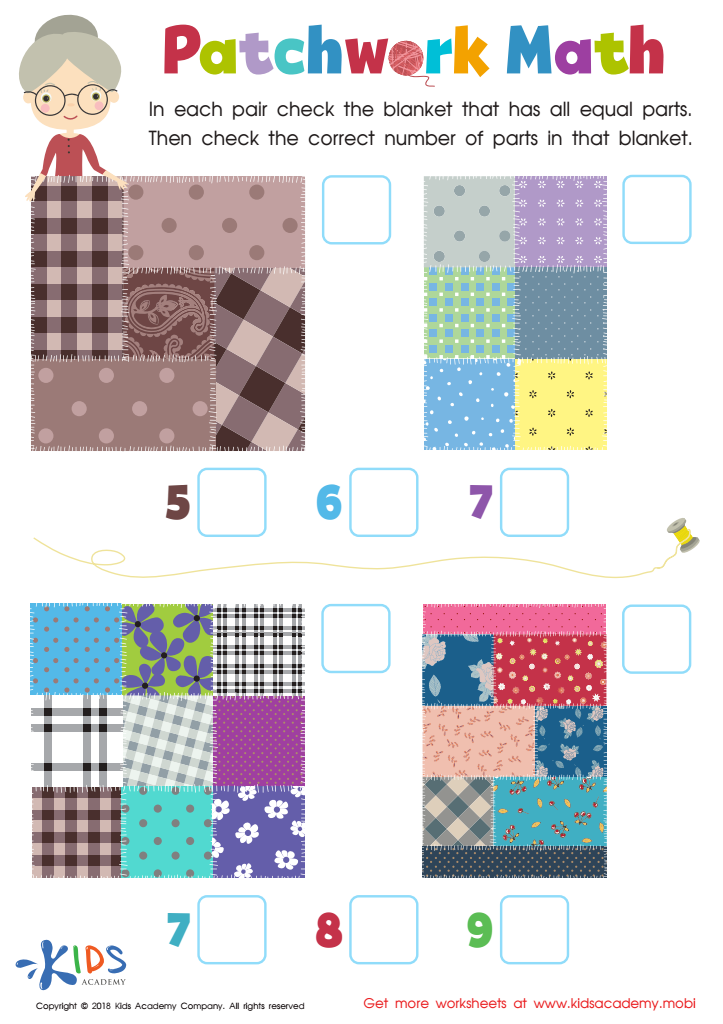
Patchwork Math Worksheet
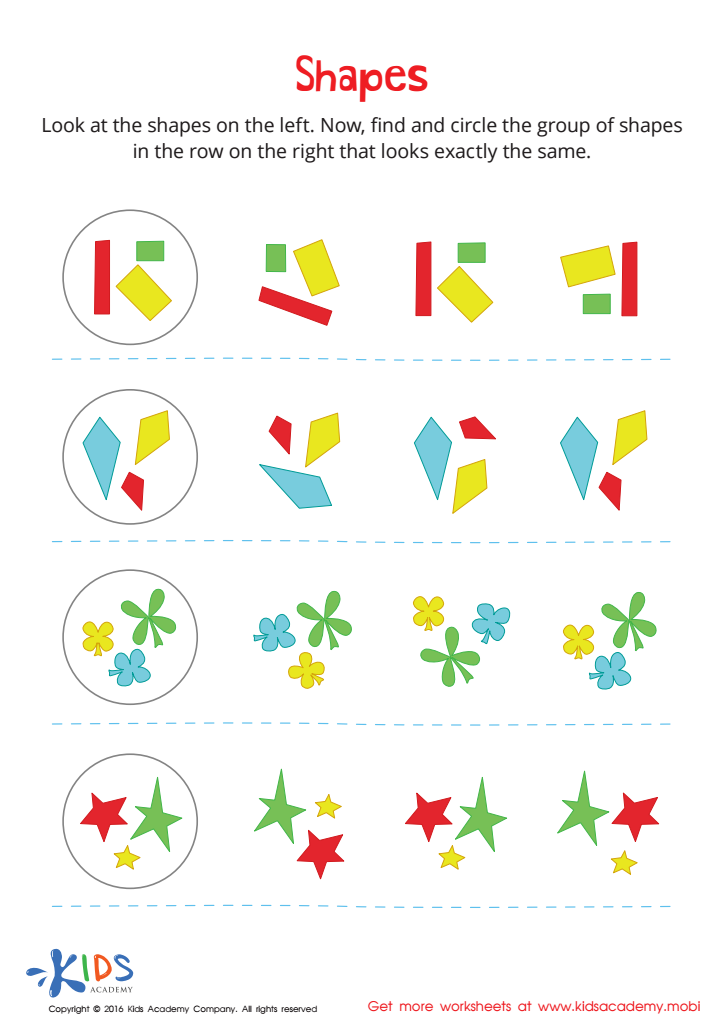
Shapes Worksheet
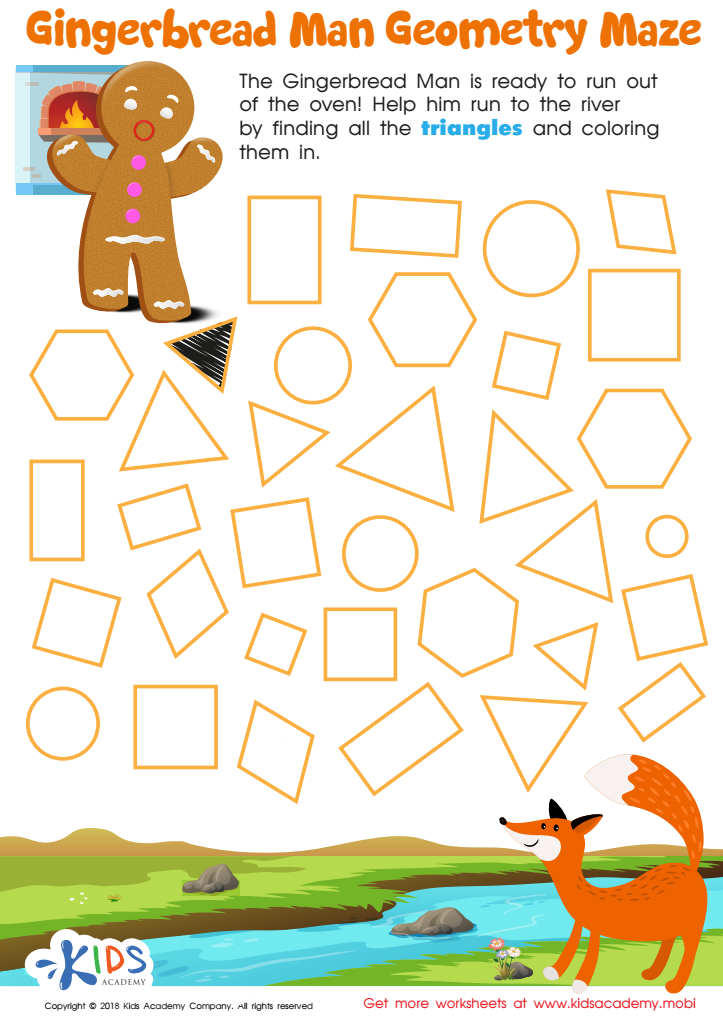
Gingerbread Man Geometry Maze Worksheet








Color recognition and geometry are fundamental concepts in early childhood education that play a significant role in cognitive development. Understanding colors helps children articulate their observations about the world around them, enhancing their communication skills and promoting creative expression. When they engage with colors in learning activities, it fosters critical thinking and enhances memory through visual stimulation.
Geometry introduces children to shapes, spatial awareness, and relationships between different objects. It supports logical reasoning and problem-solving skills essential for mathematics and science later in life. Through activities involving color and geometric shapes, children learn to categorize, compare, and arrange objects, laying the groundwork for pattern recognition and mathematical comprehension.
Parents and teachers should prioritize these concepts because they encourage exploratory play and inquiry-based learning. Engaging with colors and geometric shapes can make learning enjoyable, facilitating motivation and a positive attitude towards education. Moreover, these skills are important for everyday tasks, from organizing belongings to navigating environments.
In summary, incorporating color recognition and geometry into early learning provides essential building blocks for future academic success and life skills, making it vital for parents and teachers to actively participate in these developmental areas.








