
Interpreting data Graphs Worksheets
3 filtered results
Difficulty Level
Grade
Age
-
From - To
Subject
Activity
Standards
Discover our engaging "Interpreting Data Graphs Worksheets" designed to enhance students' analytical skills! These worksheets introduce young learners to the fundamentals of data interpretation through colorful and interactive graphs. With activities tailored for early grades, students will explore various graph types, including bar graphs, line charts, and pictographs. Each worksheet promotes critical thinking as students analyze and draw conclusions from displayed information. Ideal for classroom use or homework, these resources encourage a hands-on approach to math learning, making data comprehension fun and effective. Help your child build essential skills in interpreting data and foster a love for learning with our comprehensive worksheets!
Favorites
With answer key
Interactive
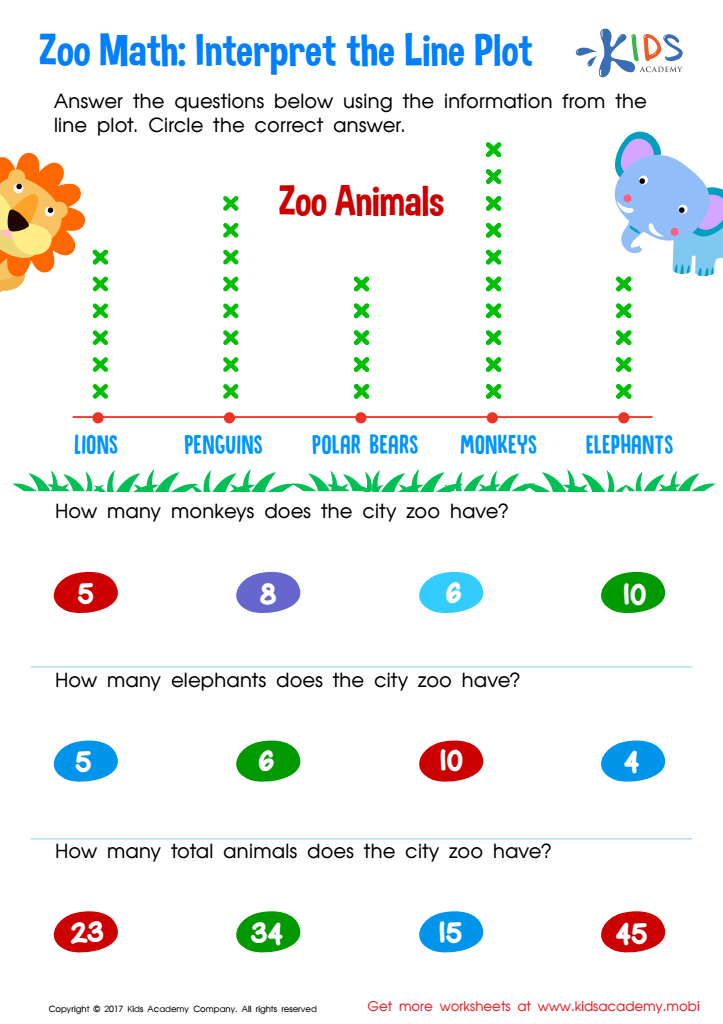
Interpret Line Plot Worksheet
Kids can learn to read graphs and analyze data easily with line plots. A fun zoo animal worksheet motivates kids to answer questions by reading the line plot and finding out how many animals a local zoo has.
 Assign to My Students
Interpret Line Plot Worksheet
Worksheet
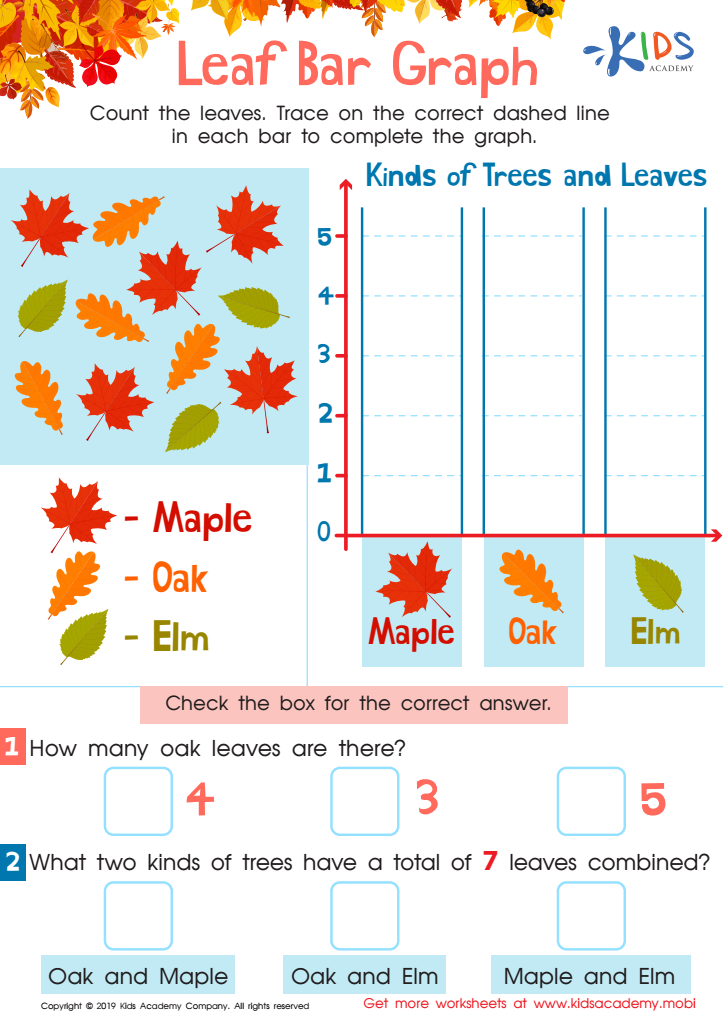
Leaf Bar Graph Worksheet
You can help your kids make learning easier and more enjoyable. While their teachers provide lessons and homework, you can take their education further. This worksheet can assist them in mastering bar charts. Count the leaves, then trace the correct line for each bar to complete the graph.
Leaf Bar Graph Worksheet
Worksheet
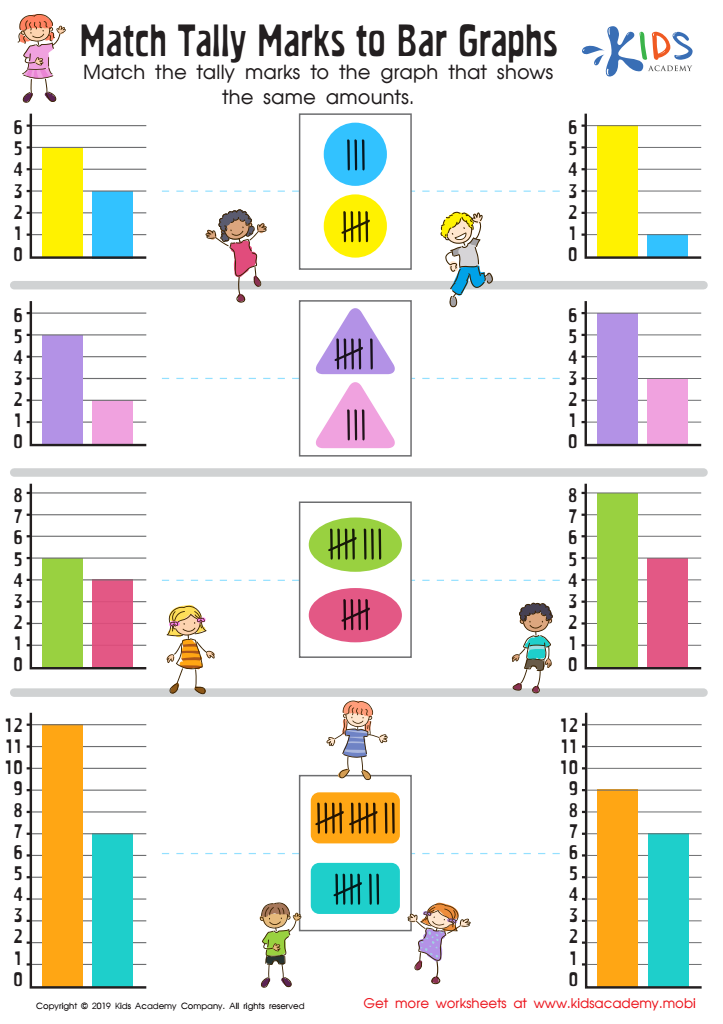
Match Tally Marks to Bar Graphs Worksheet
Learning math can be tough for kids. Rules and formulas can be confusing. Don't worry, this worksheet can help them understand graphs better. Show them how to match the tally marks with the graph that shows the same amount. It will help them grasp the basics and prepare them for more complex equations.
Match Tally Marks to Bar Graphs Worksheet
Worksheet
Join Kids Academy for Free
Who is primarily going to use this learning content?





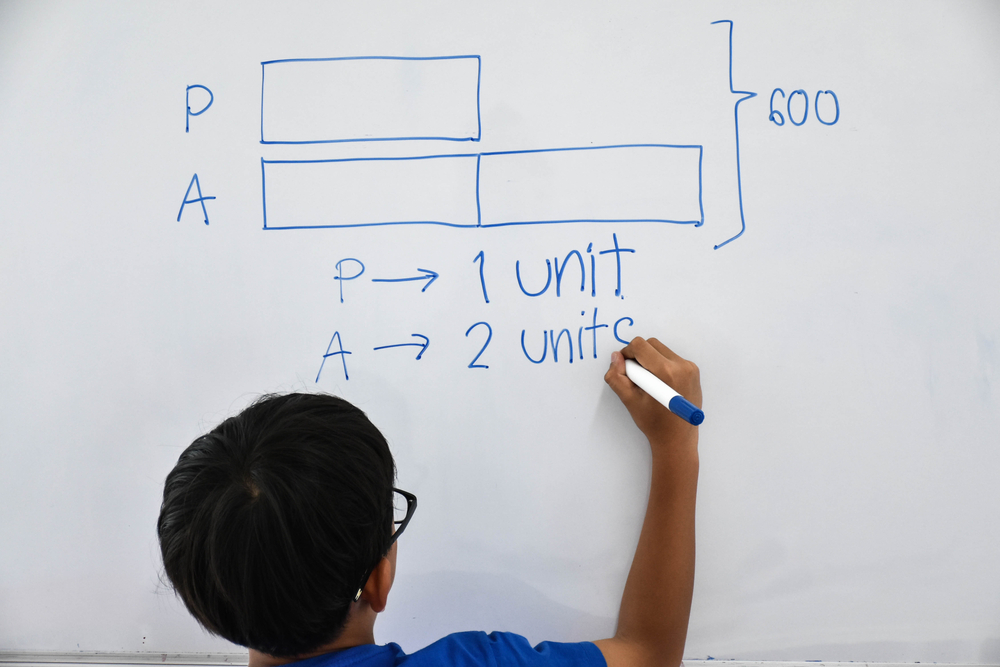


Interpreting data graphs is crucial for both parents and teachers as it fosters a deeper understanding of student performance and progress. Graphs provide visual representations of information, allowing quick identification of trends, patterns, and outliers in data, such as test scores or attendance rates. Parents engaged with these visual tools can better understand their child's academic strengths and weaknesses, enabling them to support their learning effectively at home. This involvement helps create a collaborative environment where children thrive.
For teachers, data graphs serve as valuable tools in assessing the effectiveness of teaching strategies and curriculum. By analyzing graphs, educators can make informed decisions to tailor instruction, differentiate learning, and identify areas needing improvement. Additionally, it promotes data-driven decision-making in educational settings, enhancing overall educational outcomes.
Furthermore, understanding data graphs empowers both parents and teachers to engage in meaningful conversations about education, fostering a strong partnership focused on student success. As education increasingly incorporates data analytics, being able to interpret these graphs equips both roles with essential skills for advocating for their children and students, ultimately leading to improved educational experiences and achievements.








