Basic Math knowledge Math Worksheets
3 filtered results
-
From - To
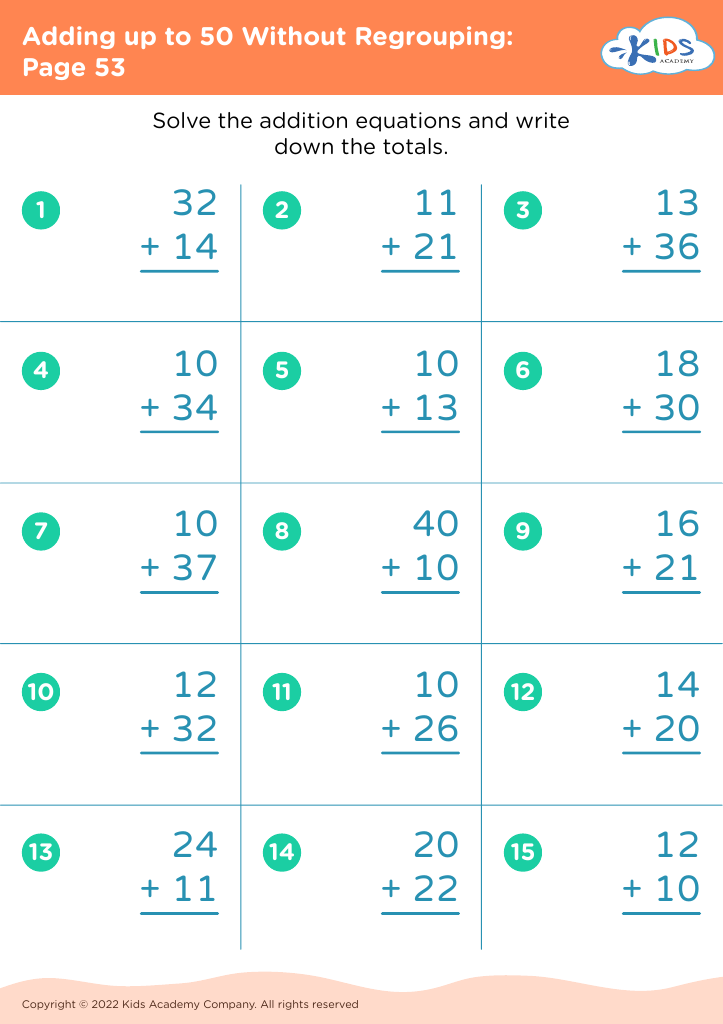
Enhance your child's math skills with our Basic Math Knowledge Worksheets. Designed for early learners, these printable resources make math fun and engaging. Covering essential topics like addition, subtraction, counting, and number recognition, our worksheets provide clear instructions and colorful visuals to captivate young minds. Perfect for home or classroom use, these activities encourage independent problem-solving and build a solid foundation for future math success. Each worksheet is tailored to various skill levels, ensuring every child can progress at their own pace. Explore our collection today and watch your child's confidence in math grow!
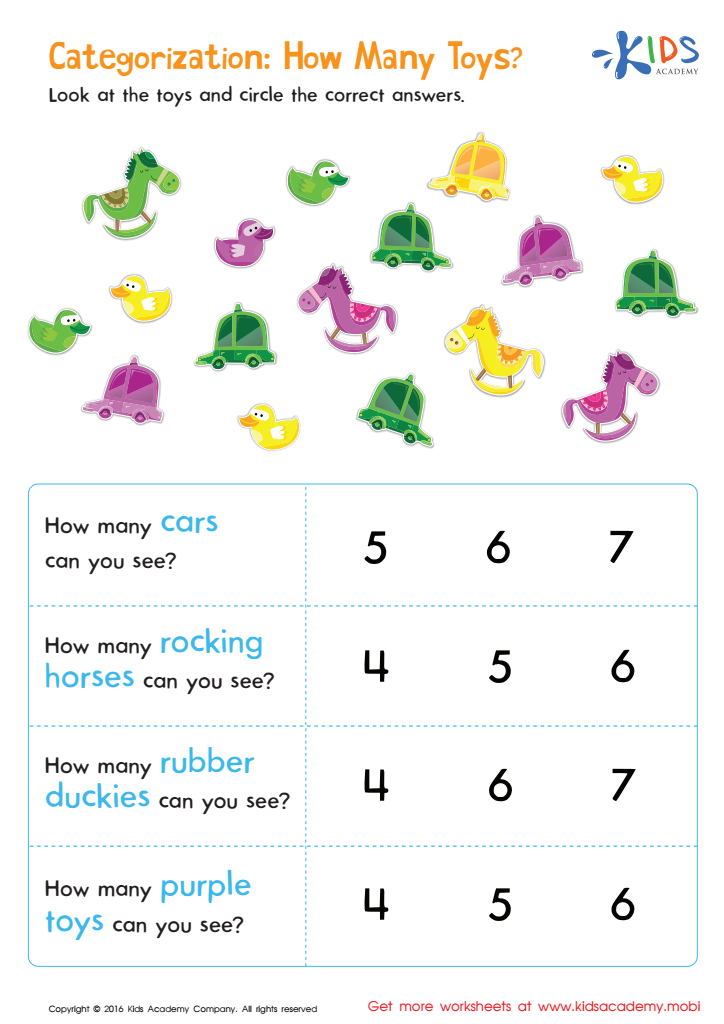
Classifying Toys by Type and Color Sorting Worksheet
 Assign to My Students
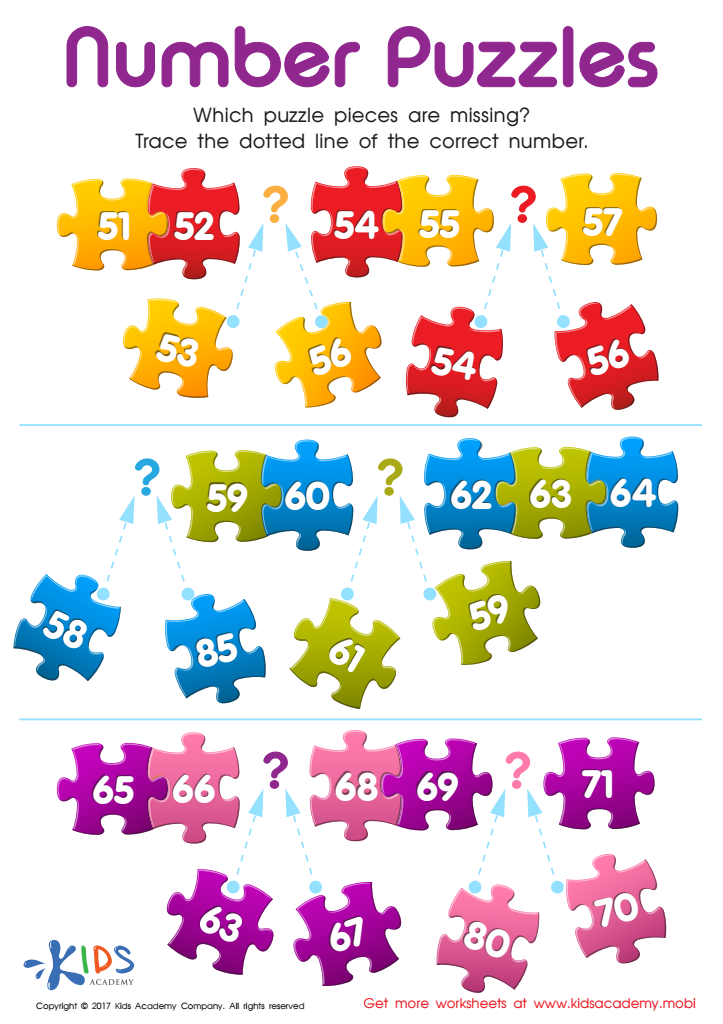
Number Puzzles Worksheet


.jpg)





Basic math knowledge is crucial for young learners and should be a priority for parents and teachers alike. Mastering fundamental concepts such as addition, subtraction, and basic geometry lays the foundation for more advanced mathematical understanding. These skills are not just academic; they play a significant role in everyday life. Children will encounter math when they manage their allowances, measure ingredients for cooking, or solve problems in games and sports.
Furthermore, a strong grasp of basic math helps build confidence. Children who feel competent in math are more likely to develop a positive attitude towards the subject, making it easier for them to tackle future complexities. Parents and teachers can also recognize that math literacy enhances critical thinking and problem-solving abilities, essential skills in the 21st century.
Additionally, early intervention can identify students who struggle with math, allowing for targeted support before negative patterns become entrenched. This proactive approach fosters a growth mindset, enabling students to see challenges as opportunities for growth. Ultimately, when parents and teachers prioritize basic math knowledge, they equip children not only for academic success but also for a lifetime of practical decision-making and analytical skills.








