Basic Math Skills Math Worksheets - Page 8
171 filtered results
-
From - To
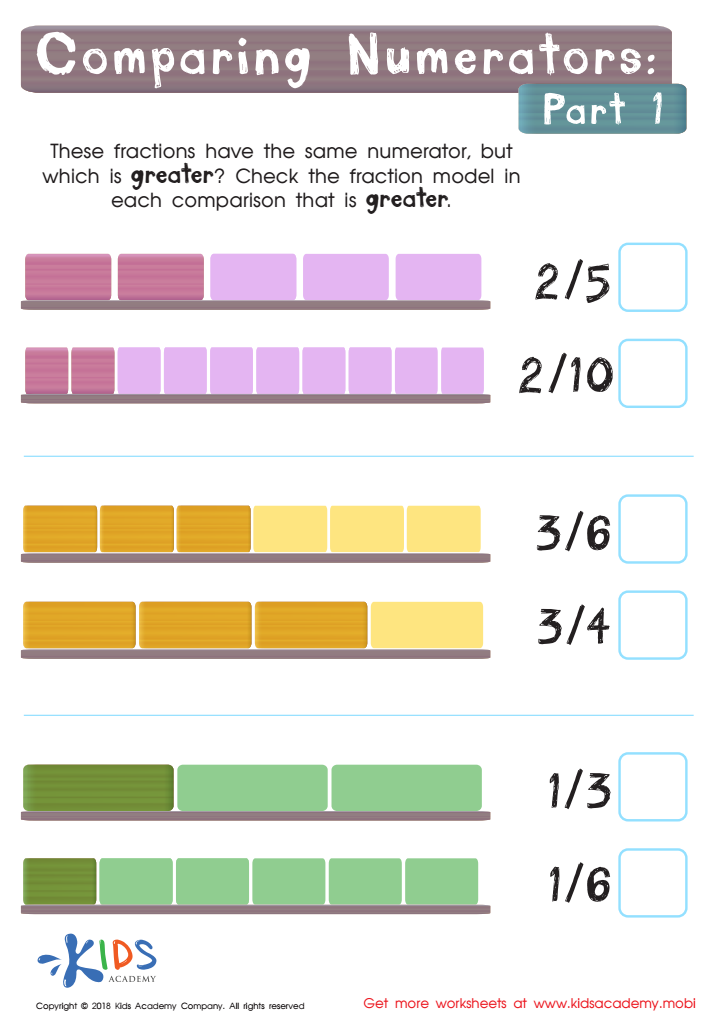
Comparing Numerators Part 1 Worksheet
 Assign to My Students
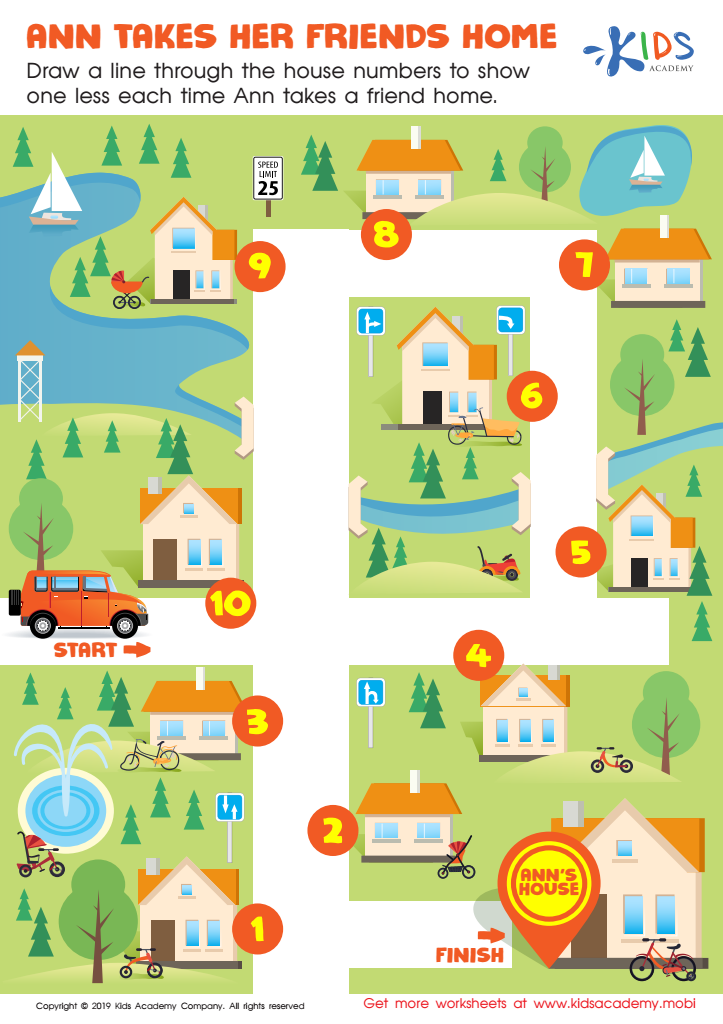
Ann Takes her Friends Home Worksheet
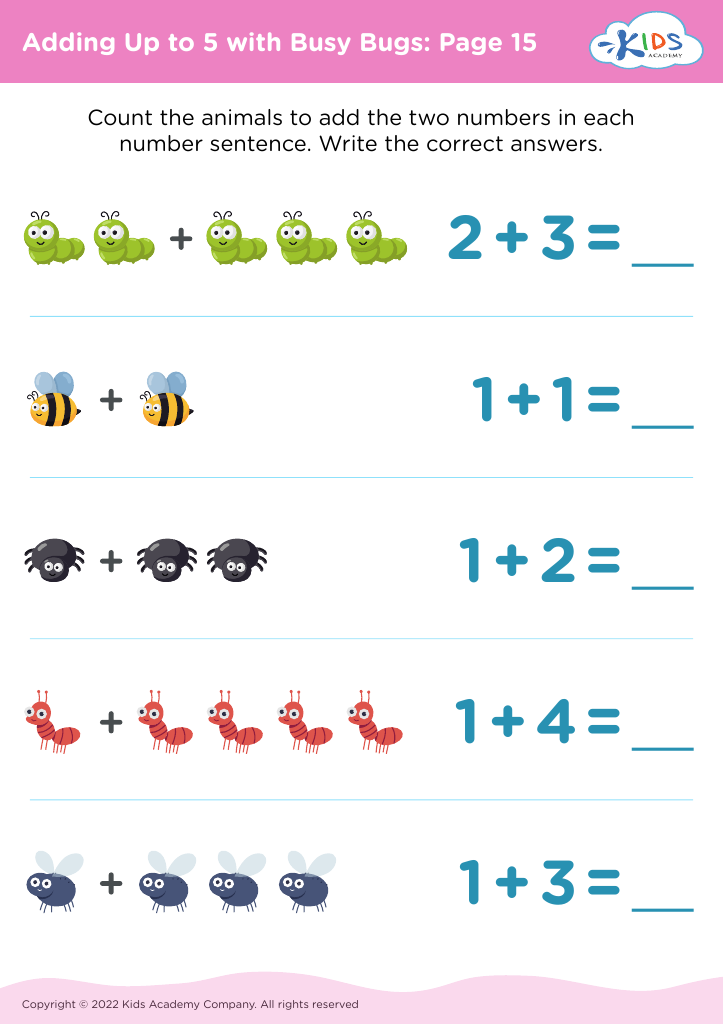





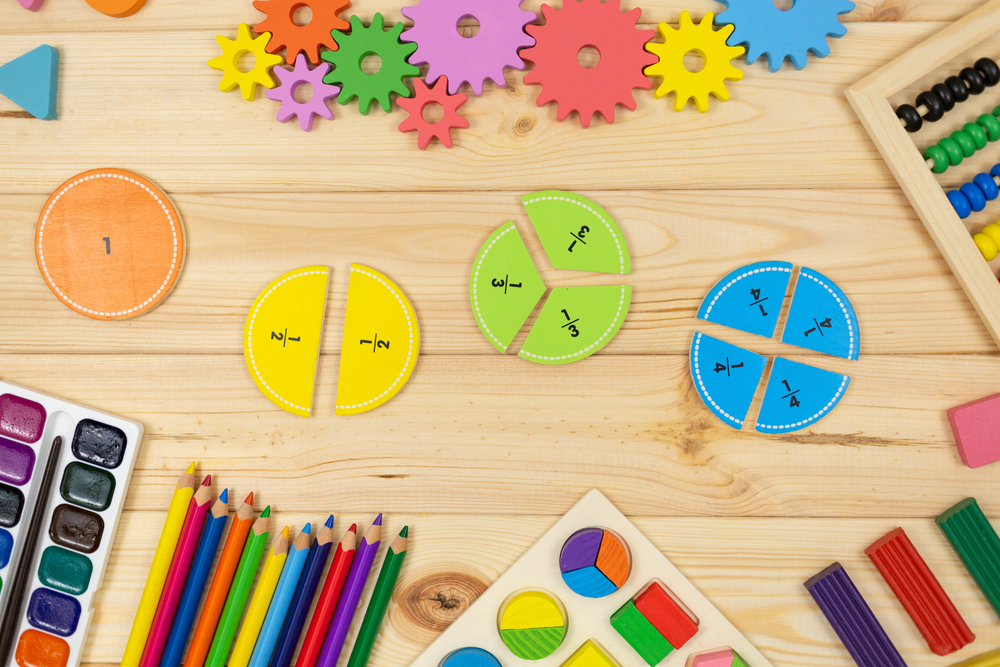

Basic math skills are foundational for a child’s academic success and everyday life. Parents and teachers should prioritize these skills for several compelling reasons. First, proficiency in basic math lays the groundwork for advanced mathematical concepts, fostering a smooth transition into more complex topics like algebra and geometry. A solid understanding of addition, subtraction, multiplication, and division helps children engage confidently with these subjects later on.
Moreover, math skills are crucial for critical thinking and problem-solving, encouraging children to approach challenges methodically. Whether it’s budgeting allowance or measuring ingredients for a recipe, basic math is applied daily, reinforcing its real-world relevance.
Additionally, children who grasp basic math concepts tend to perform better academically overall, contributing to improved self-esteem and a positive attitude towards learning. Early experiences with math can spark interest and curiosity, inspiring future careers in STEM fields, which are essential in a technology-driven society.
Finally, instilling good math habits early on creates a supportive learning environment and fosters collaboration between parents and teachers. When both parties emphasize the importance of basic math, children are more likely to succeed and build lifelong skills. Therefore, investing time and resources into developing these skills is vital for every child's education.








