Basic Math understanding Math Worksheets
12 filtered results
-
From - To
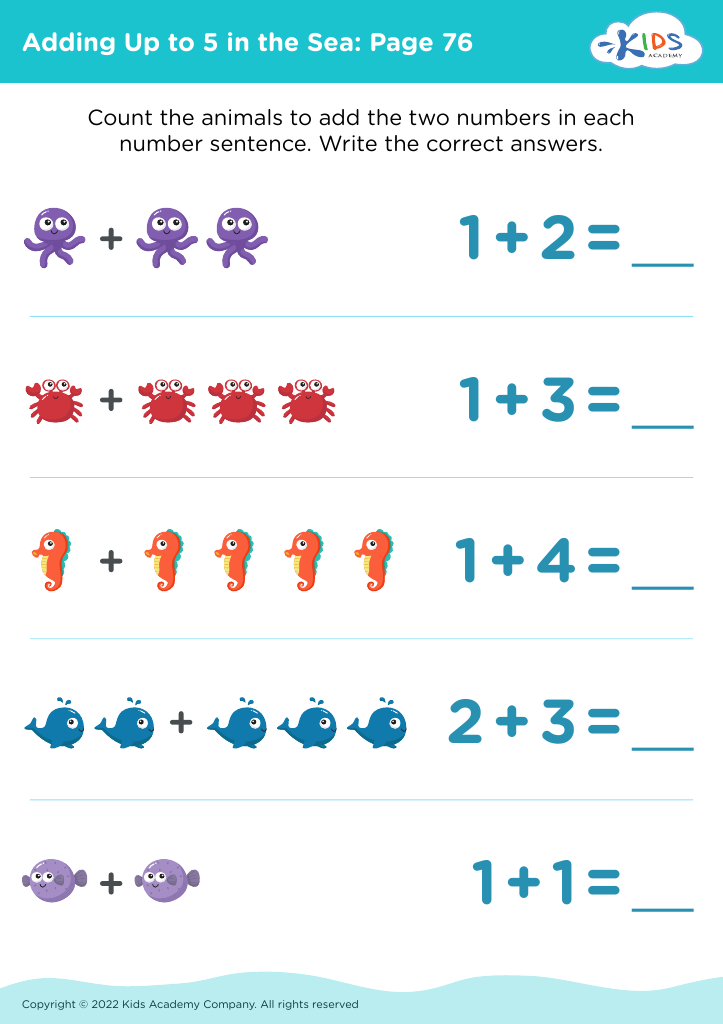
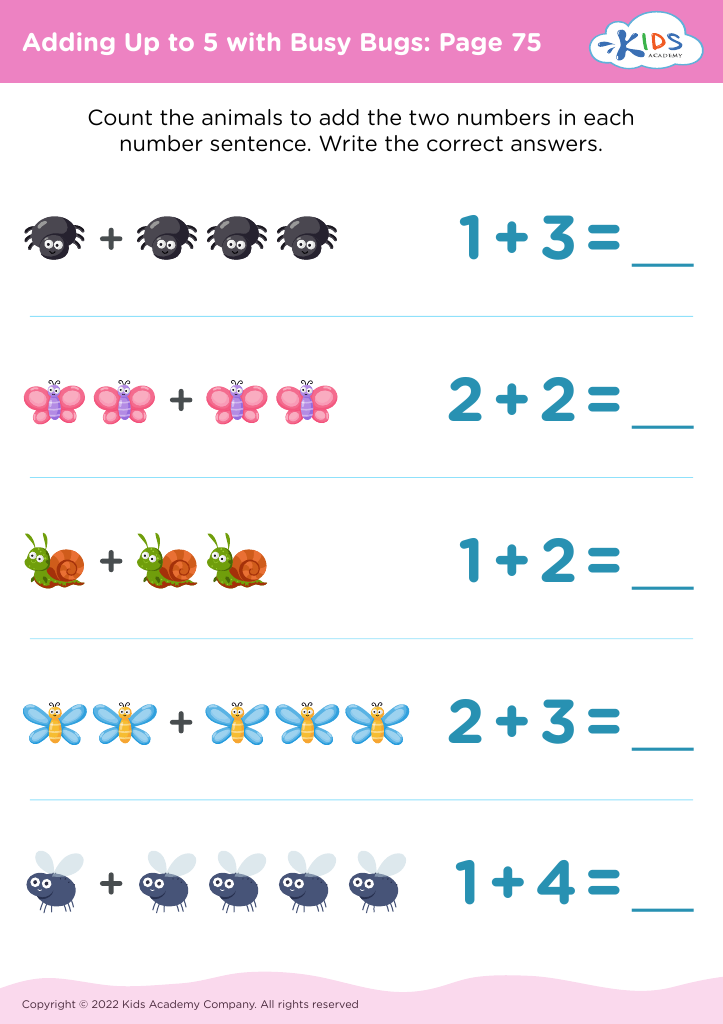
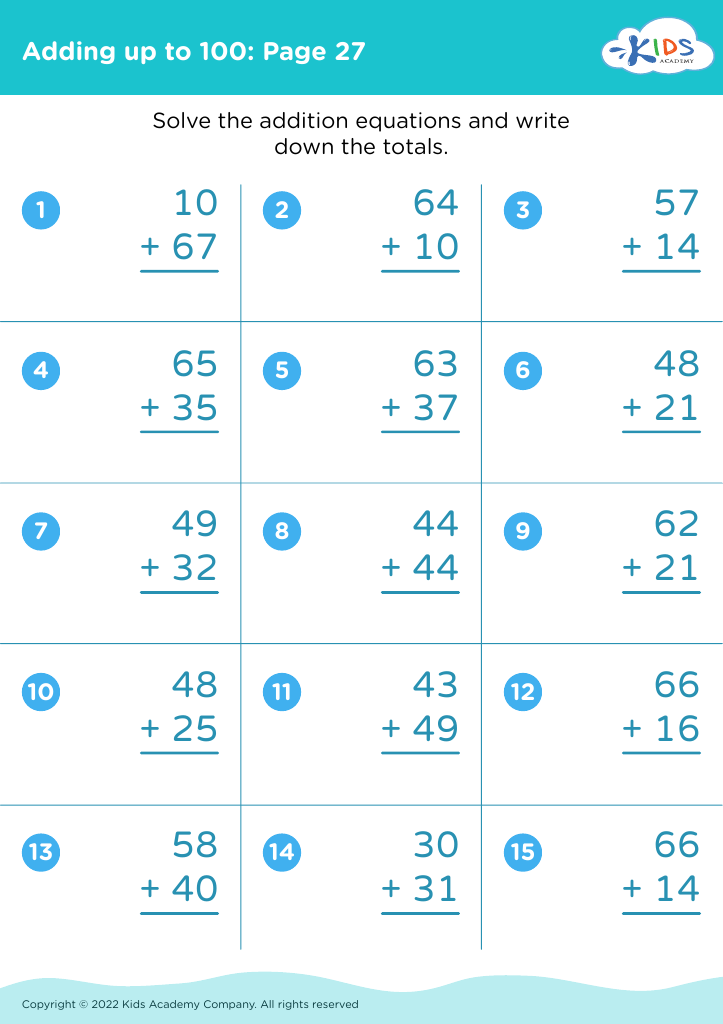
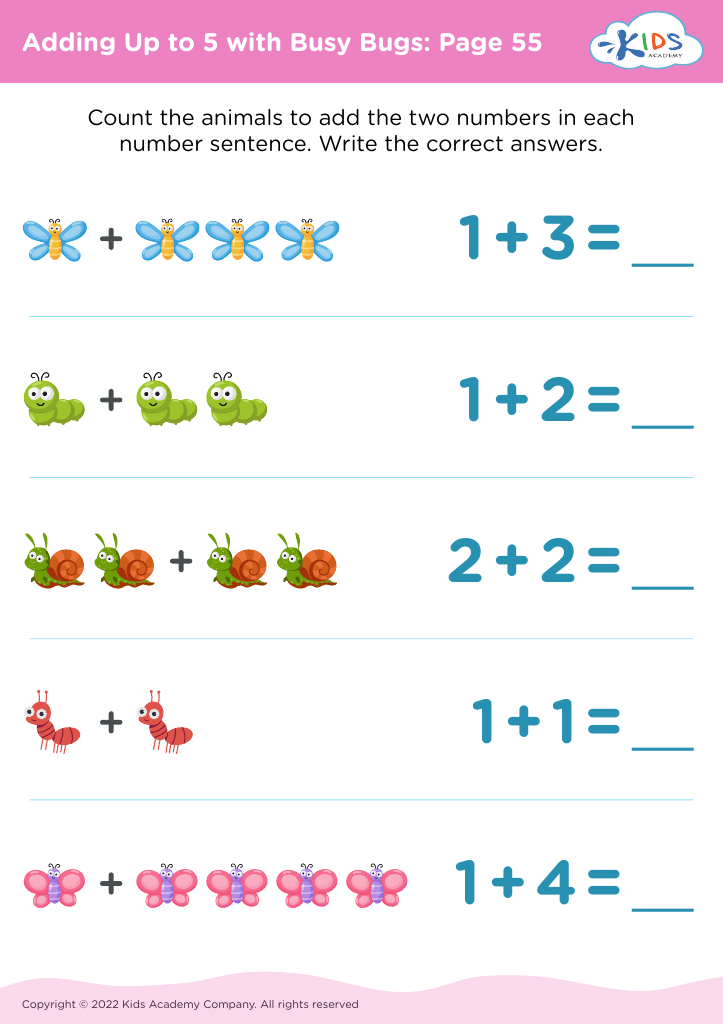
Introduction to foundational math is made easy with our curated "Basic Math Understanding" worksheets at Kids Academy! These expertly designed printables help young learners grasp essential arithmetic concepts including counting, addition, subtraction, and number patterns. Perfect for preschool and early grade students, our worksheets offer engaging and colorful exercises that transform learning math into a fun and interactive experience. By practicing regularly, children can build confidence, improve problem-solving skills, and foster a love for numbers. Explore our extensive collection and give your child the tools they need to excel in math from the very start!
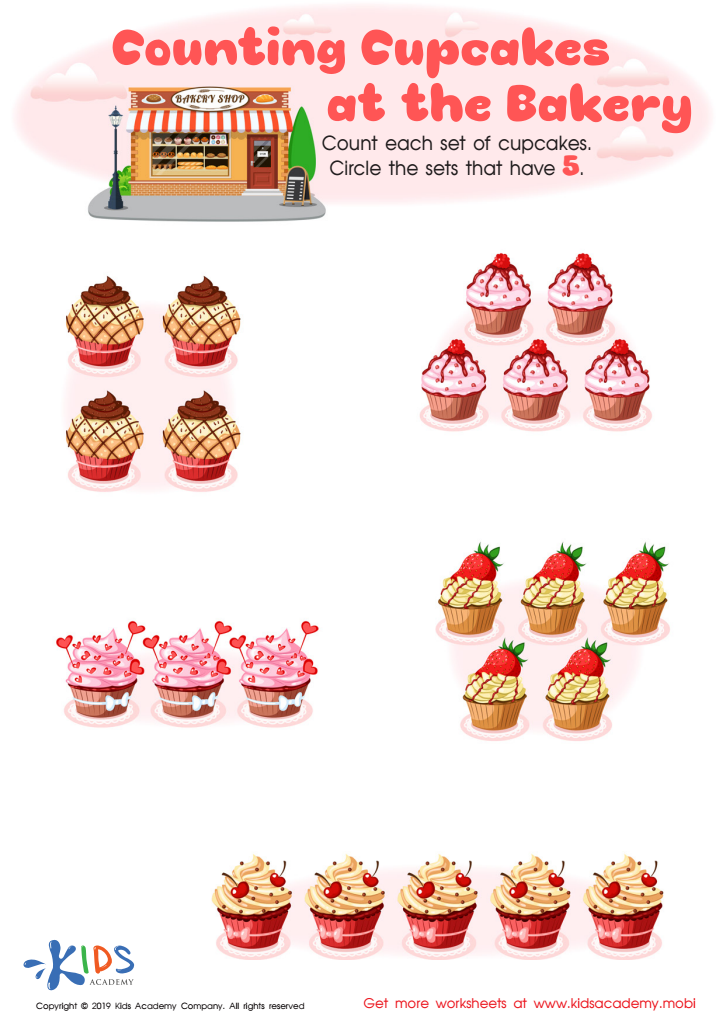
Counting Cupcakes Worksheet
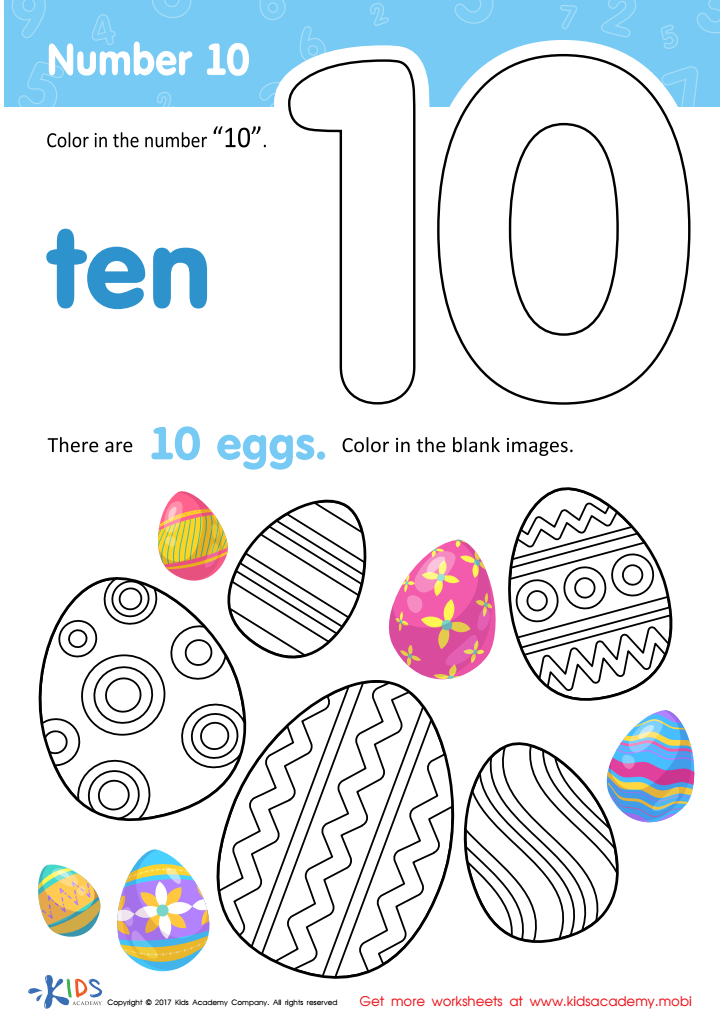
Number 10 Printable
 Assign to My Students
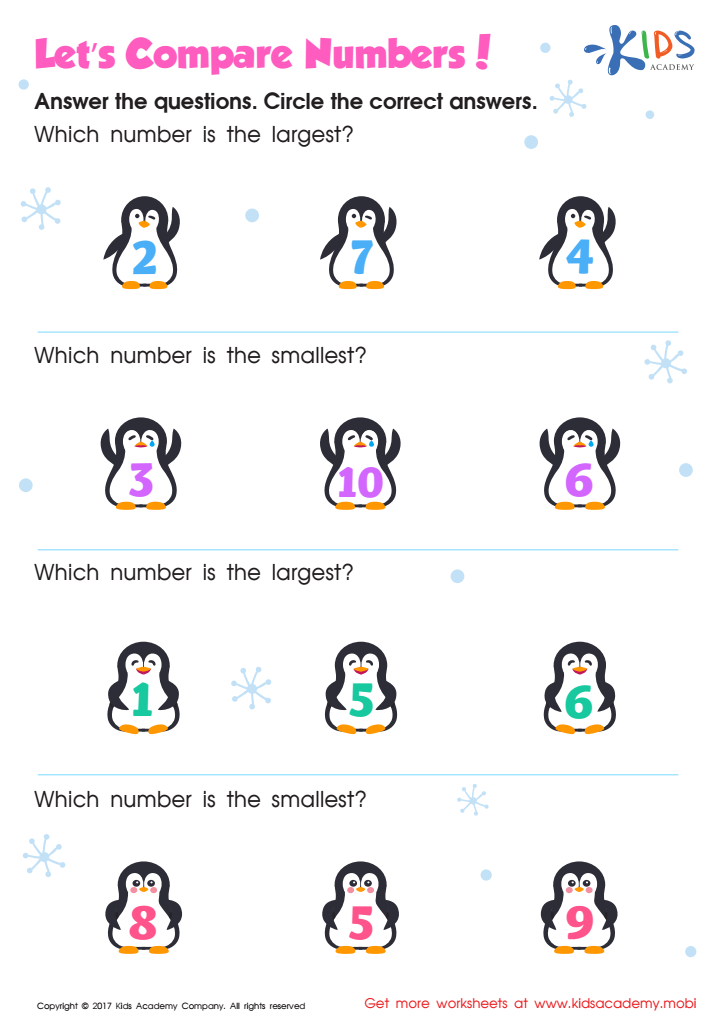
Comparing Numbers 1–10 Worksheet Kindergarten
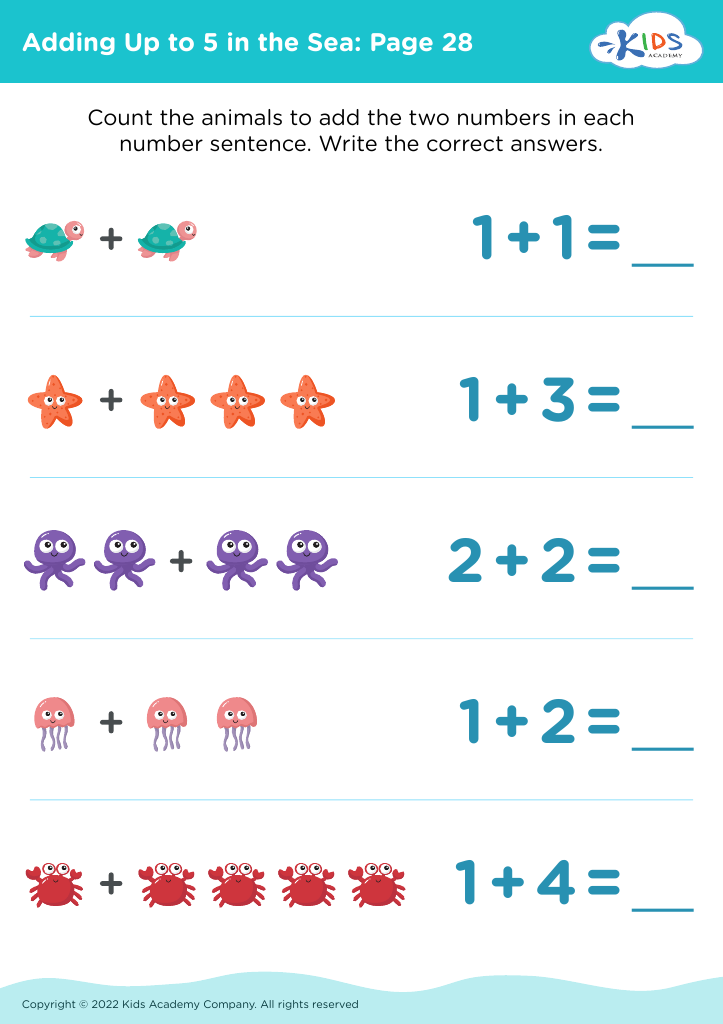



.jpg)



Understanding basic math is foundational for not just academic success but for daily life skills and critical thinking. Parents and teachers should care deeply about a child's grasp of basic math for several important reasons.
Firstly, basic math skills are essential for advanced learning. Concepts learned in early years serve as building blocks for more complex problem-solving required in higher grades. Without a strong foundation, children may struggle to keep up as mathematical operations become more challenging.
Secondly, basic math is involved in many aspects of everyday life. From telling time, handling money, measuring ingredients in recipes, to even planning routes; math is omnipresent. Ensuring a strong basic math understanding equips children with the skills necessary for everyday decision making and enhances their independence.
Furthermore, early proficiency in math has been linked with improved academic performance in other subject areas, including science and reading comprehension. It promotes logical reasoning and enhances cognitive development.
Socially, kids who are good at math often have better confidence levels; they appreciate solving puzzles, which teaches persistence and patience. Lastly, fostering a positive attitude towards math from the beginning can lead to greater future educational and career opportunities in our increasingly technological world, where STEM (Science, Technology, Engineering, and Mathematics) skills are in high demand.








