Color recognition Math Worksheets - Page 2
36 filtered results
-
From - To
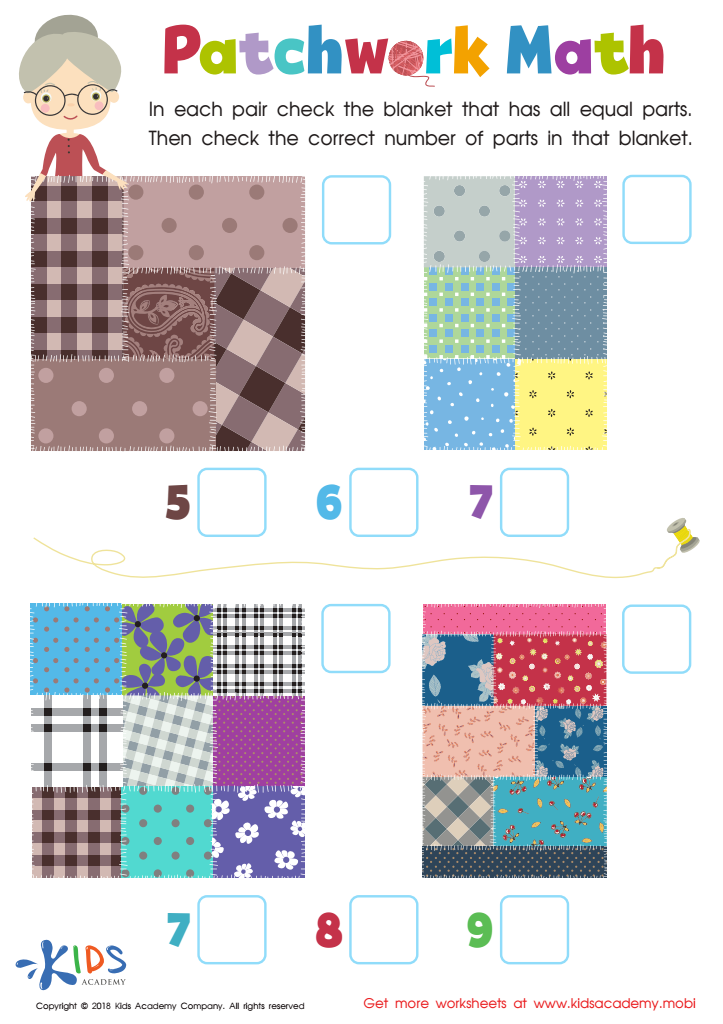
Patchwork Math Worksheet
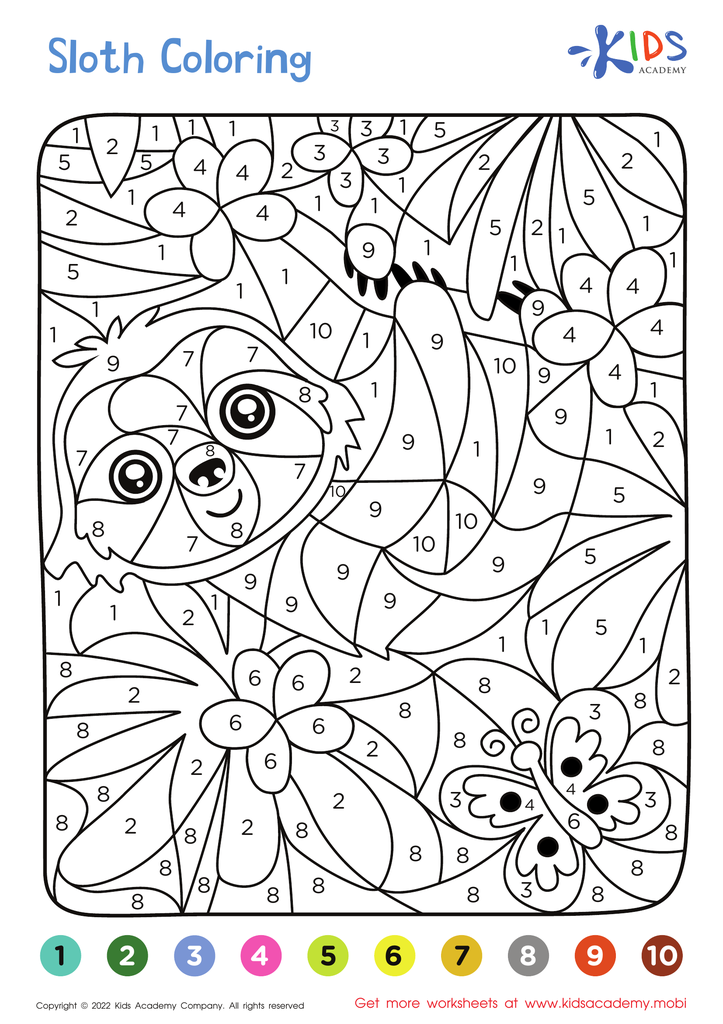
Sloth – Coloring by Numbers
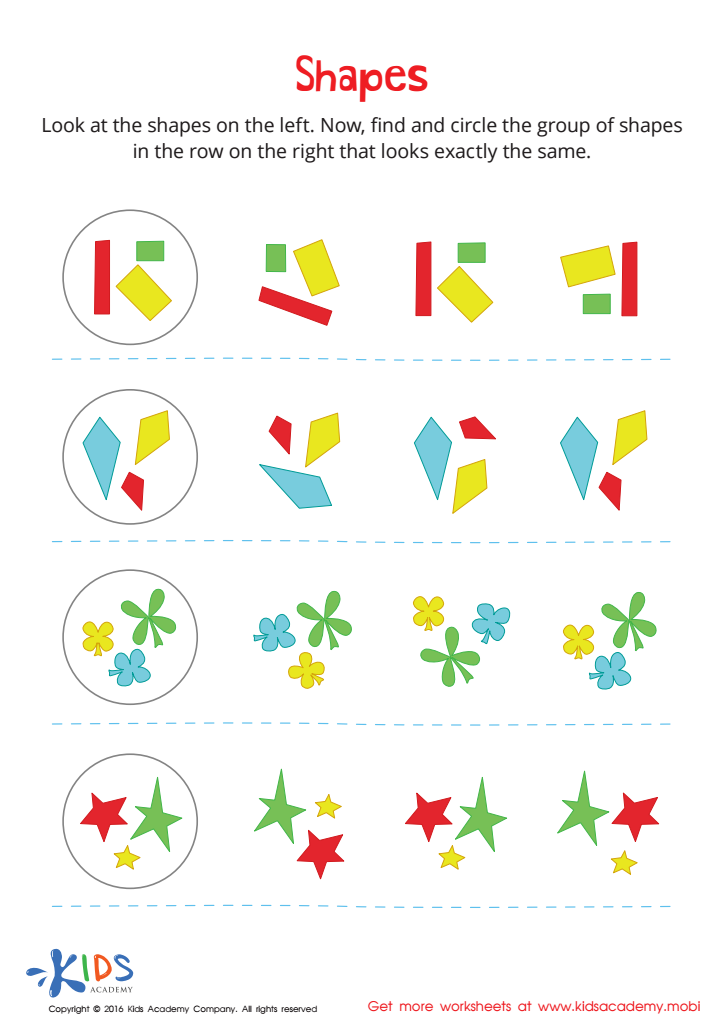
Shapes Worksheet
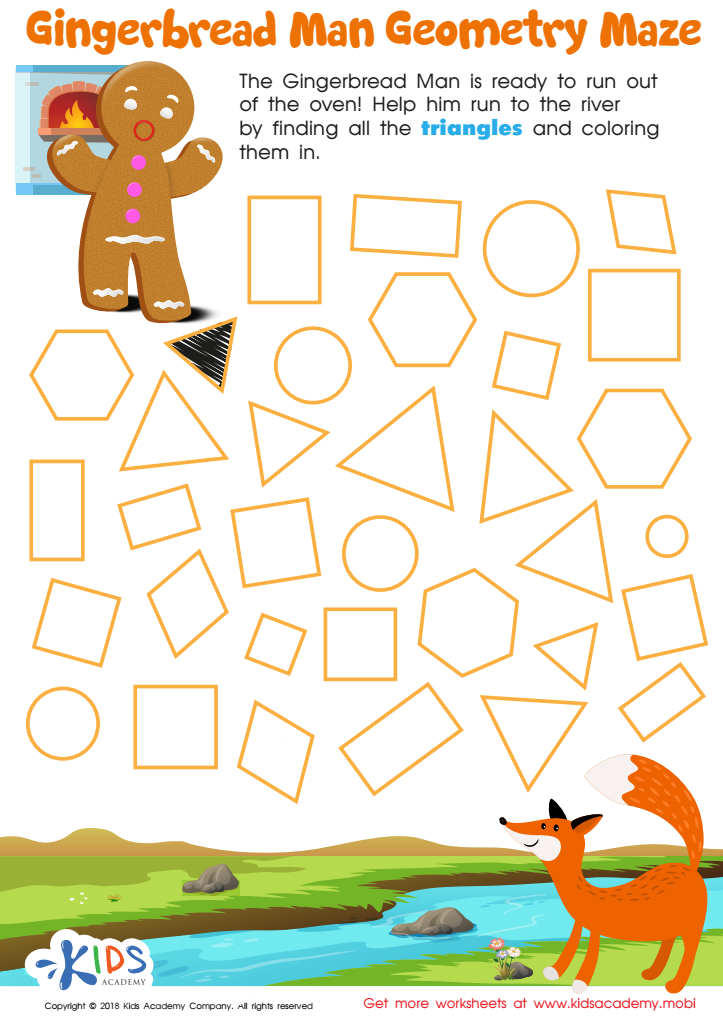
Gingerbread Man Geometry Maze Worksheet
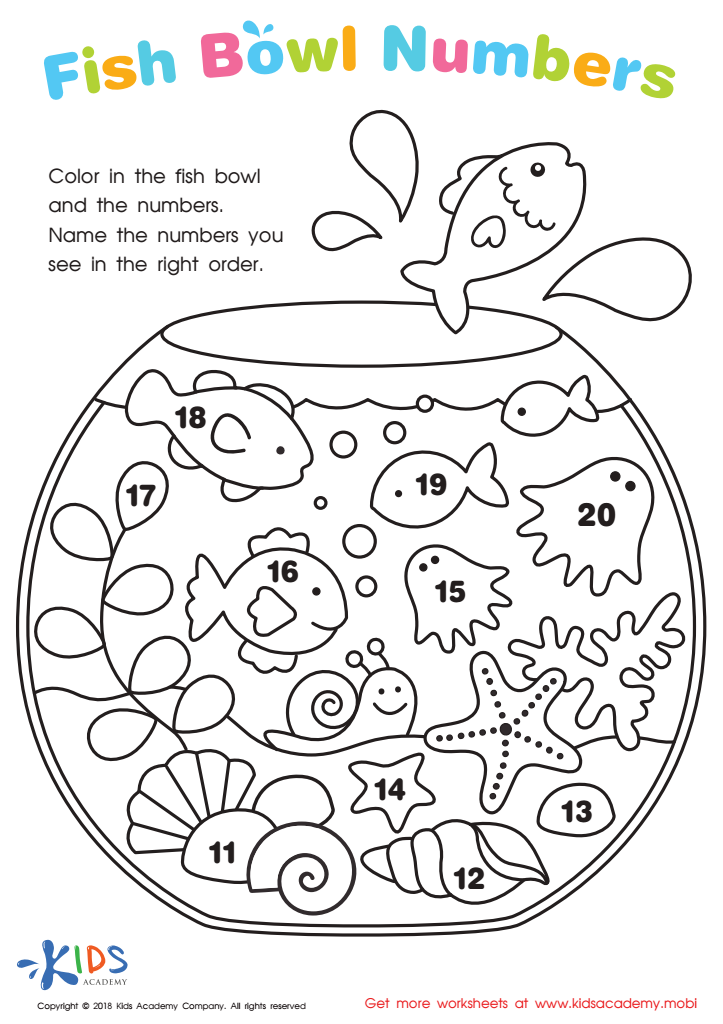
Fish Bowl Numbers Worksheet
 Assign to My Students
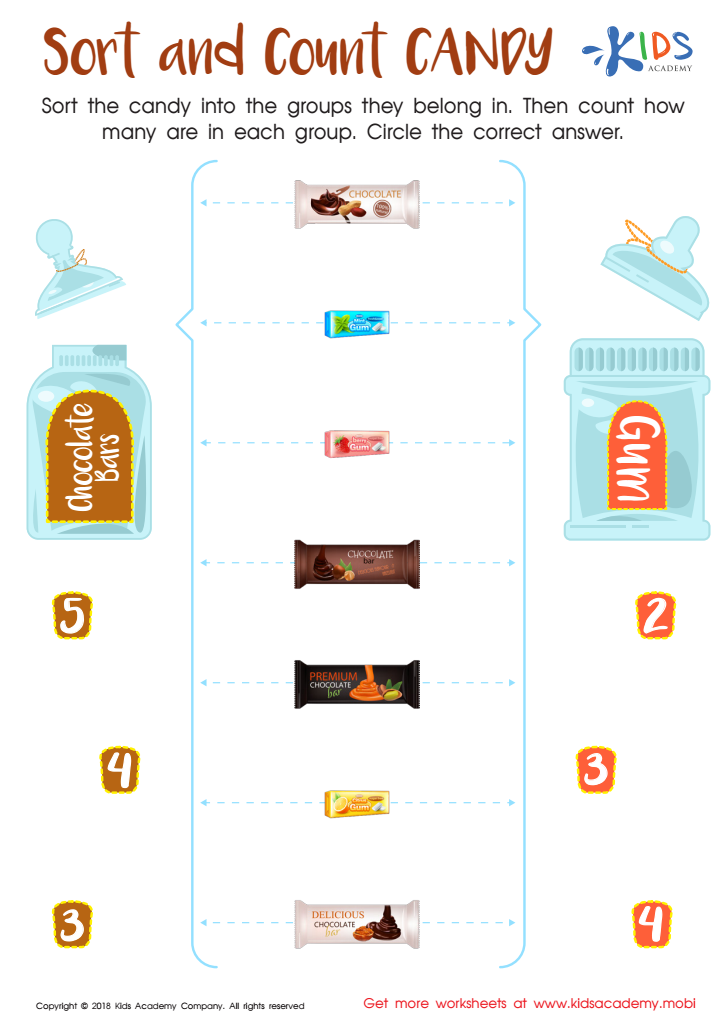
Sort and Count Candy Worksheet
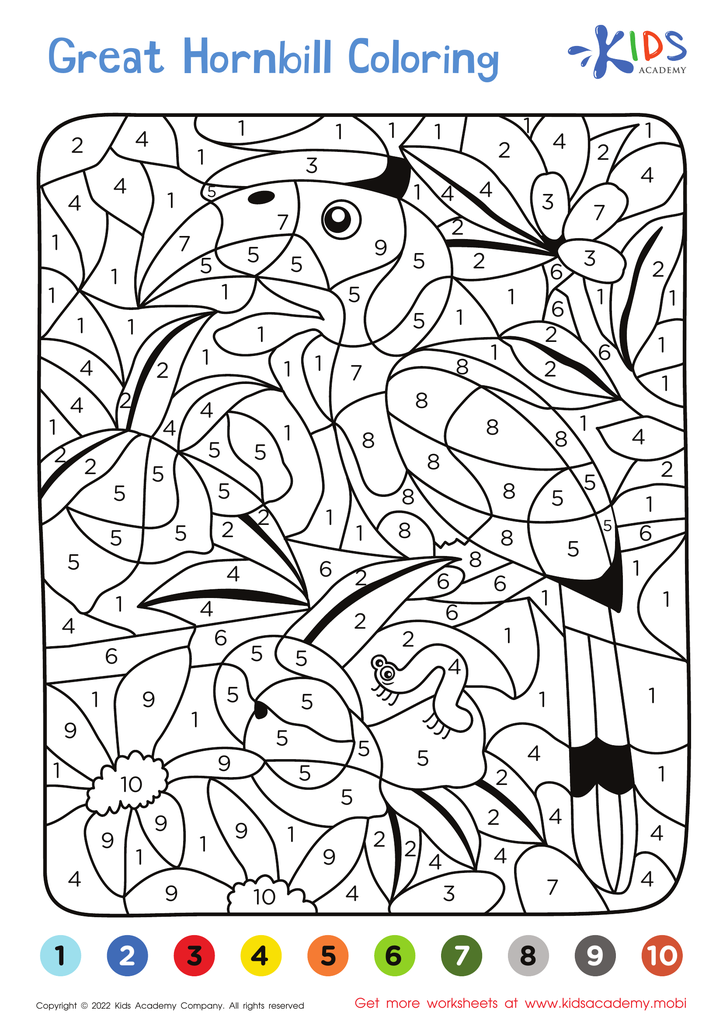
Great Hornbill – Coloring by Numbers
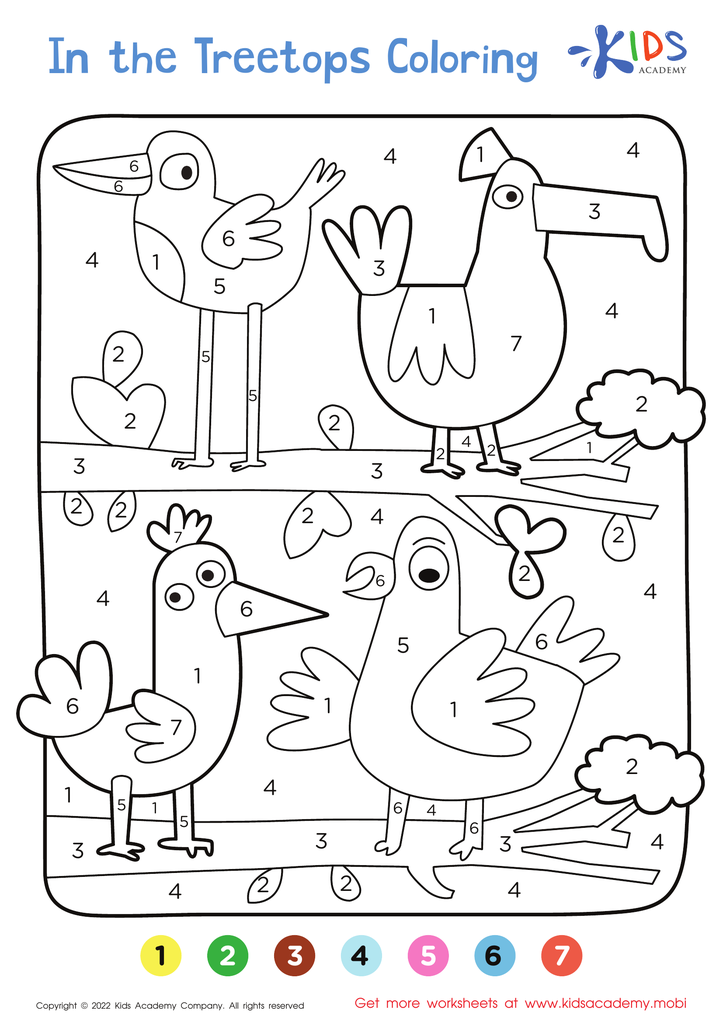
In the Treetops – Coloring Page
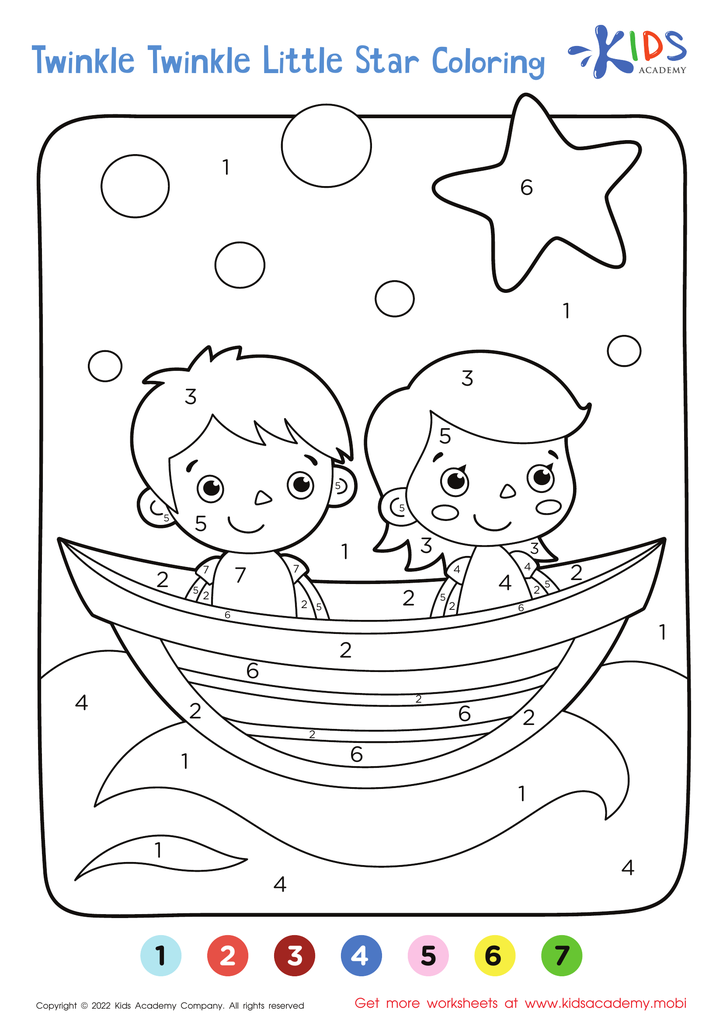
Twinkle, Twinkle, Little Star – Coloring by Numbers
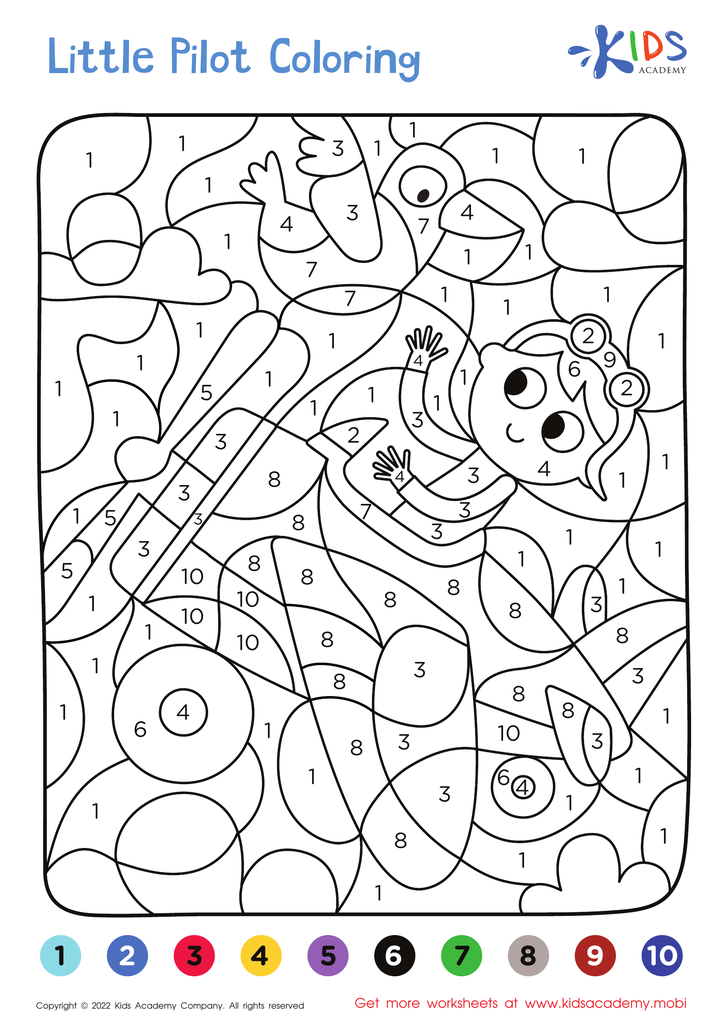
Little Pilot – Coloring by Numbers
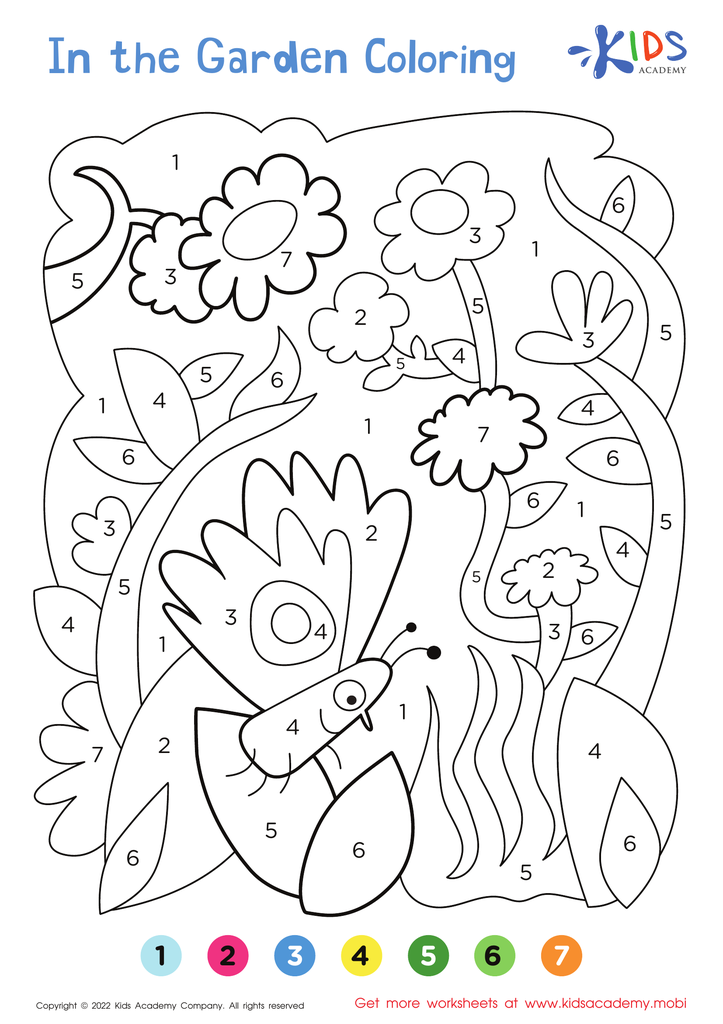
In the Garden – Coloring by Numbers
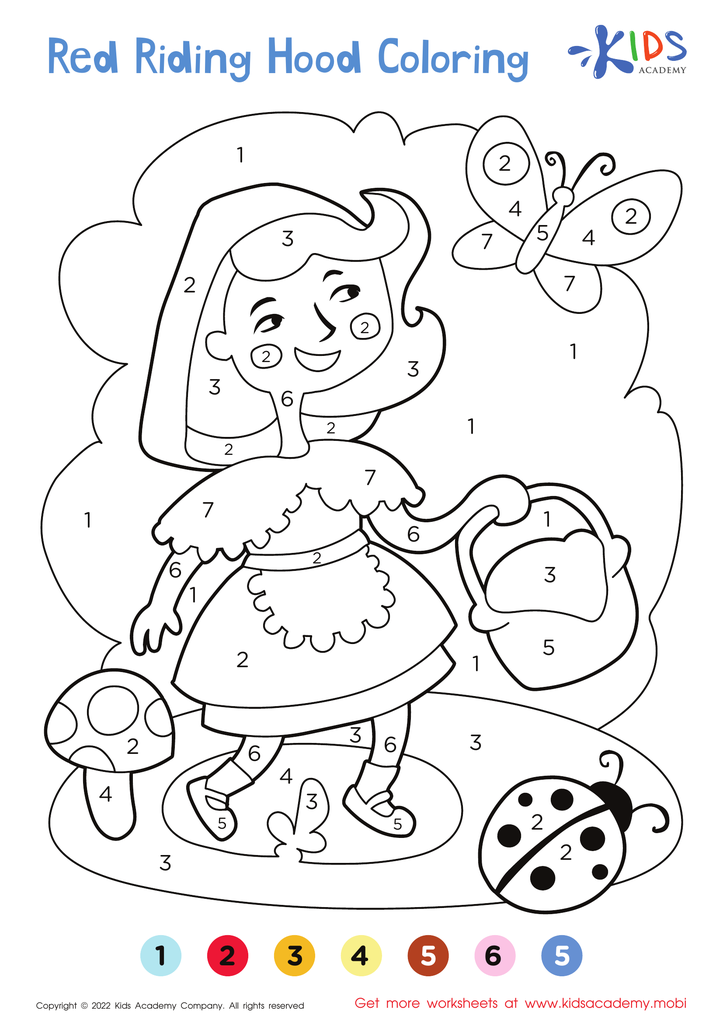
Little Red Riding Hood – Coloring by Numbers








Color recognition plays a vital role in early childhood education, particularly in the math curriculum. Understanding colors is foundational for developing essential cognitive and language skills. When parents and teachers prioritize color recognition in math, they foster children's ability to categorize, differentiate, and analyze. This skill is critical as it lays the groundwork for more complex concepts like sorting, patterns, and even basic graphing, where color-coding enhances comprehension.
Furthermore, engaging children in color-related math activities makes learning interactive and enjoyable. For instance, using colorful manipulatives such as blocks, beads, or counters can make counting and addition more engaging, leading to increased motivation and better retention of mathematical concepts.
Additionally, color recognition supports inclusivity in learning. Children may face language barriers or different styles of learning, and colors provide a universal way to communicate ideas in mathematics. This reduces frustration and helps bridge understanding for diverse learners.
In sum, nurturing color recognition in math enables children to develop essential skills, enhances their learning experience, and supports their overall cognitive growth, making it a pivotal focus for both parents and teachers.








