Develop critical thinking Math Worksheets
13 filtered results
-
From - To
Unlock your child’s potential with our "Develop Critical Thinking Math Worksheets." Tailored for young minds, these engaging worksheets transform math learning into a fun, thought-provoking adventure. Our exercises go beyond basic arithmetic, offering stimulating challenges that promote logical reasoning and problem-solving skills. Carefully designed to align with educational standards, each worksheet fosters confidence and intellectual growth. Whether it’s puzzles, pattern recognition, or complex scenarios, these activities make math interesting and accessible. Ideal for home or classroom use, our critical thinking math worksheets are the perfect tool to prepare students for future academic success. Nurture your child’s thinking with Kids Academy.
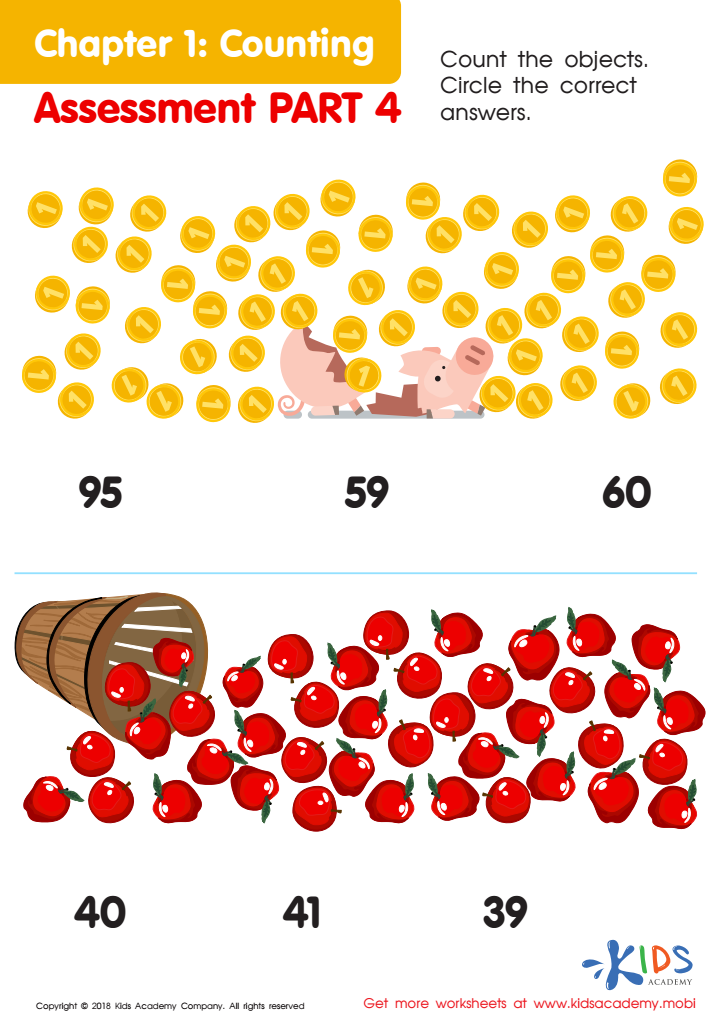
Counting: Assessment 4 Worksheet
 Assign to My Students
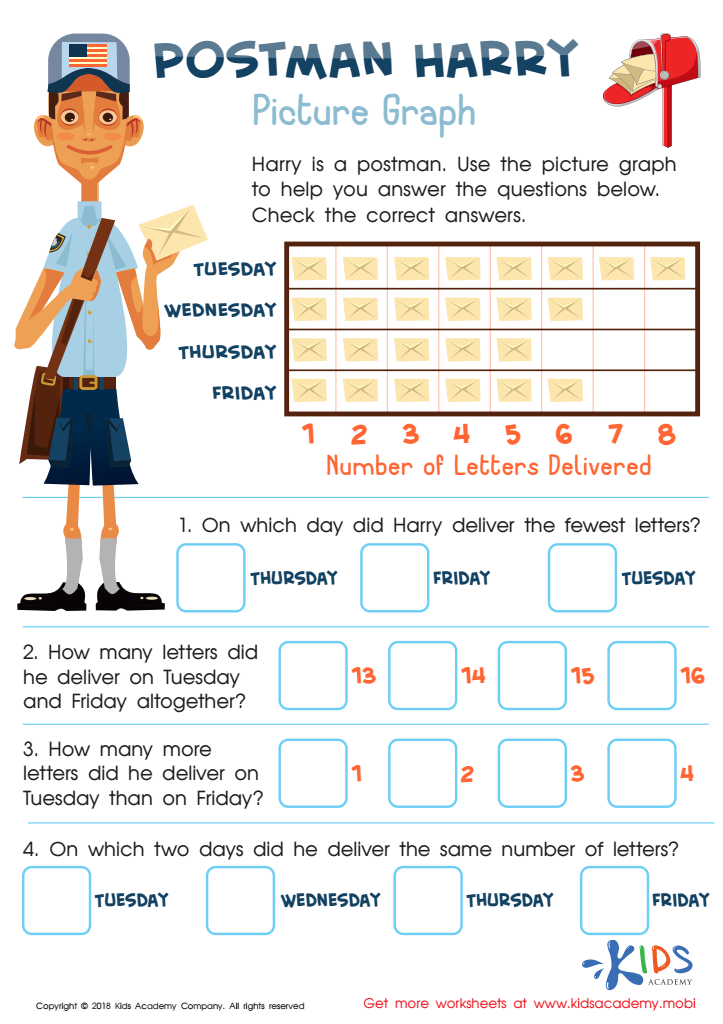
Postman Harry: Picture Graph Worksheet
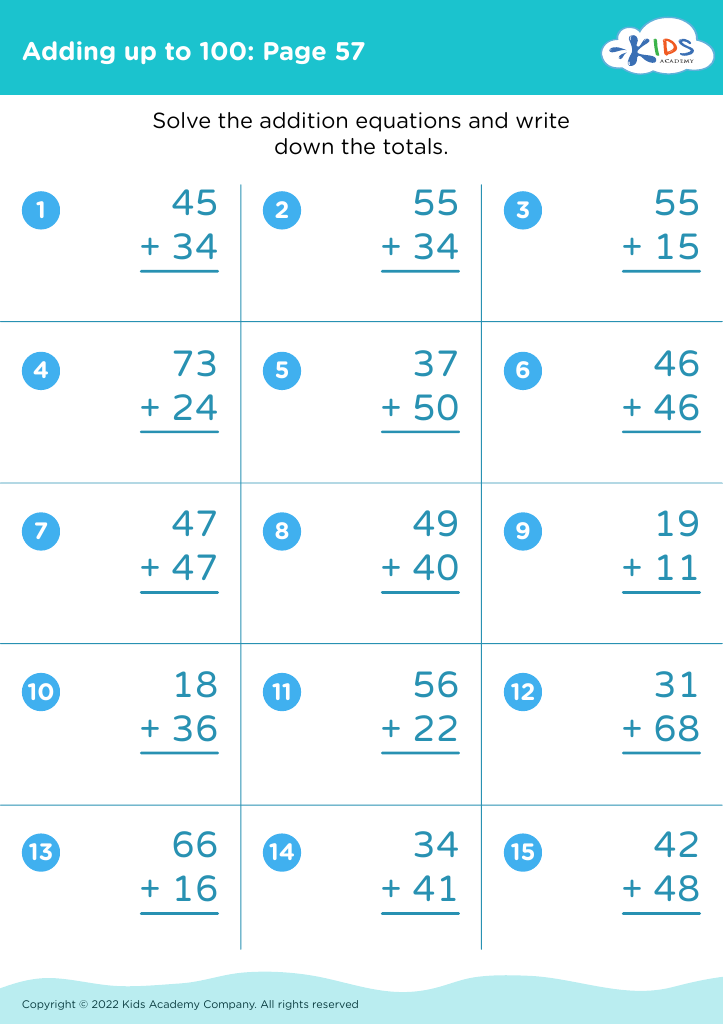
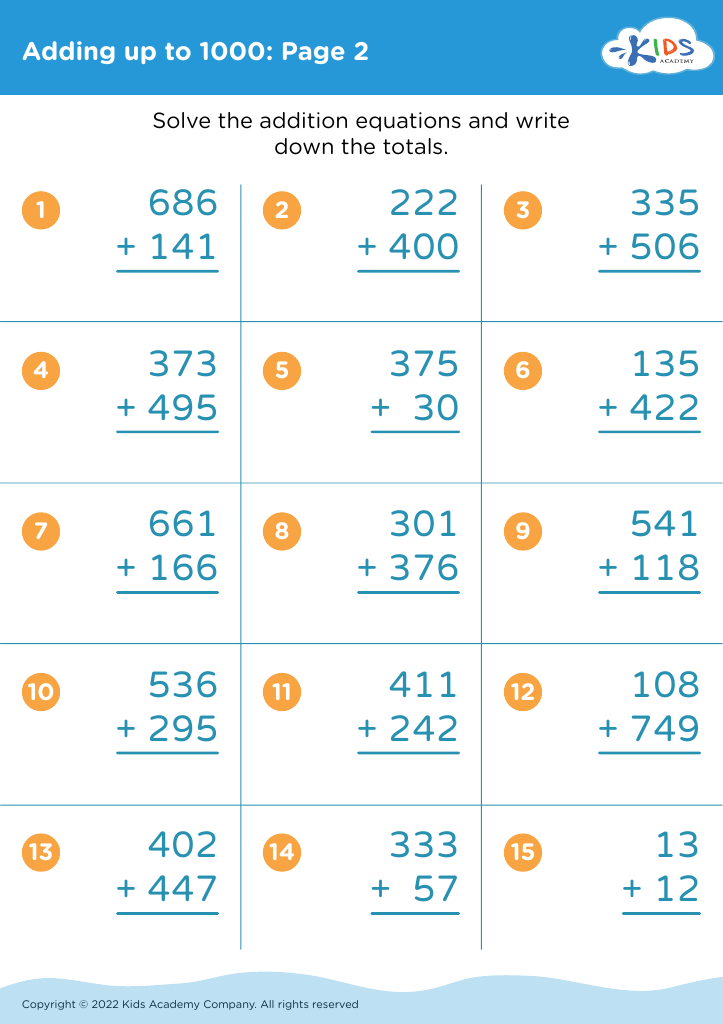
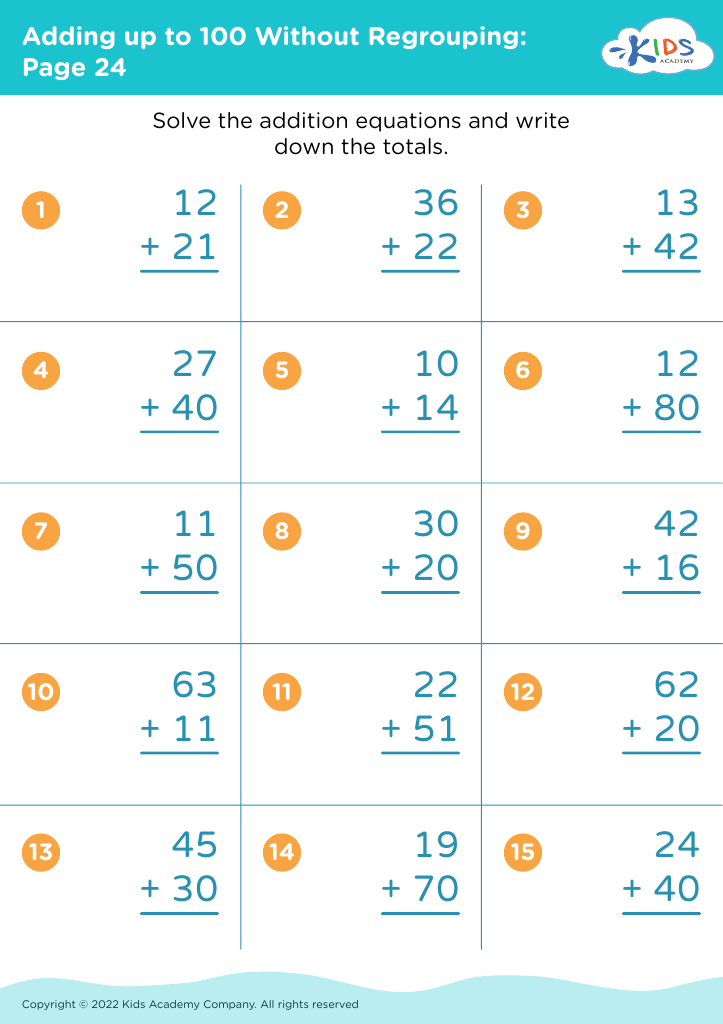
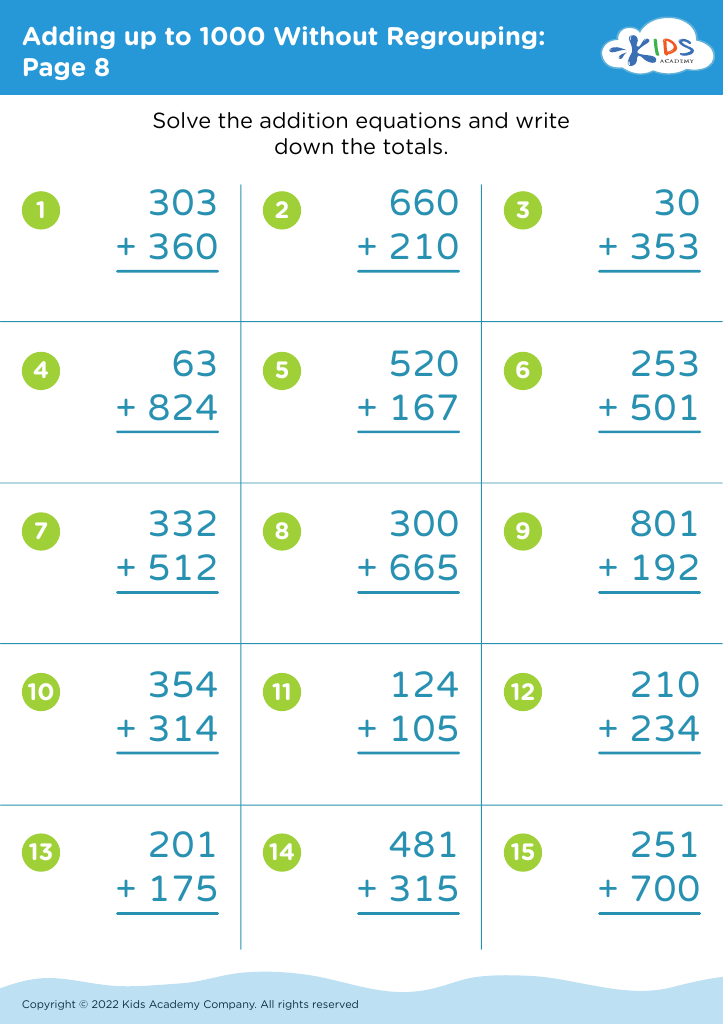








Parents and teachers should care deeply about developing critical thinking in math for young children because it lays a foundation for crucial life skills. Critical thinking in math goes beyond memorizing formulas or solving equations mechanically. It involves understanding why methods work, recognizing patterns, making logical connections, and solving problems creatively. This deeper comprehension fosters a growth mindset and resilience, as children become more adept at tackling challenging problems without fearing failure.
Mathematical critical thinking also parallels real-world decision-making and problem-solving. When children learn to approach math problems critically, they develop habits of curiosity, persistence, and strategic thinking. These skills are transferable across subjects and everyday situations, enhancing their overall cognitive and functional capabilities.
Additionally, strong mathematical thinking contributes to academic success in STEM (Science, Technology, Engineering, and Mathematics) fields, which are critical areas in the modern job market. Early exposure to critical thinking in math can ignite a lifelong interest in these fields, opening doors for future careers and opportunities.
Moreover, fostering critical thinking nurtures independent, analytical thinkers, who are better equipped to navigate and influence a rapidly changing world. Thus, investing in developing these skills through math encourages well-rounded, capable individuals prepared for the complexities of life.








