Fine motor skills (writing) Math Worksheets - Page 2
43 filtered results
-
From - To
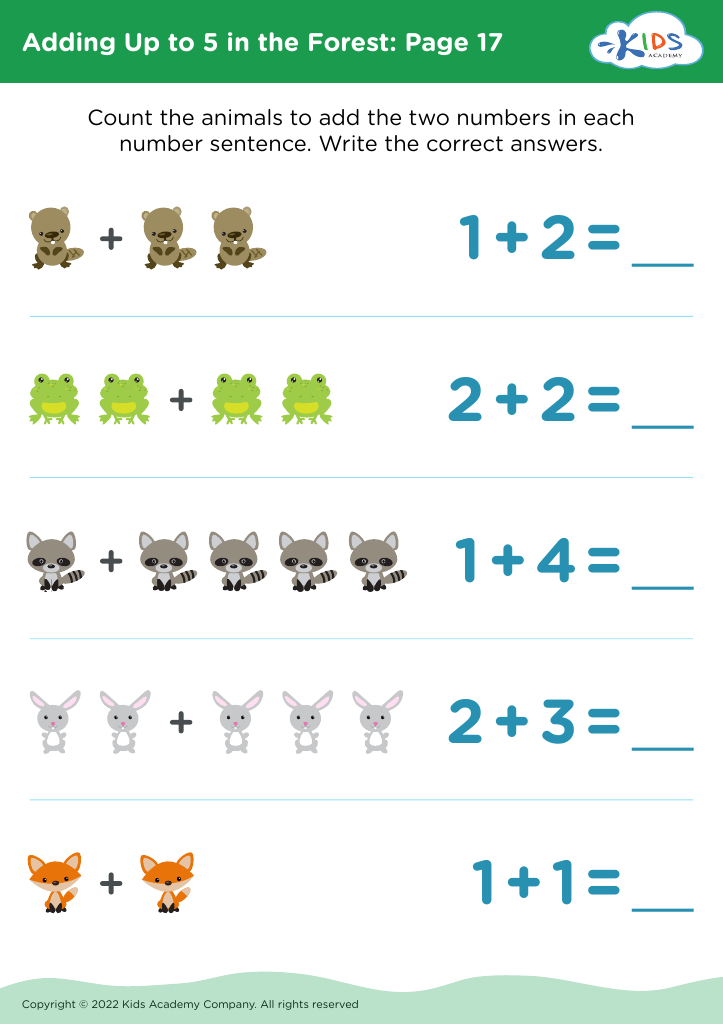
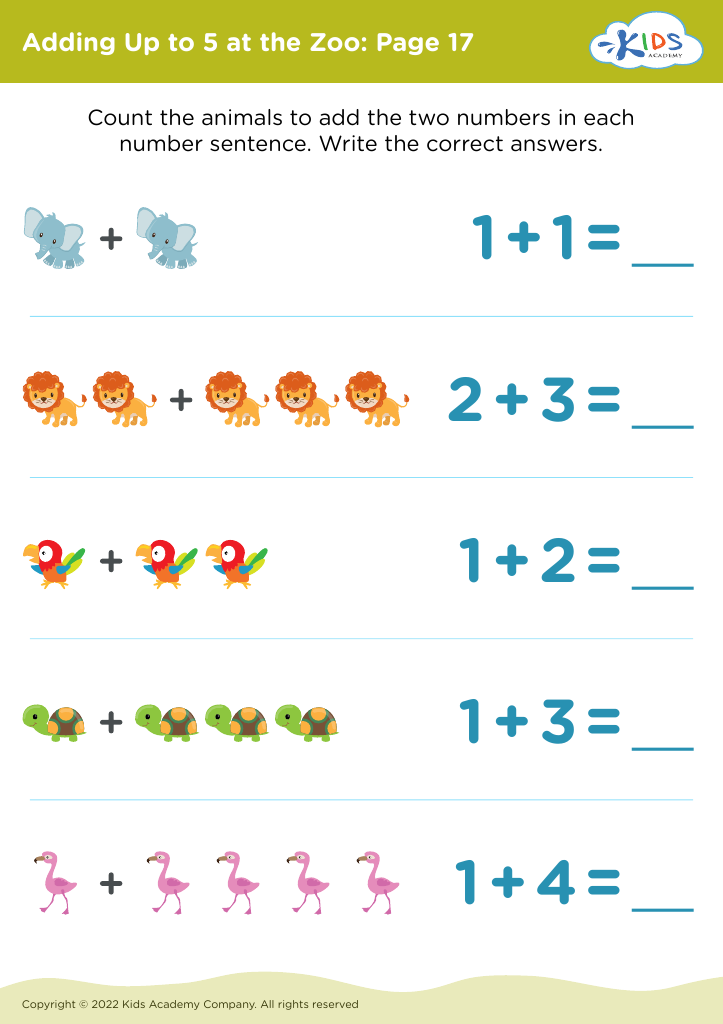
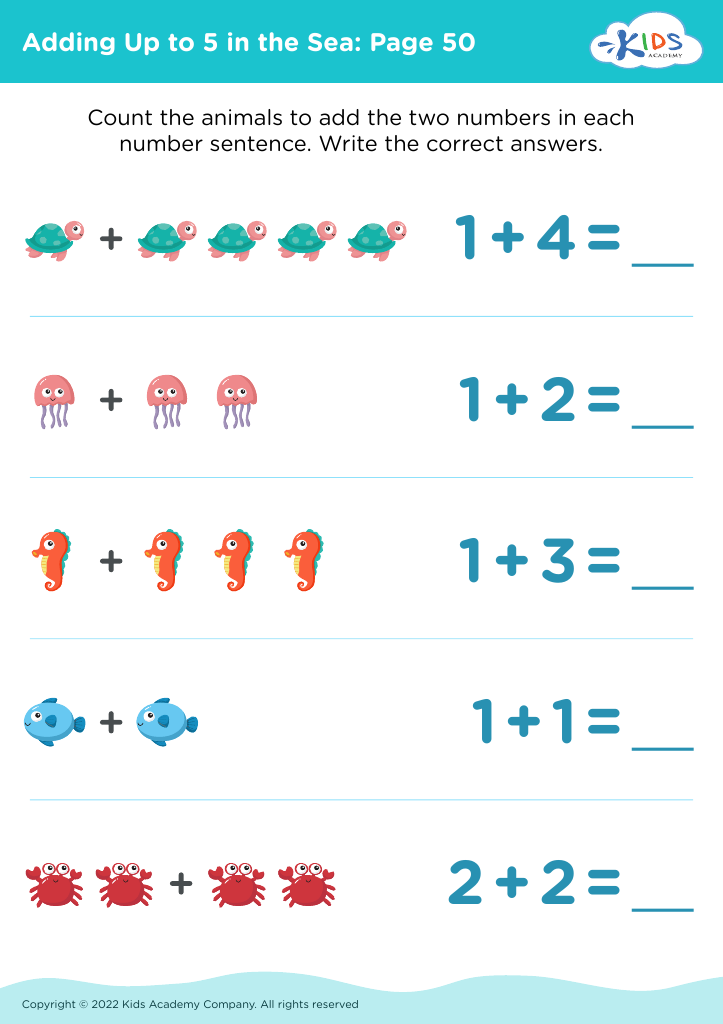
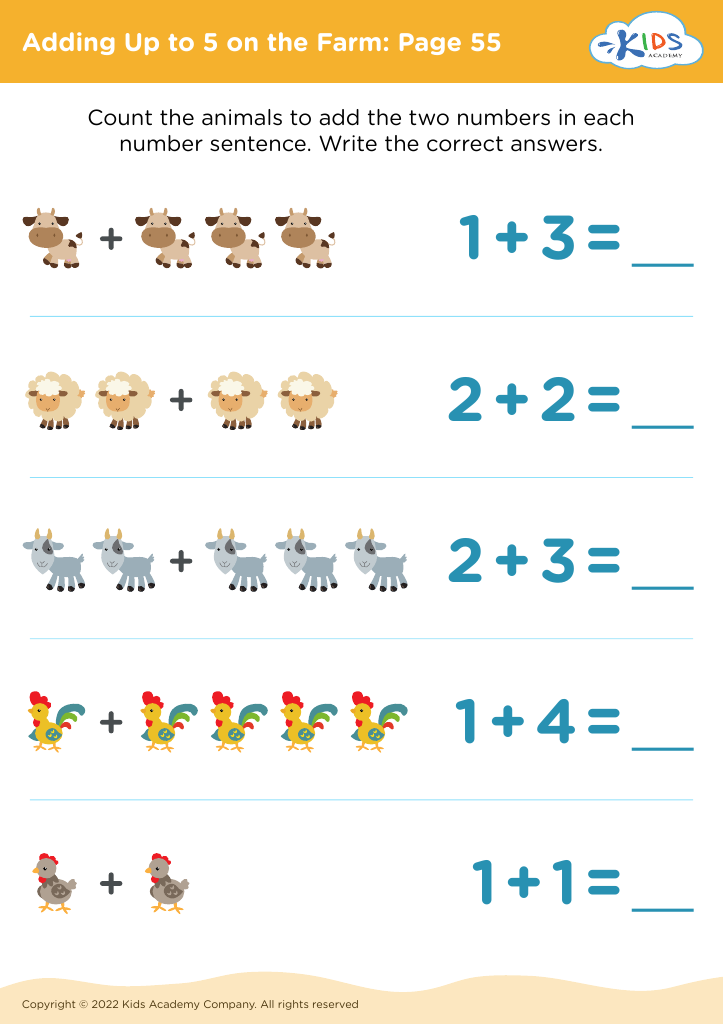
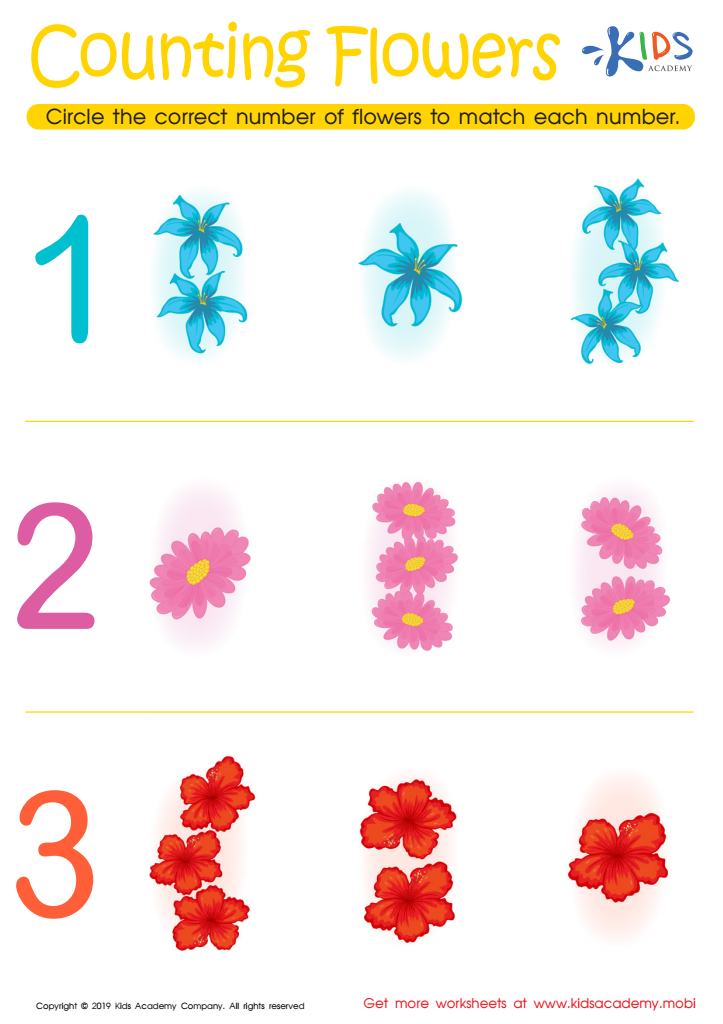
Counting Flowers Worksheet
 Assign to My Students
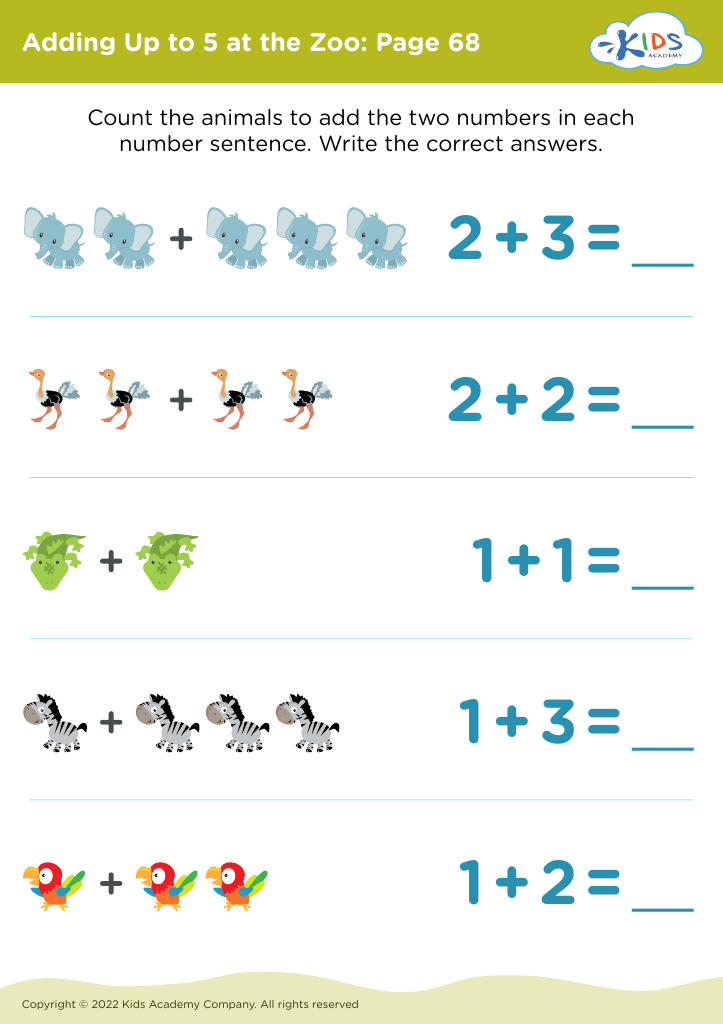
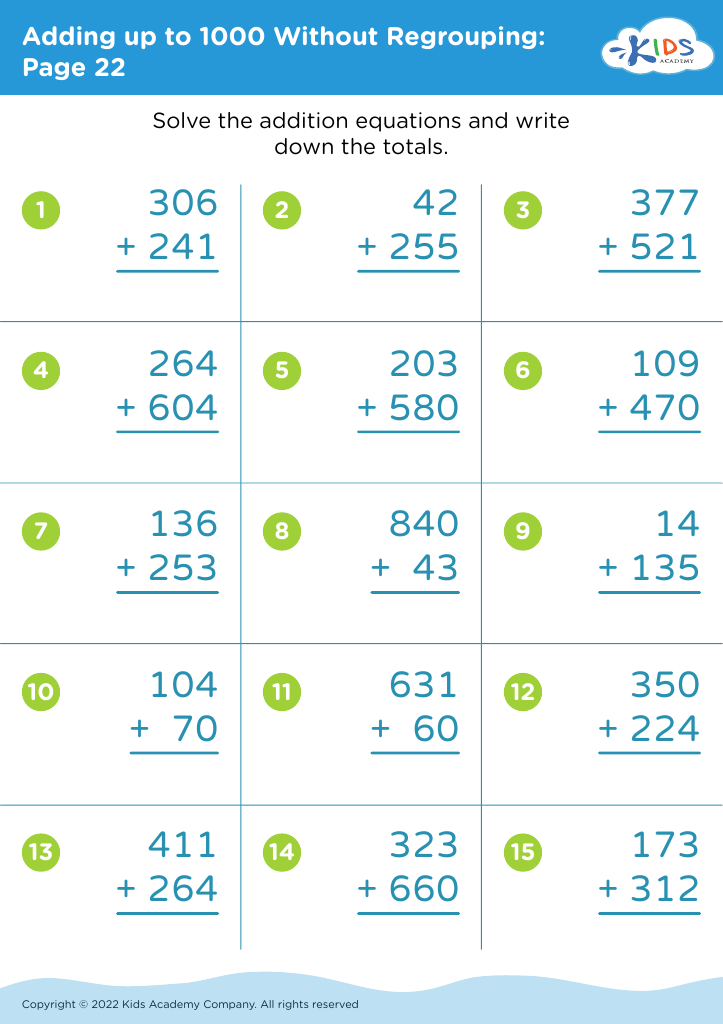
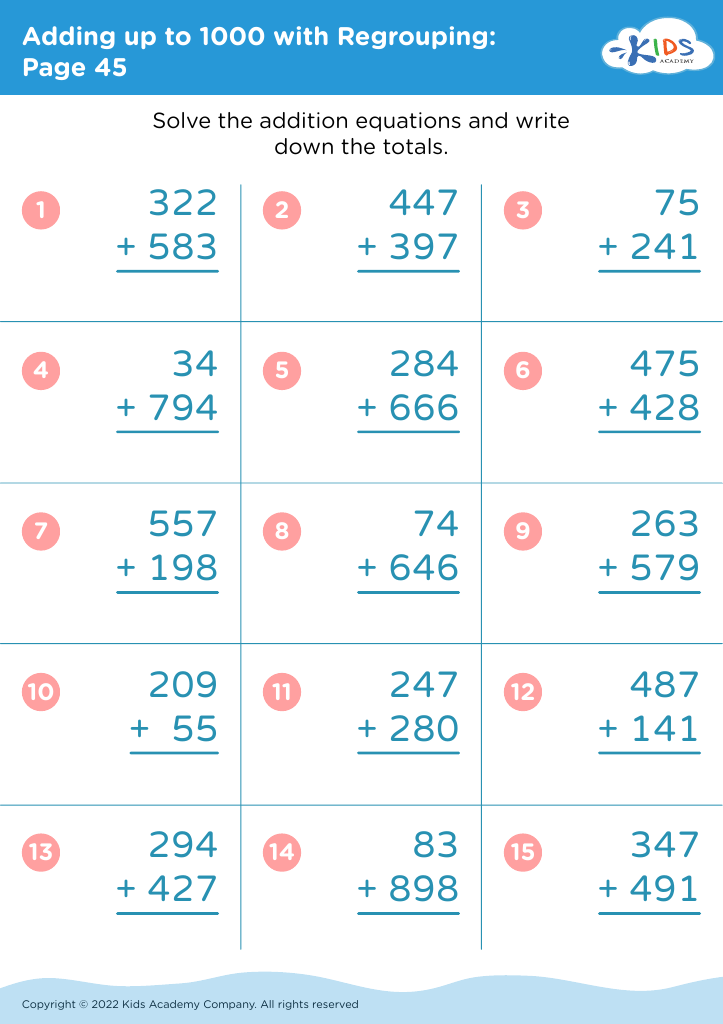
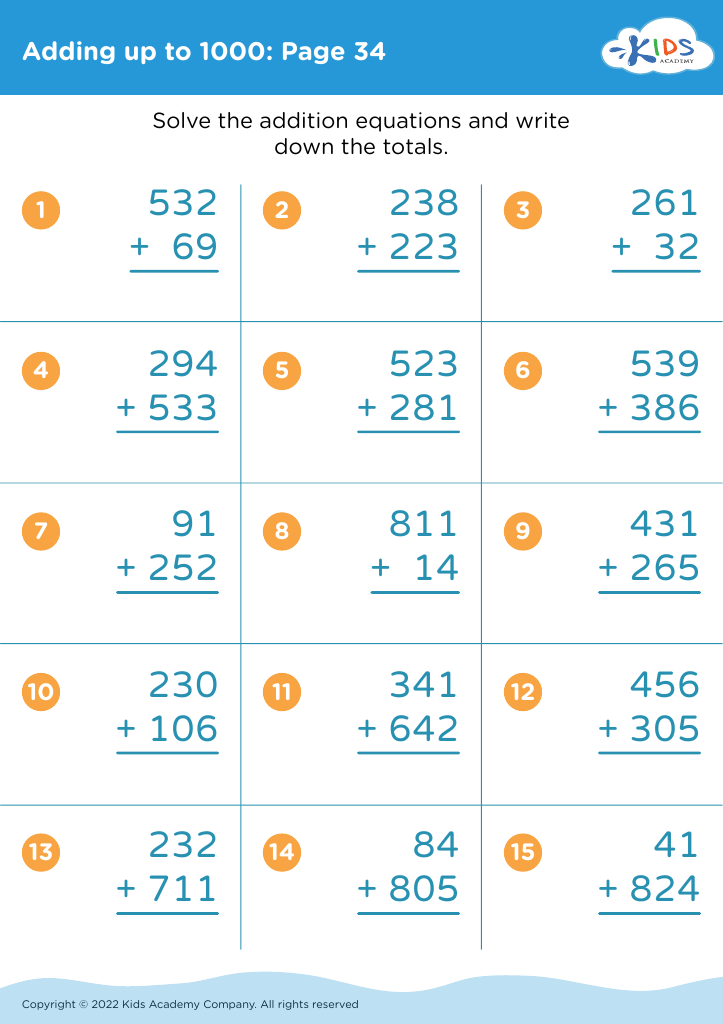
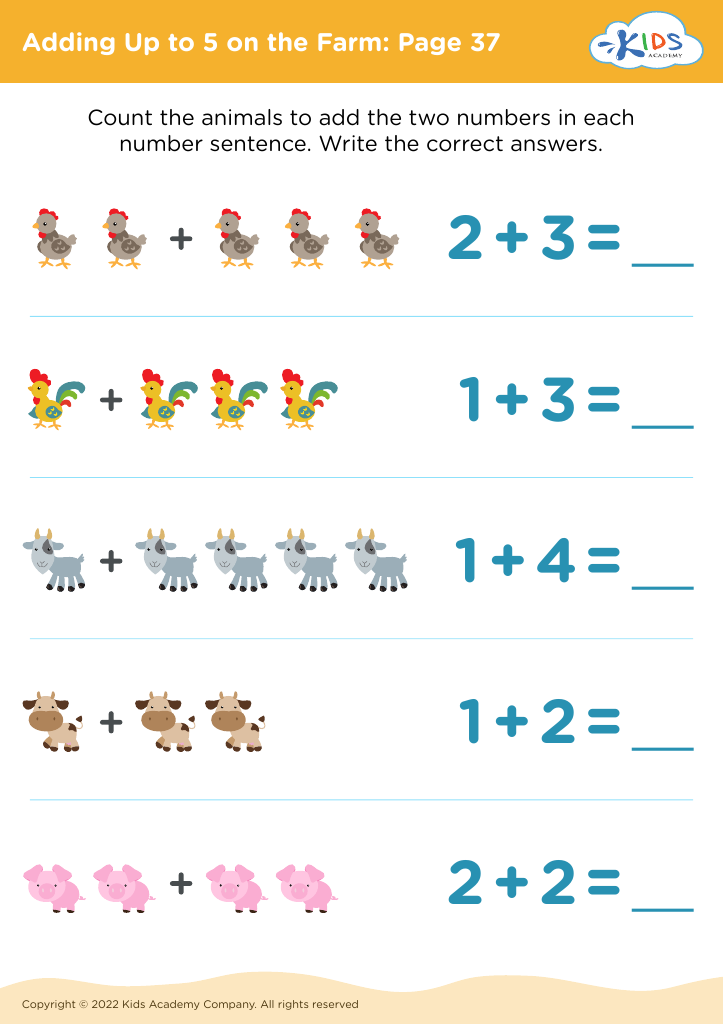
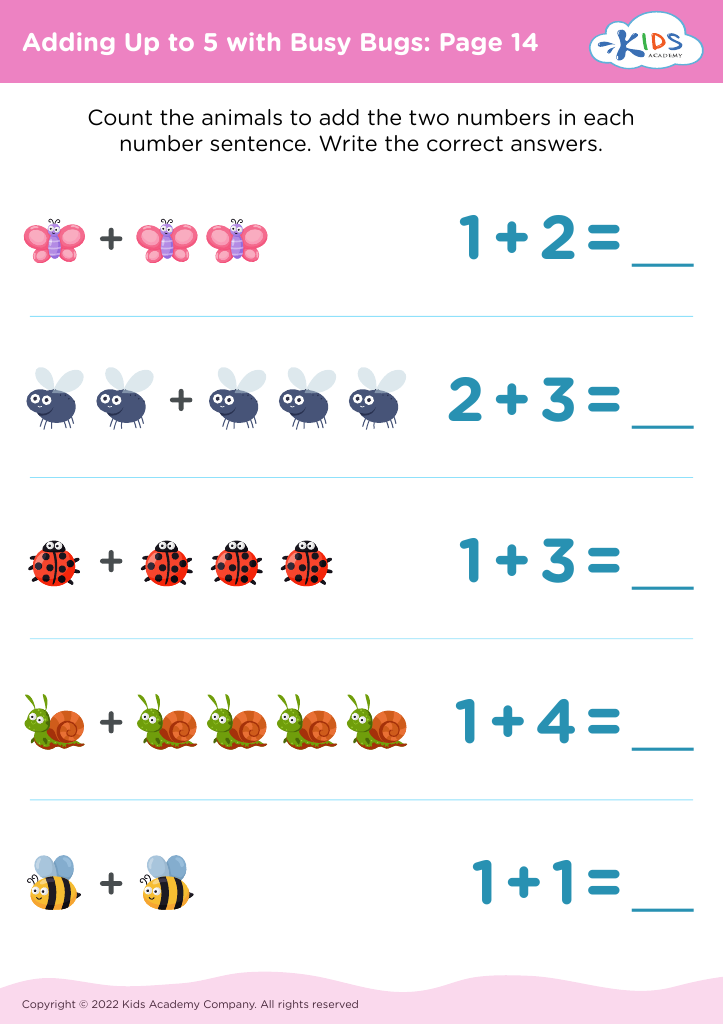
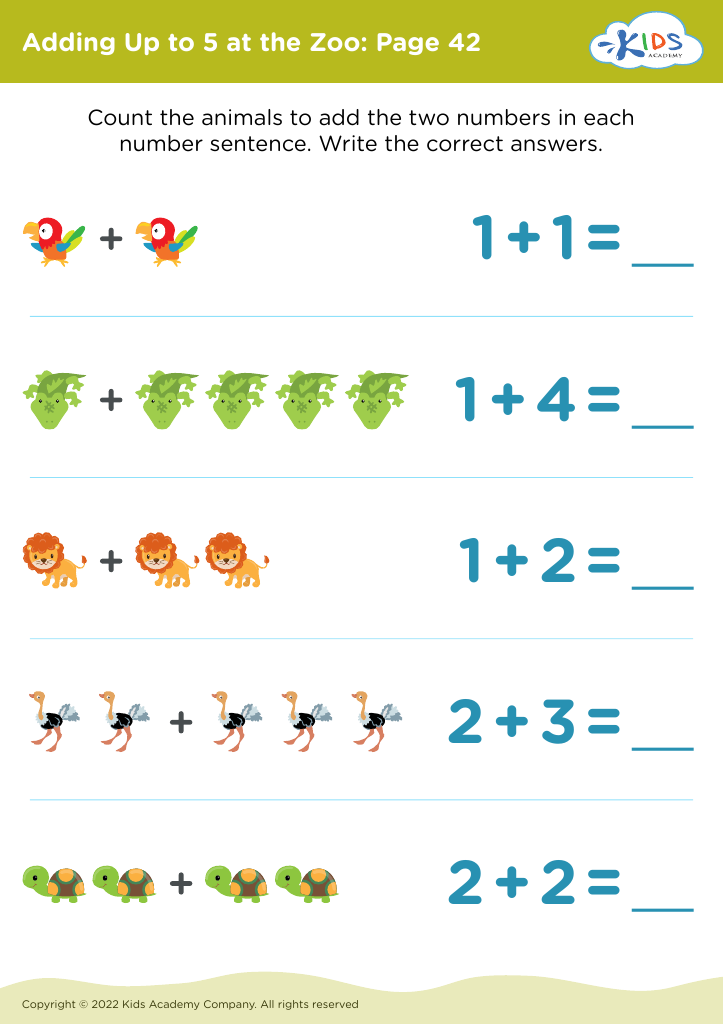
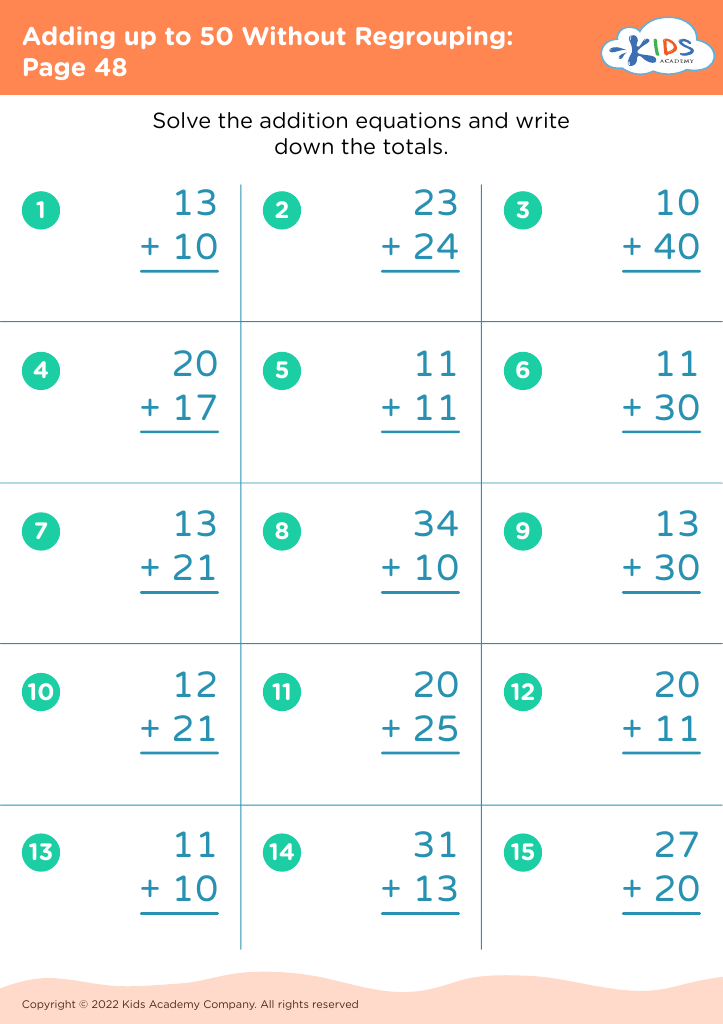
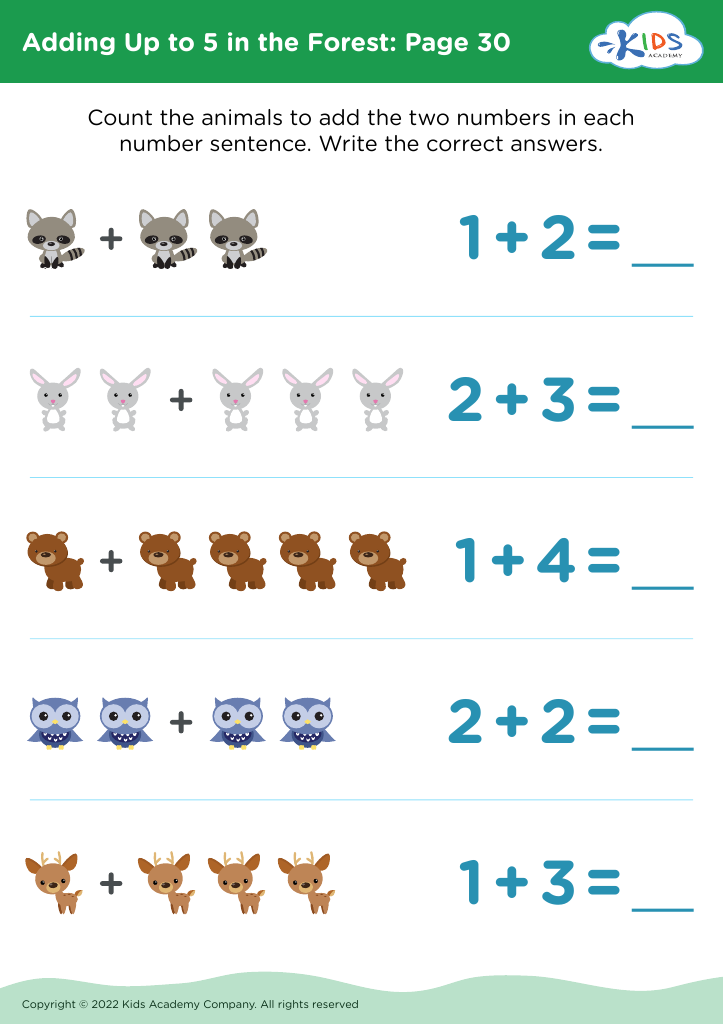
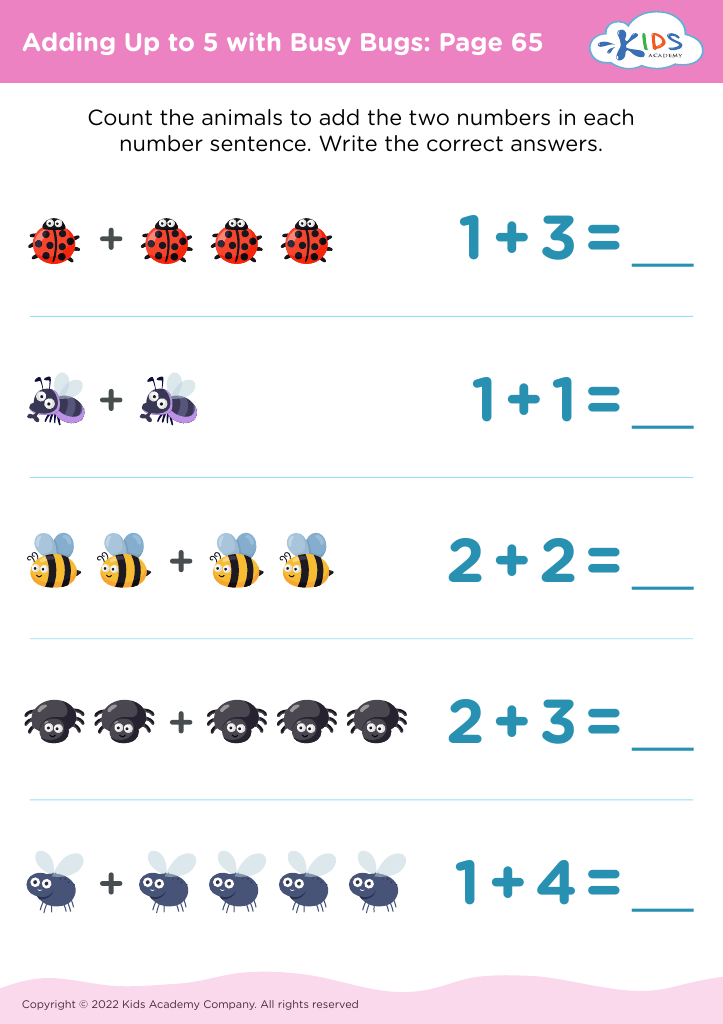
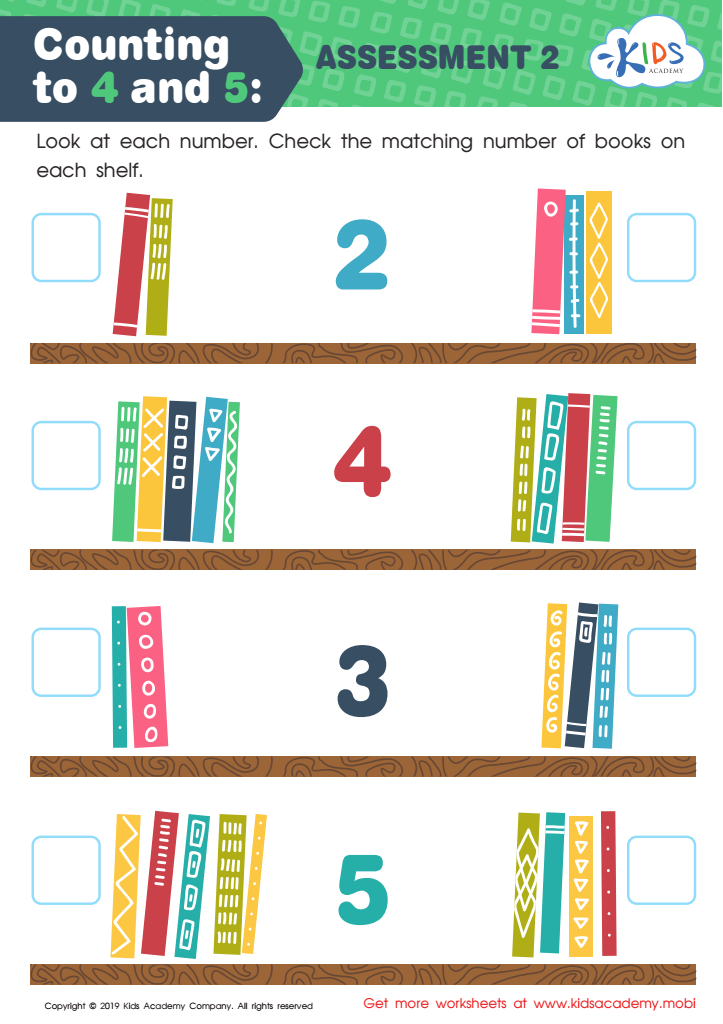
Counting to 4 and 5: Assessment 2 Worksheet








Fine motor skills, particularly in writing and math, play a crucial role in a child's overall development and academic success. Parents and teachers should care about these skills for several reasons.
Firstly, fine motor skills are essential for everyday tasks, from holding a pencil to manipulating scissors or buttons. Proficiency in these skills fosters independence, allowing children to embrace daily challenges with confidence.
In the context of writing, strong fine motor skills enable children to express their thoughts clearly and creatively on paper. As they improve their handwriting, their ability to communicate effectively enhances, which is essential for their academic journey.
Additionally, fine motor skills are closely linked to math development. Many mathematical tasks, like drawing shapes, measuring, or even counting using manipulatives, require dexterity. Strong fine motor skills can lead to better accuracy and fluidity in these activities, fostering positive attitudes toward math.
Promoting fine motor skills in early education fosters not only cognitive development but also social-emotional growth, as children experience success and gradual mastery. By supporting these skills, parents and teachers can provide a foundation that encourages children to develop into capable, confident learners in all aspects of life.








