Fine Motor Skills Math Worksheets - Page 9
211 filtered results
-
From - To
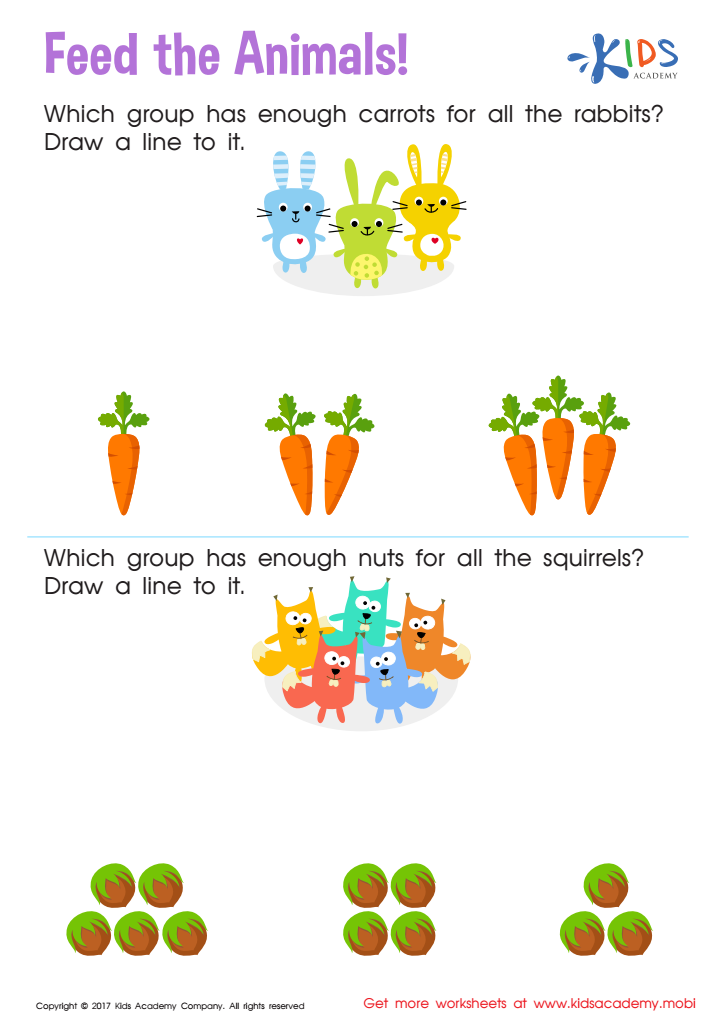
Count and Match: Feed the Animals Worksheet
 Assign to My Students
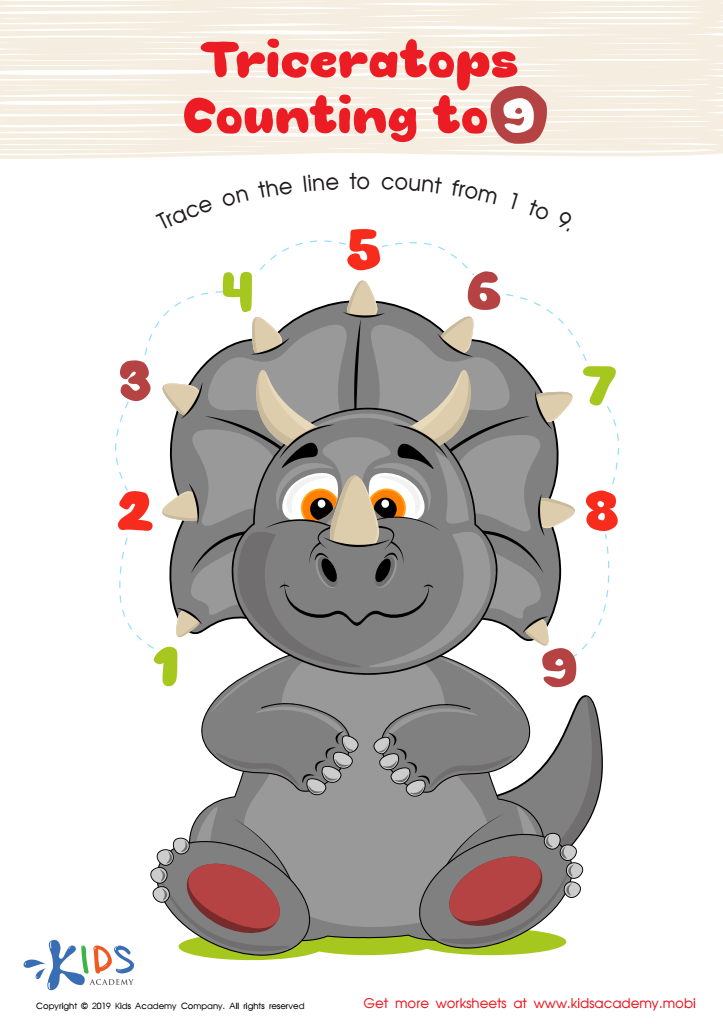
Triceratops Counting to 9 Worksheet
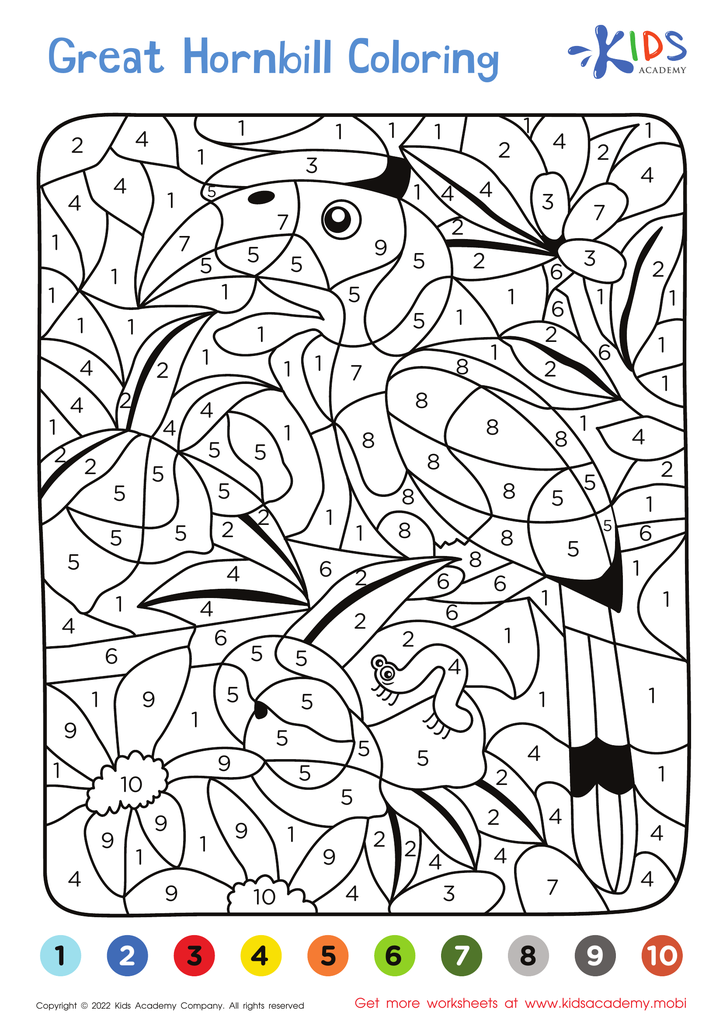
Great Hornbill – Coloring by Numbers

Counting on the City Skyline: Dot-to-Dot Worksheet
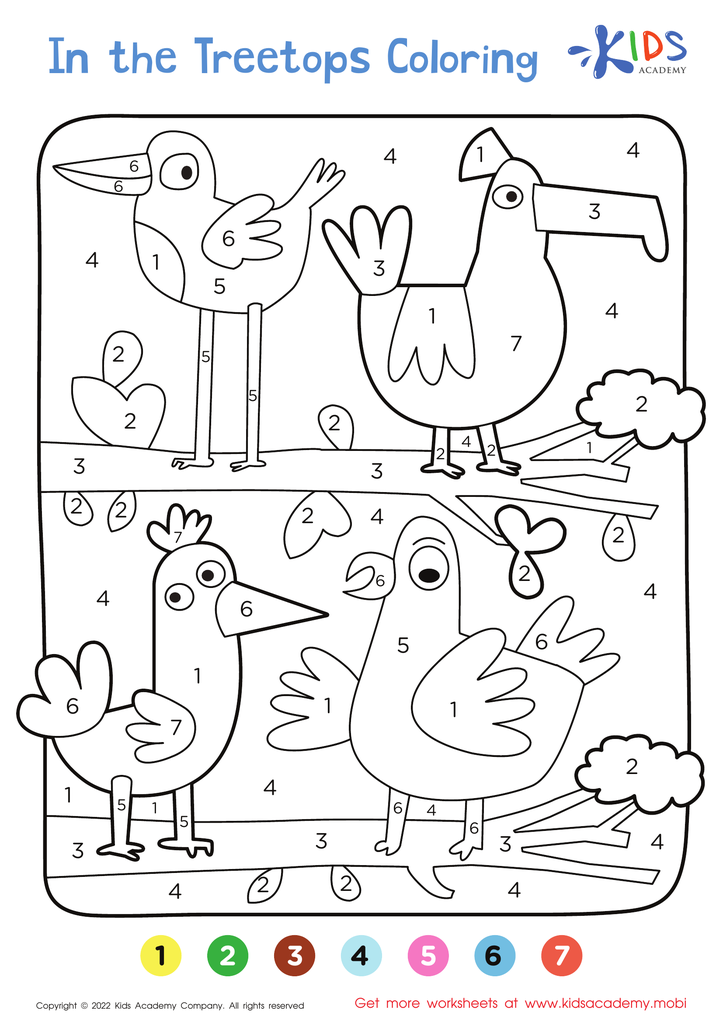
In the Treetops – Coloring Page
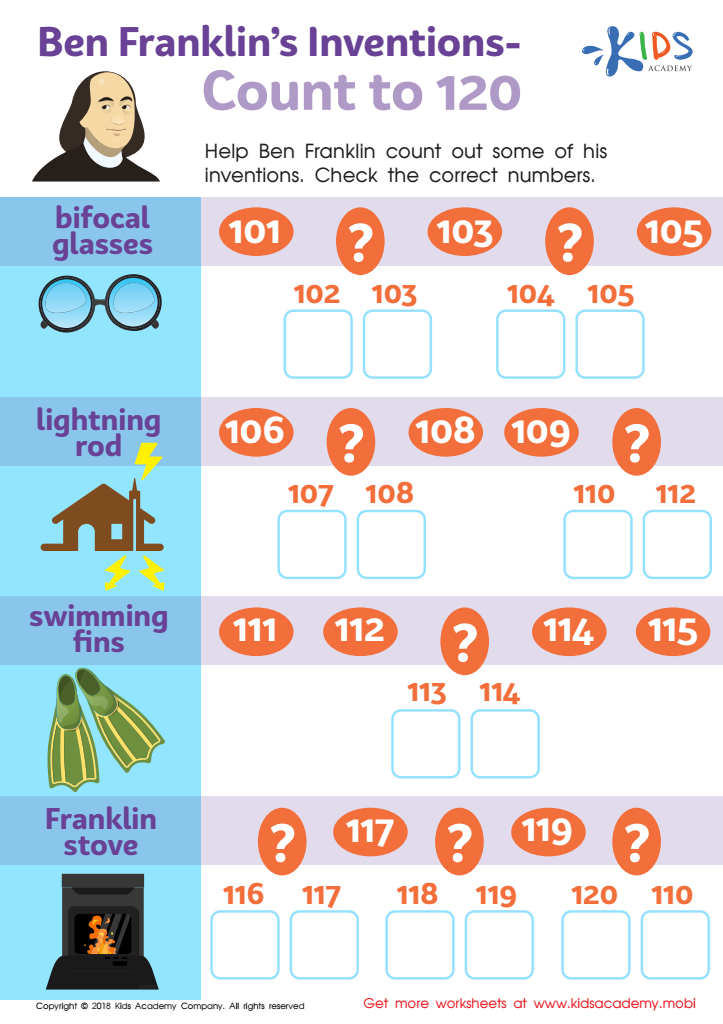
Ben Franklin’s Inventions – Count to 120 Worksheet
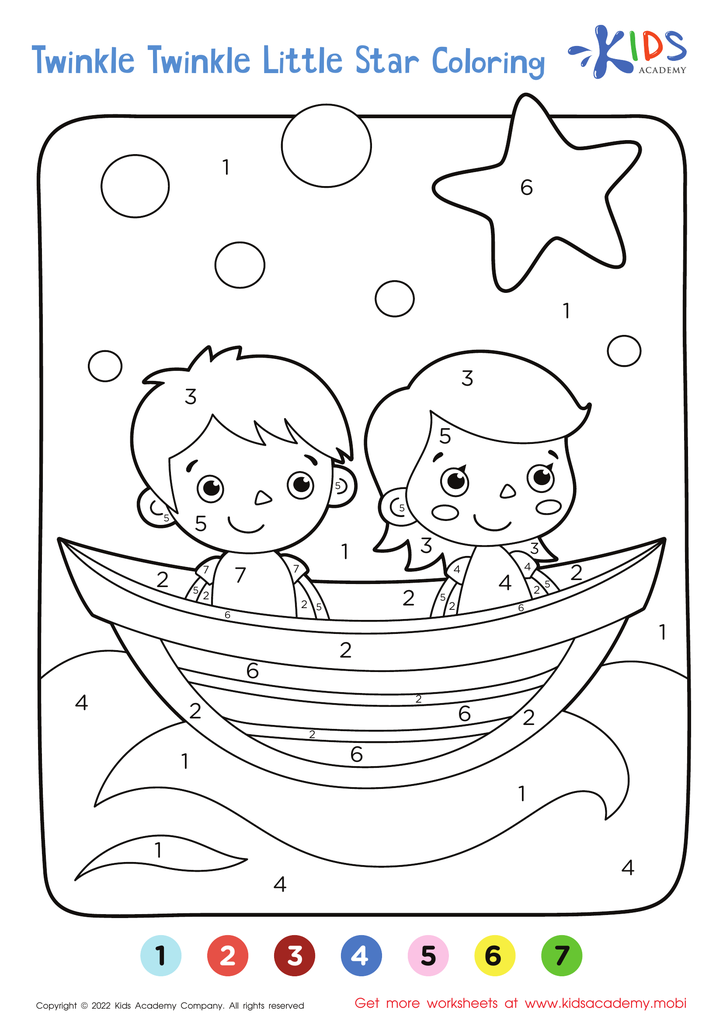
Twinkle, Twinkle, Little Star – Coloring by Numbers
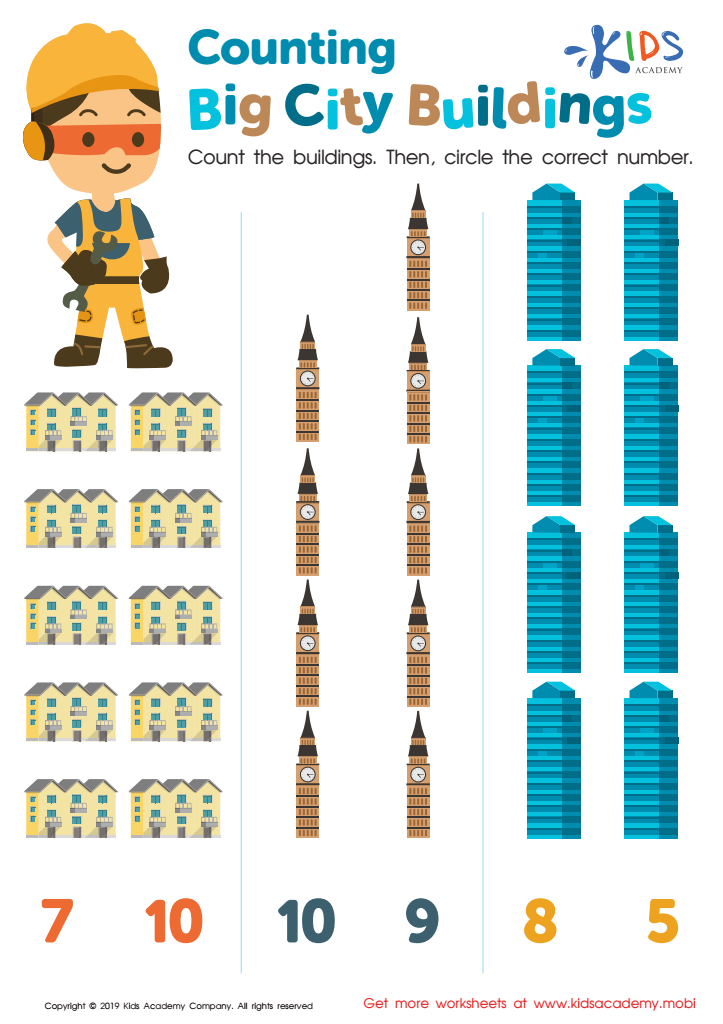
Counting Big City Buildings Worksheet
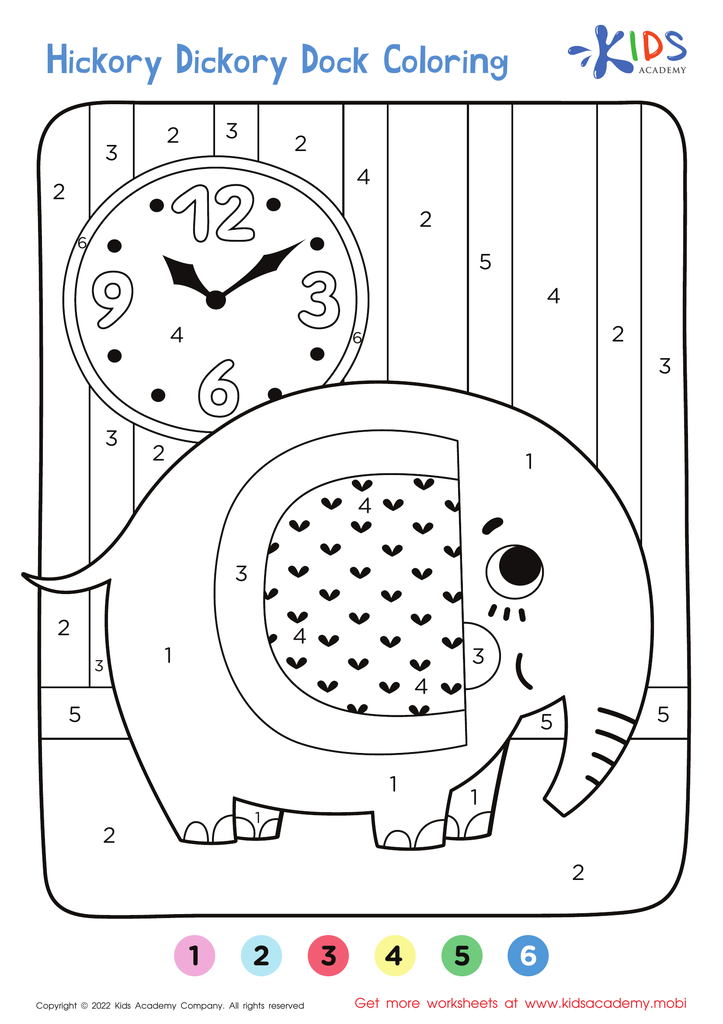
Hickory Dickory Dock – Coloring by Numbers
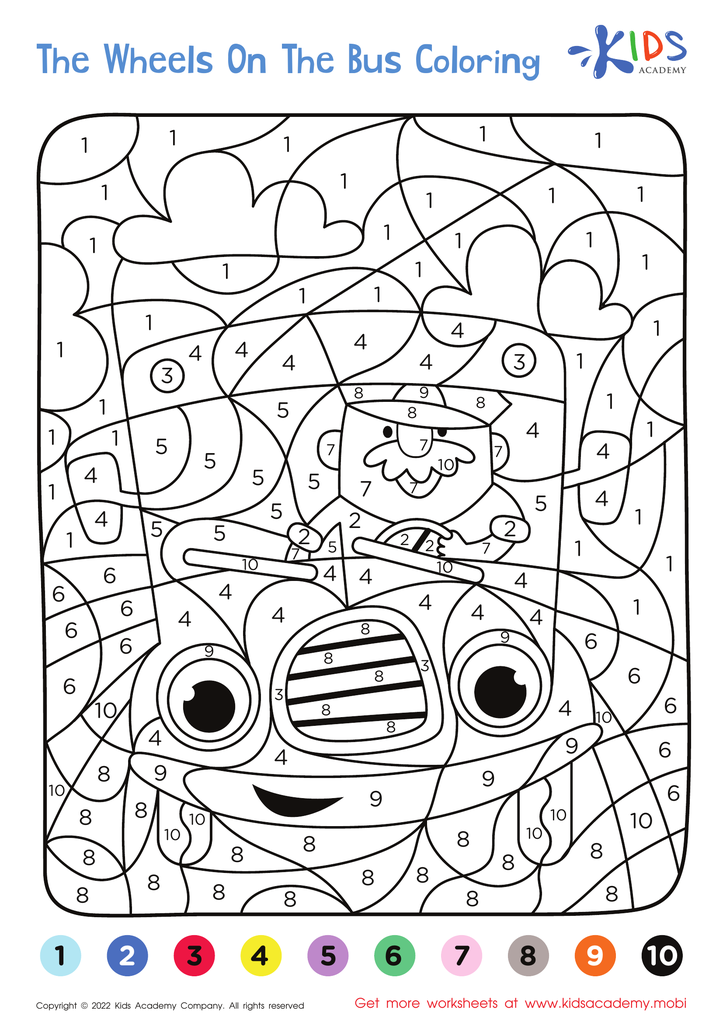
Wheels on the Bus – Coloring by Numbers
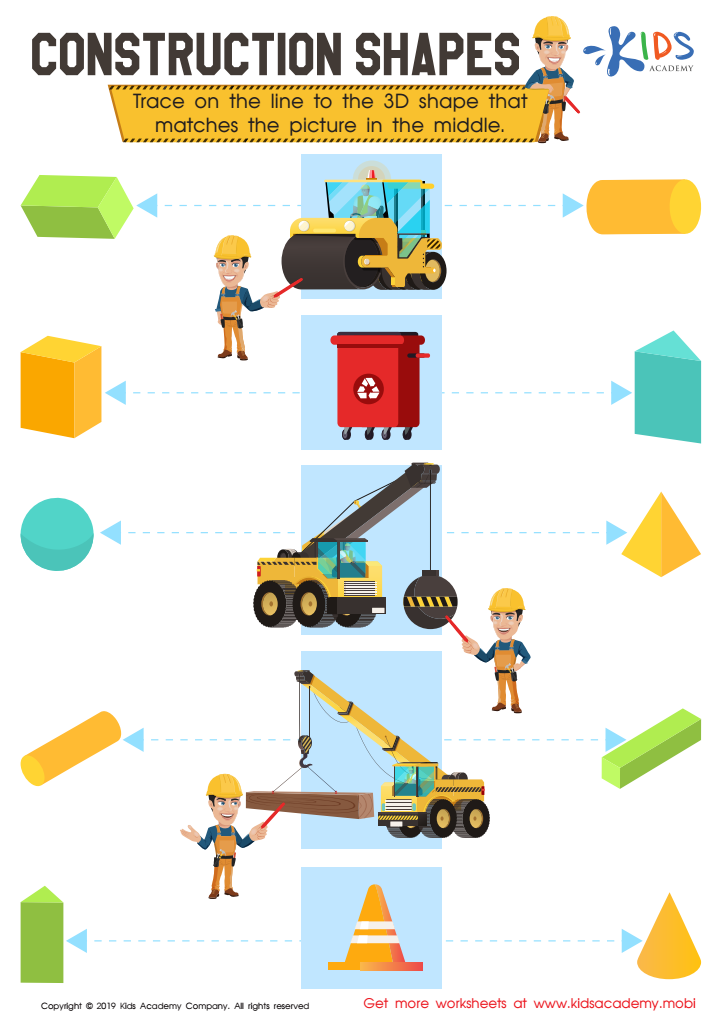
Construction Shapes Worksheet

Night Sky Numbers Worksheet
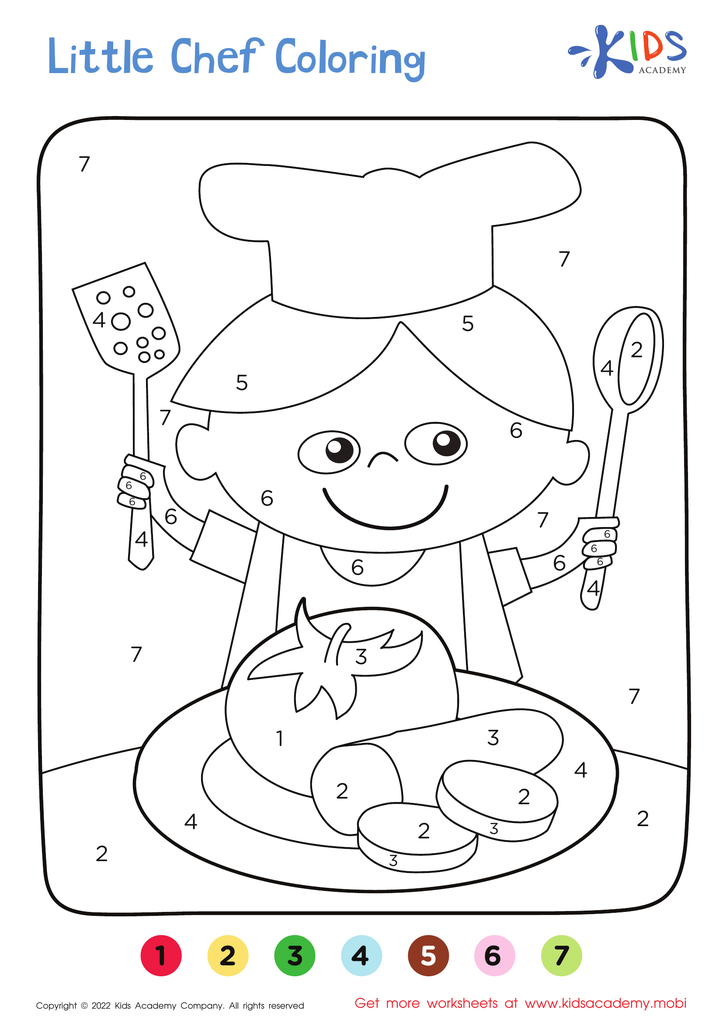
Little Chef – Coloring by Numbers
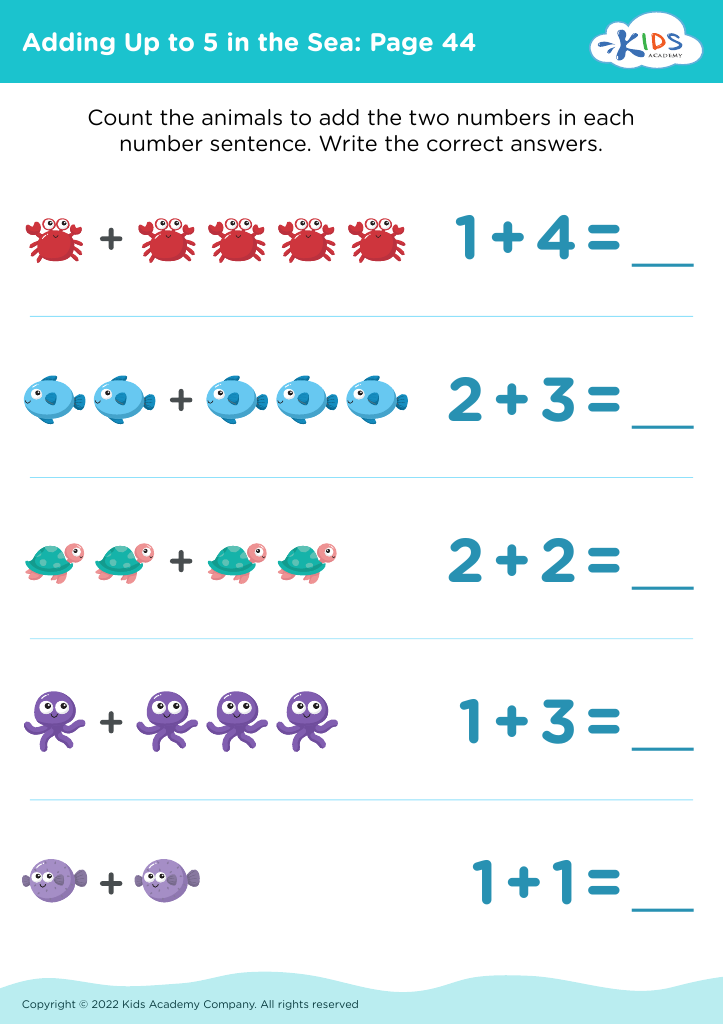
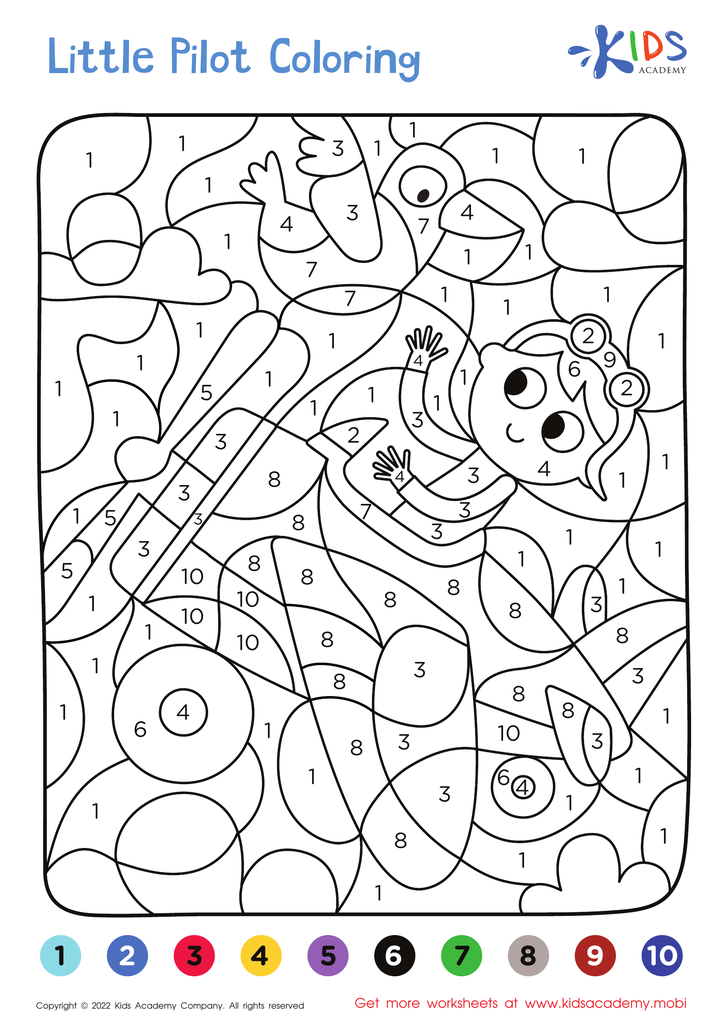
Little Pilot – Coloring by Numbers
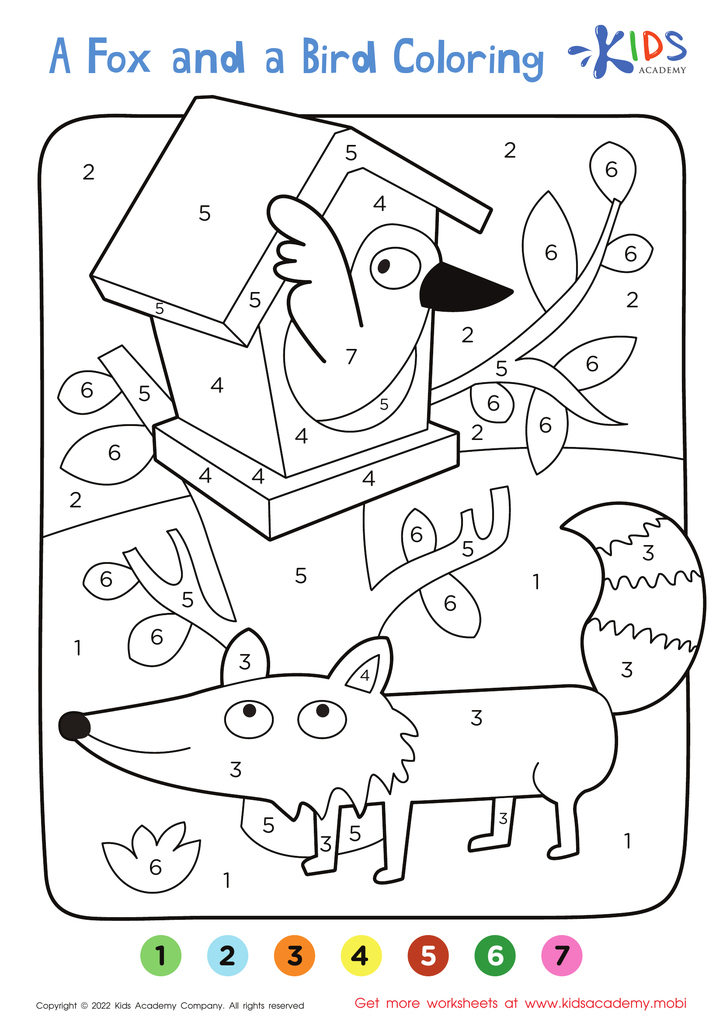
A Fox and a Bird – Coloring by Numbers
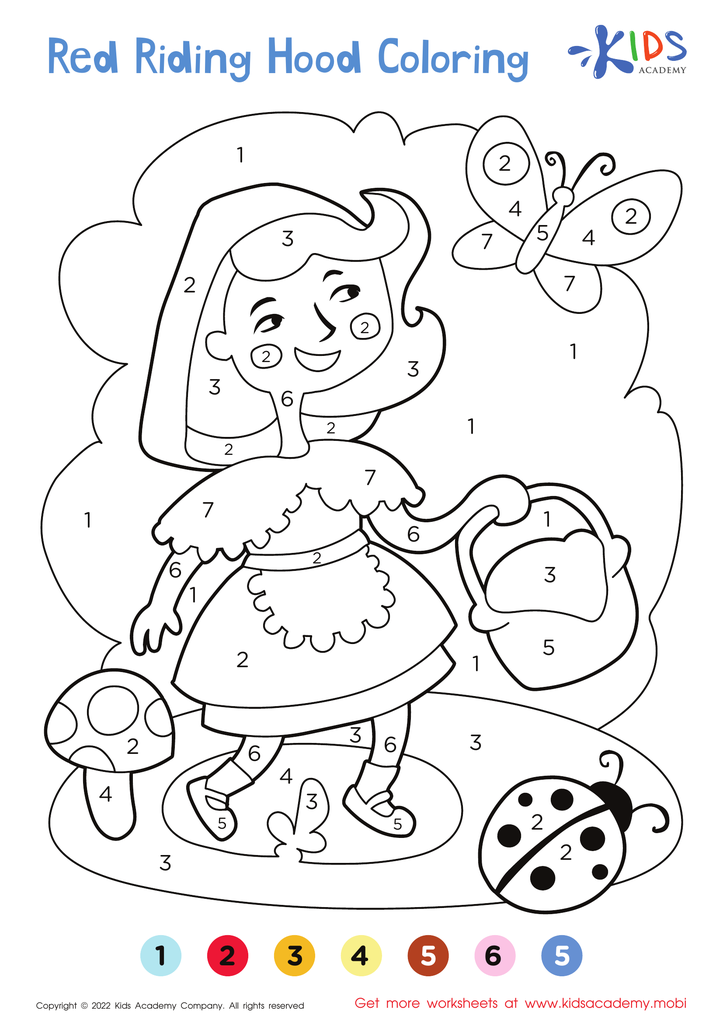
Little Red Riding Hood – Coloring by Numbers
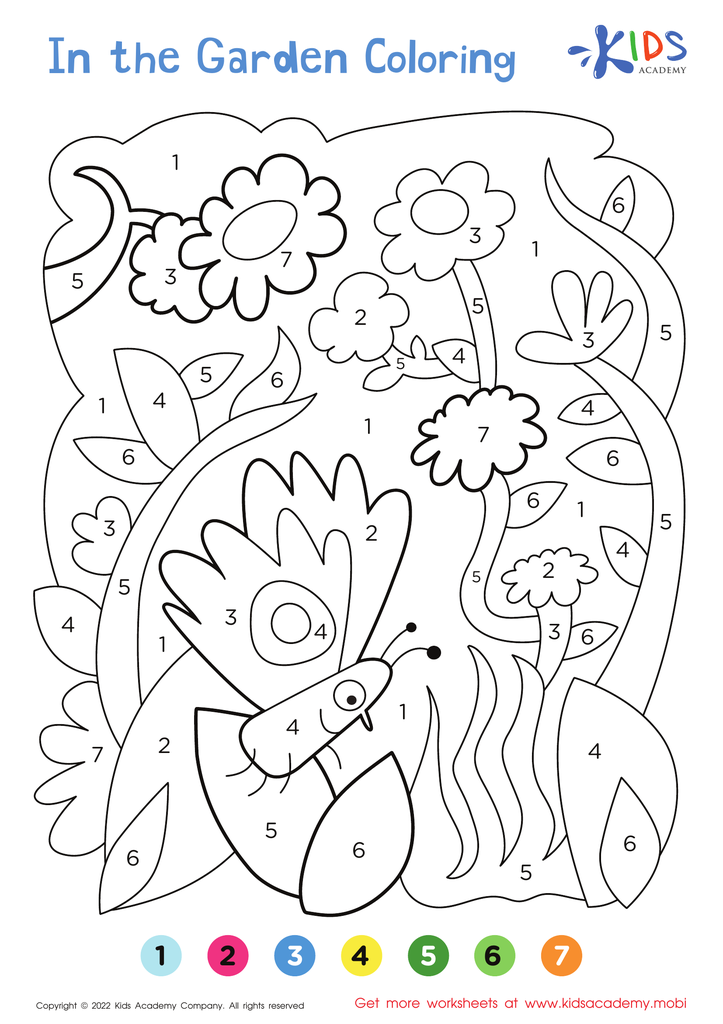
In the Garden – Coloring by Numbers







Fine motor skills are crucial for young children's overall development, influencing their ability to perform various tasks that are essential for learning, including mathematics. These skills involve the coordination of small muscles, particularly in the hands and fingers. For teachers and parents, fostering fine motor skills through math activities can significantly enhance a child's learning experience.
When children engage in tasks that require precision, such as counting with small manipulatives or sorting shapes, they develop hand-eye coordination, finger dexterity, and grip strength. These abilities not only support mathematical concepts but also lay the foundation for tasks such as writing, drawing, and even self-care activities.
Furthermore, incorporating fine motor skills into math reinforces critical cognitive skills like problem-solving, spatial awareness, and hand-eye coordination. Engaging activities, like using scissors to create geometric shapes or assembling puzzles, enhance these skills while making learning enjoyable.
Understanding the link between fine motor development and math proficiency empowers parents and teachers to create more effective, engaging learning environments. When children master fine motor skills, they build confidence and competence, which can lead to greater success in both academic endeavors and everyday tasks.








