Check out this FREE Trial Lesson on Math!

T

Favorites
With answer key
Interactive
  • Fraction simplification
  • Math
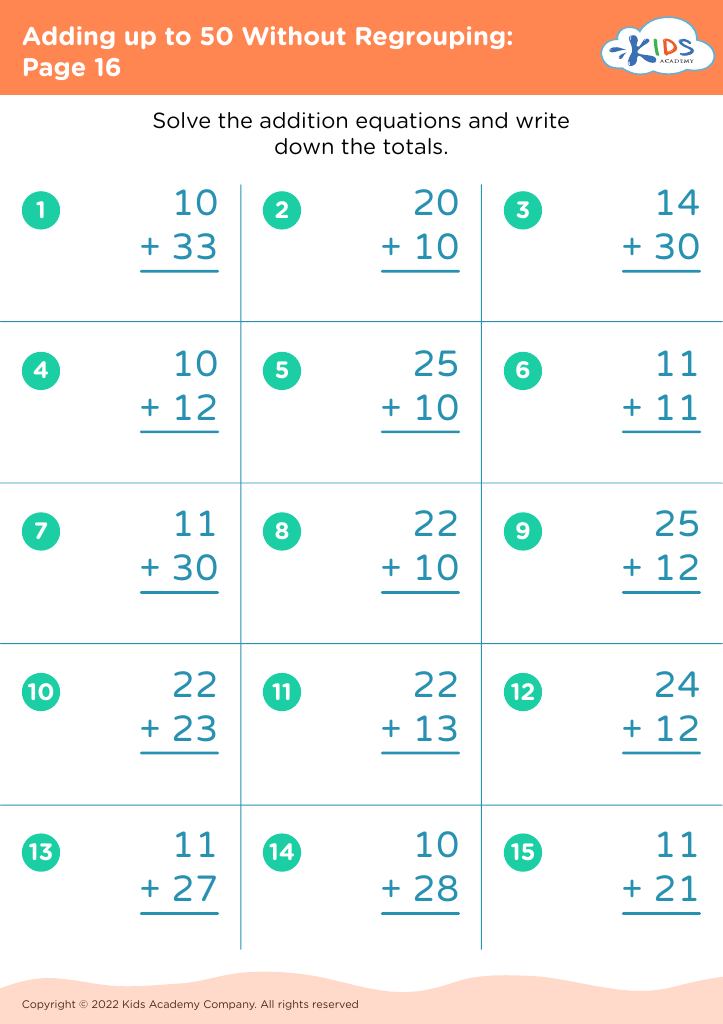
Adding up to 50 Without Regrouping: Page 16
Worksheet
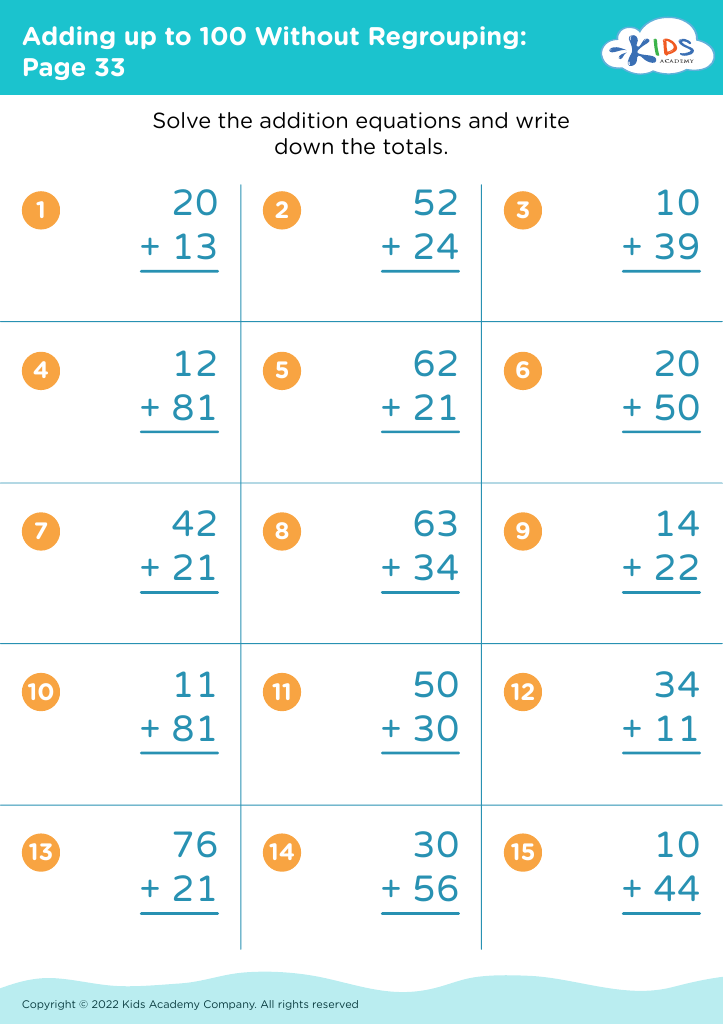
Adding up to 100 Without Regrouping: Page 33
Worksheet
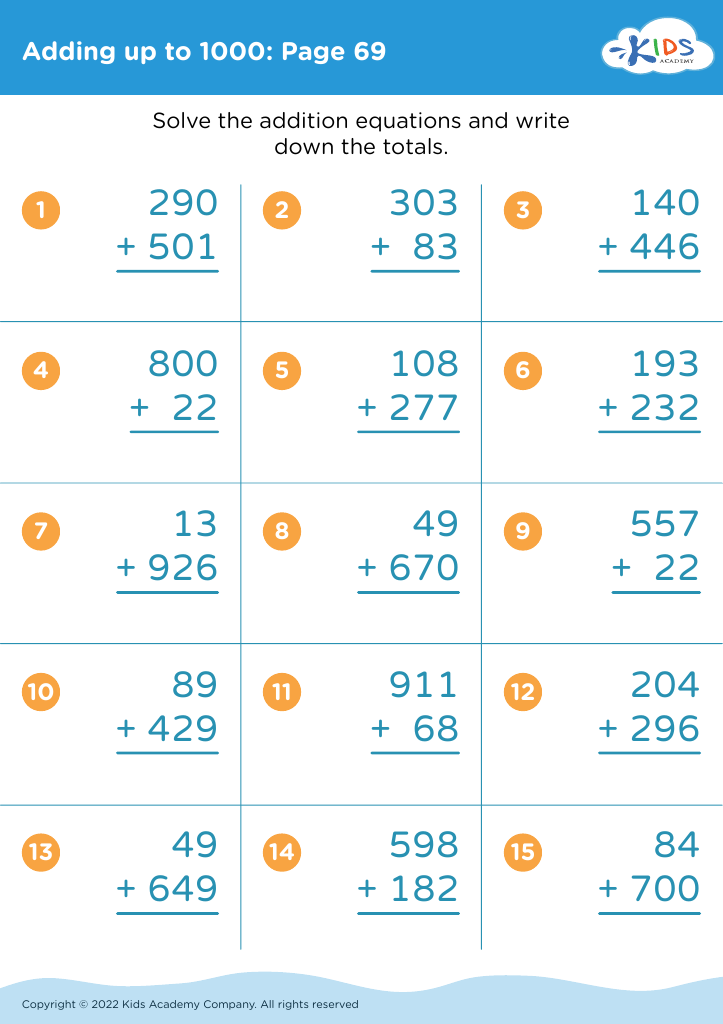
Adding up to 1000: Page 69

Adding up to 1000: Page 69

Adding up to 1000: Page 69
Worksheet
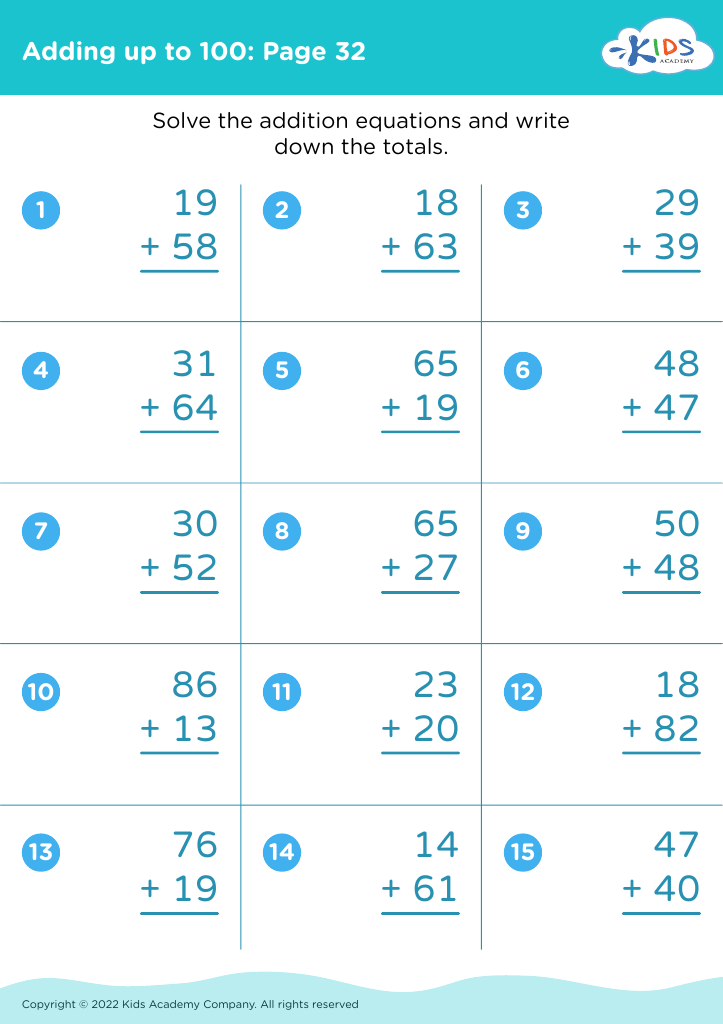
Adding up to 100: Page 32

Adding up to 100: Page 32

Adding up to 100: Page 32
Worksheet
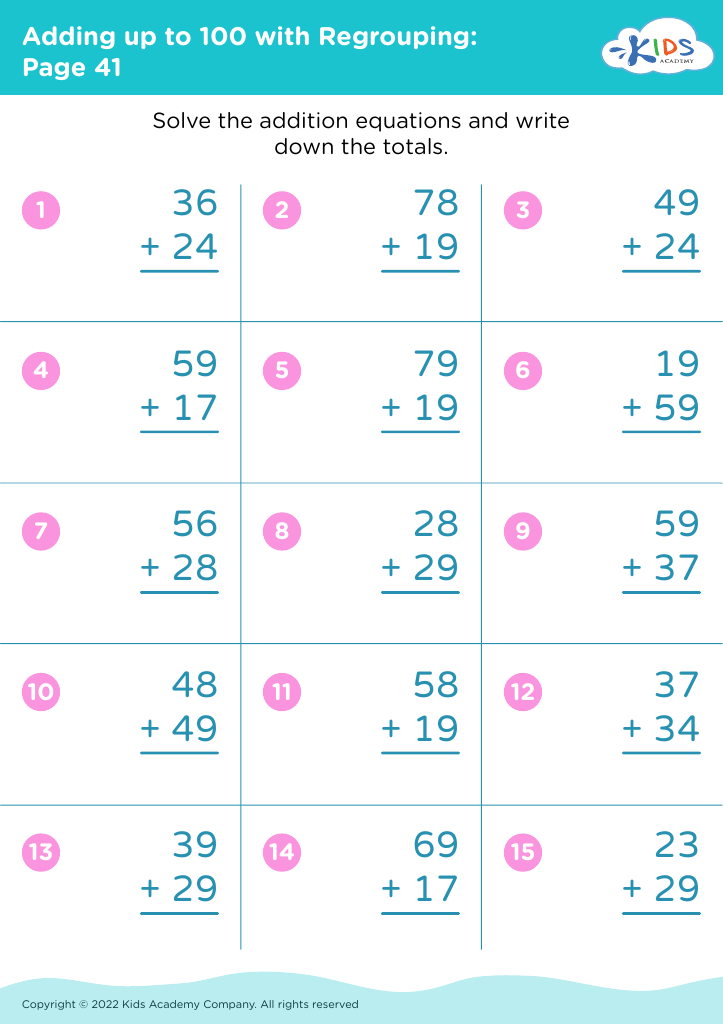
Adding up to 100 with Regrouping: Page 41
Worksheet
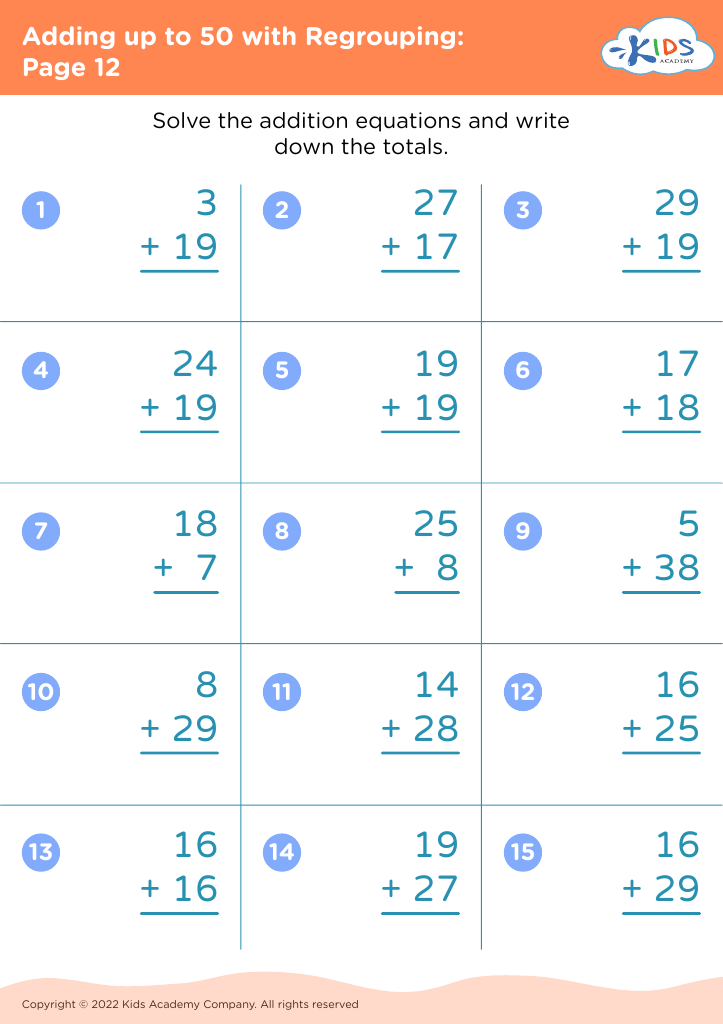
Adding up to 50 with Regrouping: Page 12
Worksheet
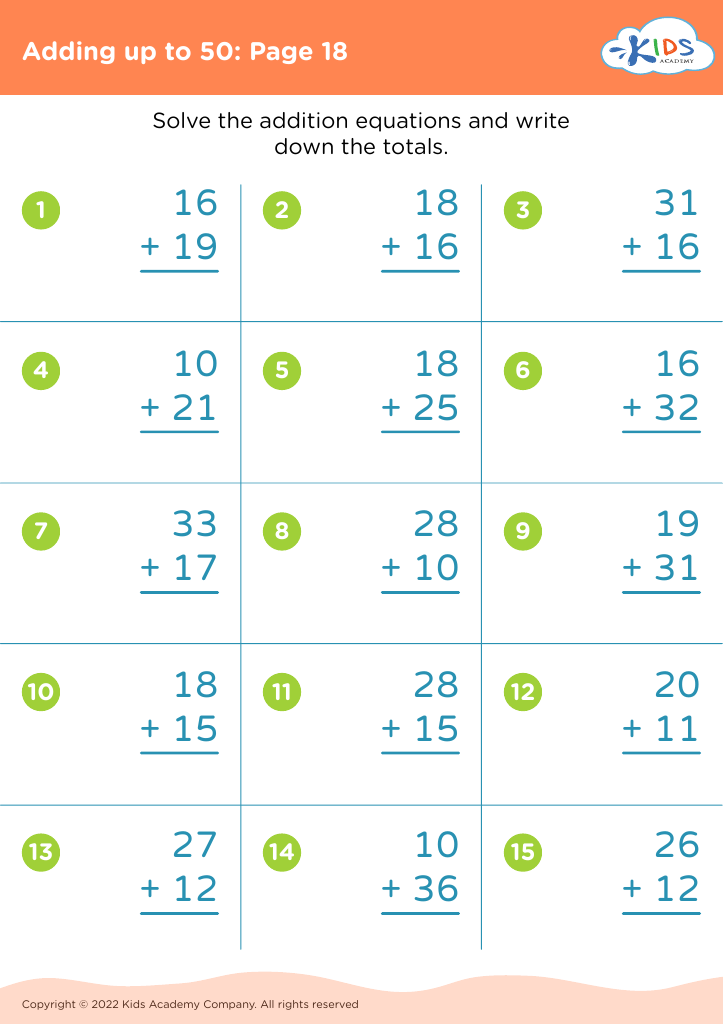
Adding up to 50: Page 18

Adding up to 50: Page 18

Adding up to 50: Page 18
Worksheet
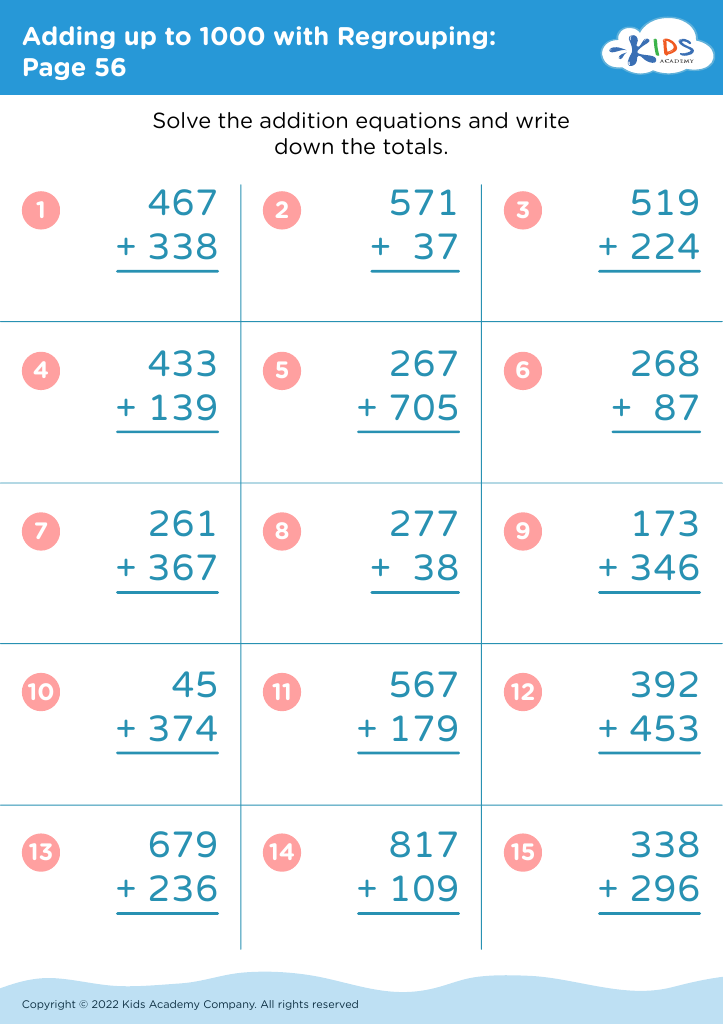
Adding up to 1000 with Regrouping: Page 56
Worksheet
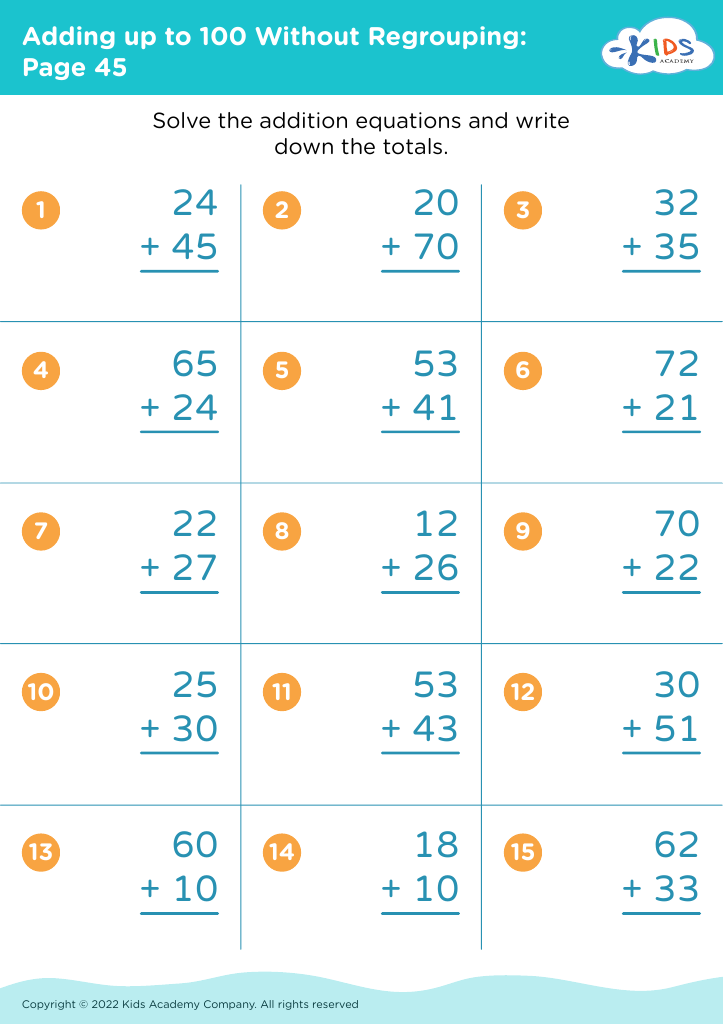
Adding up to 100 Without Regrouping: Page 45
Worksheet
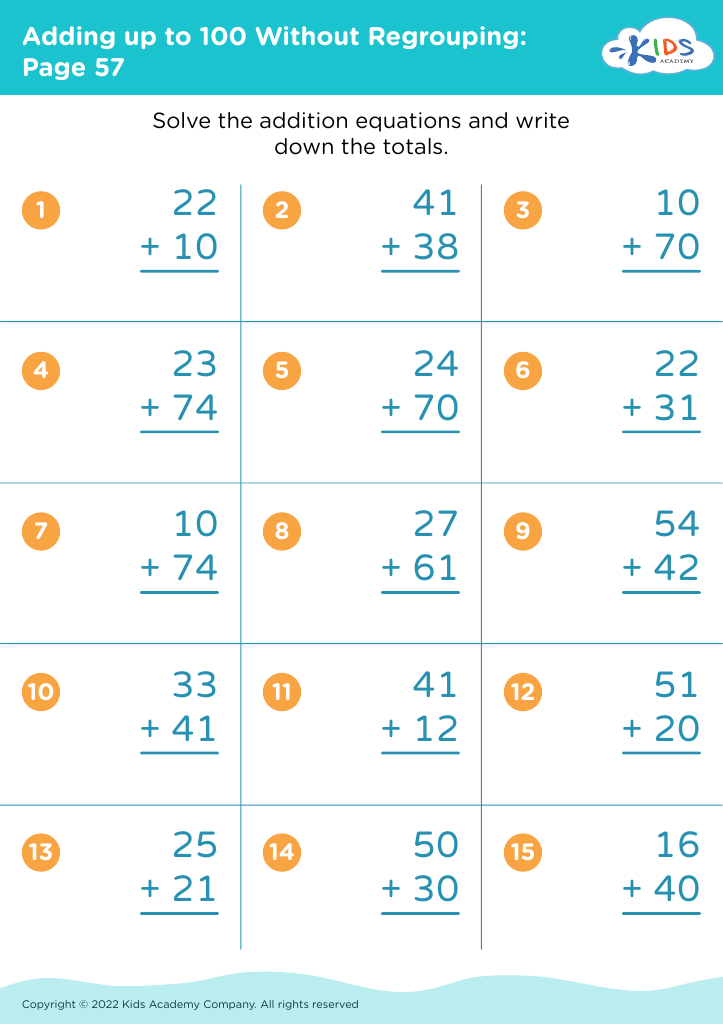
Adding up to 100 Without Regrouping: Page 57
Worksheet
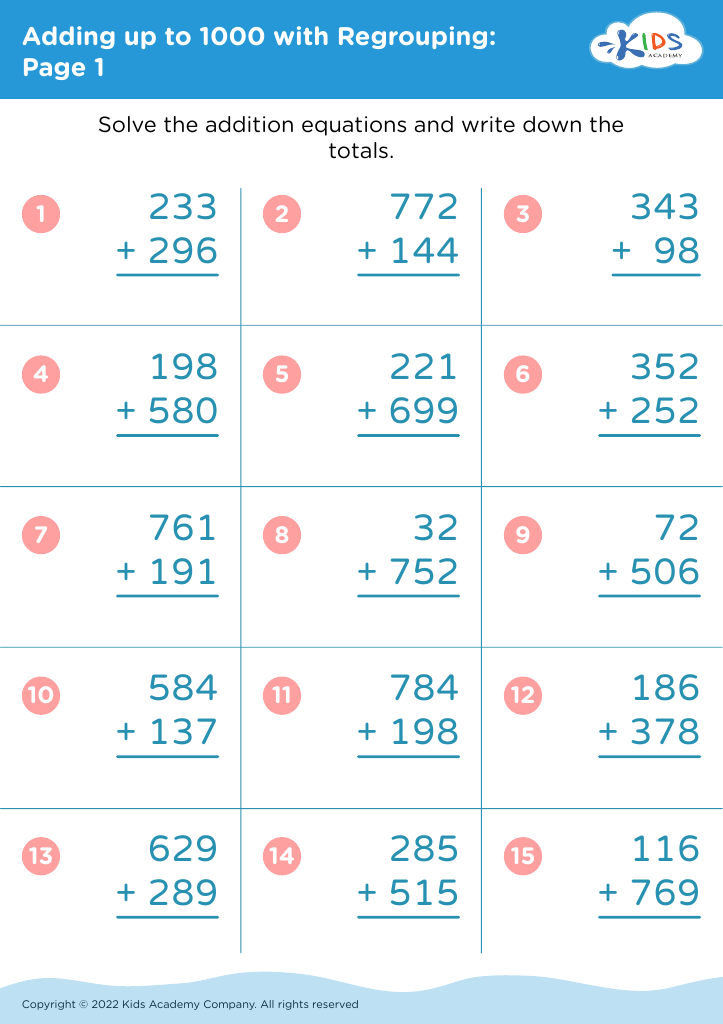
Adding up to 1000 with Regrouping: Page 1
Worksheet
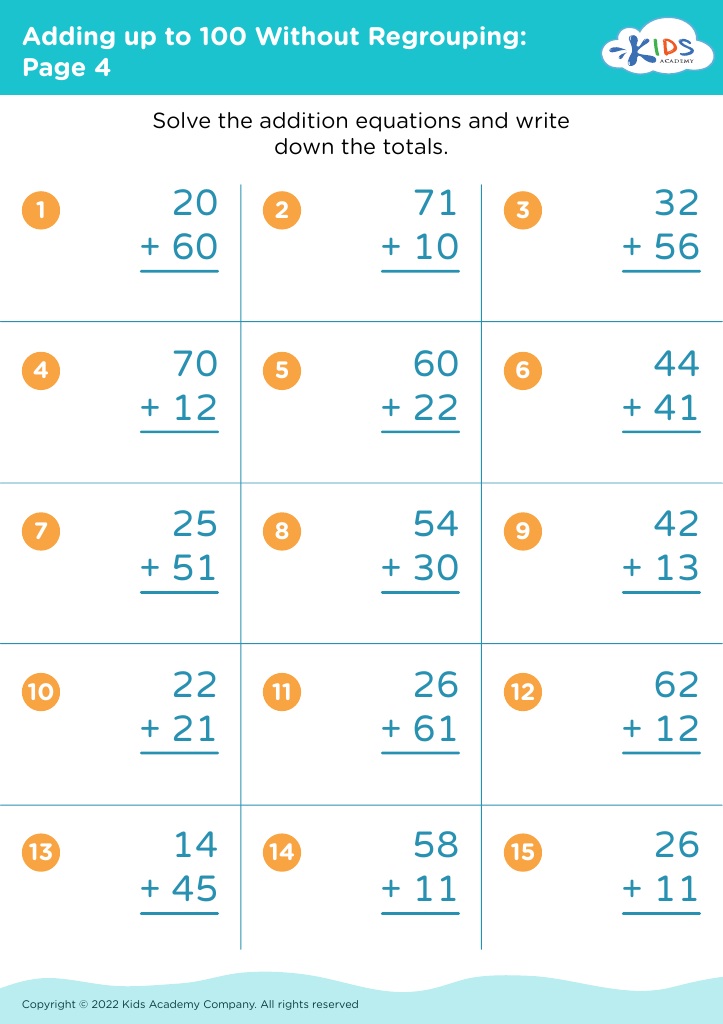
Adding up to 100 Without Regrouping: Page 4
Worksheet
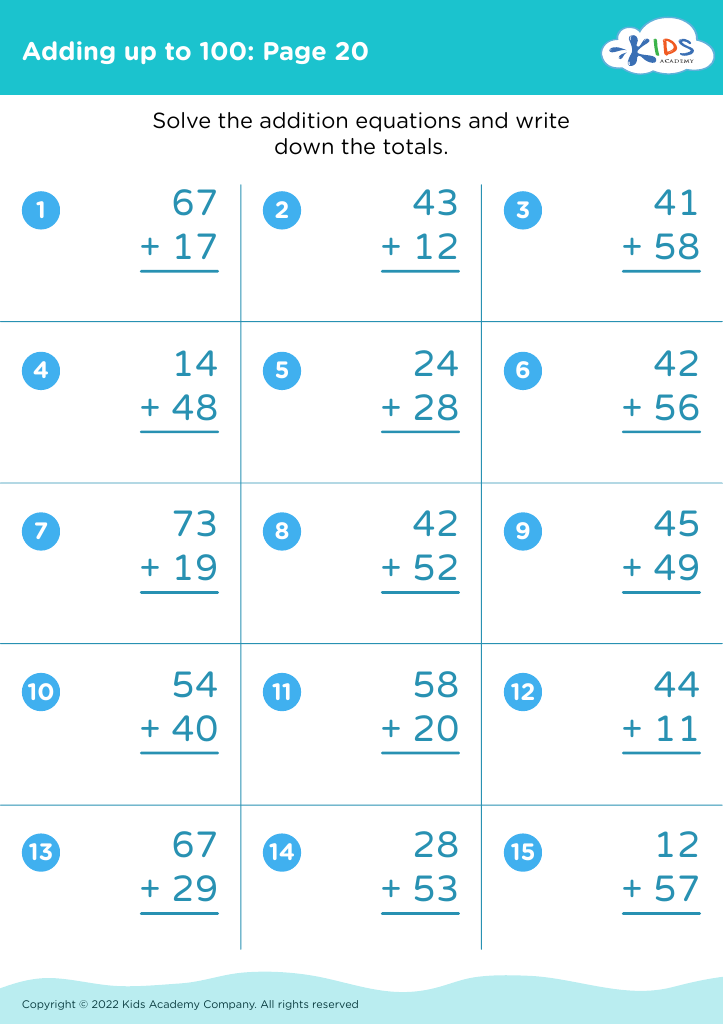
Adding up to 100: Page 20

Adding up to 100: Page 20

Adding up to 100: Page 20
Worksheet
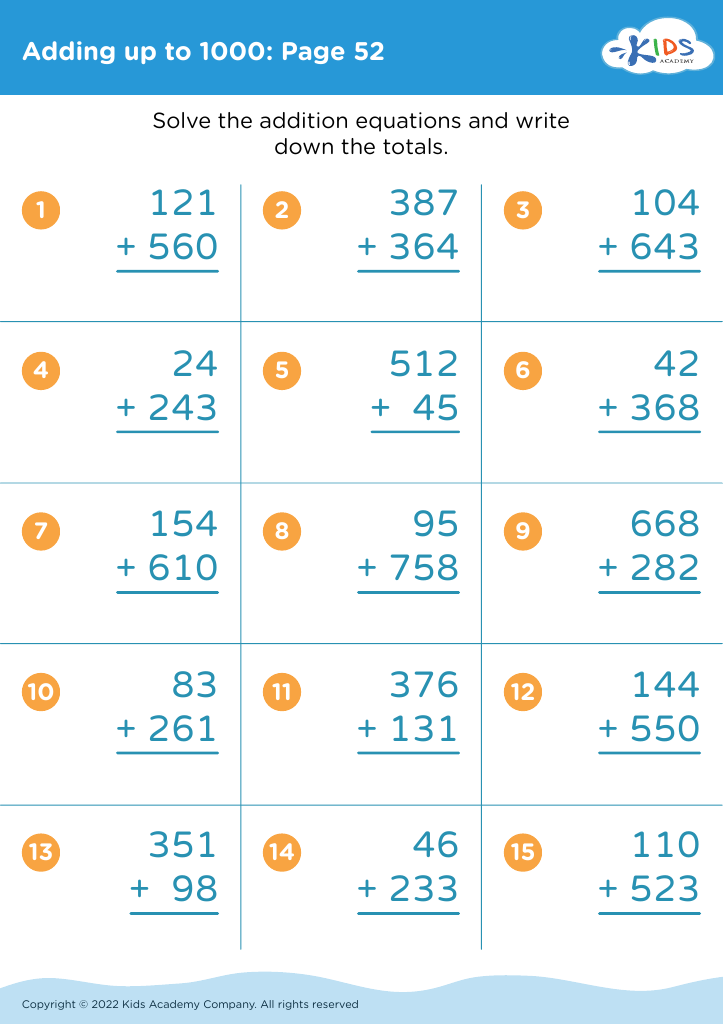
Adding up to 1000: Page 52

Adding up to 1000: Page 52

Adding up to 1000: Page 52
Worksheet
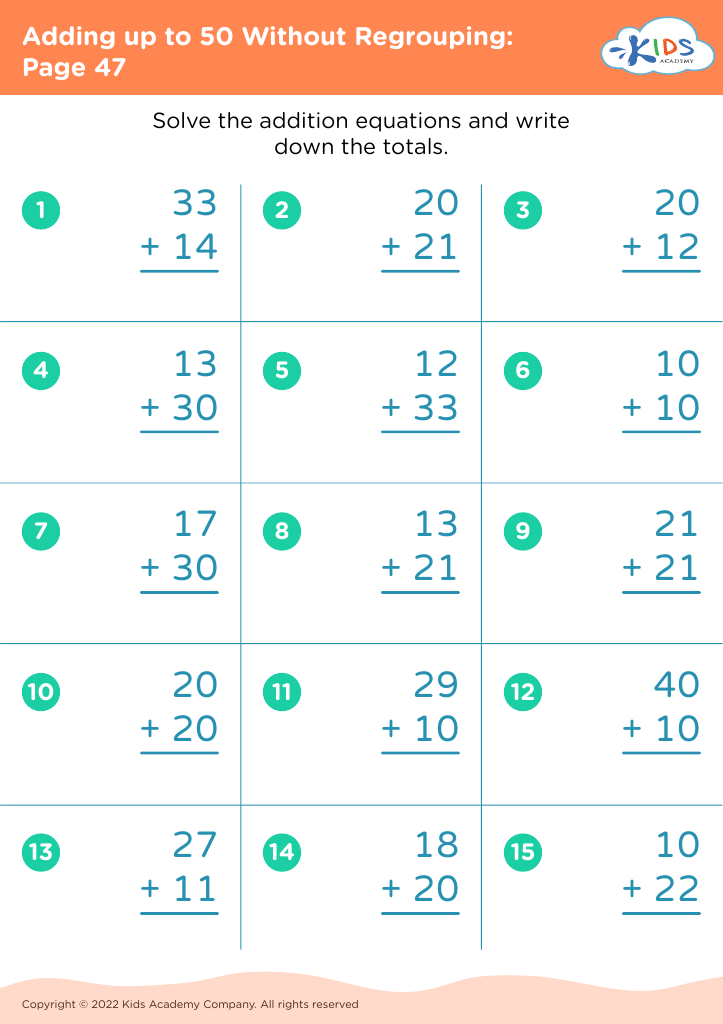
Adding up to 50 Without Regrouping: Page 47
Worksheet
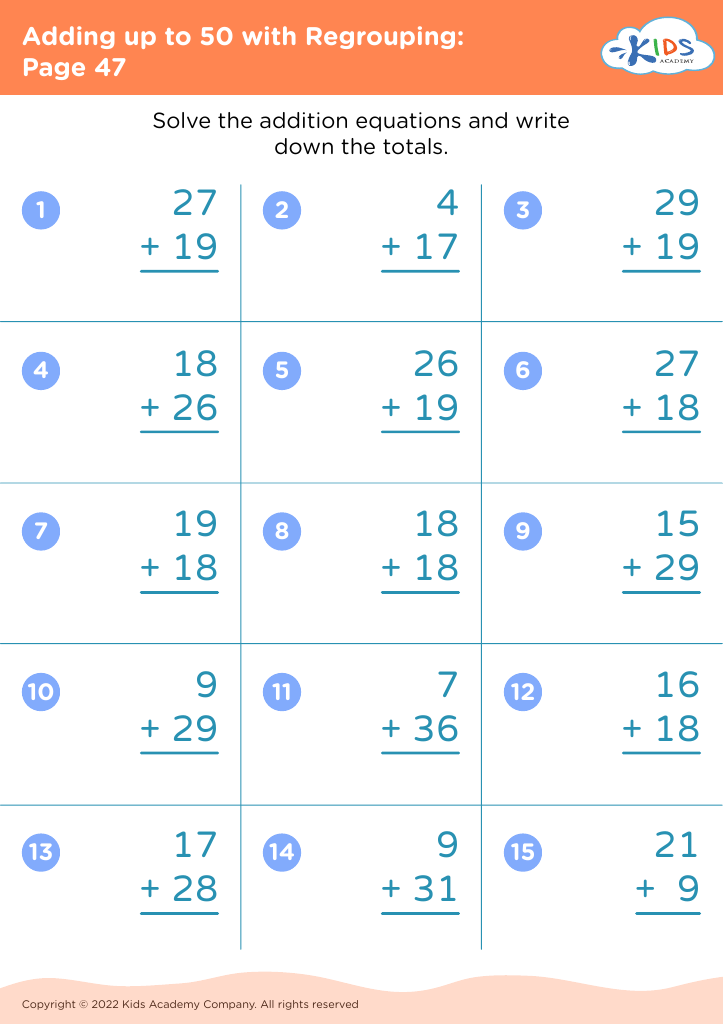
Adding up to 50 with Regrouping: Page 47
Worksheet
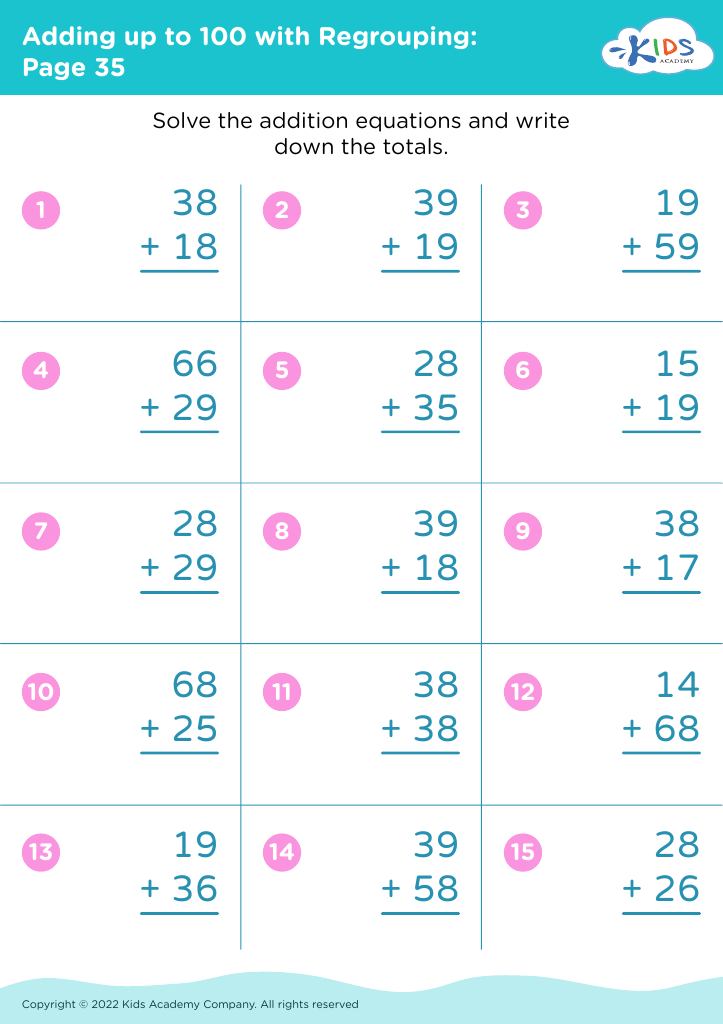
Adding up to 100 with Regrouping: Page 35
Worksheet
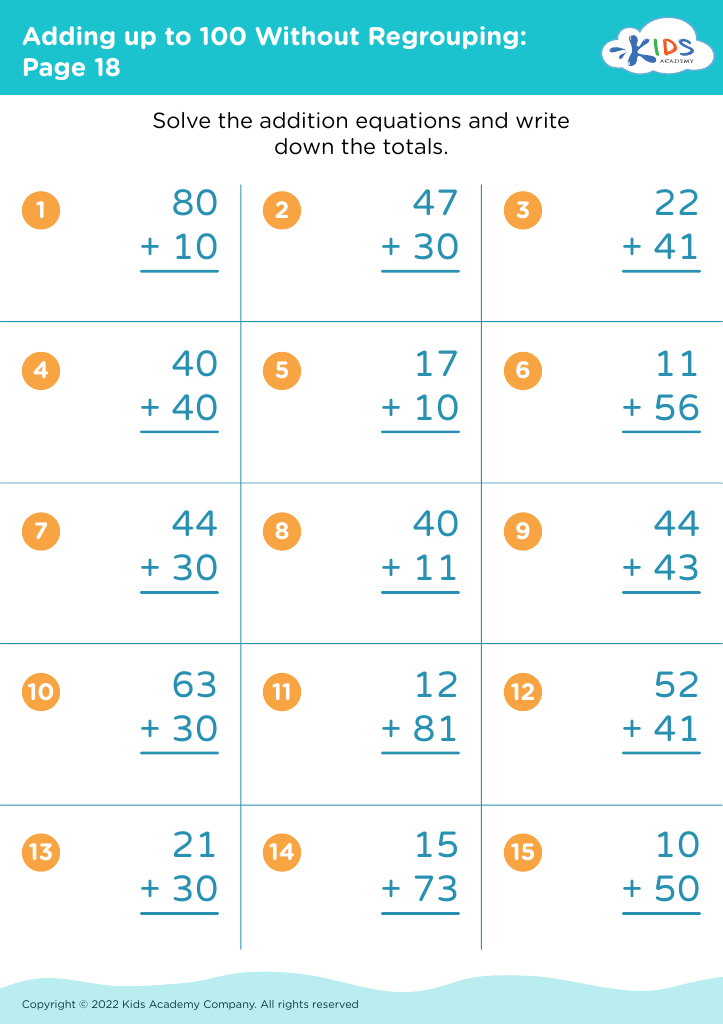
Adding up to 100 Without Regrouping: Page 18
Worksheet
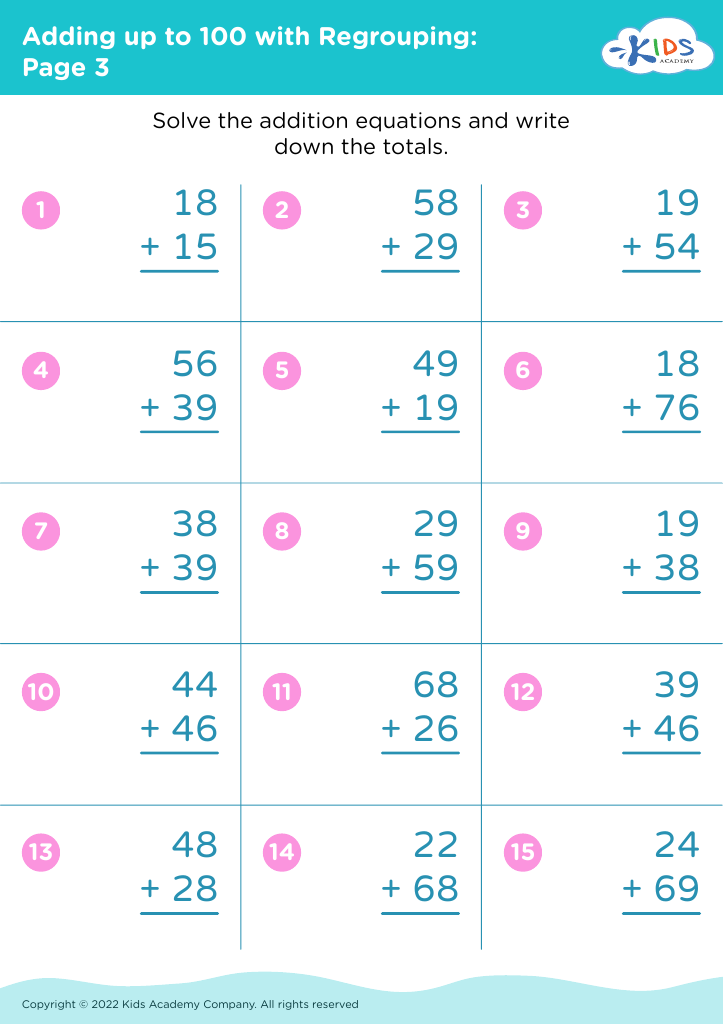
Adding up to 100 with Regrouping: Page 3
Worksheet
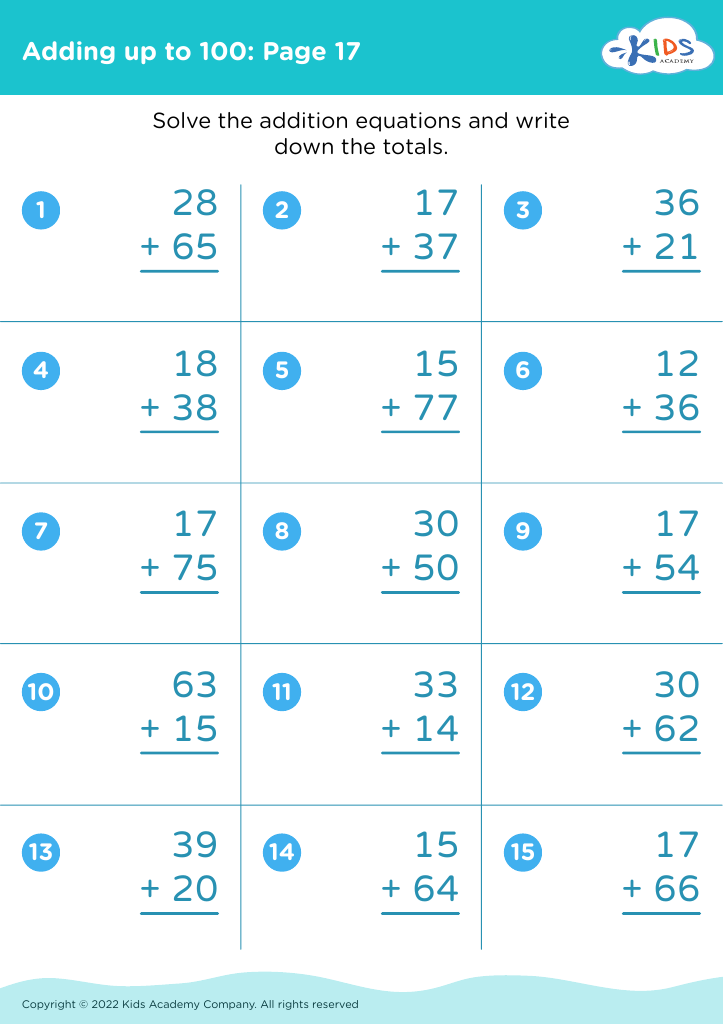
Adding up to 100: Page 17

Adding up to 100: Page 17

Adding up to 100: Page 17
Worksheet
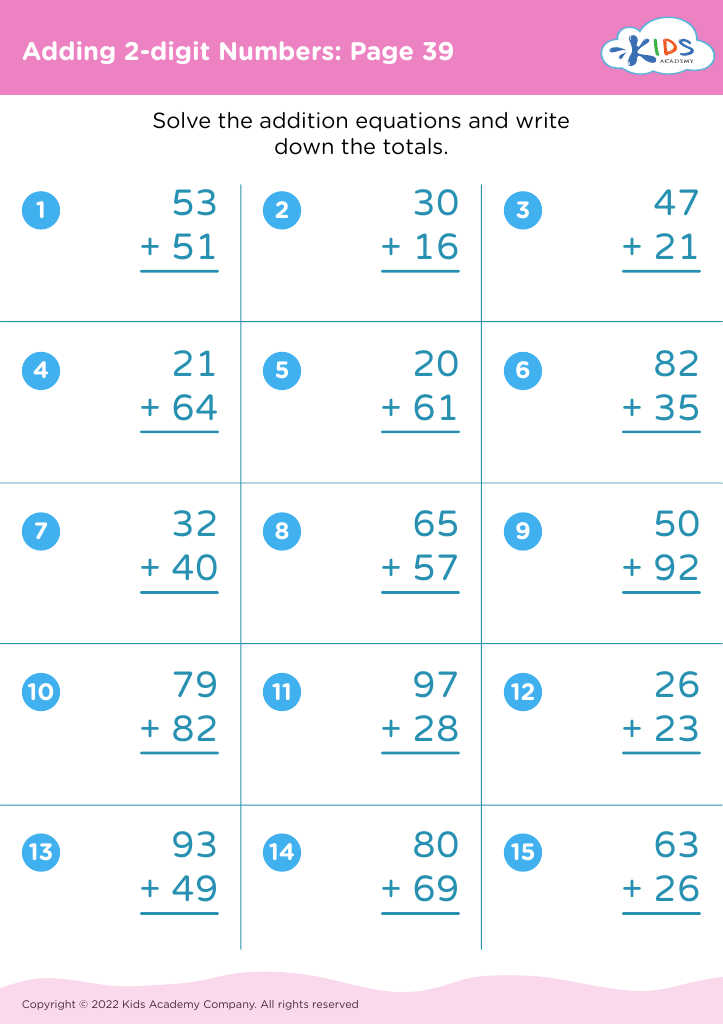
Adding 2-digit Numbers: Page 39

Adding 2-digit Numbers: Page 39

Adding 2-digit Numbers: Page 39
Worksheet
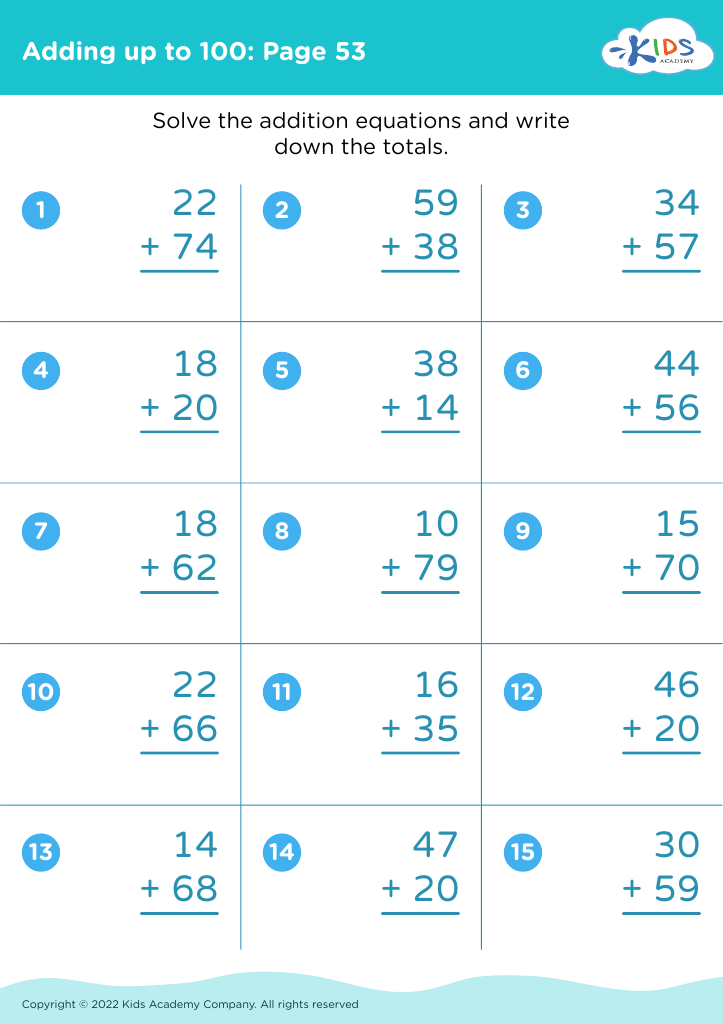
Adding up to 100: Page 53

Adding up to 100: Page 53

Adding up to 100: Page 53
Worksheet
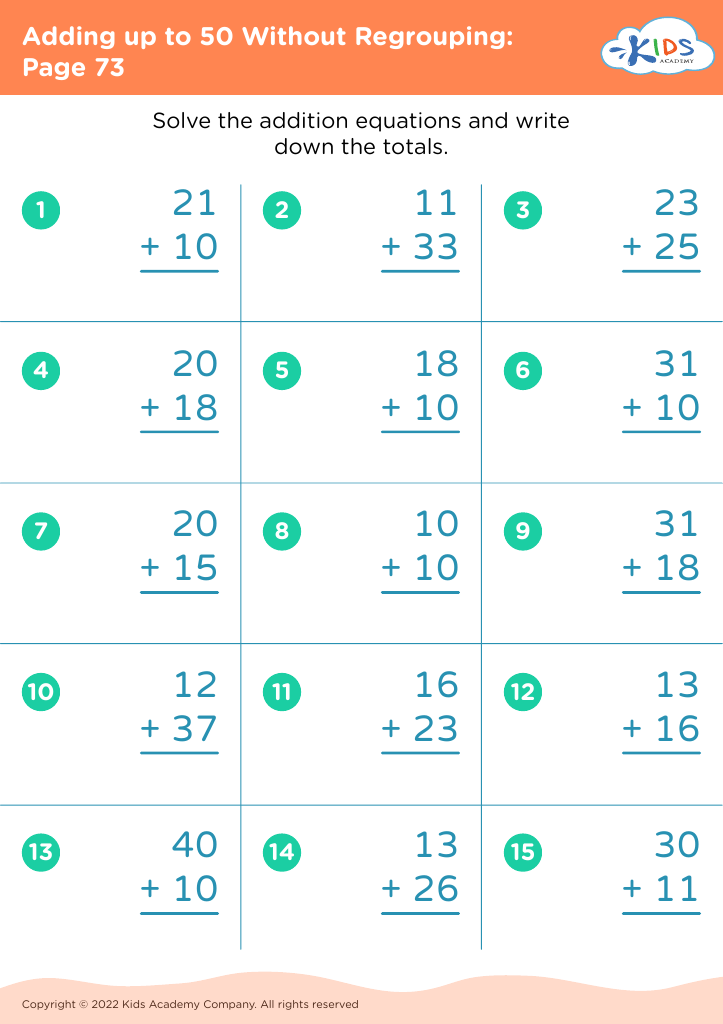
Adding up to 50 Without Regrouping: Page 73
Worksheet
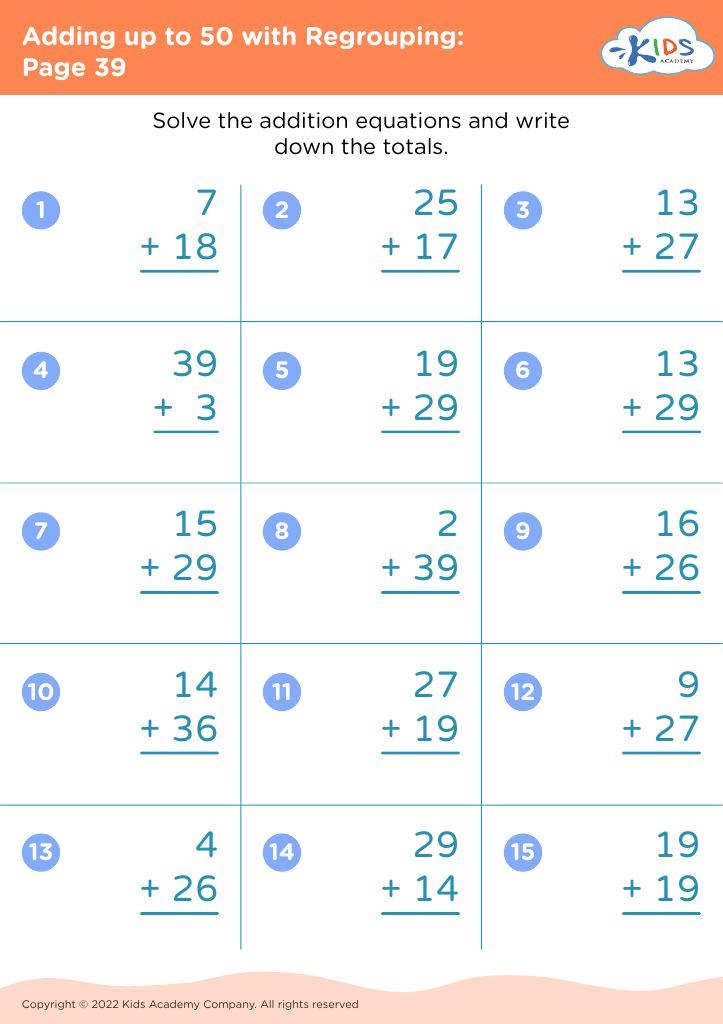
Adding up to 50 with Regrouping: Page 39
Worksheet


Fraction simplification is a crucial aspect of mathematical understanding that parents and teachers should prioritize for several reasons. First, it lays the groundwork for more advanced mathematical concepts. Simplifying fractions not only teaches students how to manipulate numbers but also builds their arithmetic skills, enhancing their ability to solve problems efficiently.

Second, mastering fraction simplification promotes critical thinking and problem-solving abilities. When students learn to simplify fractions, they develop reasoning skills that assist them in recognizing patterns and making connections between mathematical ideas. This cognitive skill is essential in all areas of math and extends to real-life situations, such as budgeting or cooking, where fractions often play a role.

Moreover, simplified fractions are often easier to work with, particularly when it comes to operations like addition, subtraction, multiplication, or division. As students advance in their education, being proficient in fraction simplification fosters greater confidence in their ability to tackle complex mathematical tasks.

Finally, parents and teachers serve as role models and educators, so supporting students in mastering fraction simplification empowers them academically. It affirms a deeper engagement with math, fostering a lifelong appreciation of the subject as both relevant and valuable in daily life.