Handwriting Skills Math Worksheets
6 filtered results
-
From - To
Enhance your child’s handwriting skills while reinforcing math concepts with our engaging Handwriting Skills Math Worksheets. Designed for early learners, these worksheets combine number writing practice with fun math exercises. Your children will gain confidence in their handwriting as they trace and write numbers, all while solving simple math problems suited to their proficiency levels. Each worksheet is crafted to support fine motor skills development and ensure a delightful learning experience. Perfect for use at home or in the classroom, our printable worksheets encourage both literacy and numeracy in a creative, hands-on way. Discover the joy of learning with Kids Academy!
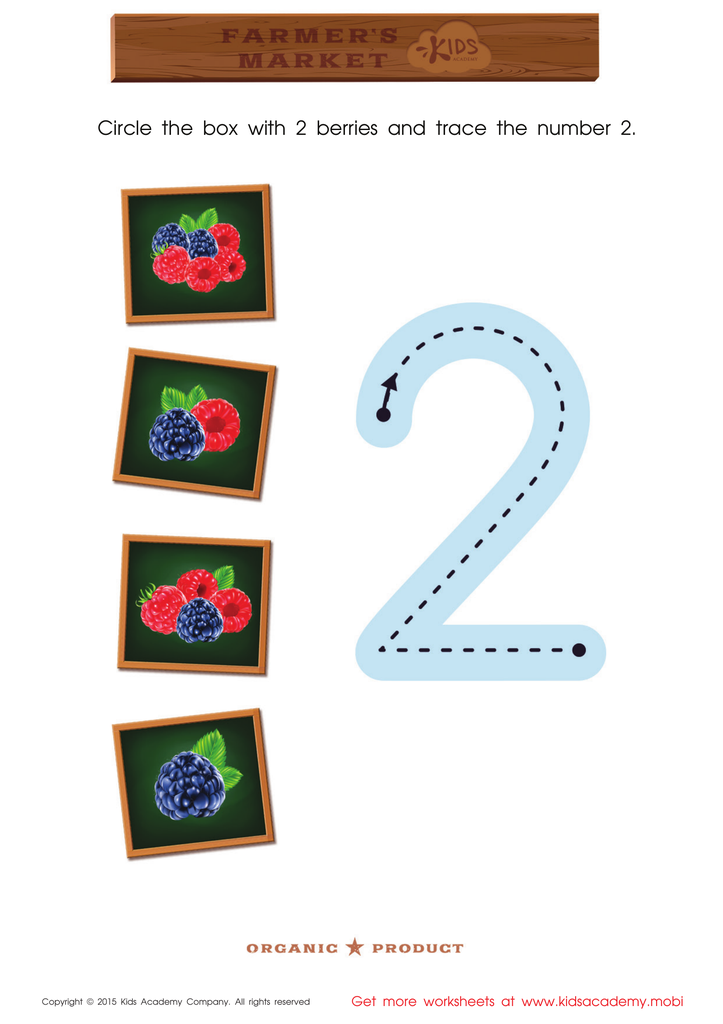
Count the Berries and Trace the Number 2 Printable
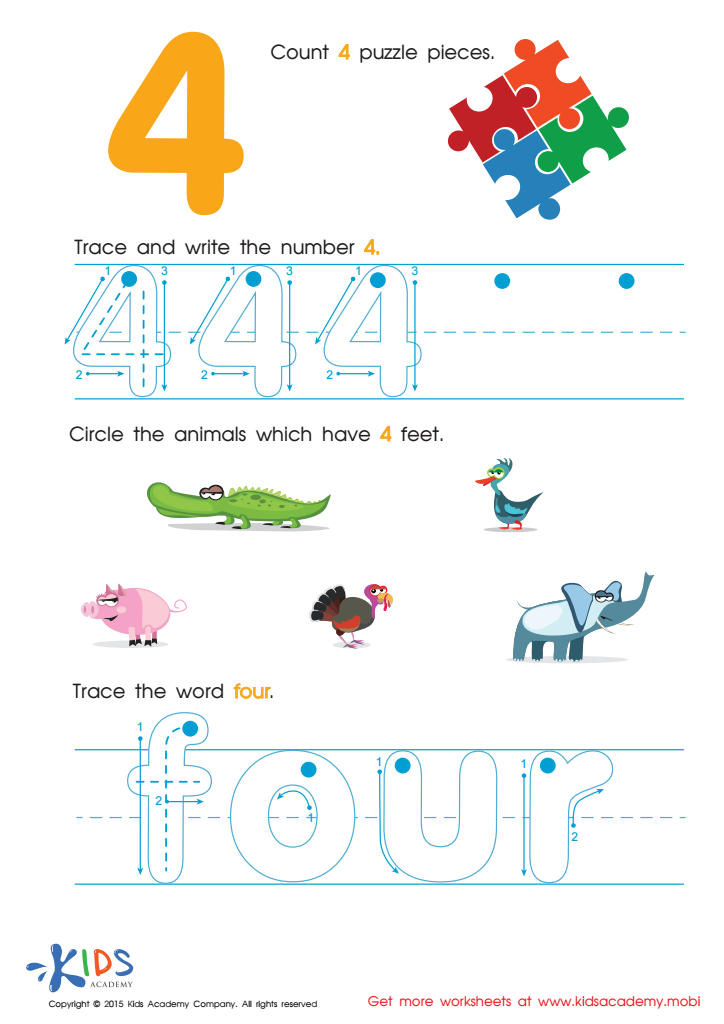
Teaching Children to Write Number 4 Worksheet
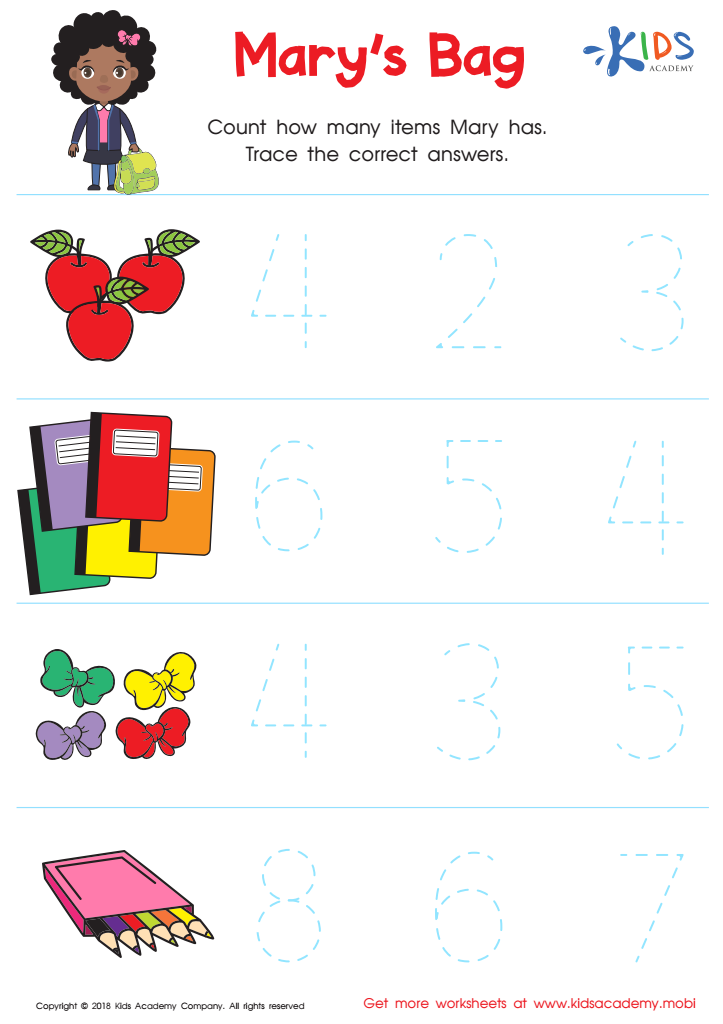
Kindergarten Number Tracing: Mary's Bag Worksheet
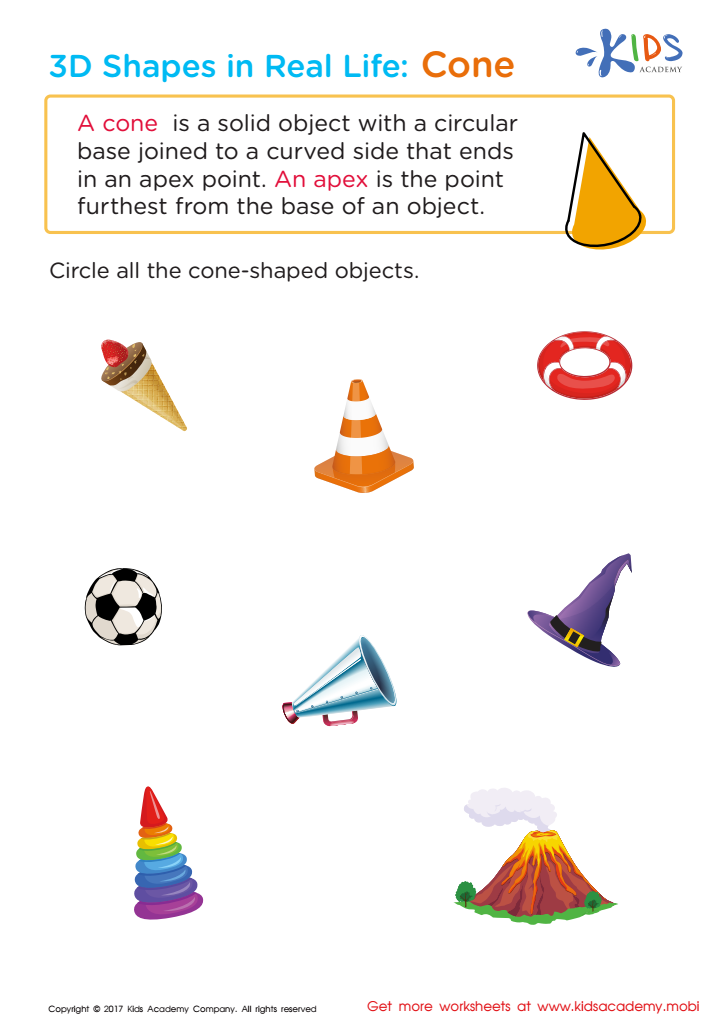
Shapes in Real Life: Cone Worksheet
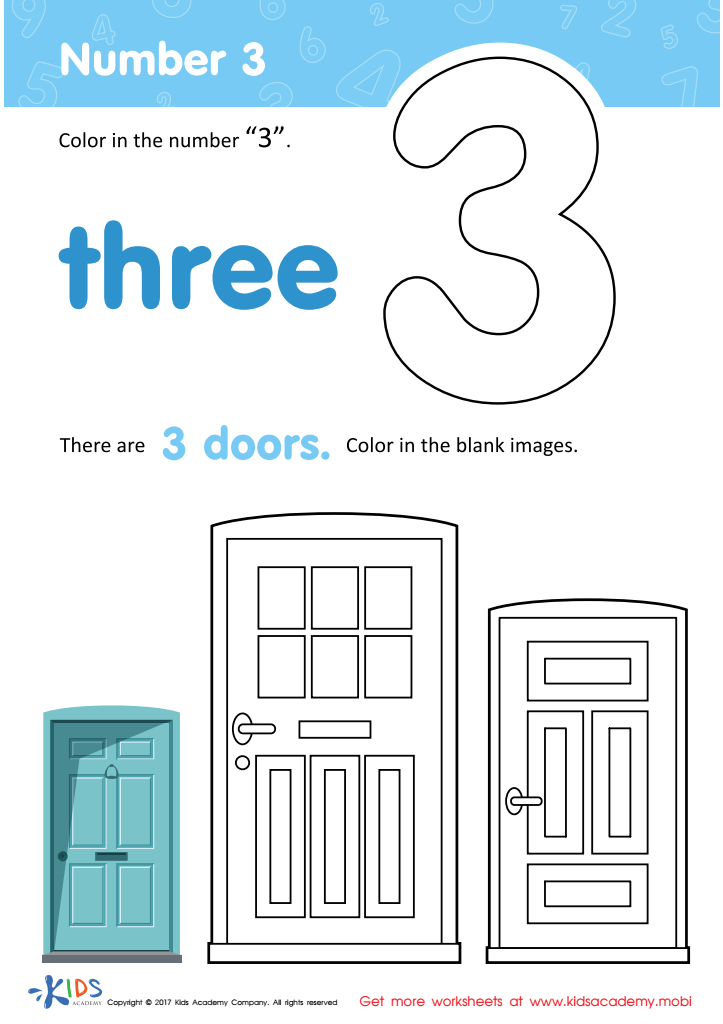
Number 3 Worksheet
 Assign to My Students
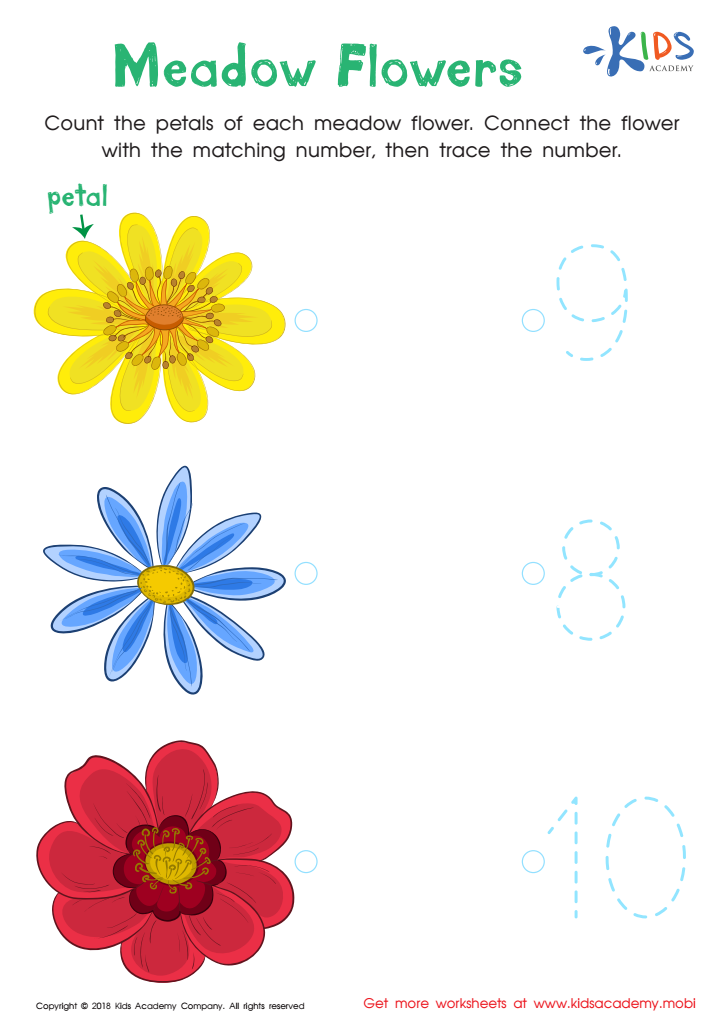
Kindergarten Number Tracing: Medow Flowers Worksheet








Handwriting skills and math are essential components of a child's academic development, and their interconnectedness is often overlooked. First, strong handwriting enables students to express their mathematical understanding clearly. When children can write numbers and equations neatly, teachers can more accurately assess their problem-solving strategies, reducing confusion around their concepts. This clarity is crucial, particularly during assessments and when collaborating with peers.
Furthermore, developing handwriting skills aids in fine motor development, which is linked to overall cognitive development. The act of writing engages different brain areas, facilitating better information retention and understanding. With proficient handwriting, students can confidently solve math problems on paper, which reinforces their logic and reasoning abilities.
Additionally, the tactile experience of writing helps solidify mathematical concepts. For example, physically writing out equations requires children to engage with the material actively, leading to deeper comprehension. As math becomes increasingly integrated into digital platforms and complex problem-solving exercises, the ability to record thoughts clearly and neatly will also prove indispensable in higher education and the workforce. In essence, paying attention to handwriting skills in mathematics lays a foundation for academic success and boosts children's confidence in their abilities.








