Improving observation skills Math Worksheets
6 filtered results
-
From - To
Explore our "Improving Observation Skills Math Worksheets," designed to enhance children's attention to detail and critical thinking. These engaging activities promote active learning by challenging students to observe patterns, shapes, and numerical relationships closely. Our worksheets foster essential math skills like comparison, sorting, and analyzing information, making them perfect for young learners in early education. With colorful graphics and interactive tasks, your child will be inspired to think critically and apply their observation skills in fun, creative ways. Download them now to boost your child's confidence in math while developing their observational abilities! Transform learning into an exciting adventure!
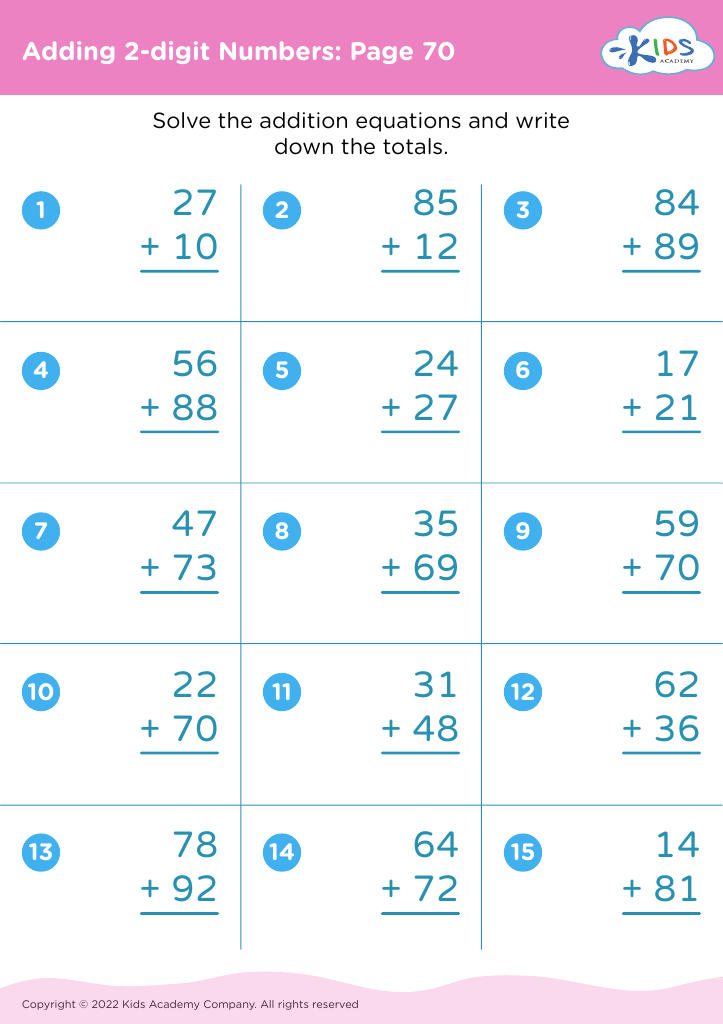
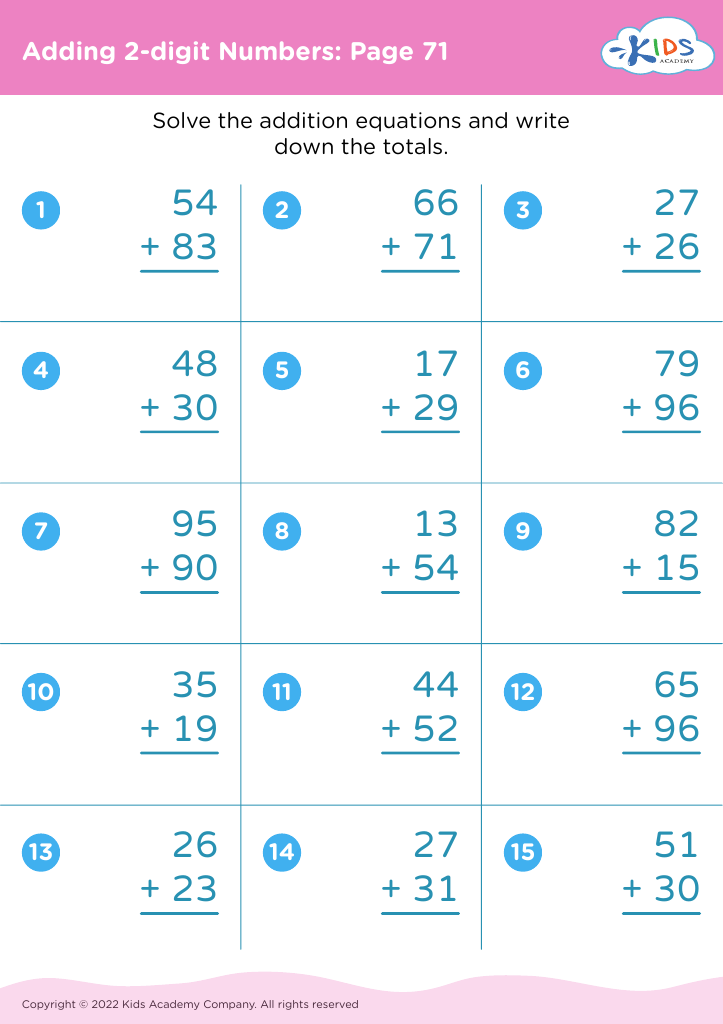
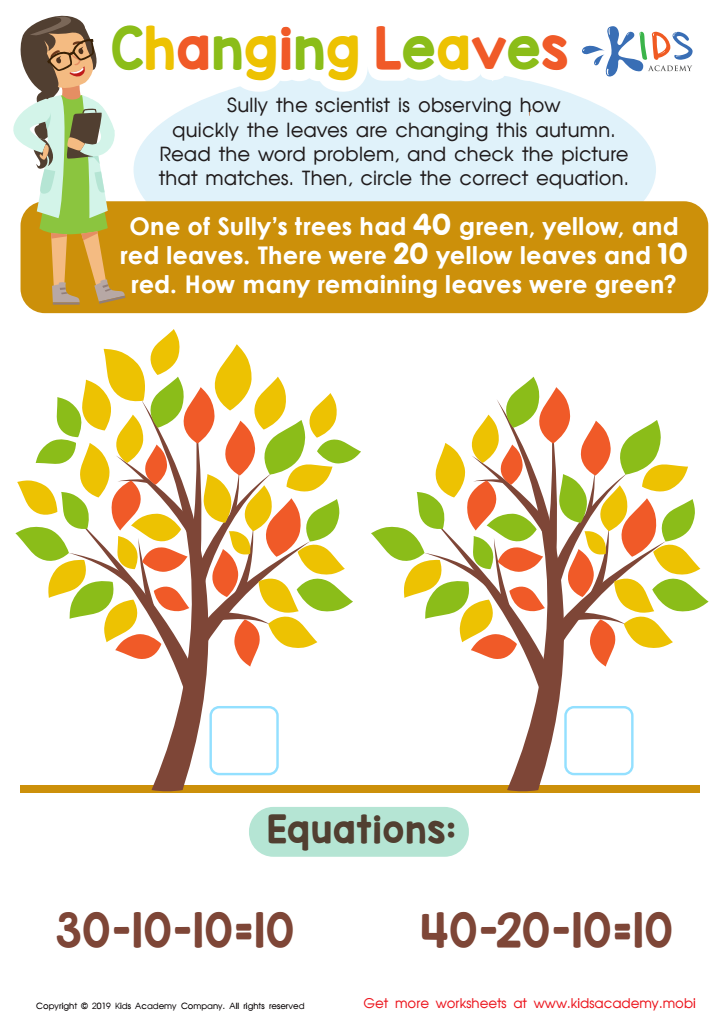
Changing Leaves Worksheet
 Assign to My Students
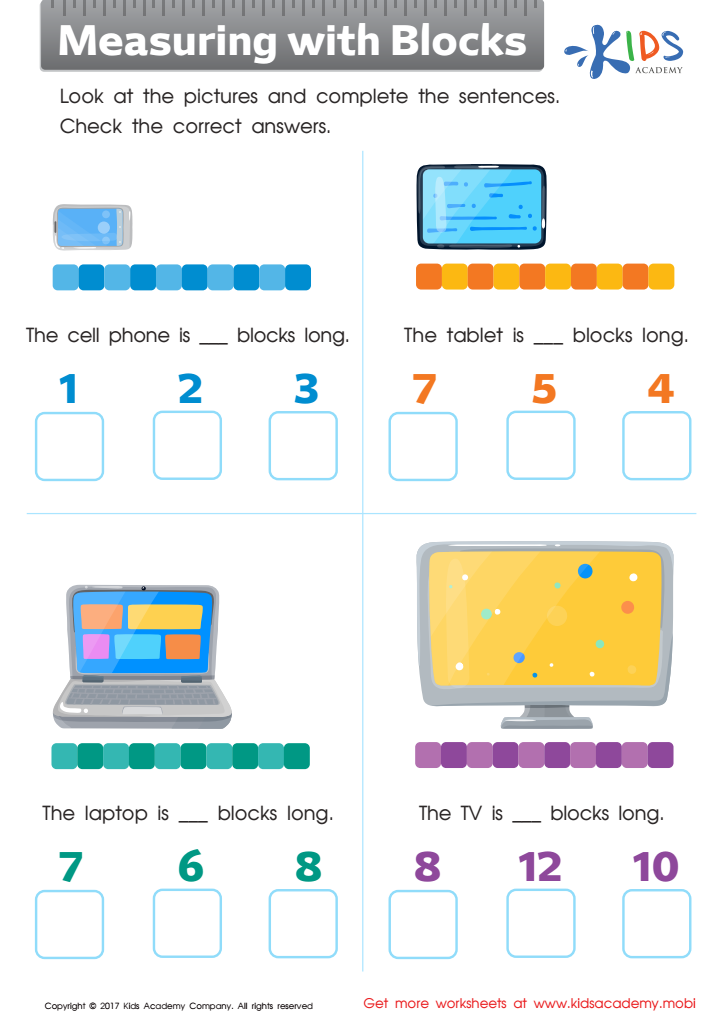
Measuring with Blocks Worksheet
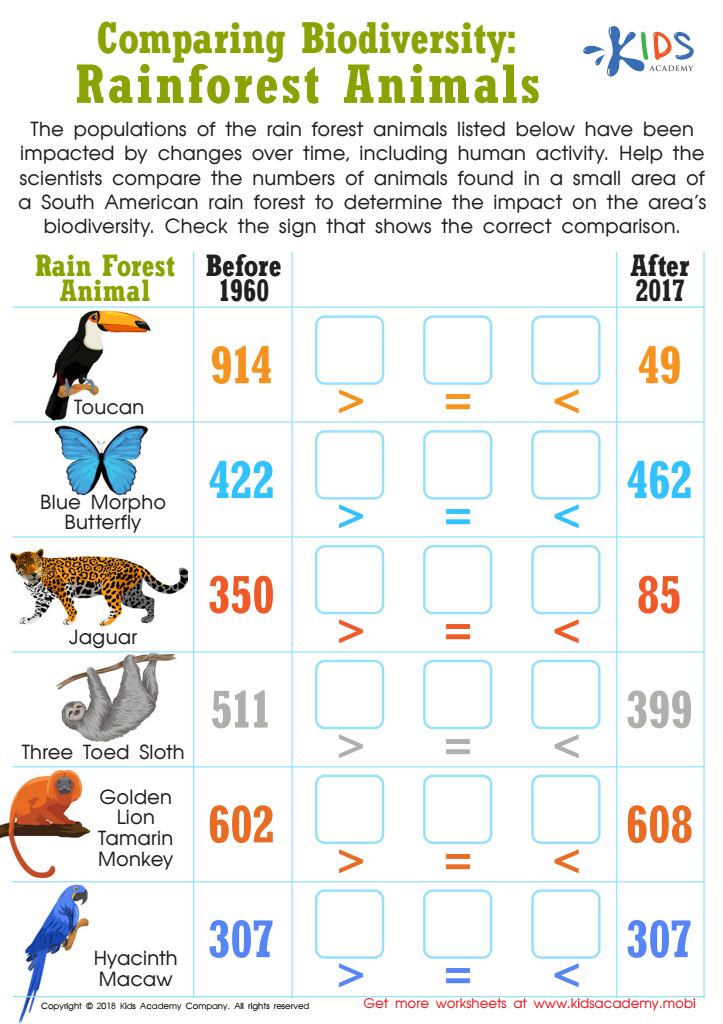
Comparing Biodiversity: Rainforest Animals Worksheet
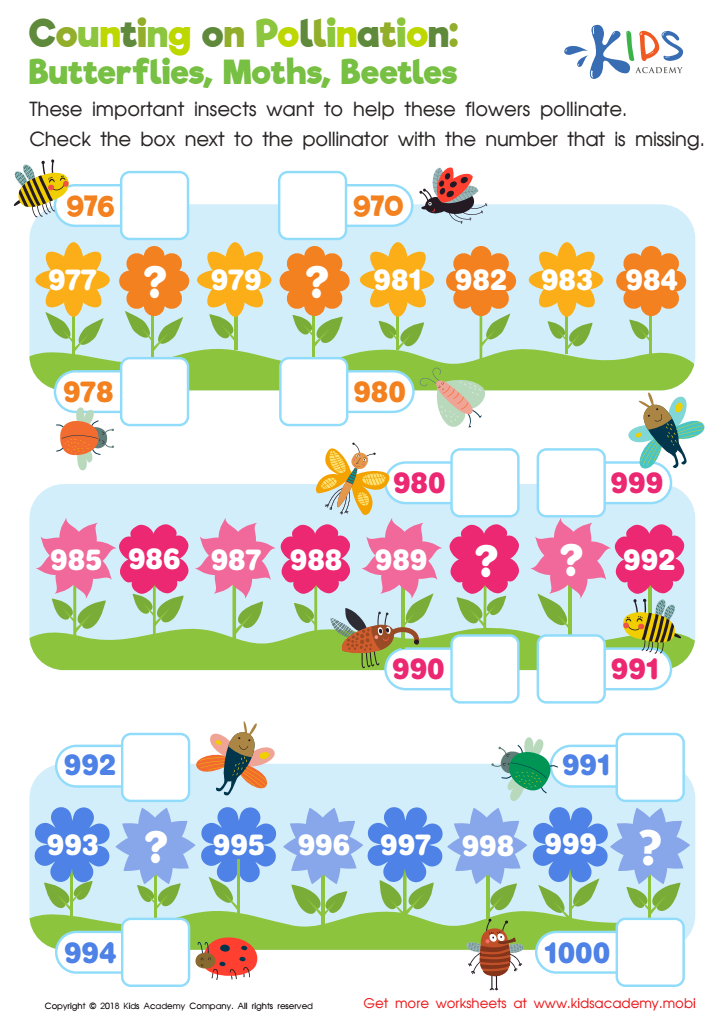
Counting on Pollination: Butterflies, Moths, Beetles Worksheet







Improving observation skills in math is crucial for both parents and teachers as these skills form the foundation of mathematical understanding. When children develop strong observational abilities, they can identify patterns, relationships, and trends in numbers and shapes. This enhances their analytical thinking and problem-solving skills, which are essential for success not only in math but across various subjects.
For teachers, fostering observation skills encourages an engaging and interactive classroom environment. It enables them to tailor their instruction to meet individual needs by identifying where a student is struggling or excelling. Teachers can incorporate hands-on activities and real-life scenarios to make observations tangible, which deepens comprehension.
Parents, as partners in education, should also cultivate observation skills at home. Engaging children in everyday math situations, like measuring ingredients for a recipe or counting items during shopping, allows students to see the practical application of math. This not only builds confidence but also shows children the relevance of math in their daily lives.
Ultimately, when parents and teachers prioritize observation skills in math, they foster a supportive learning atmosphere that encourages curiosity, critical thinking, and a lifelong love for learning. This essential skill set equips children for academic success and real-world challenges.








