Introduction to mathematics Math Worksheets
3 filtered results
-
From - To
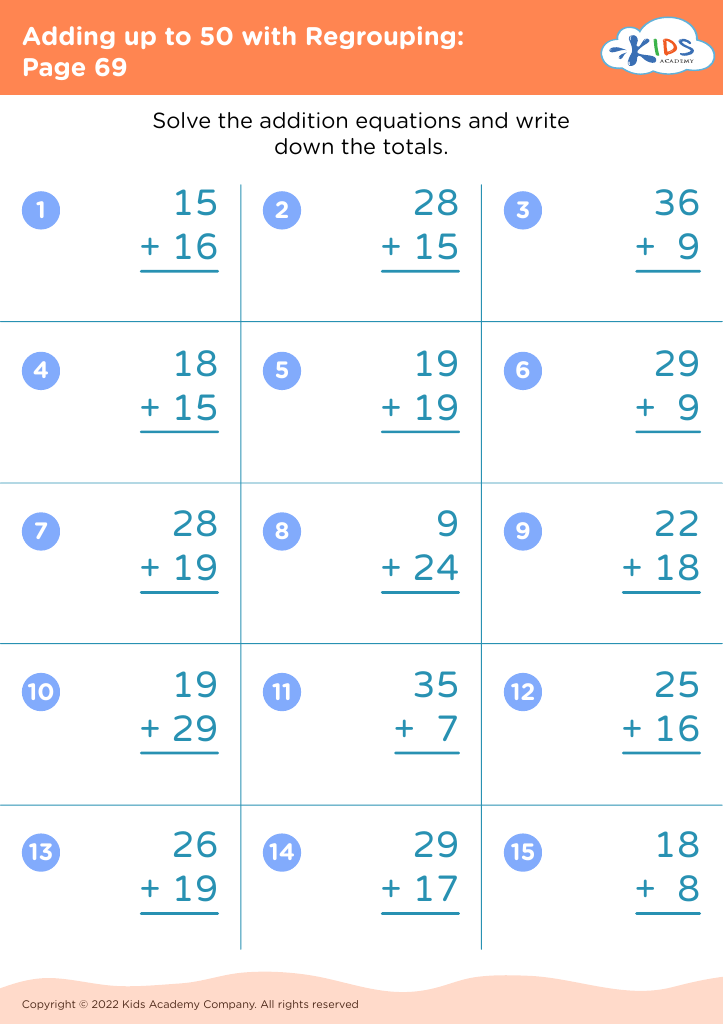
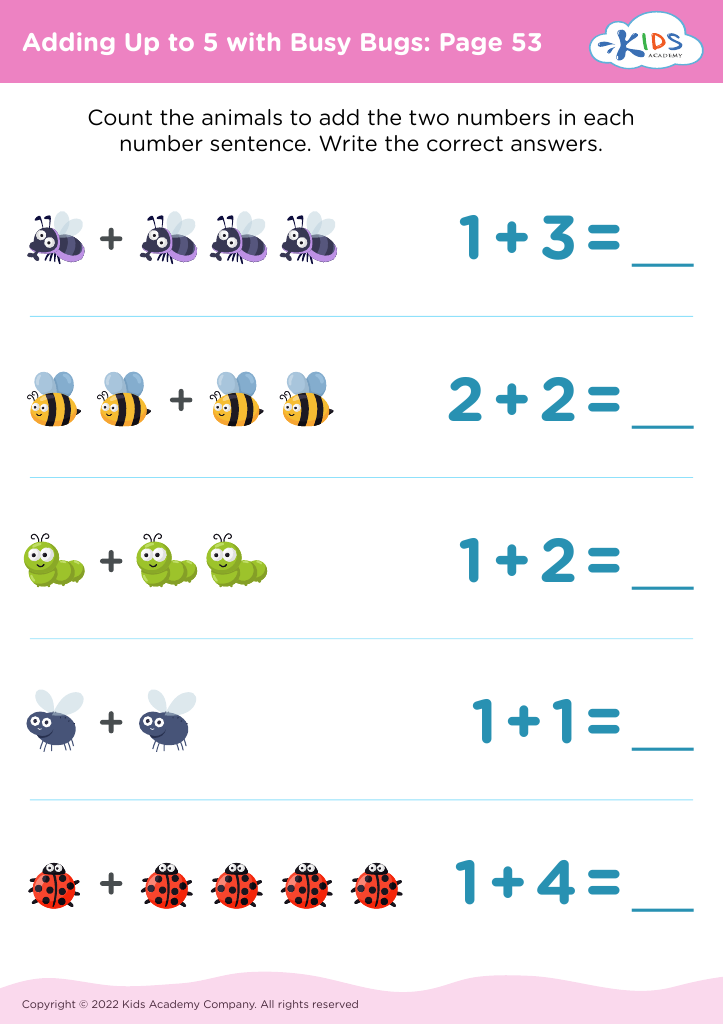
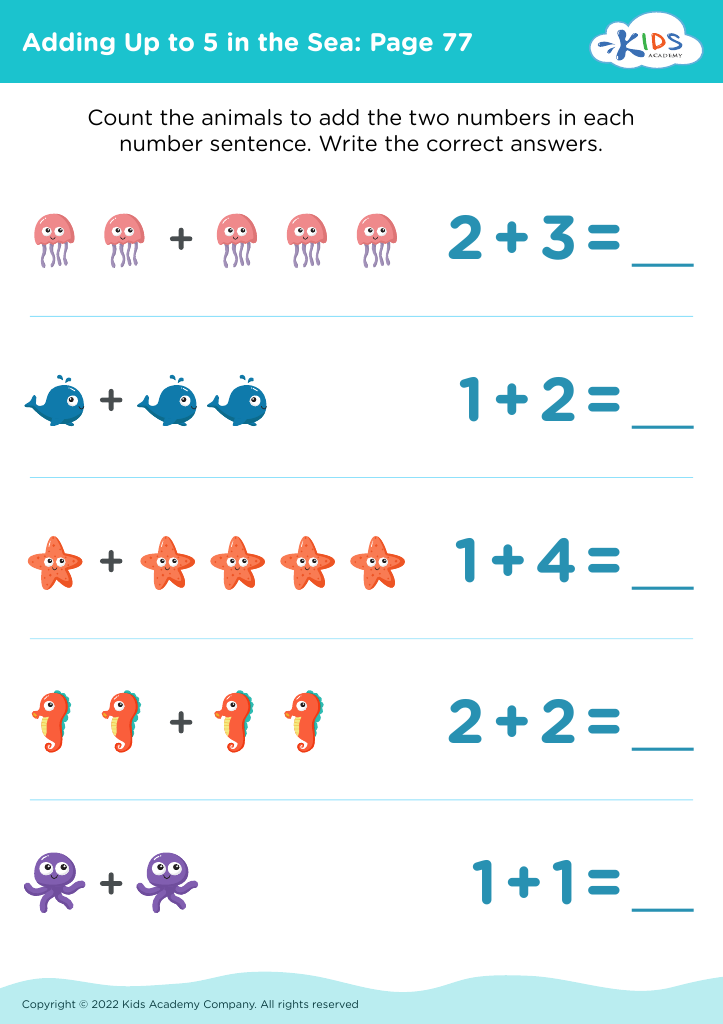
Welcome to our "Introduction to Mathematics Math Worksheets" page! Here, young learners will explore fundamental math concepts through engaging and interactive worksheets designed to enhance their understanding. These worksheets cover essential skills like number recognition, counting, basic addition and subtraction, and shape identification, all tailored for early grade students. Each worksheet is crafted to encourage critical thinking and problem-solving in a fun way. Educators and parents can easily print these resources to complement classroom learning or home study. Dive into the world of mathematics and watch your child's confidence and skills grow with our colorful and creative worksheets!







Parents and teachers should care about introducing mathematics because it lays the foundational building blocks for a child’s cognitive development and critical thinking skills. Early exposure to math concepts, such as counting, patterns, and basic operations, nurtures problem-solving abilities, logical reasoning, and fosters a sense of curiosity. Mastering these skills at a young age encourages confidence as children progress into more complex mathematical concepts later on in their education.
Furthermore, math is not just about numbers; it plays a crucial role in everyday life. Understanding math helps children navigate daily tasks like budgeting, cooking, and time management. It equips them to make informed decisions as they grow up.
Additionally, early math education can help bridge the achievement gap. Students with solid foundational math skills are more likely to excel academically and pursue STEM-related fields, which can lead to increased employment opportunities in the future.
By prioritizing early math introduction, parents and educators can help cultivate a love for learning, ensure academic success, and prepare children for a world where mathematical literacy is essential. Overall, nurturing a positive attitude towards math can empower the next generation to face life's challenges with confidence and competence.








