Logical Reasoning Math Worksheets - Page 2
31 filtered results
-
From - To
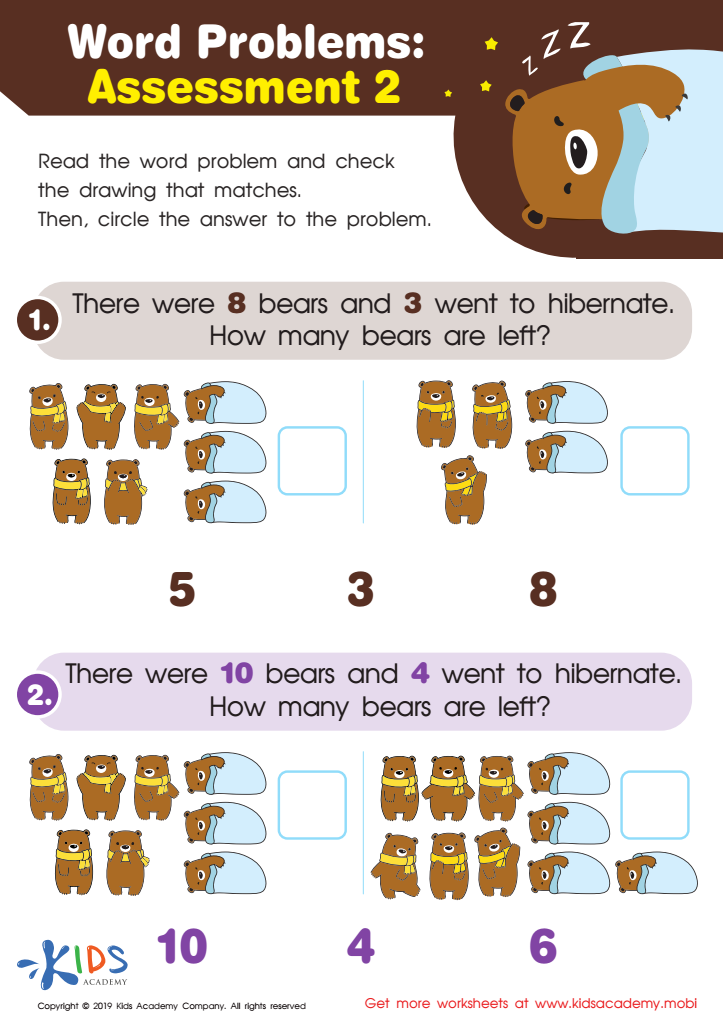
Word Problems: Assessment 2 Worksheet
 Assign to My Students
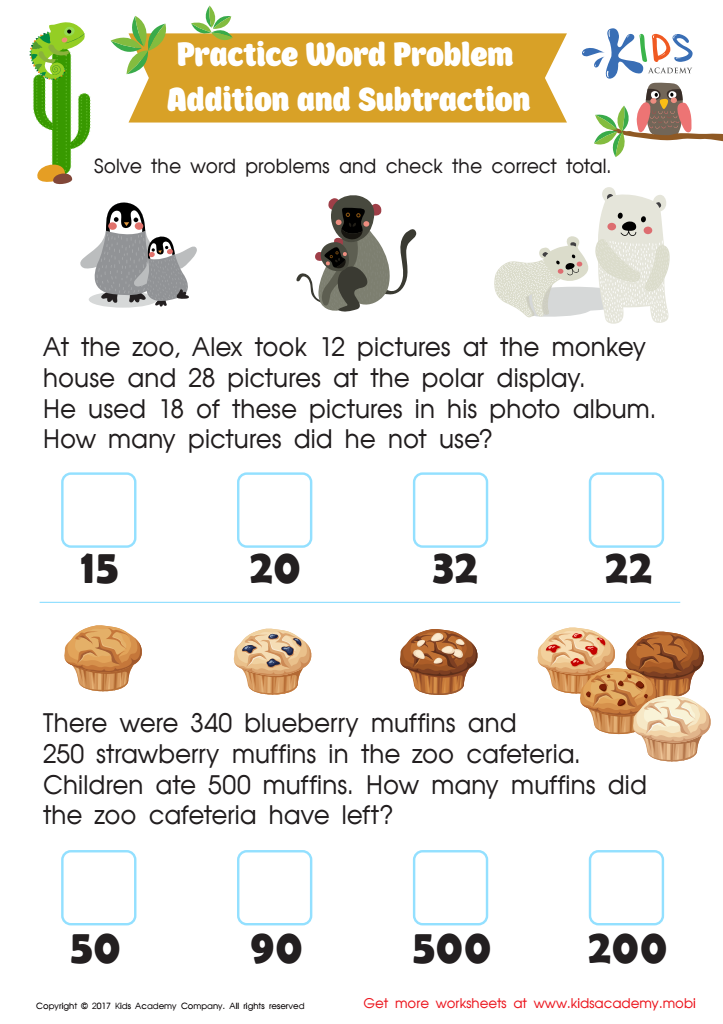
Addition and Subtraction: Word Problems Worksheet
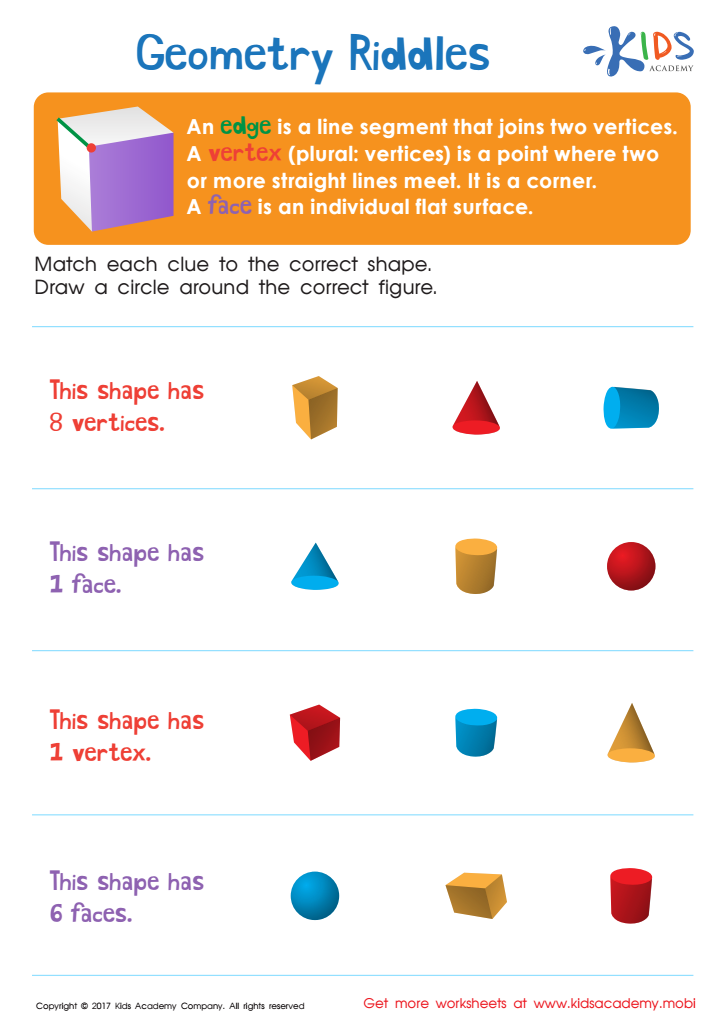
Geometry Riddles Printable
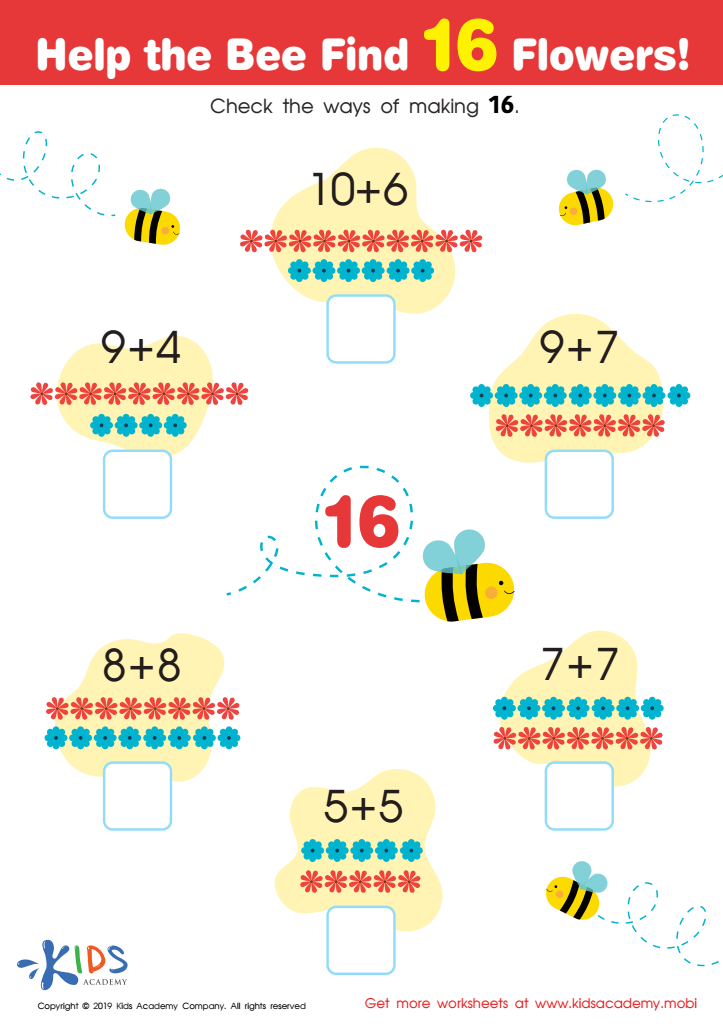
Help the Bee Find 16 Flowers Worksheet
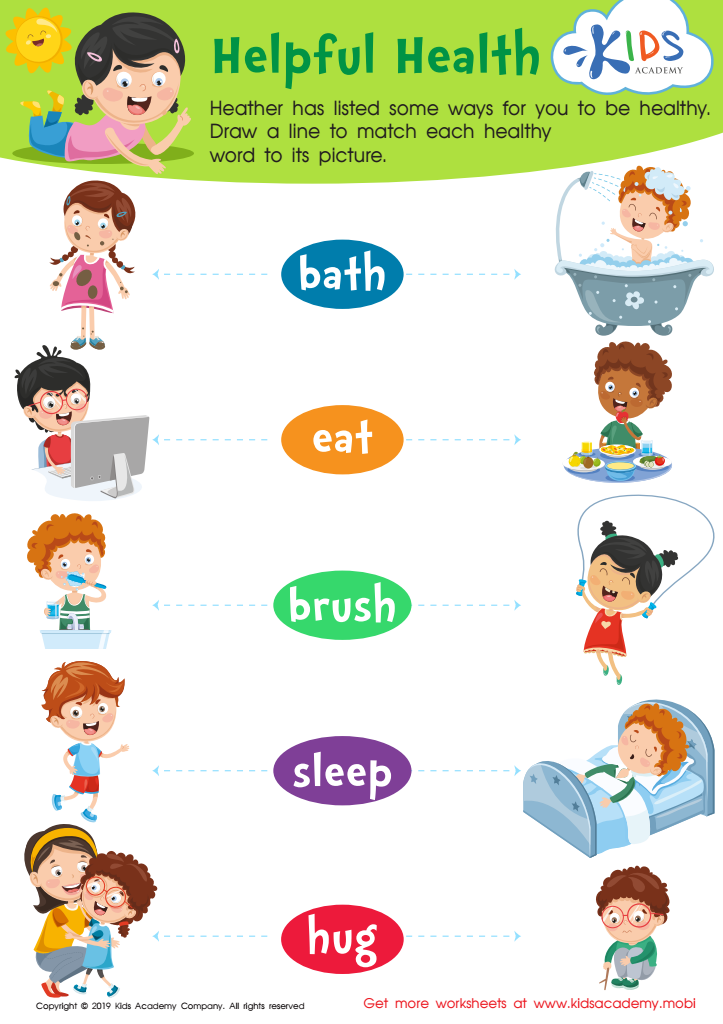
Helpful Health Worksheet
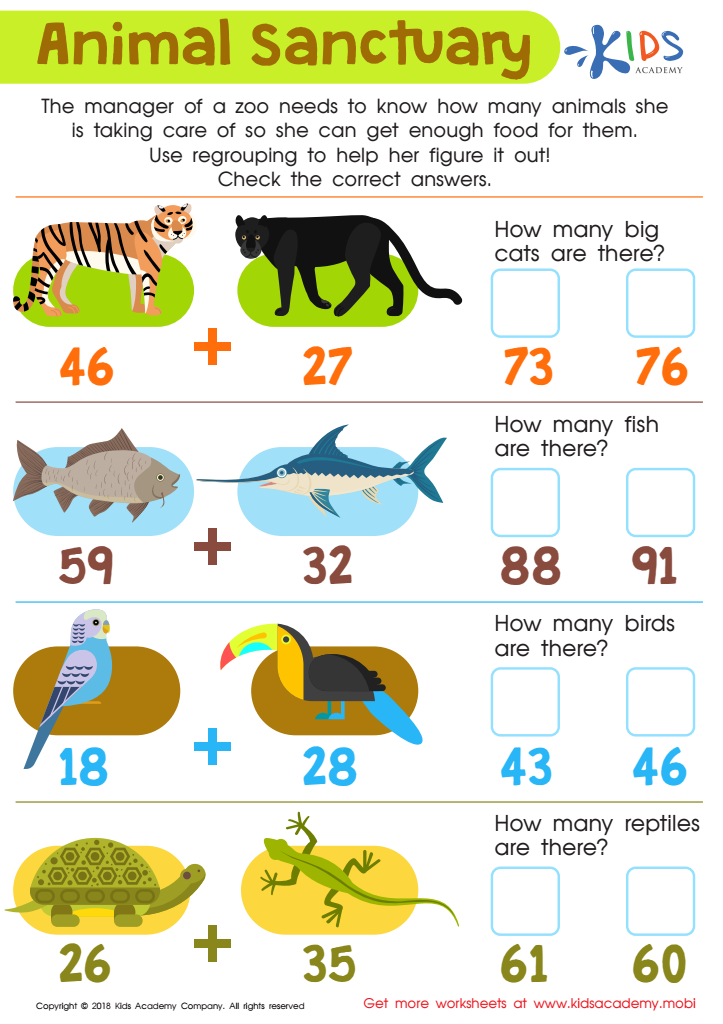
Animal Sanctuary Worksheet








Logical reasoning in math is essential for fostering critical thinking and problem-solving skills in children. Parents and teachers should prioritize this area for several reasons.
Firstly, logical reasoning helps students approach mathematical problems systematically. It encourages them to understand the "why" behind mathematical concepts rather than just memorizing facts or procedures. This deeper understanding cultivates independent thinking, enabling children to tackle new challenges with confidence.
Secondly, the skills gained through logical reasoning extend beyond math. They enhance general problem-solving capabilities applicable in everyday situations, from organizing tasks to making decisions. For instance, children learn to analyze situations, assess information, and draw conclusions, skills crucial for their future academic and professional lives.
Moreover, fostering logical reasoning early in a child’s education can decrease math anxiety. A strong foundation in understanding logical processes at a young age instills confidence and resilience when facing complex problems.
Lastly, in a society increasingly influenced by technology and data, logical reasoning equips students to navigate a world filled with information, improving critical assessment skills vital for personal and societal engagement. In this way, emphasizing logical reasoning within math not only enriches academic experiences but prepares children for a lifetime of learning and intelligent decision-making.








