Mathematical reasoning Math Worksheets
63 filtered results
-
From - To
Our Mathematical Reasoning Math Worksheets are expertly designed to help children develop critical thinking and problem-solving skills. Through engaging and diverse exercises, kids will learn to analyze, interpret, and solve a variety of math problems, fostering a deeper understanding of mathematical concepts. The worksheets cover topics like patterns, relationships, logical thinking, and number operations, making them perfect for enhancing cognitive abilities. Created by educational professionals, these resources are tailored to support both classroom and home learning. Encourage your child to explore our fun, challenging activities and watch their mathematical reasoning flourish! Visit us for more resources and start making math enjoyable.
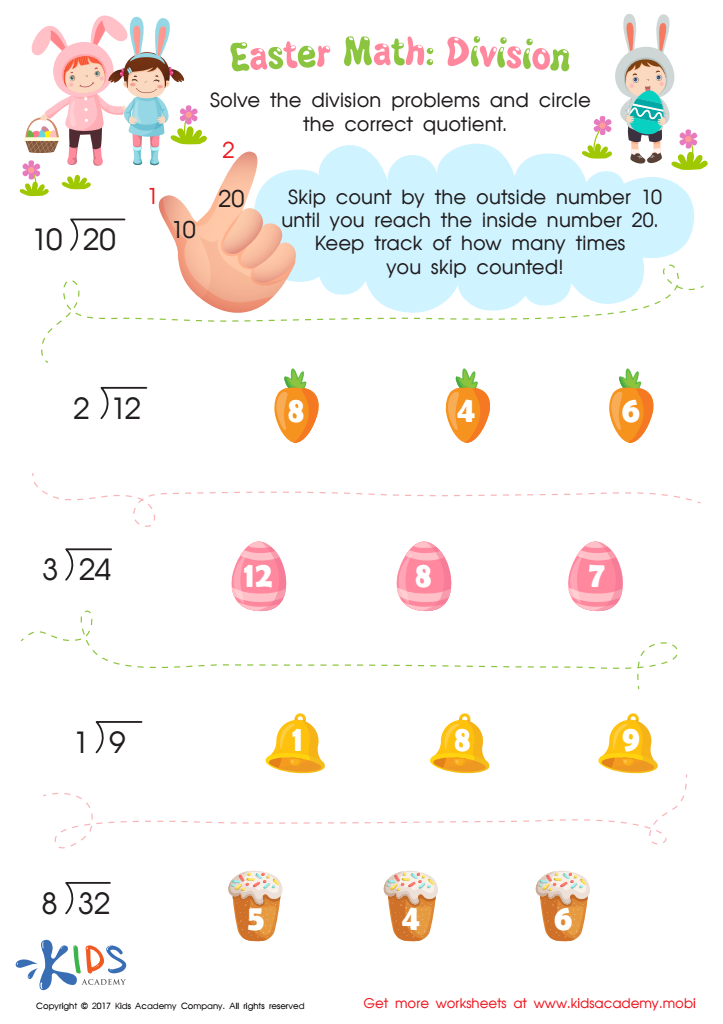
Division Worksheet
 Assign to My Students
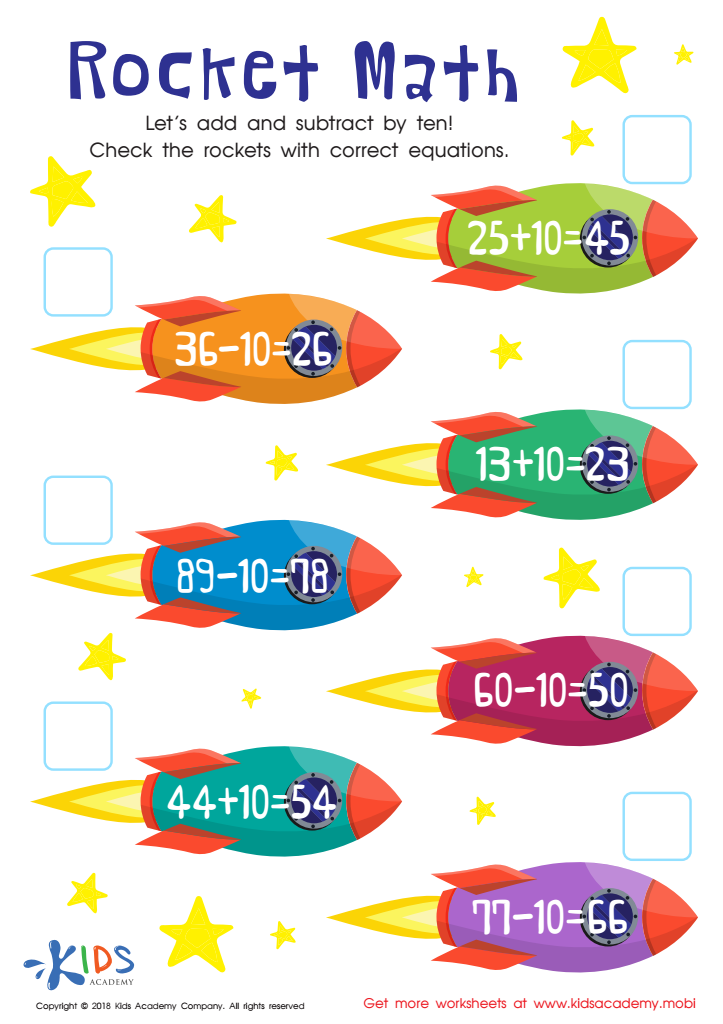
Rocket Math Worksheet
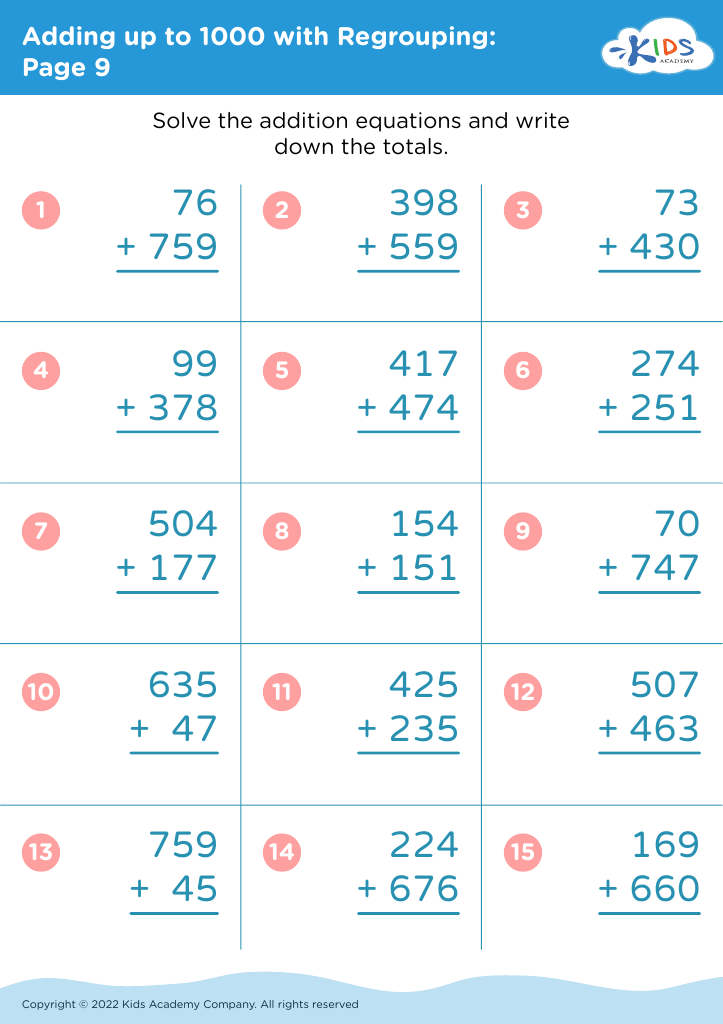
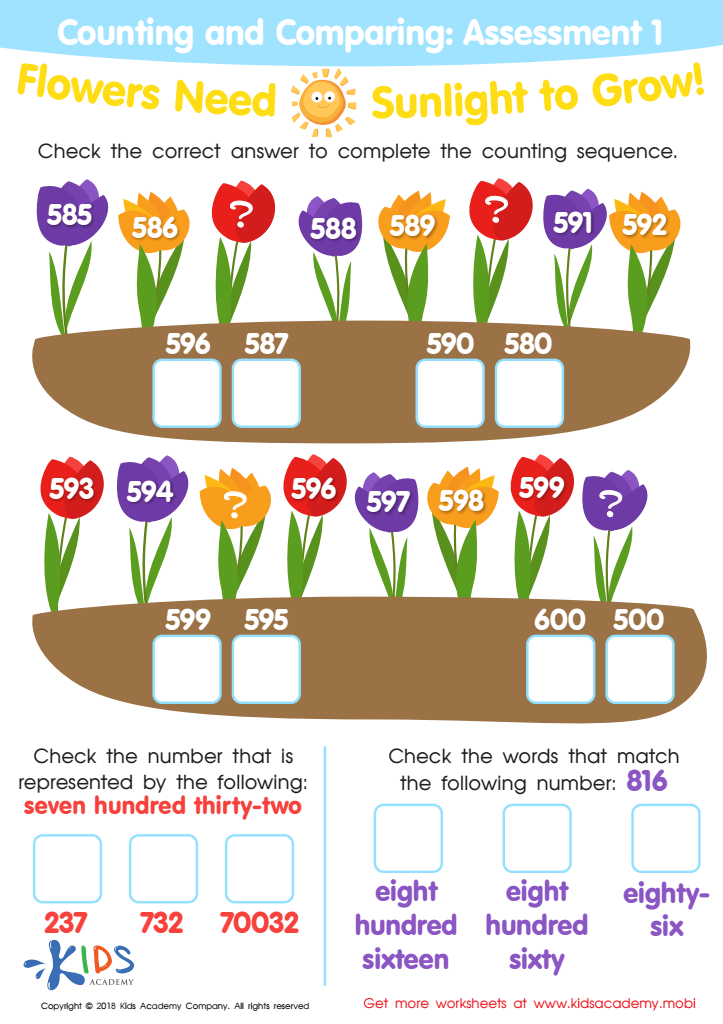
Counting and Comparing: Assessment 1 Worksheet
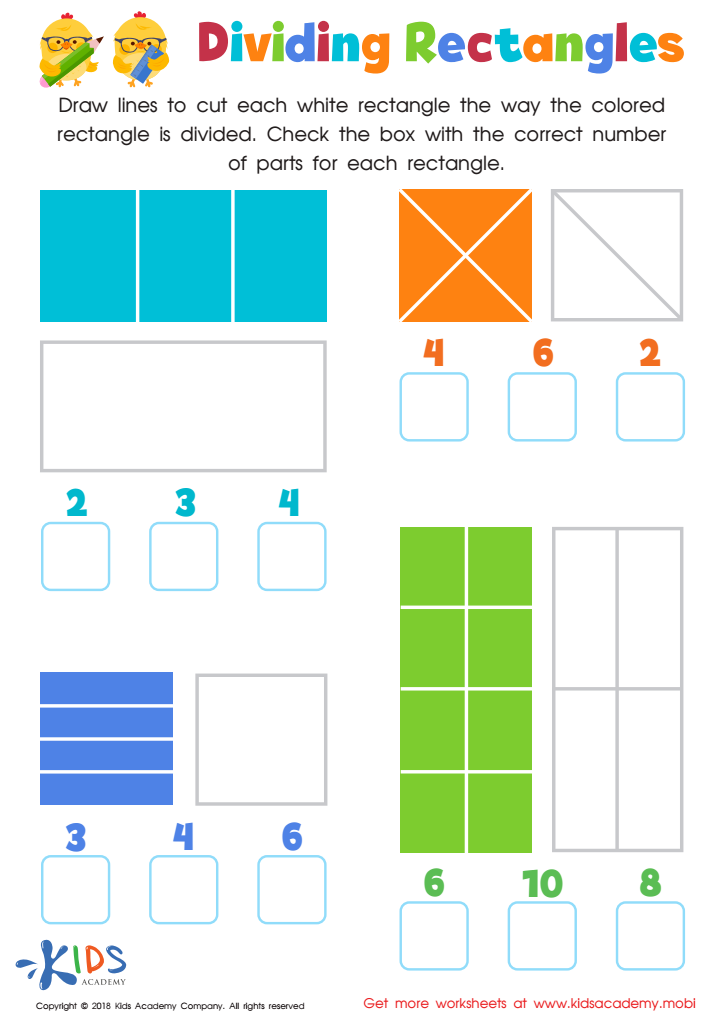
Dividing Rectangles Worksheet
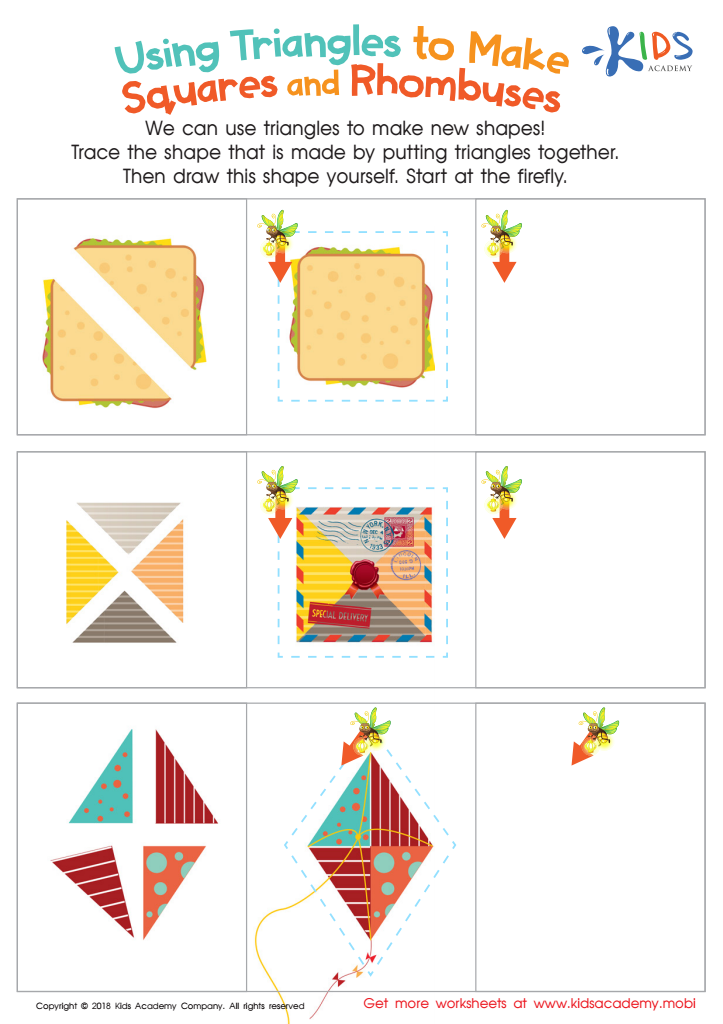
Using Triangles to Make Squares and Rhombuses Worksheet
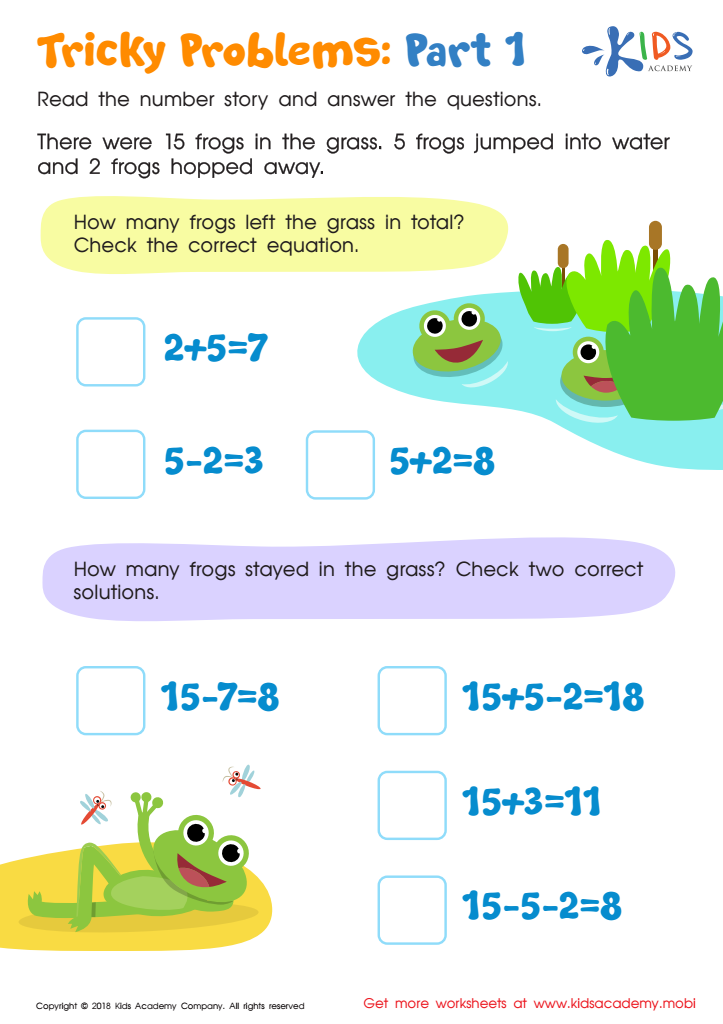
Tricky Problems Worksheet: Part 1
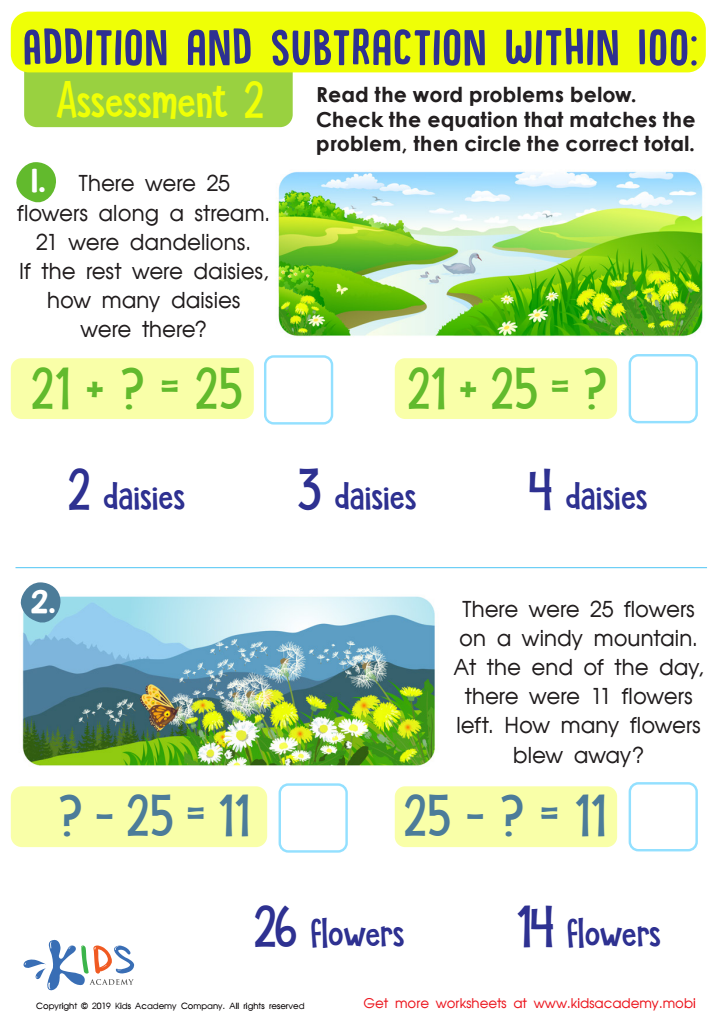
Assessment 2 Math Worksheet
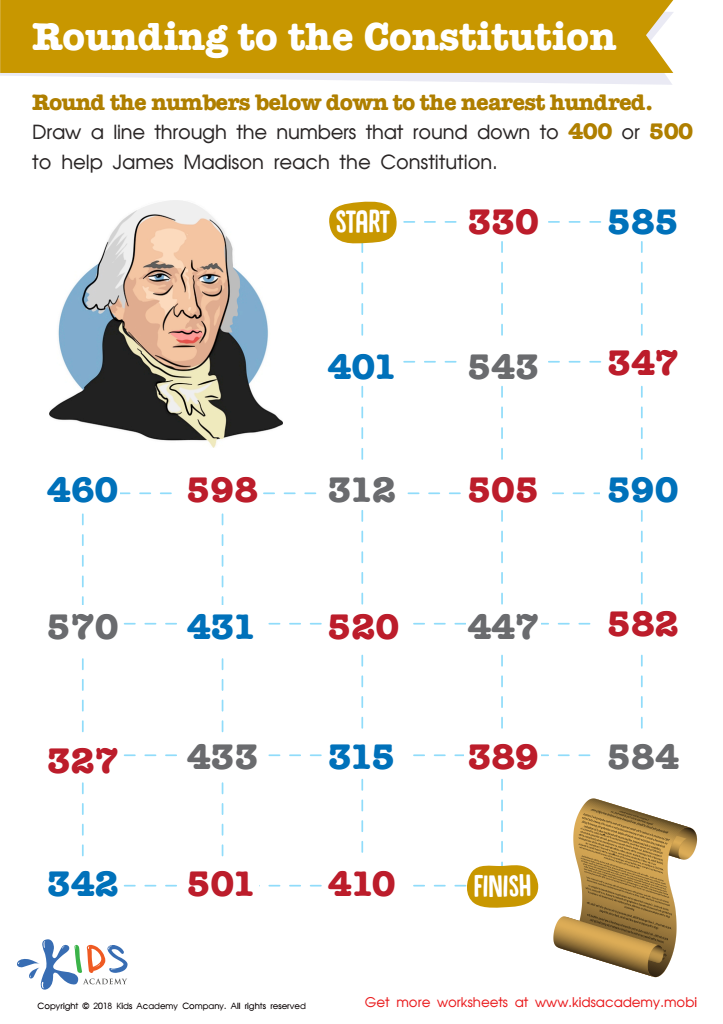
Rounding to the Constitution Worksheet
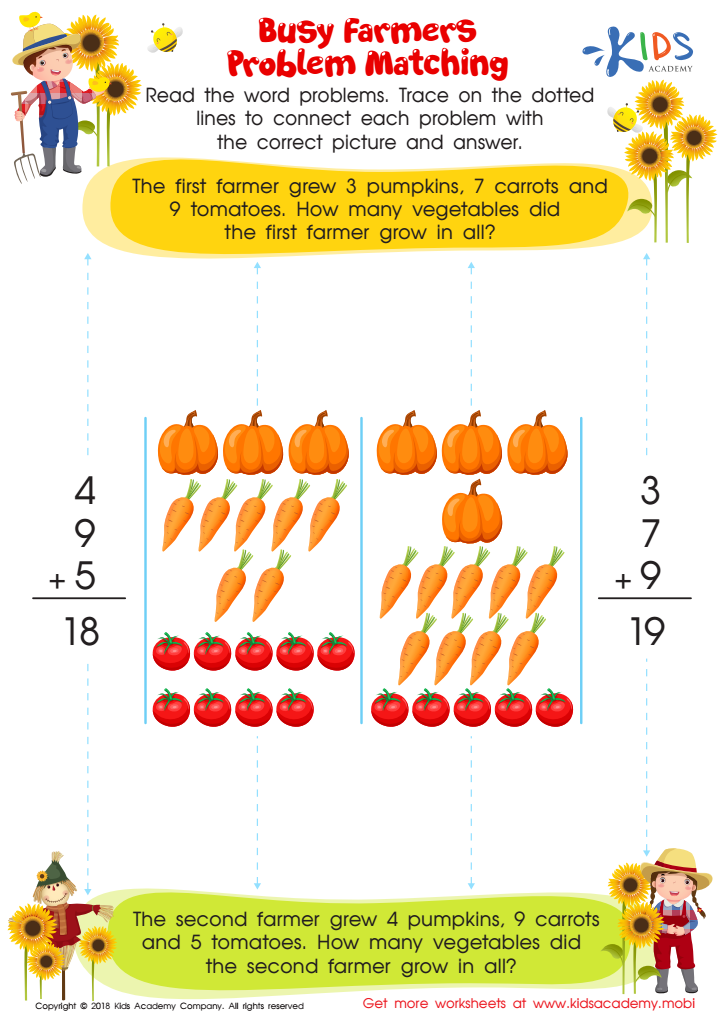
Busy Farmers: Problem Matching Worksheet
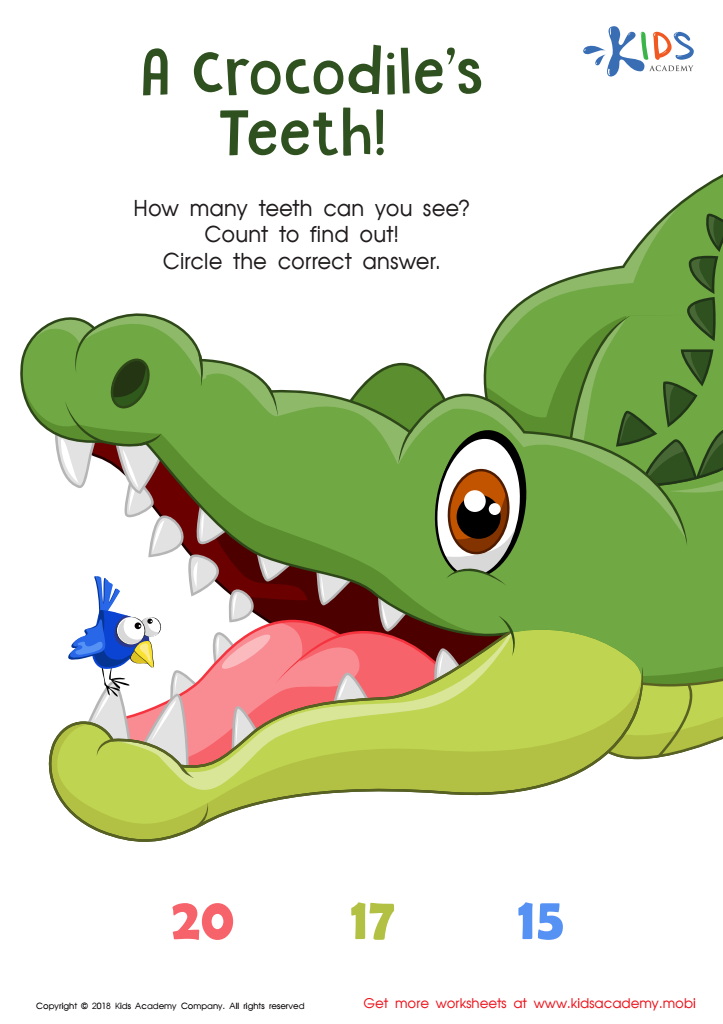
A Crocodile's Teeth Worksheet
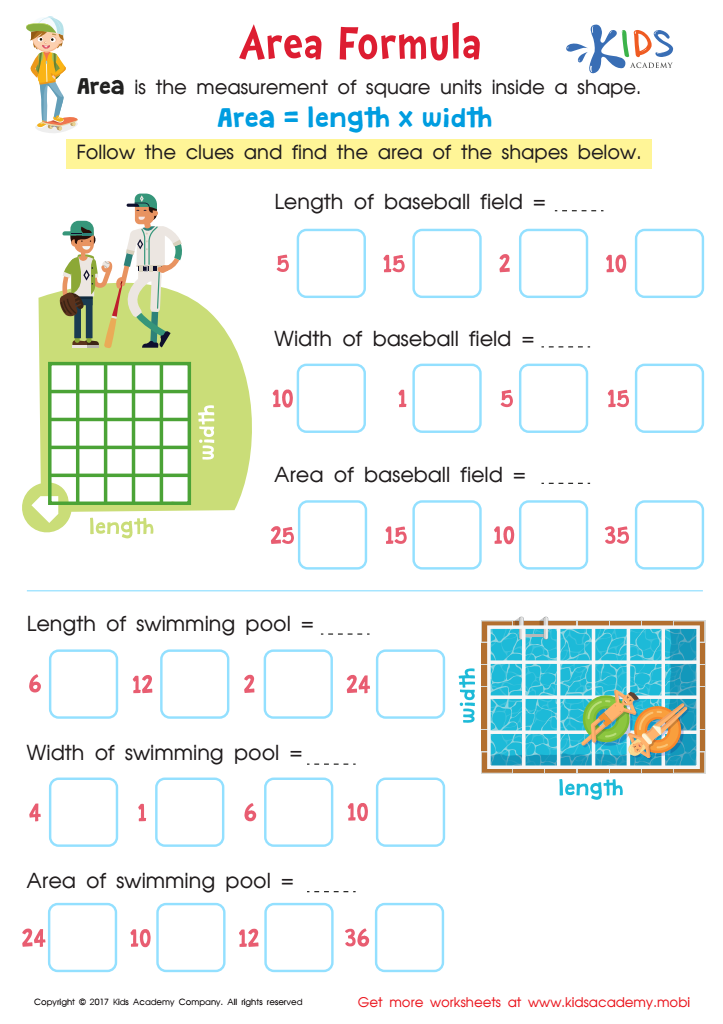
Area Formula Worksheet
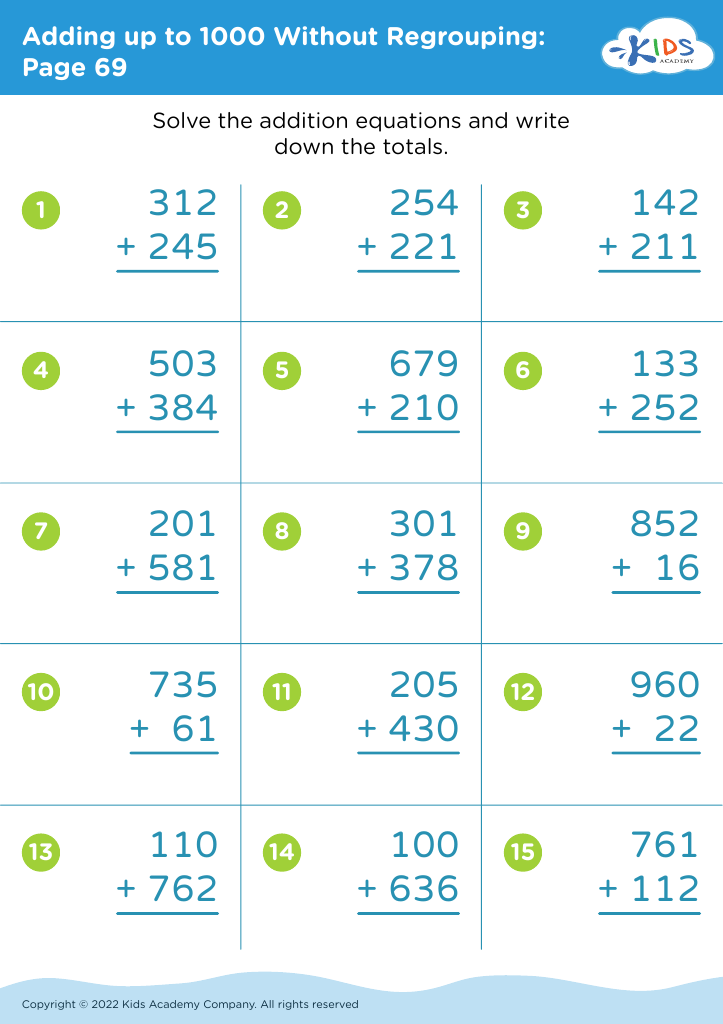
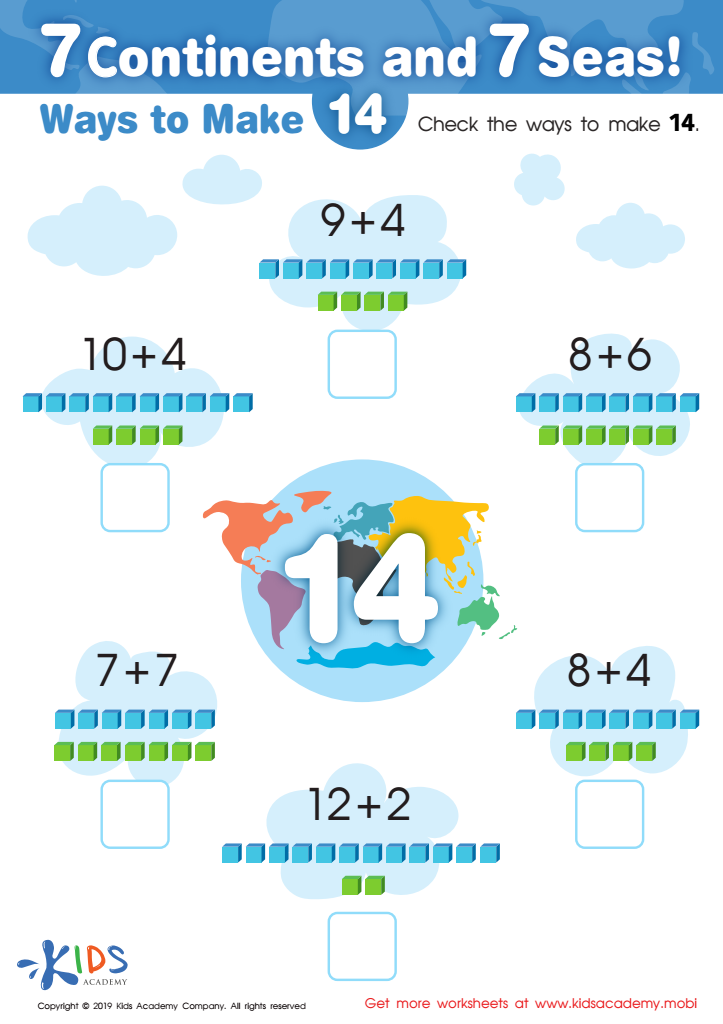
7 Continents and 7 Seas Worksheet
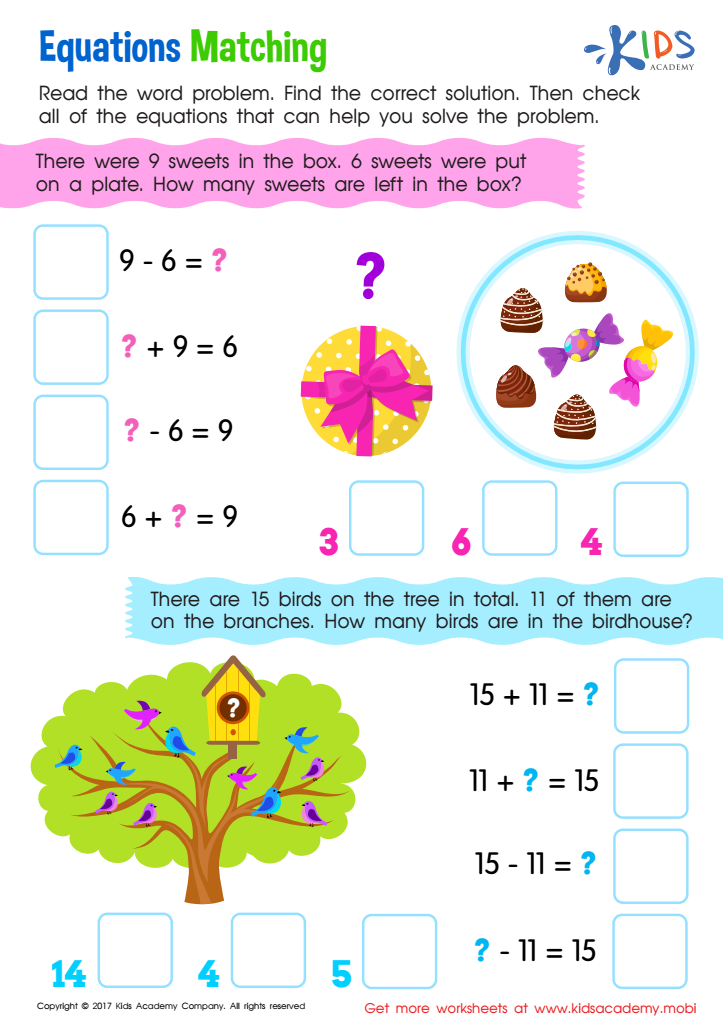
Equations Matching Word Problems Worksheet
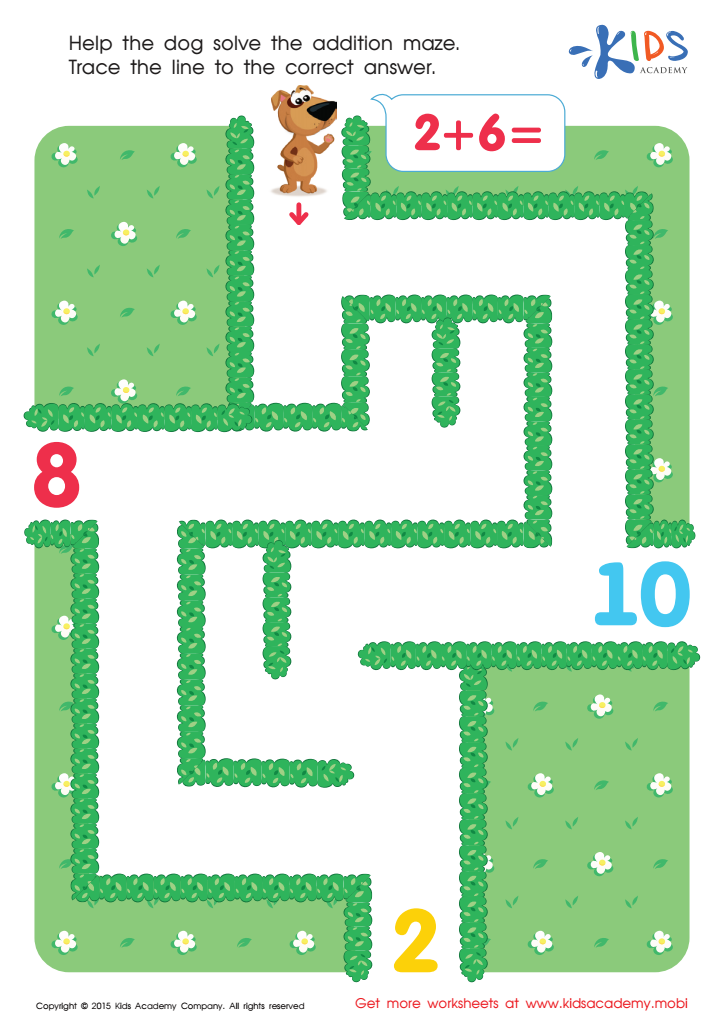
Two Plus Six Addition Worksheet
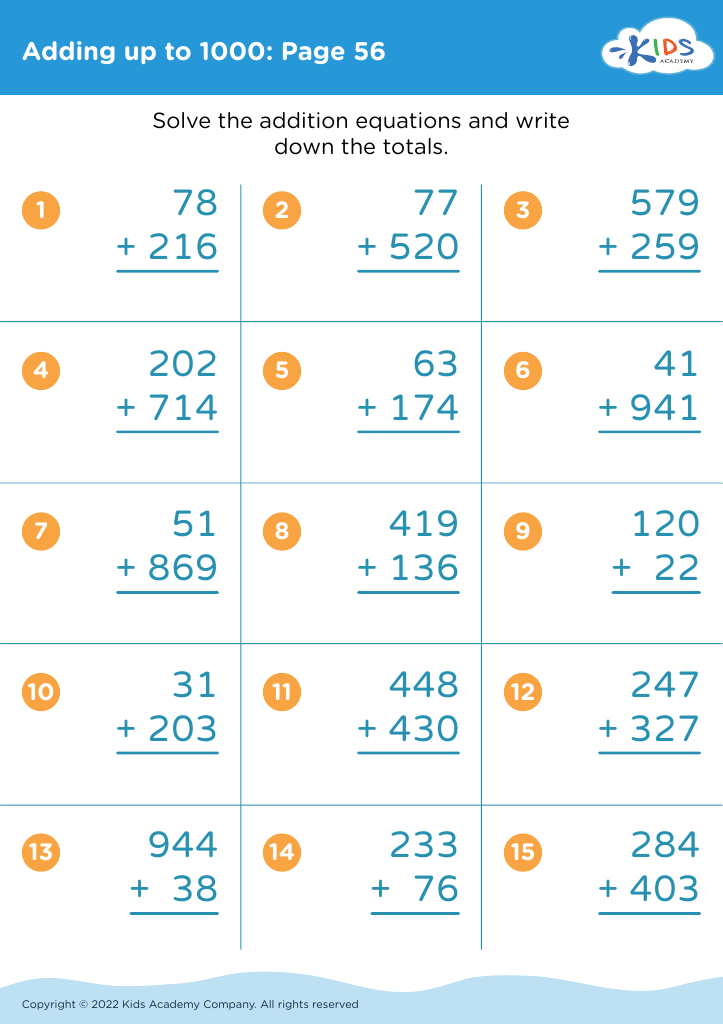
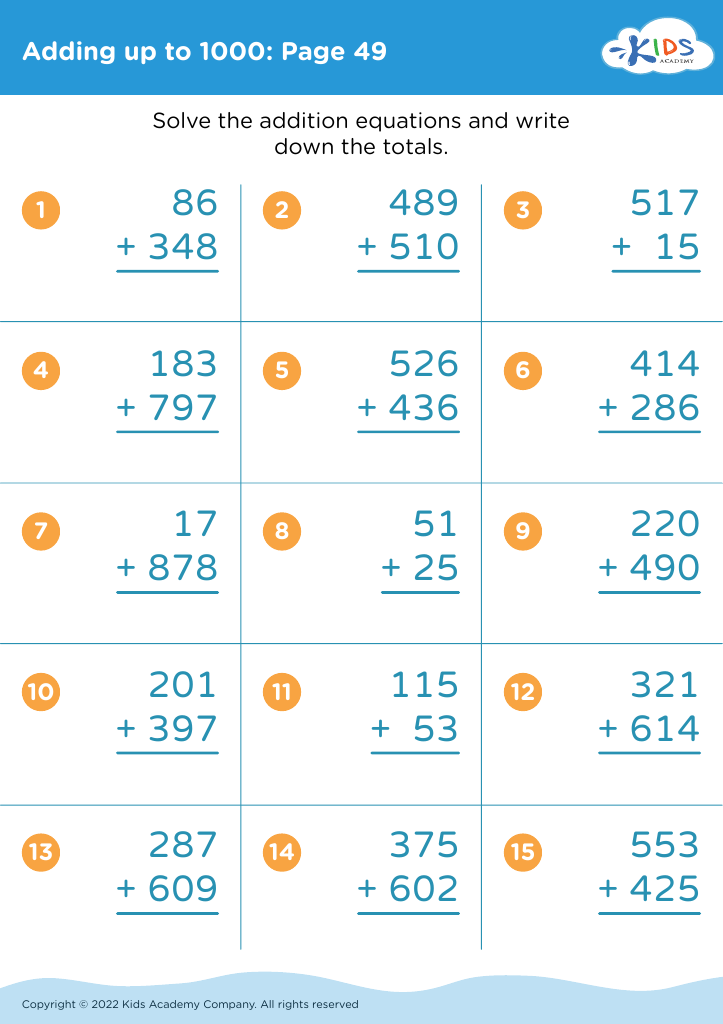
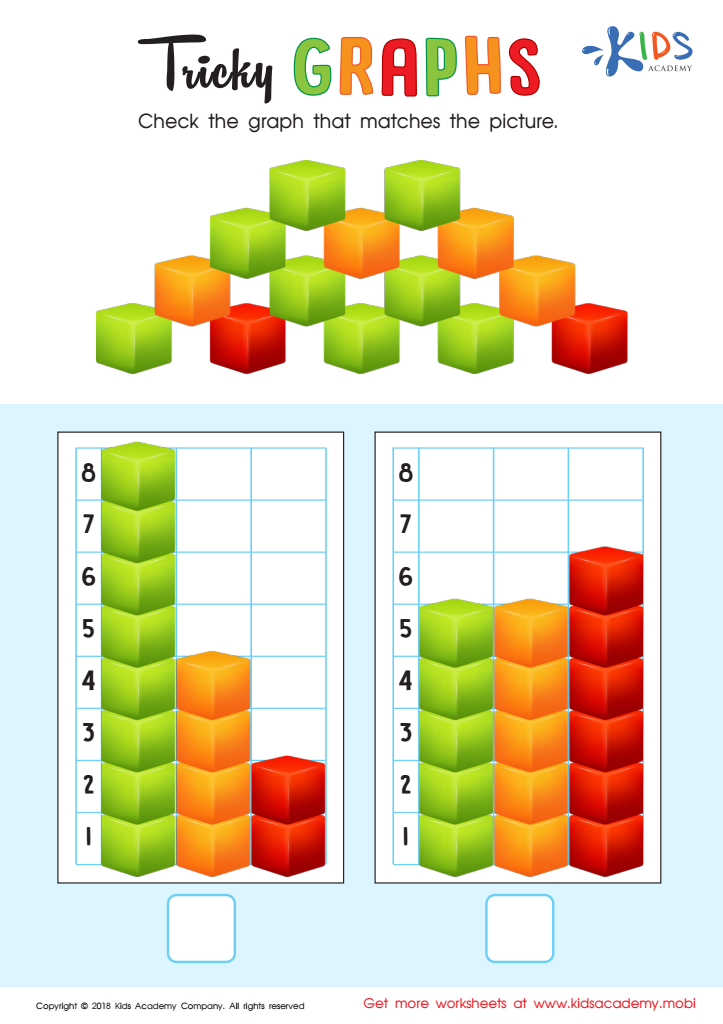
Tricky Graphs Worksheet


.jpg)





Mathematical reasoning is fundamental to a child’s cognitive development and problem-solving skills, which are crucial both academically and in daily life. Parents and teachers should care about nurturing this skill because it enhances critical thinking abilities. When children practice mathematical reasoning, they learn to approach problems systematically, analyzing each step to arrive at logical conclusions. This logical approach is transferable to other subjects and scenarios, leading to better decision-making capabilities.
Mathematical reasoning goes beyond basic arithmetic to include recognizing patterns, understanding relationships, and applying concepts to different contexts. Such skills are instrumental in fields like science, technology, engineering, and mathematics (STEM), which are increasingly central in our modern and future economy. By fostering these skills early on, we prepare students not only for academic success but also for adaptability in a rapidly changing world.
Moreover, developing mathematical reasoning can build confidence and independence. When children understand the "why" behind mathematical concepts rather than just memorizing procedures, they become more engaged and motivated learners. They are better equipped to tackle complex problems and less likely to experience math anxiety. Early support in this area builds a strong foundation for lifelong learning and critical thinking, making it essential for both parents and educators to prioritize.








