Nature appreciation Math Worksheets
5 filtered results
-
From - To
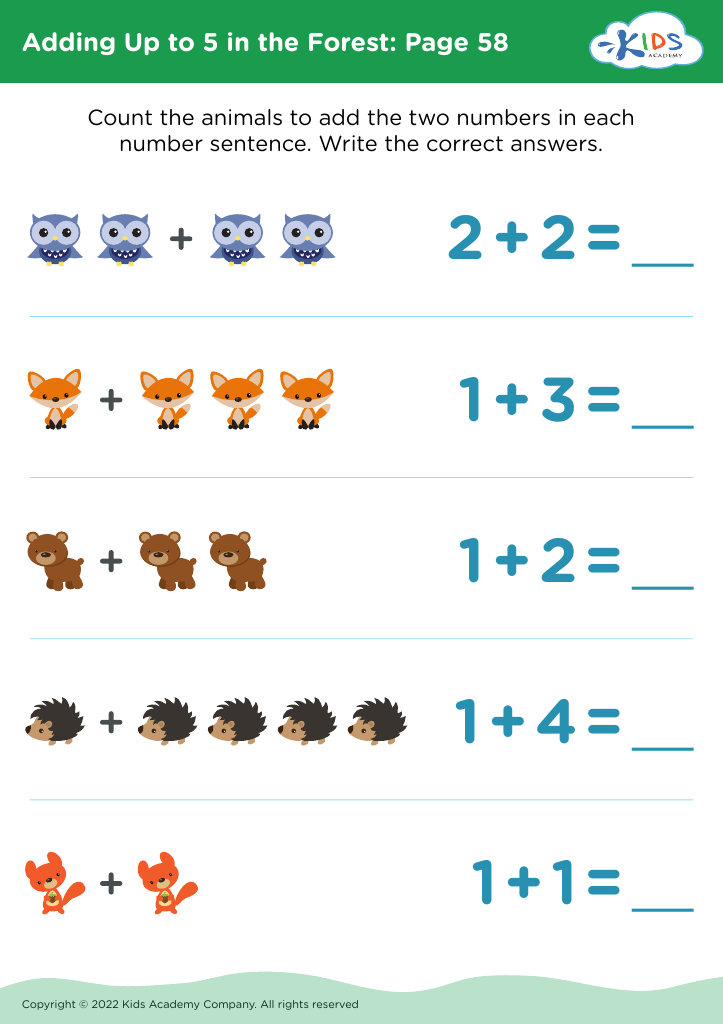
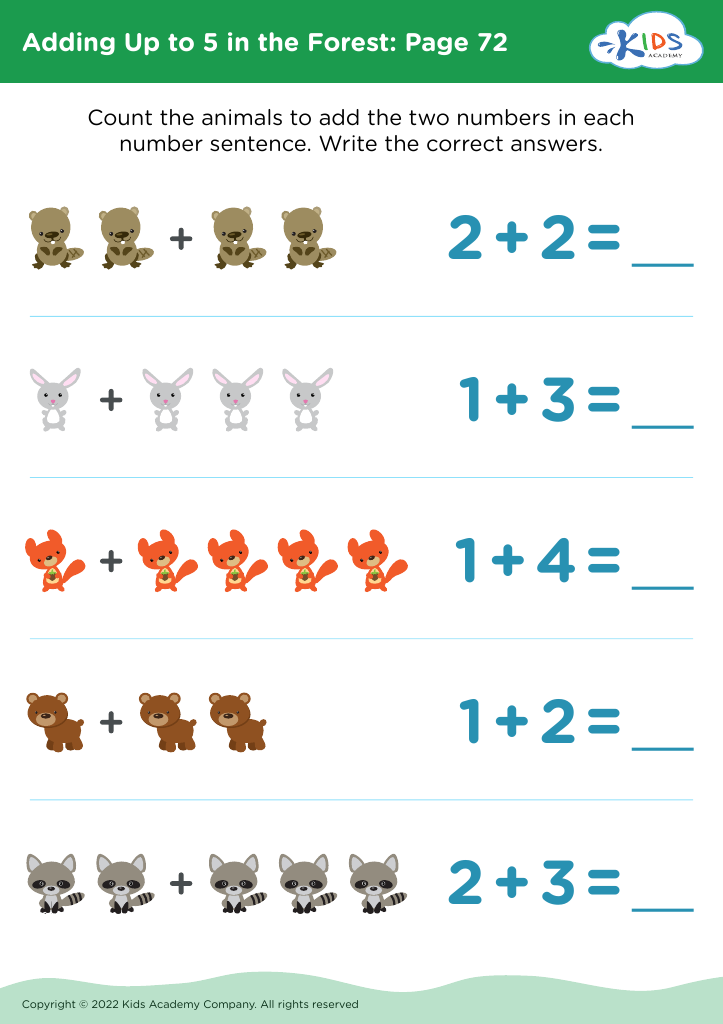
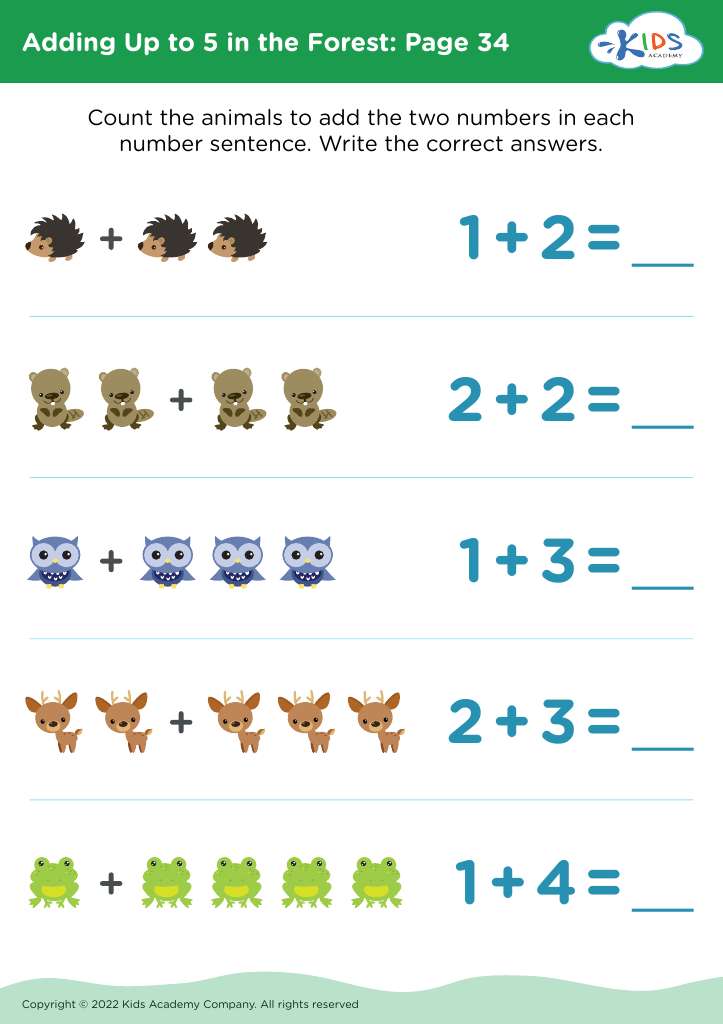
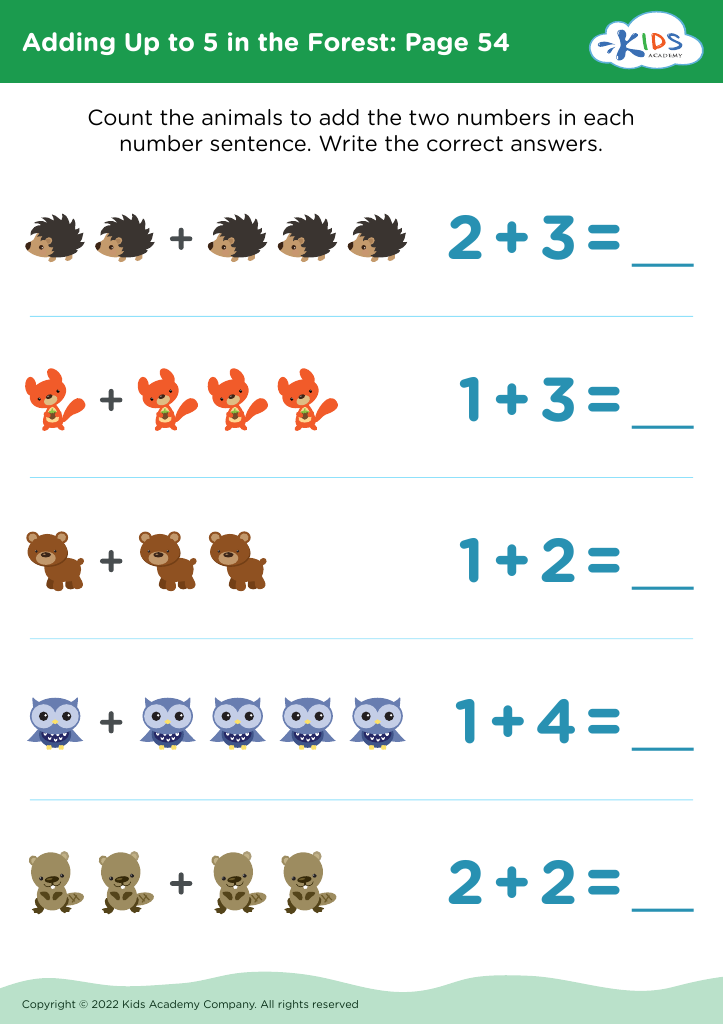
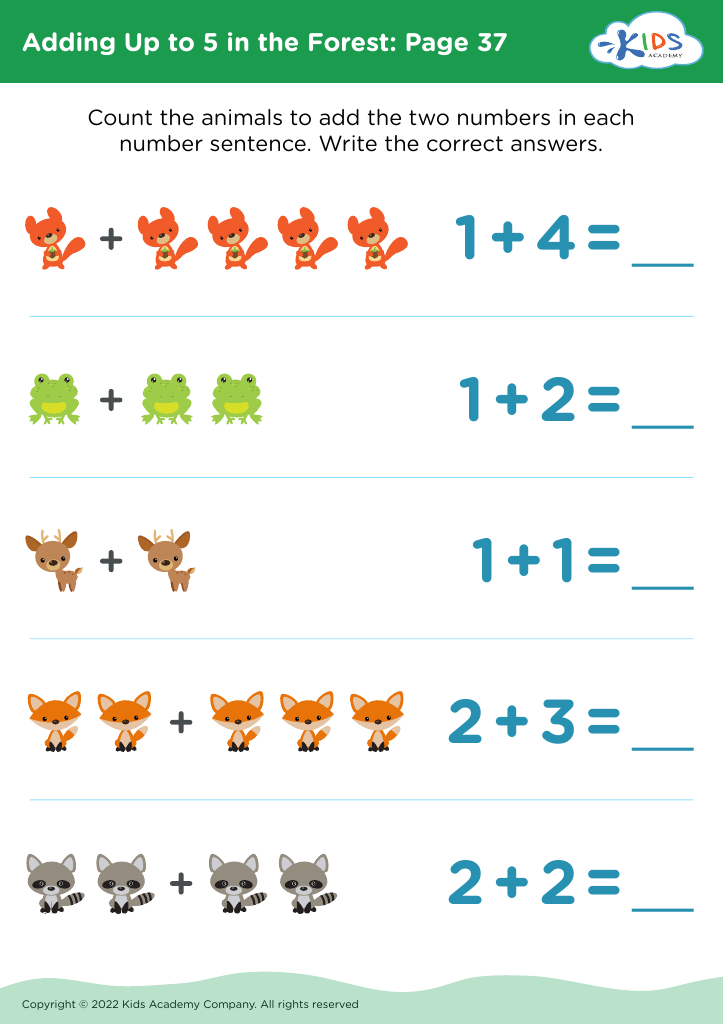
Discover the joy of learning with our "Nature Appreciation Math Worksheets"! These expertly designed resources blend the beauty of the outdoors with essential math skills, making learning engaging and fun for young minds. Partnering picturesque natural elements with counting, shapes, patterns, and more, kids will develop a love for math and the environment. Each worksheet is crafted to nurture curiosity, enhance problem-solving abilities, and foster a deeper connection with nature. Ideal for preschoolers and early graders, our nature-themed worksheets make math an adventure that children eagerly look forward to. Start your child’s educational journey with Math and nature combined!




Parents and teachers should care about Nature Appreciation Math because it enriches children's learning experiences in both scientific and mathematical domains. Integrating nature with math seves multiple educational purposes. Firstly, it makes mathematics tangible and relatable. Children can count leaves, measure tree heights, or calculate the distance between plants, making abstract concepts like arithmetic, geometry, and measurement come to life through hands-on activities.
Secondly, nature appreciation seamlessly incorporates lessons in environmental stewardship. Through understanding patterns (like the Fibonacci sequence in pinecones), symmetry (in butterfly wings), or probability (through observing wildlife), children develop a sense of wonder and responsibility for the natural world. This instills in them values of conservation and respect for ecosystems, which are critical as global environmental challenges escalate.
Moreover, outdoor learning enhances physical and mental well-being. Studies have shown that time spent in nature reduces stress, promotes physical activity, and can improve attention spans—all of which are conducive to effective learning. Involving nature in math education thus creates a holistic development experience that fosters cognitive growth, emotional intelligence, and responsible citizenship. Parents and teachers who champion this approach are therefore nurturing not just competent mathematicians, but well-rounded individuals ready to face future challenges with critical thinking and empathy.








