Observation skills Math Worksheets
5 filtered results
-
From - To
Enhance your child's math learning experience with our engaging observation skills math worksheets! Designed specifically for early learners, these worksheets focus on developing critical observation abilities that underpin effective problem-solving in mathematics. Children will enjoy a variety of activities that encourage them to analyze patterns, make comparisons, and identify details. By practicing with these worksheets, kids will strengthen their observation skills while cultivating a solid foundation in math. Suitable for home or classroom use, our resources are perfect for supporting your child's educational journey. Download and boost your child's confidence in math through fun and insightful observation exercises today!
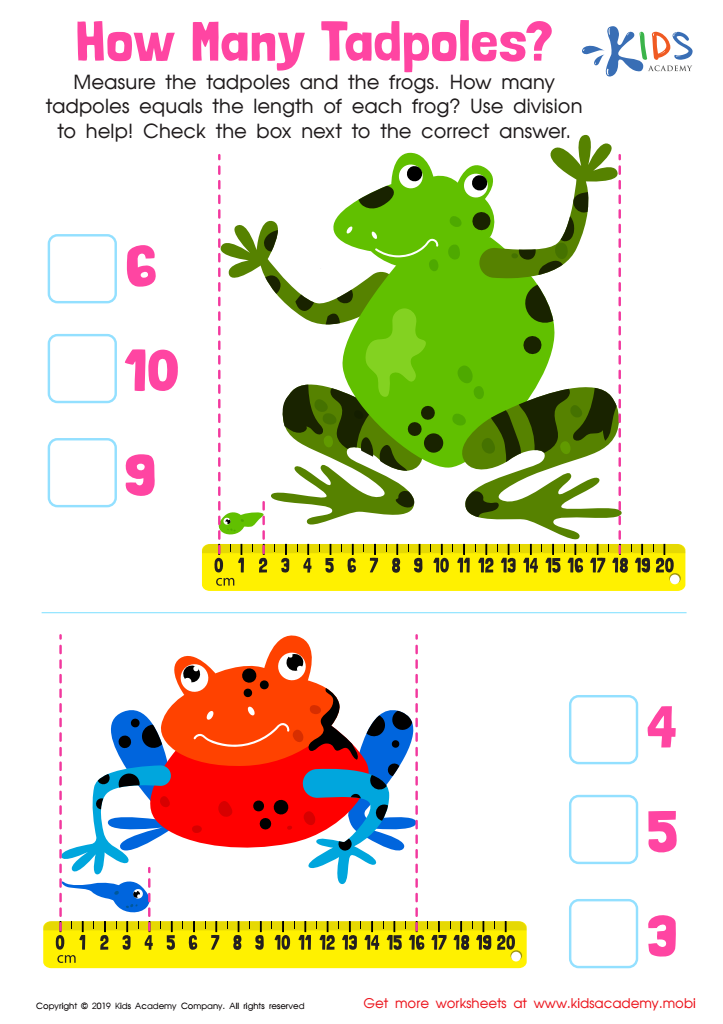
How Many Tadpoles Worksheet
 Assign to My Students
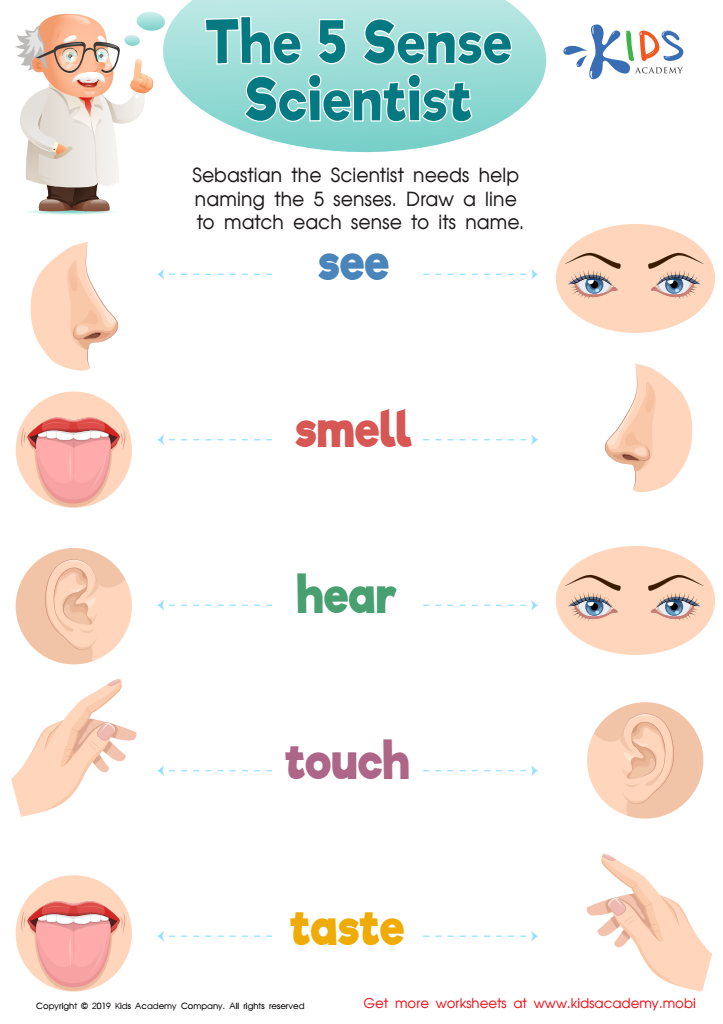
The 5 Sense Scientist Worksheet
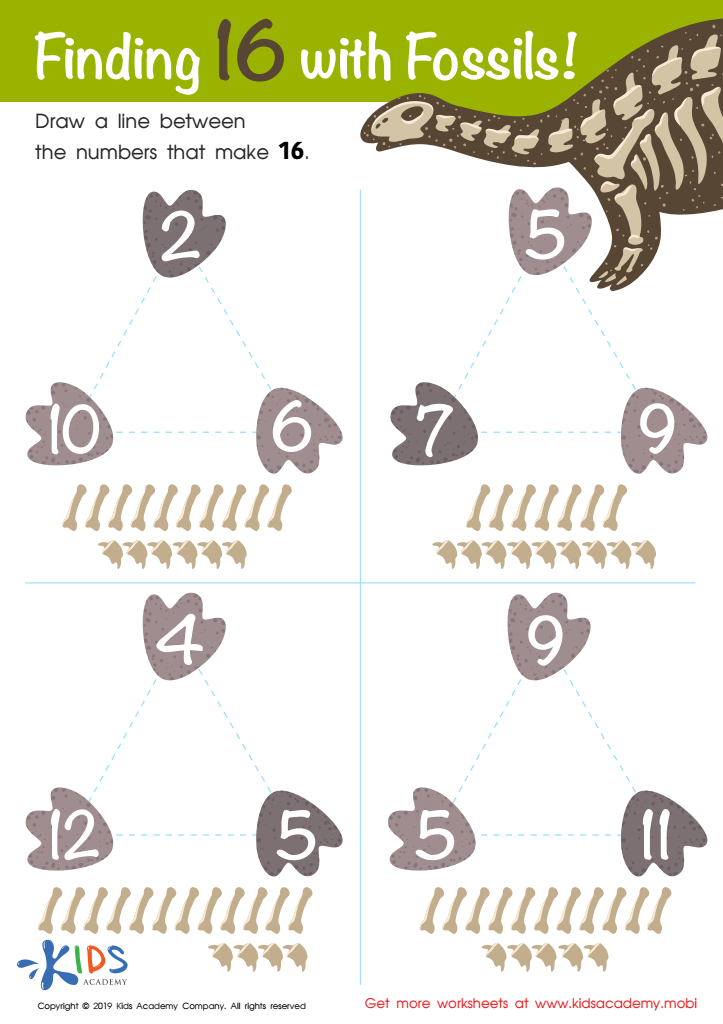
Finding 16 With Fossils Worksheet
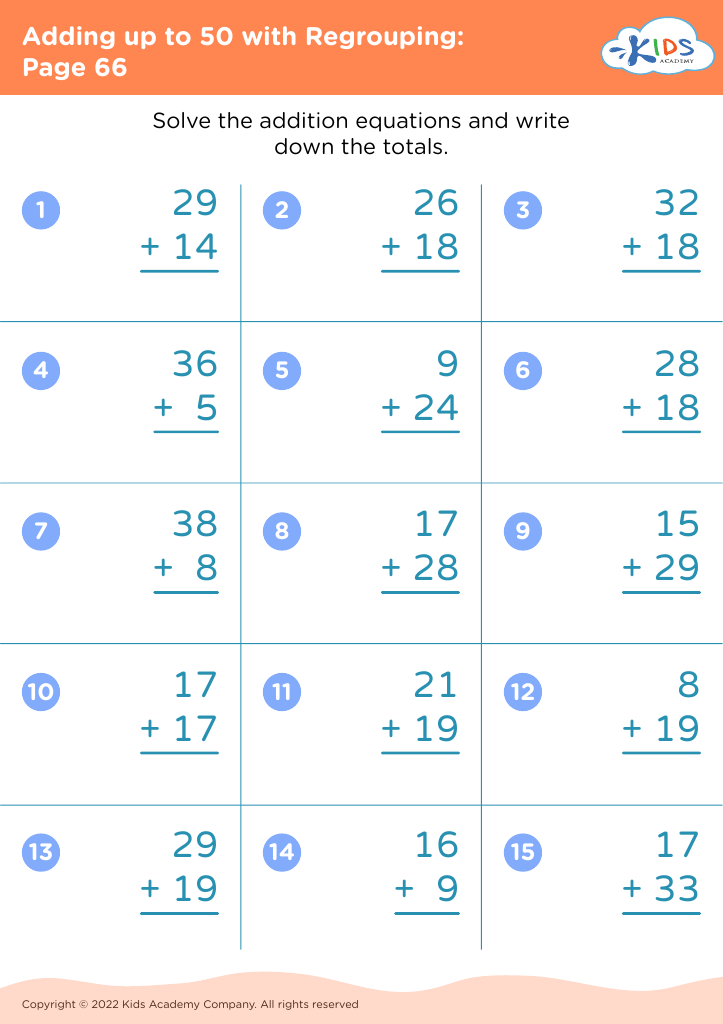
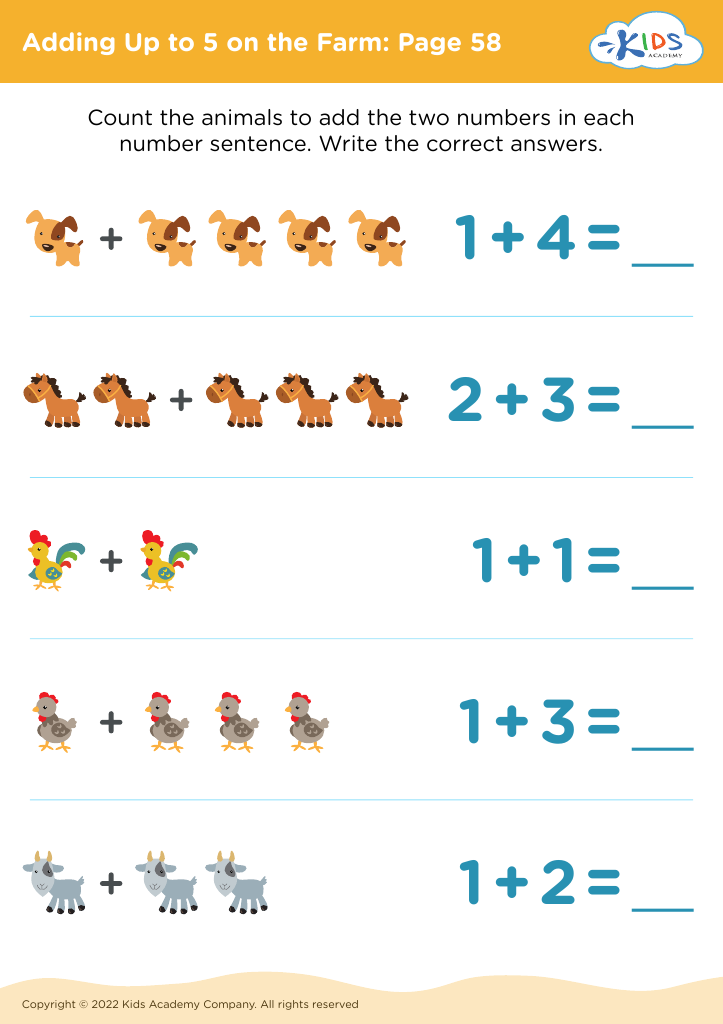








Observation skills in mathematics are crucial for both parents and teachers as they lay the foundation for students' understanding and engagement in the subject. These skills allow children to identify patterns, recognize relationships, and develop critical thinking. By observing mathematical concepts in everyday life, youngsters learn to apply what they’ve studied in the classroom, bridging the gap between theory and practical usage.
For teachers, developing these skills in students fosters an inquiry-based learning environment, where questions and curiosity drive exploration. This can lead to deeper comprehension and heightened motivation as students feel empowered by their ability to discover and interpret mathematical truths.
Parents play a role in this educational journey as well. Encouraging children to observe math in various contexts—like counting items during shopping or measuring ingredients in cooking—helps solidify their learning. This emphasis on observation can enhance children's problem-solving abilities and make math more relatable.
Ultimately, focusing on observation skills not only enhances academic performance but also prepares students for real-world applications. By prioritizing these skills, parents and teachers can nurture confident, well-rounded learners equipped to tackle mathematical challenges.








