
Practice writing numbers Math Worksheets
6 filtered results
Difficulty Level
Grade
Age
-
From - To
Subject
Activity
Standards
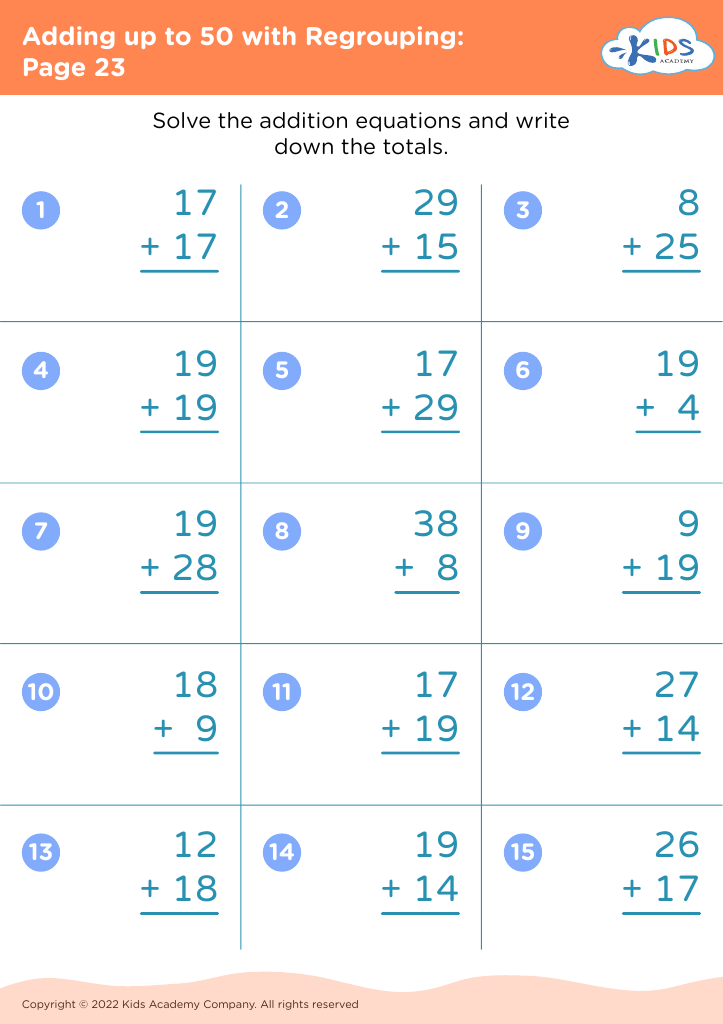
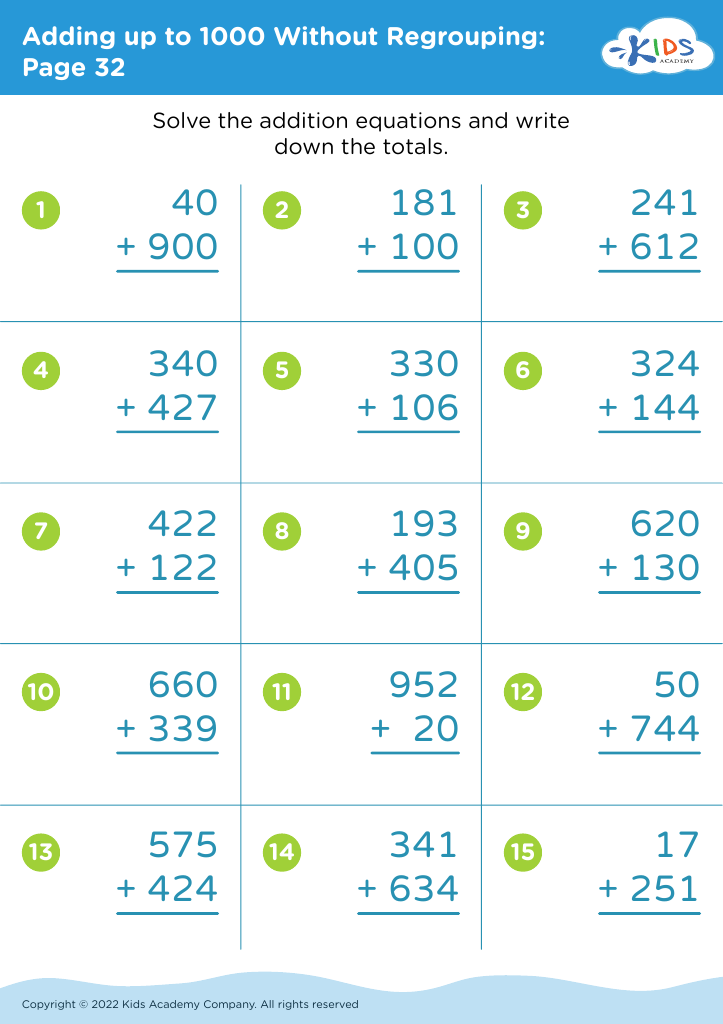
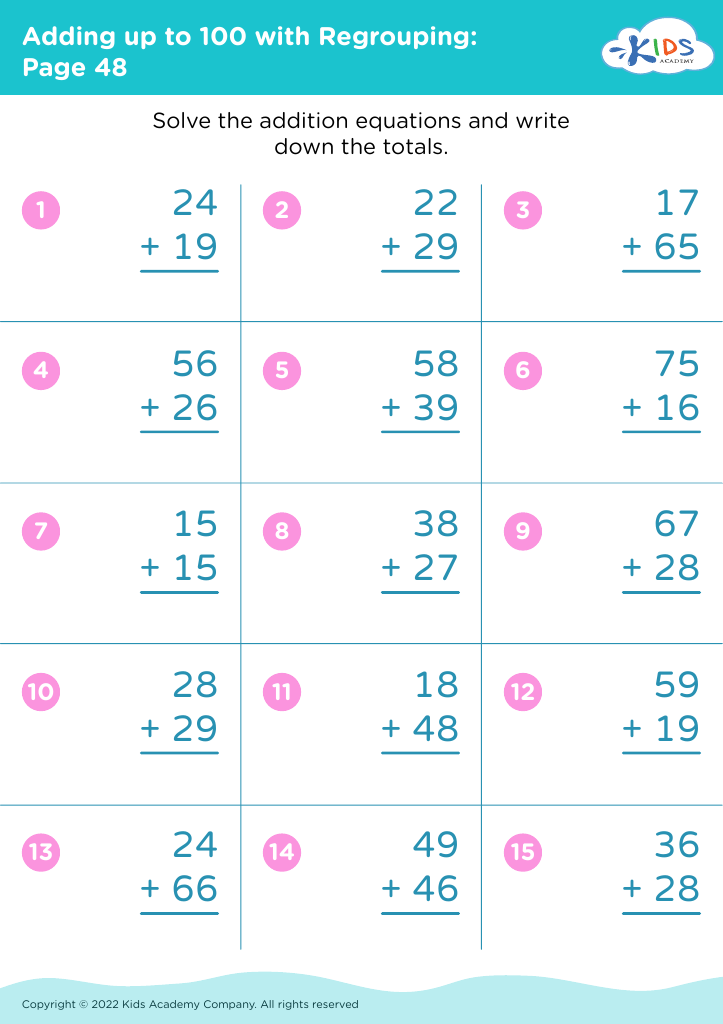
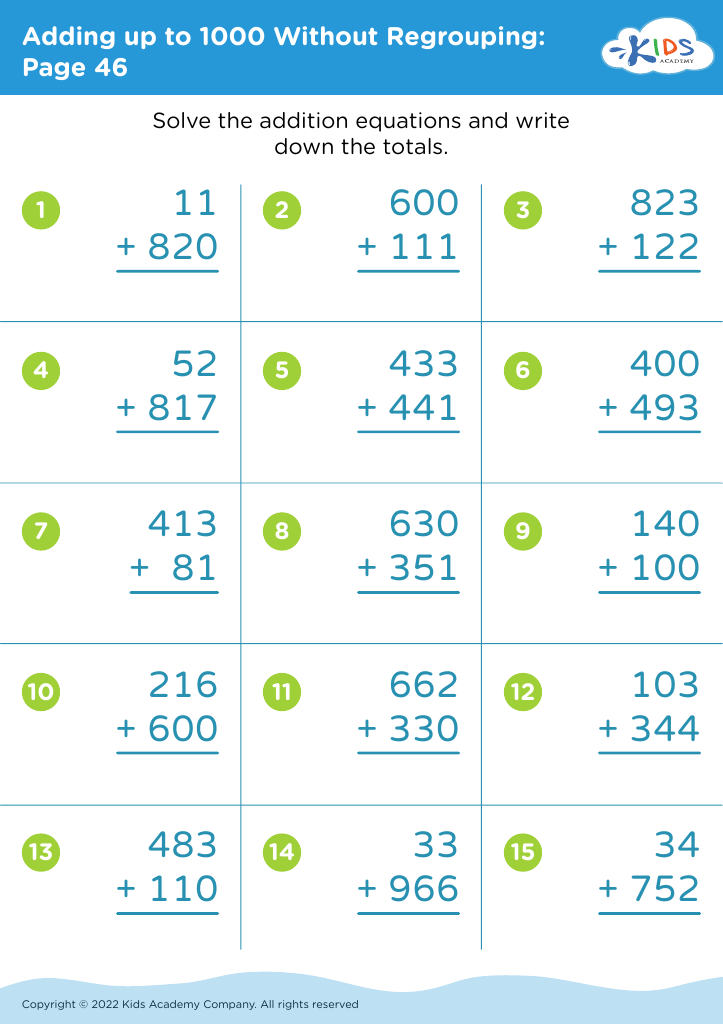
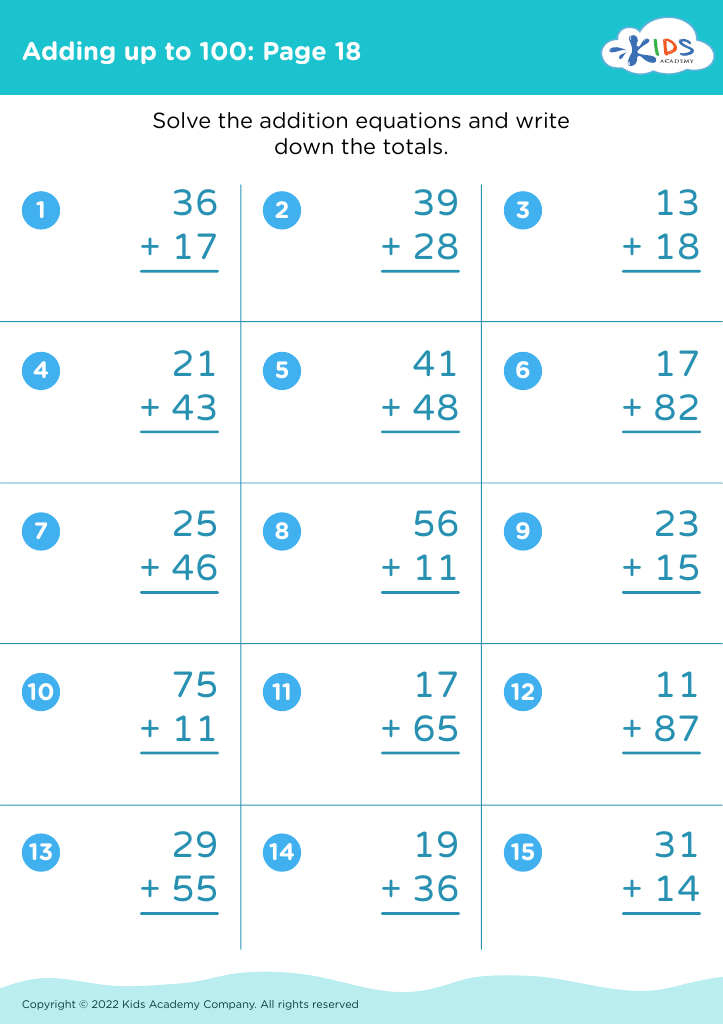
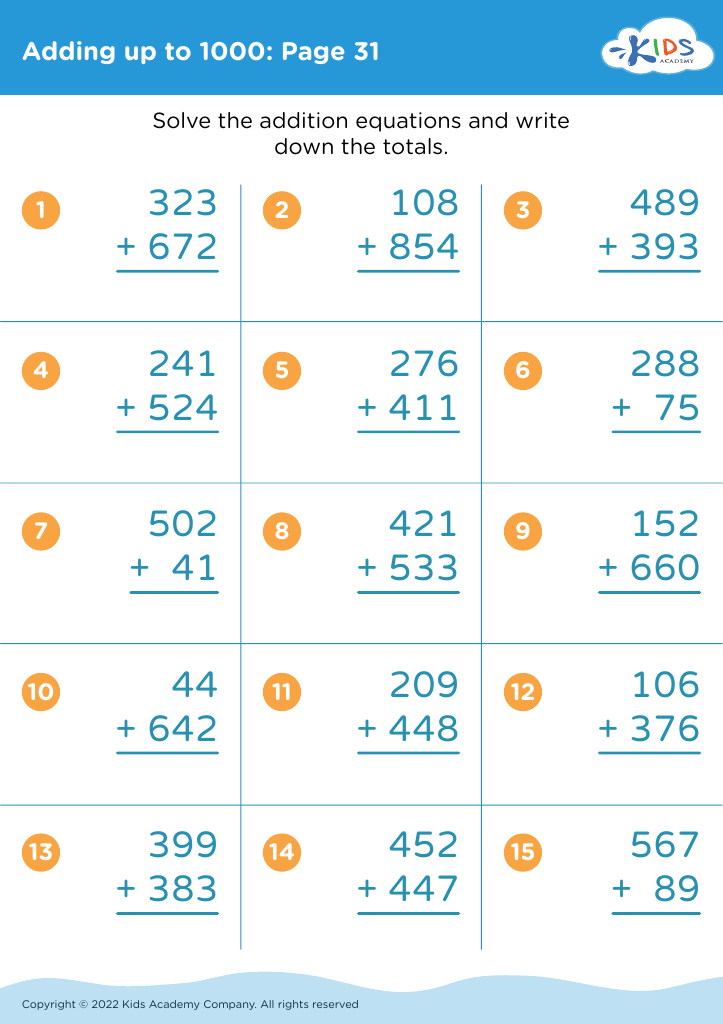
Enhance your child's numeracy skills with our Practice Writing Numbers Math Worksheets! Designed for young learners, these engaging worksheets help children develop their number writing abilities through fun and interactive exercises. Each printable page offers clear instructions and creative activities that encourage toddlers and preschoolers to practice writing digits confidently. With a variety of formats, including tracing, free writing, and number recognition games, children stay motivated and involved in their learning. Perfect for parents and teachers, our worksheets make early math education enjoyable while laying a strong foundation for future numeracy success. Download and watch your child excel in writing numbers today!
Favorites
With answer key
Interactive
Join Kids Academy for Free
Who is primarily going to use this learning content?







Practicing writing numbers is crucial for early childhood education, as it lays the foundation for a child's mathematical understanding and overall cognitive development. When parents and teachers emphasize number writing, they help children develop essential fine motor skills, which are vital for tasks beyond mathematics, such as writing and self-care. Engaging in number writing fosters hand-eye coordination and strengthens the muscle memory needed for later writing tasks.
Furthermore, writing numbers reinforces number recognition and understanding of quantity. As children practice writing, they learn to associate the numeral with its corresponding value, enhancing their ability to perform basic mathematical operations—in addition to establishing a solid number sense. This aids in reducing math anxiety, as familiarity with numbers breeds confidence.
Additionally, regular practice in writing numbers can enhance problem-solving skills, as it encourages children to visualize numerical relationships. By involving parents and teachers in this practice, children receive consistent support, facilitating a love for math that can last a lifetime. In essence, prioritizing number writing not only prepares children for future academic success but also nurtures critical cognitive and motor skills necessary for everyday life.








