Spatial Orientation Math Worksheets
4 filtered results
-
From - To
Enhance your child's spatial awareness and mathematical skills with our Spatial Orientation Math Worksheets! Designed for early learners, these engaging worksheets help children understand concepts like position, direction, and distance through fun exercises. Activities include identifying shapes, understanding relative locations, and interpreting maps. Our resources cater to various learning styles, making it easier for educators and parents to support their child's development. Putting theory into practice, these worksheets allow kids to explore and strengthen their spatial reasoning, paving the way for future success in math. Boost confidence and encourage exploration with our creative and interactive spatial orientation worksheets!
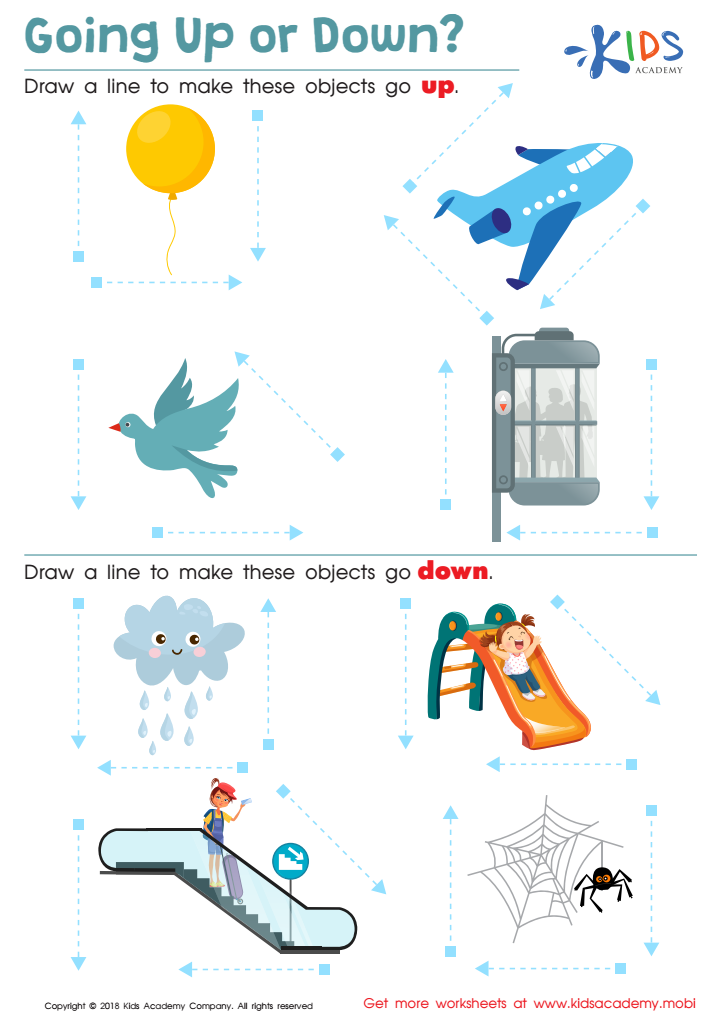
Going up or Down? Worksheet
 Assign to My Students
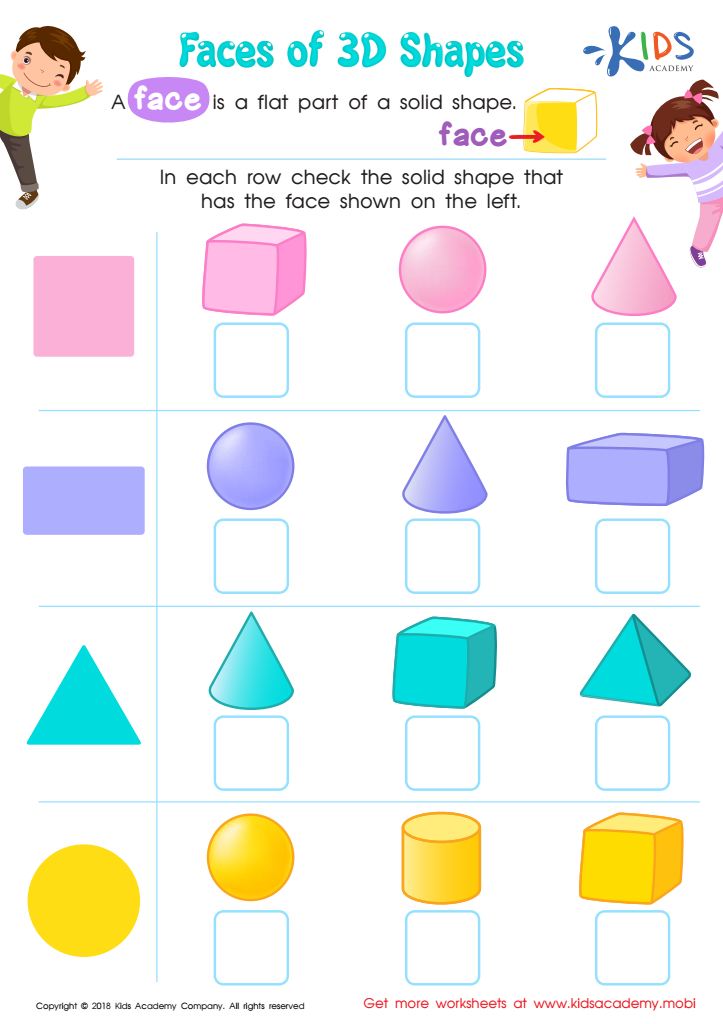
Faces of 3D Shapes Worksheet
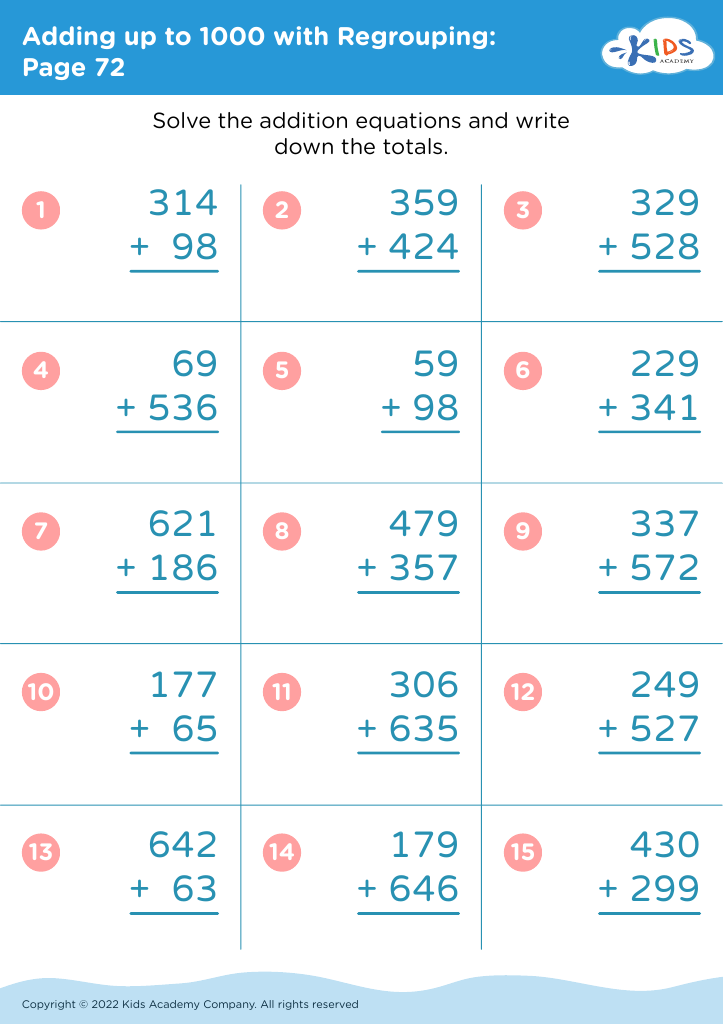
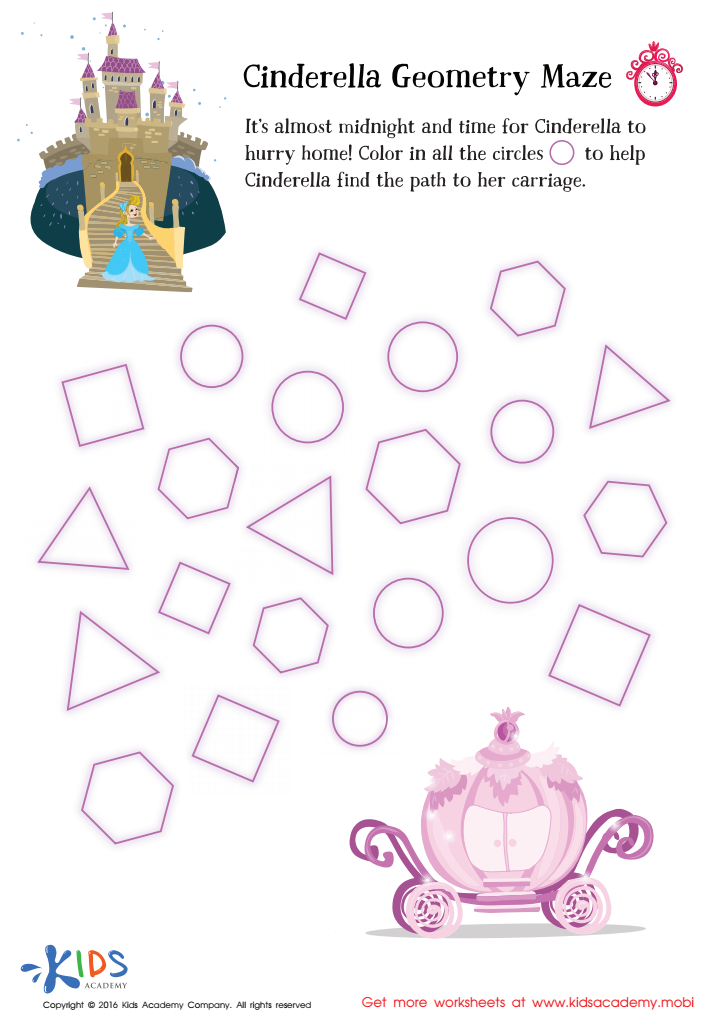
Cinderella Geometry Maze Worksheet








Spatial orientation math is a crucial aspect of a child's cognitive development, providing a foundational skill set that extends far beyond the classroom. Parents and teachers should care about it for several reasons.
Firstly, spatial orientation enhances problem-solving abilities. As children learn to recognize shapes, directions, and spatial relationships, they develop critical thinking skills that are essential in mathematics, science, and daily life. Understanding spatial concepts helps them visualize problems and approach them methodically.
Additionally, spatial orientation is linked to future academic success. Research indicates that strong spatial skills correlate with proficiency in areas like geometry and algebra. By nurturing these skills early, parents and teachers can set students on a path toward advanced math understanding in higher grades.
Moreover, spatial orientation is vital in real-world applications, from navigating spaces in their environment to careers in fields such as engineering, architecture, and computer science.
Lastly, supporting spatial math encourages creativity and innovation. When children learn to manipulate objects and envision different configurations, they cultivate an imaginative mindset. By prioritizing spatial orientation in early education, parents and teachers empower children with skills that prepare them for lifelong learning and adaptability in a complex world.








