
Time conversion skills Math Worksheets
3 filtered results
Difficulty Level
Grade
Age
-
From - To
Subject
Activity
Standards
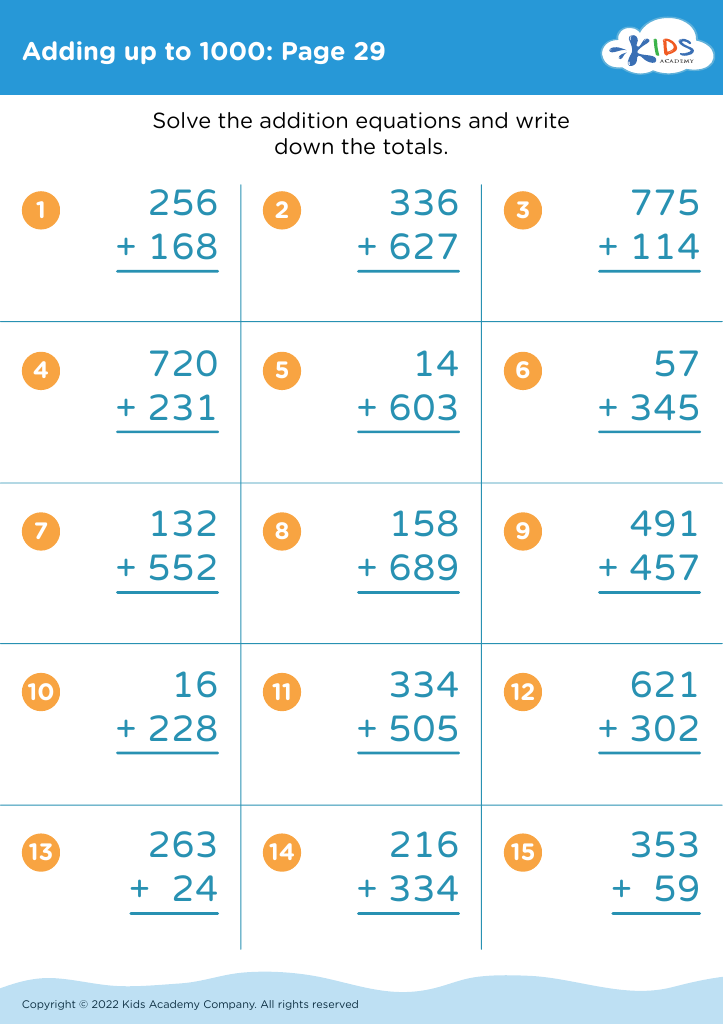
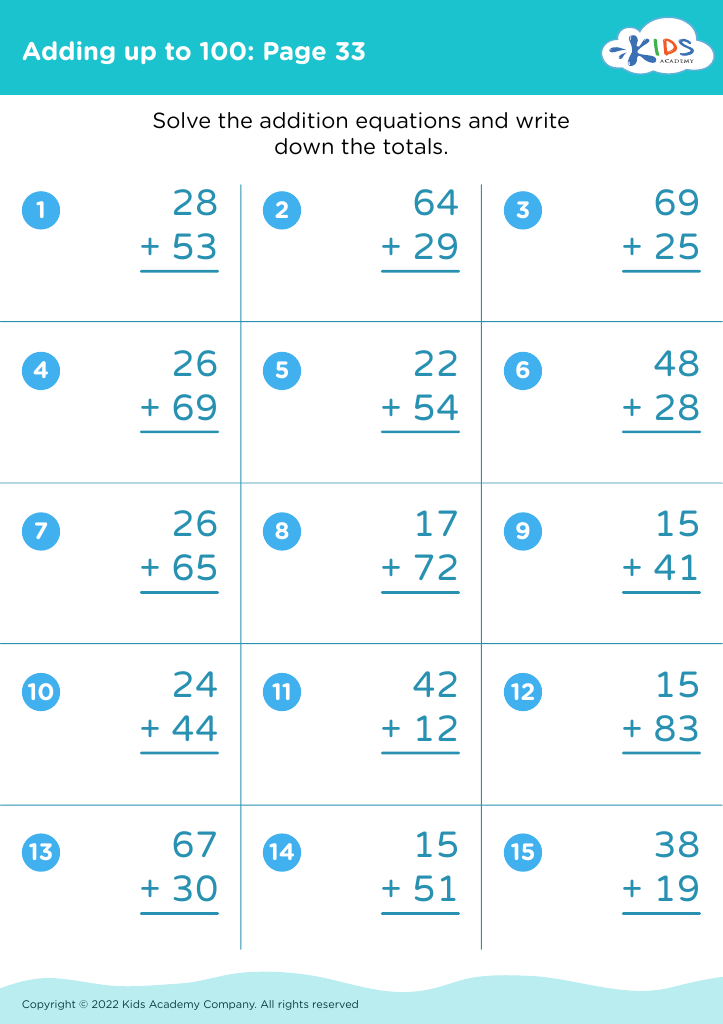
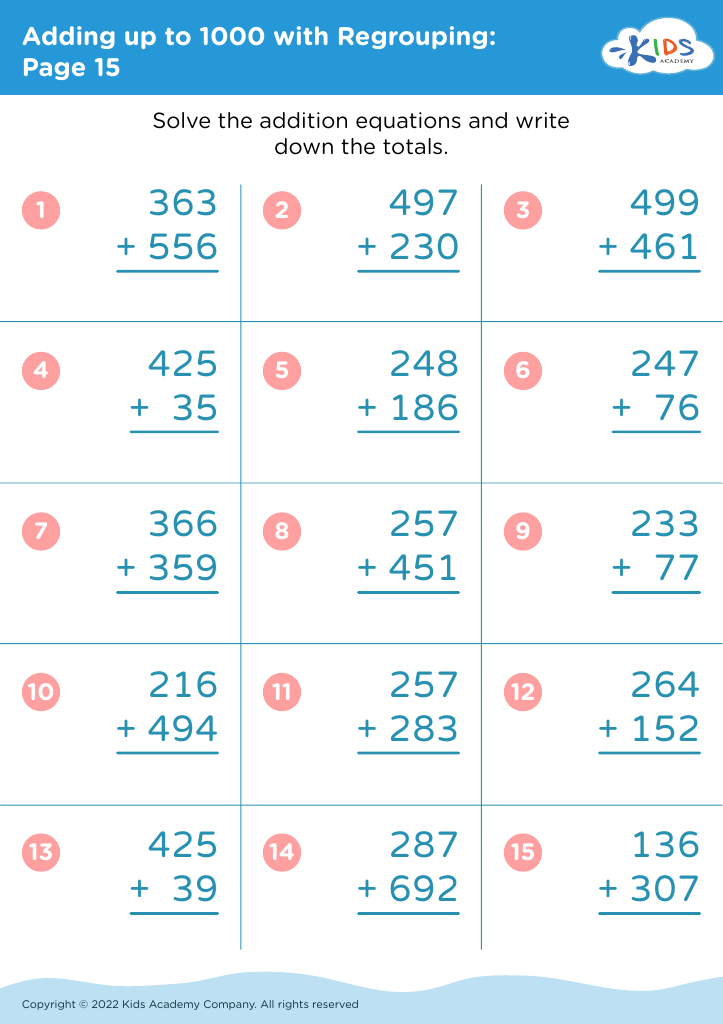
Enhance your child's understanding of time with our engaging Time Conversion Skills Math Worksheets. Designed for young learners, these worksheets cover essential topics like converting hours to minutes, minutes to seconds, and subtracting time. Perfect for classroom or at-home practice, they provide a structured yet fun approach to mastering time conversion. Each sheet includes clear instructions, colorful graphics, and varied problems to keep kids excited about learning. Boost their math skills and confidence with tailored exercises that cater to different grade levels. Download now to make time conversion an enjoyable skill for your young mathematician!
Favorites
With answer key
Interactive
Join Kids Academy for Free
Who is primarily going to use this learning content?




.jpg)



Understanding time conversion skills is essential for children not just academically but also in their daily lives. Parents and teachers play pivotal roles in emphasizing this learning. Time conversion involves translating hours to minutes, minutes to seconds, and understanding time differences, which forms the backbone of time management.
First, children who grasp time conversion can efficiently manage their schedules, balancing study, play, and rest — crucial for their overall development. For instance, converting homework duration from minutes to hours helps them allocate sufficient time for each task.
Moreover, proficiency in time conversion enhances problem-solving skills. It requires analytical thinking and a clear understanding of mathematical concepts. In exams, it frequently appears in word problems, bolstering arithmetic practice.
From a life skills perspective, being competent in time conversion aids in understanding real-world scenarios like traveling schedules, cooking recipes, or sports timings, fostering a sense of responsibility and independence.
Lastly, teachers can assess a child’s numerical aptitude through time conversion exercises, enabling targeted support where needed. Therefore, investing time in teaching these skills equips children with foundational knowledge that aids in their ongoing educational journey and practical life. Parents and teachers caring about time conversion are nurturing organized, analytical, and competent individuals.








