Understanding equality Math Worksheets
7 filtered results
-
From - To
Discover engaging "Understanding Equality" math worksheets designed to help young learners grasp the concept of equality in mathematical equations. These resources use fun and interactive activities, making it easier for kids to learn how to identify equal and unequal values through visuals and real-life examples. Worksheets include a variety of problems that encourage students to compare numbers, solve simple equations, and enhance their problem-solving skills. Ideal for early grade classrooms and at-home learning, these worksheets promote critical thinking and a solid foundation in basic math concepts, ensuring children build confidence and competence in their math abilities. Start your journey to mathematical understanding today!
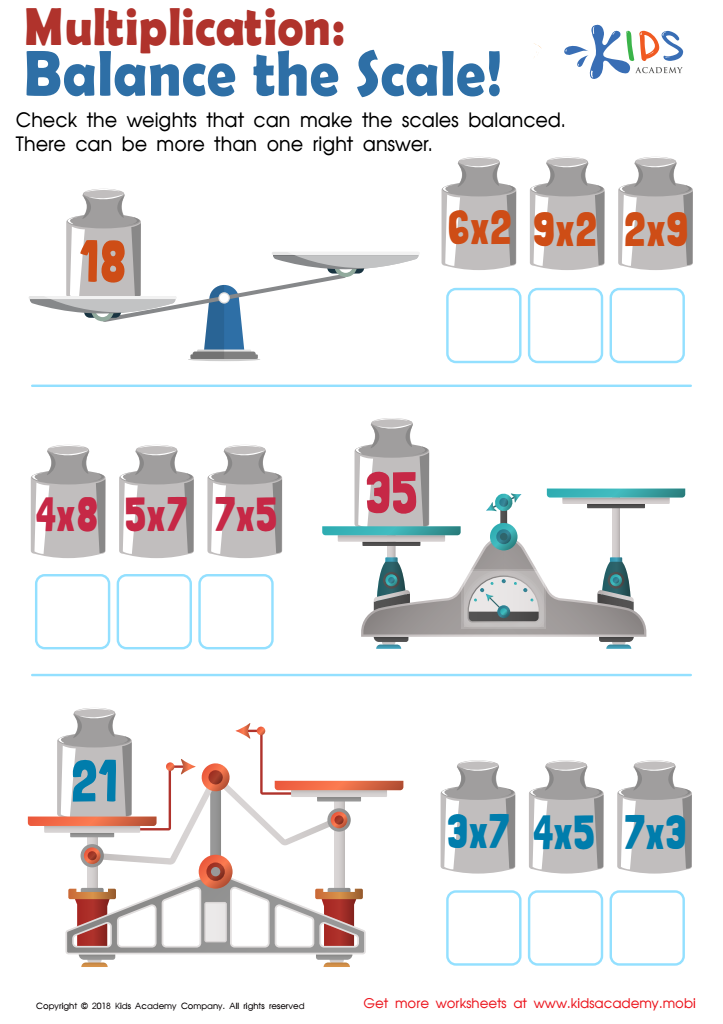
Balance the Scales Multiplication Worksheet
 Assign to My Students
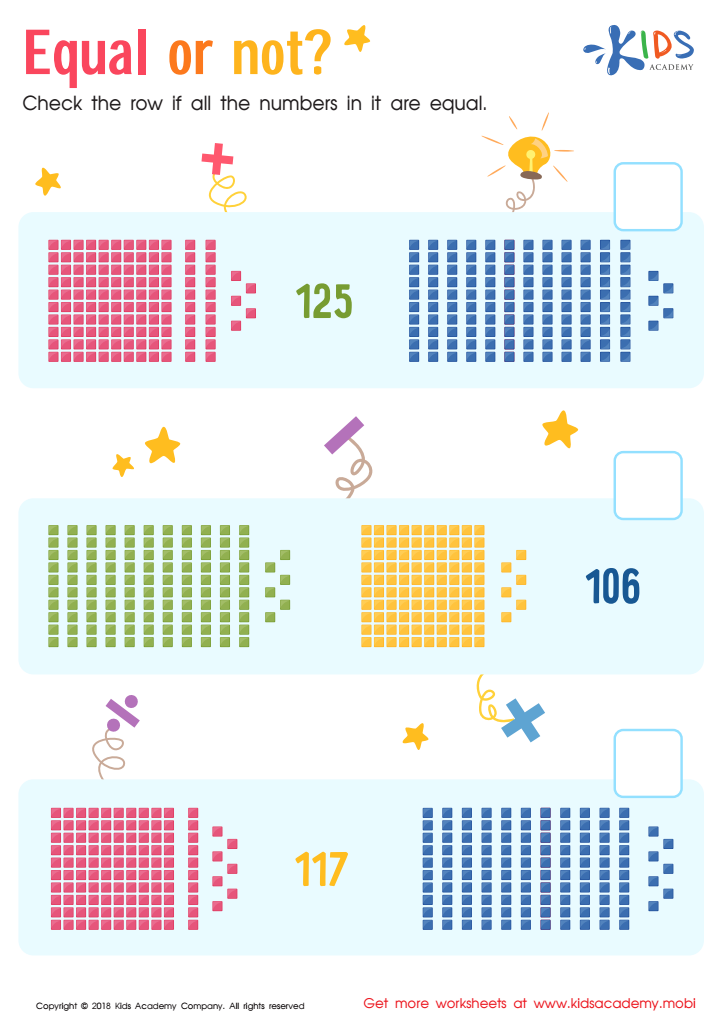
Equal or not Worksheet
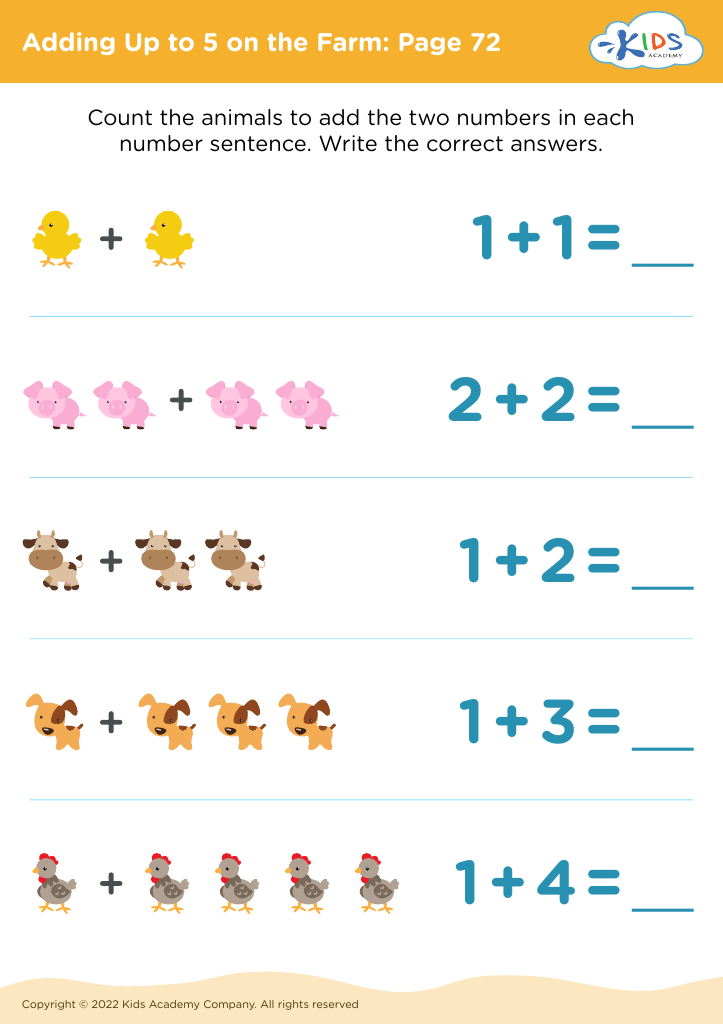
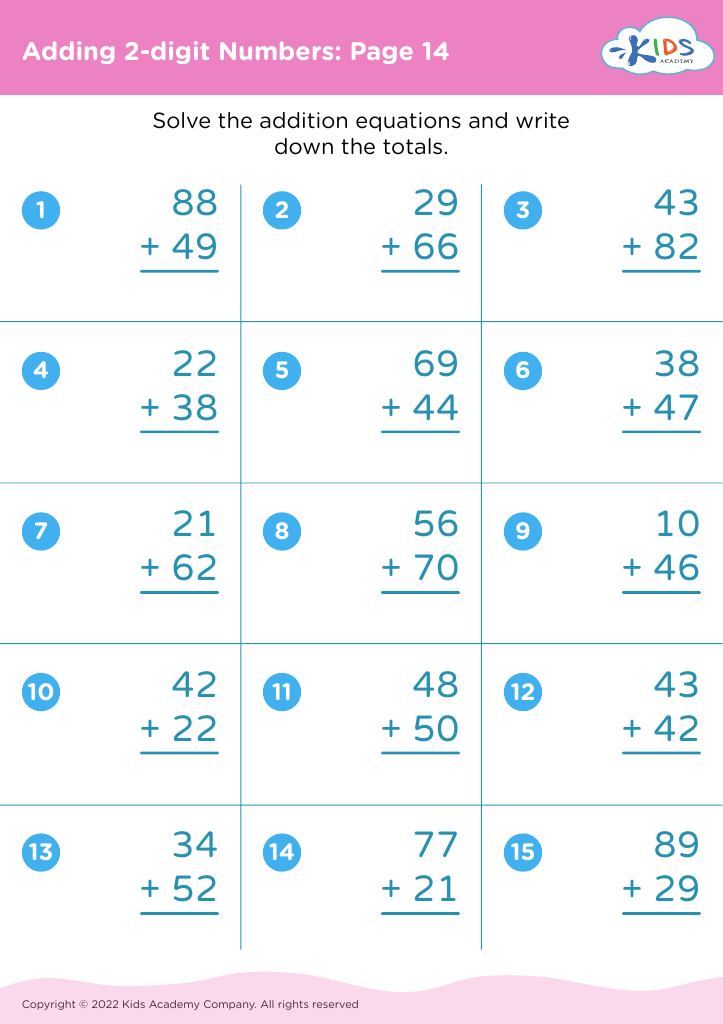
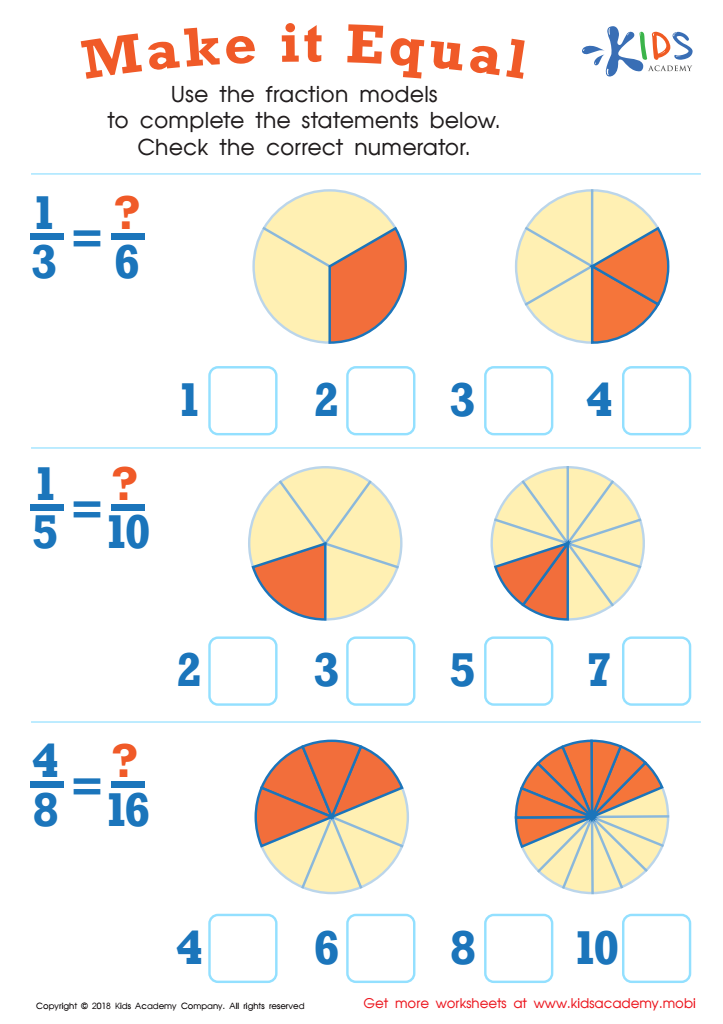
Make It Equal Worksheet
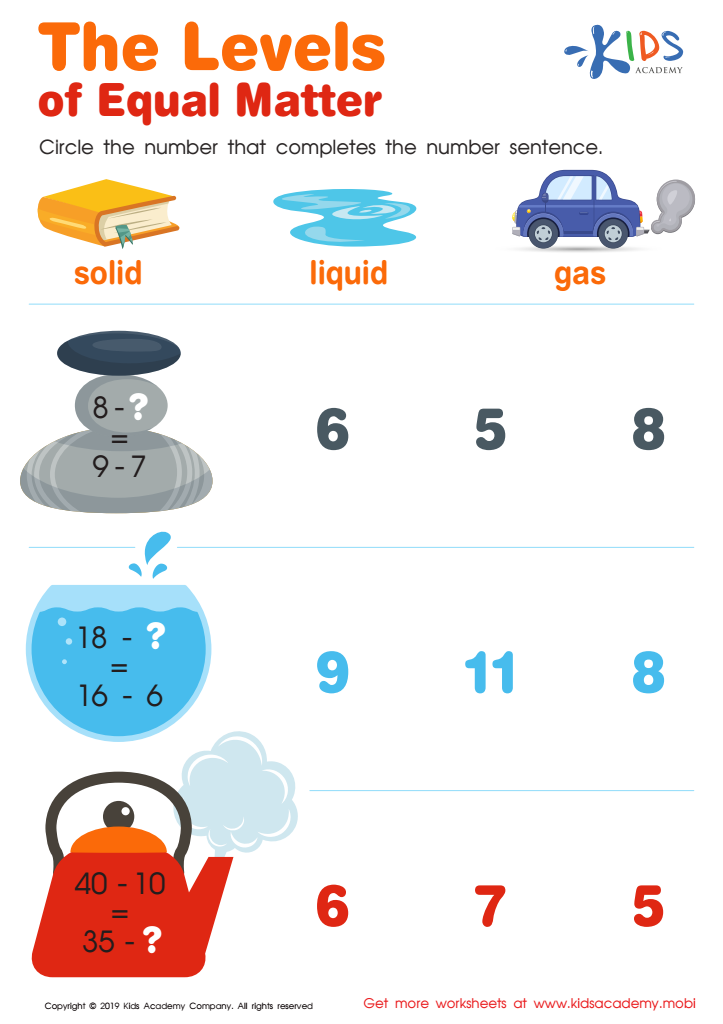
The Levels of Equal Matter Worksheet
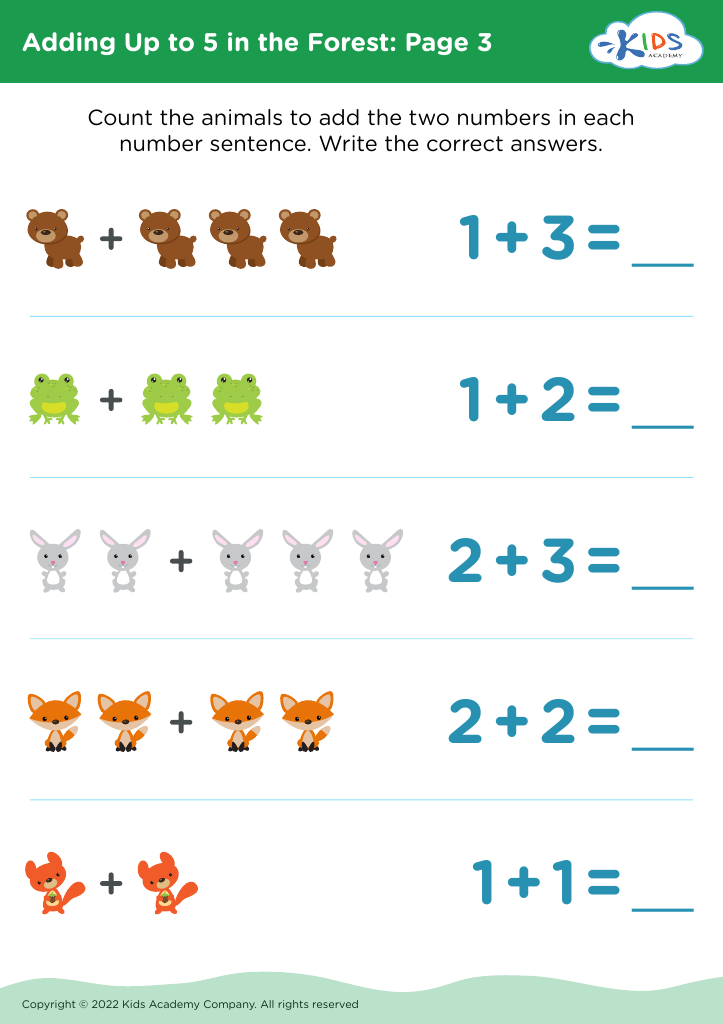



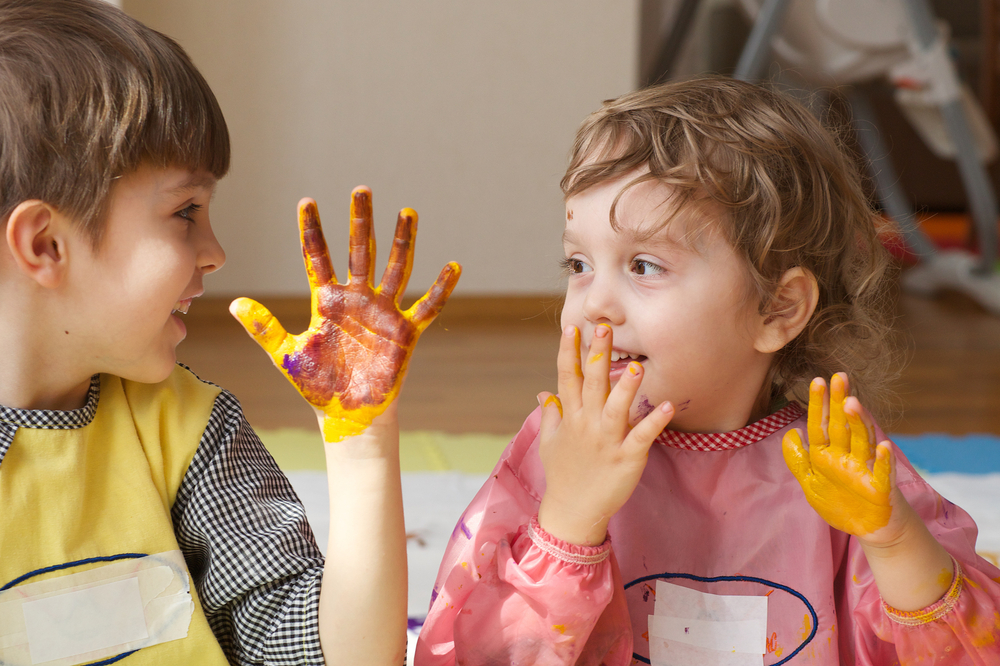


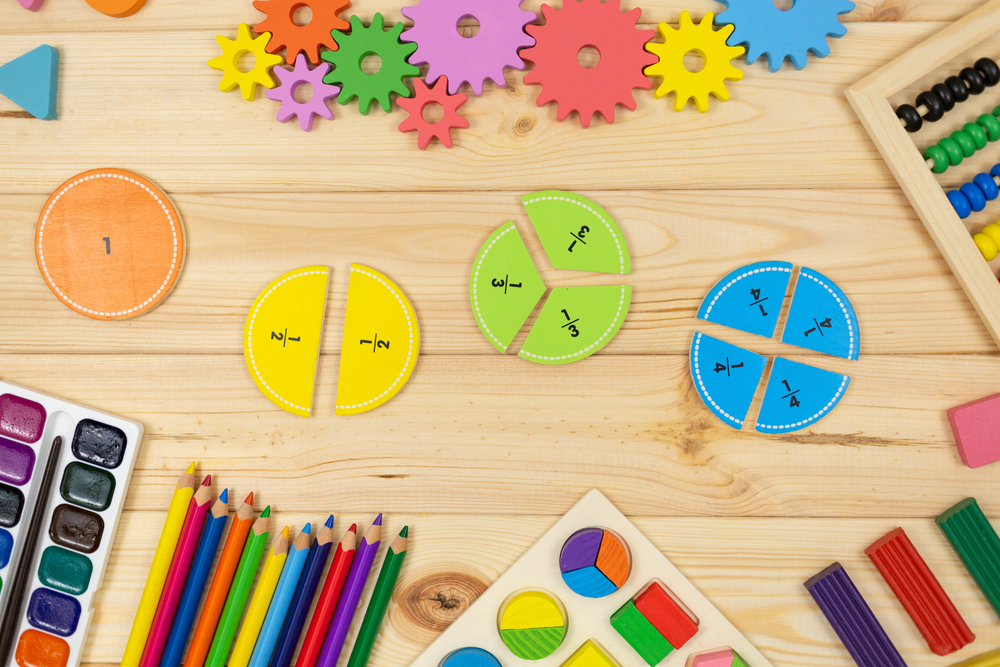

Understanding equality in math is essential for both parents and teachers as it provides a foundational concept crucial for students' mathematical development. When children grasp the concept of equality, they learn that both sides of an equation must balance, fostering critical thinking and problem-solving skills. This understanding lays the groundwork for more complex mathematical concepts, including algebra, geometry, and data analysis.
By emphasizing equality, parents and teachers can help students make connections between different mathematical operations, enhancing their ability to manipulate numbers and symbols confidently. It also promotes logical reasoning, as students learn to analyze relationships and the significance of each component within an equation. Additionally, teaching equality encourages a growth mindset, where students view challenges as opportunities to learn rather than obstacles, fostering resilience and perseverance.
Moreover, engaging with the concept of equality can support numeracy skills that translate beyond the classroom. When students are proficient in these foundational skills, they are better prepared for real-life applications, whether it's budgeting, cooking, or navigating data. Ultimately, understanding equality enriches a child's mathematical experience, empowering them with skills that are essential for academic success and everyday life. Parents and teachers play a vital role in nurturing this understanding, leading to a more mathematically literate generation.








