Understanding numeracy Math Worksheets
4 filtered results
-
From - To
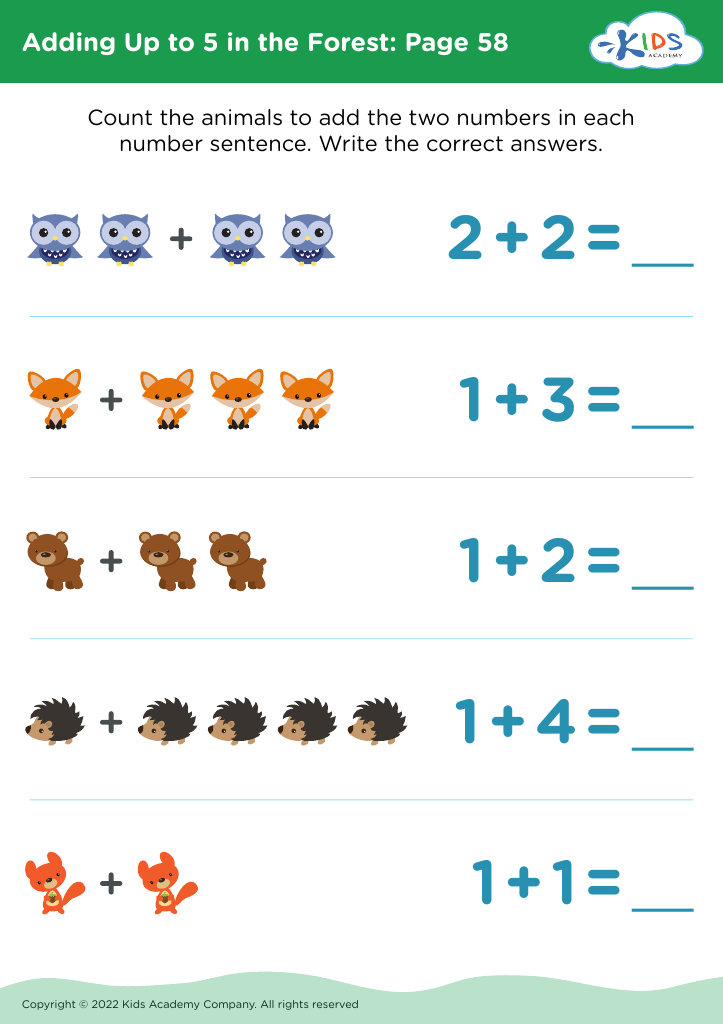
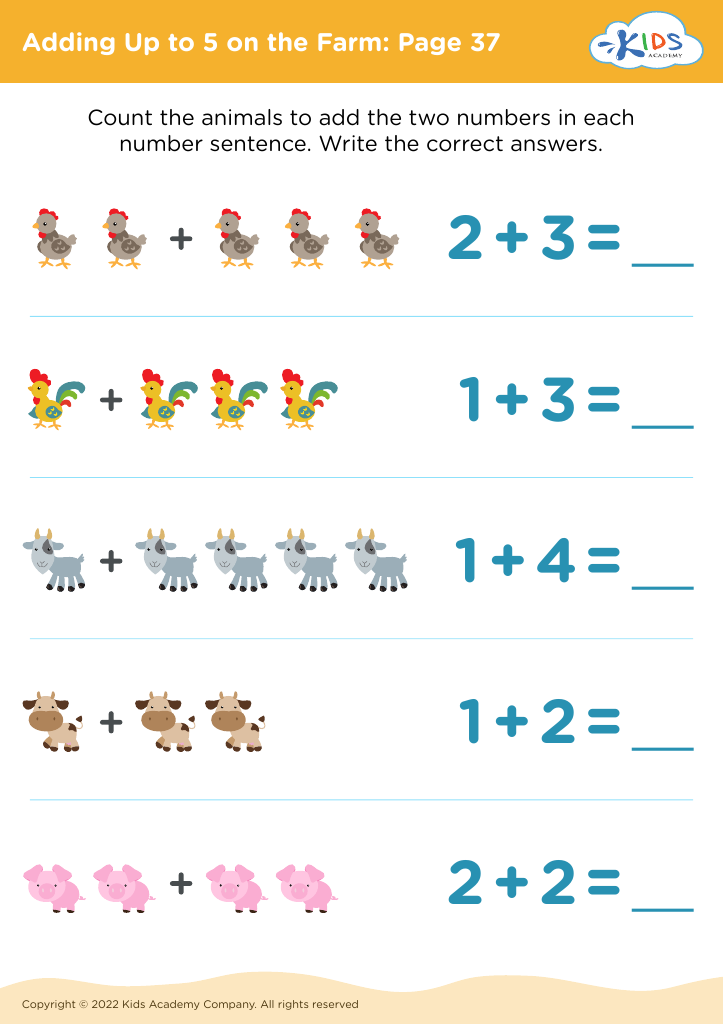
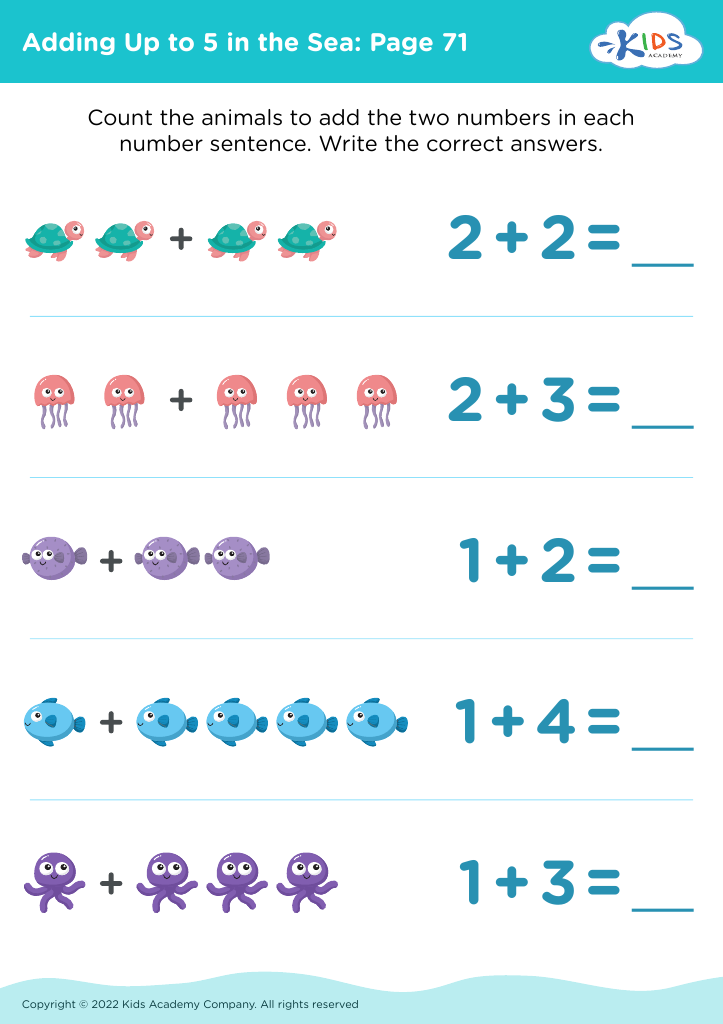
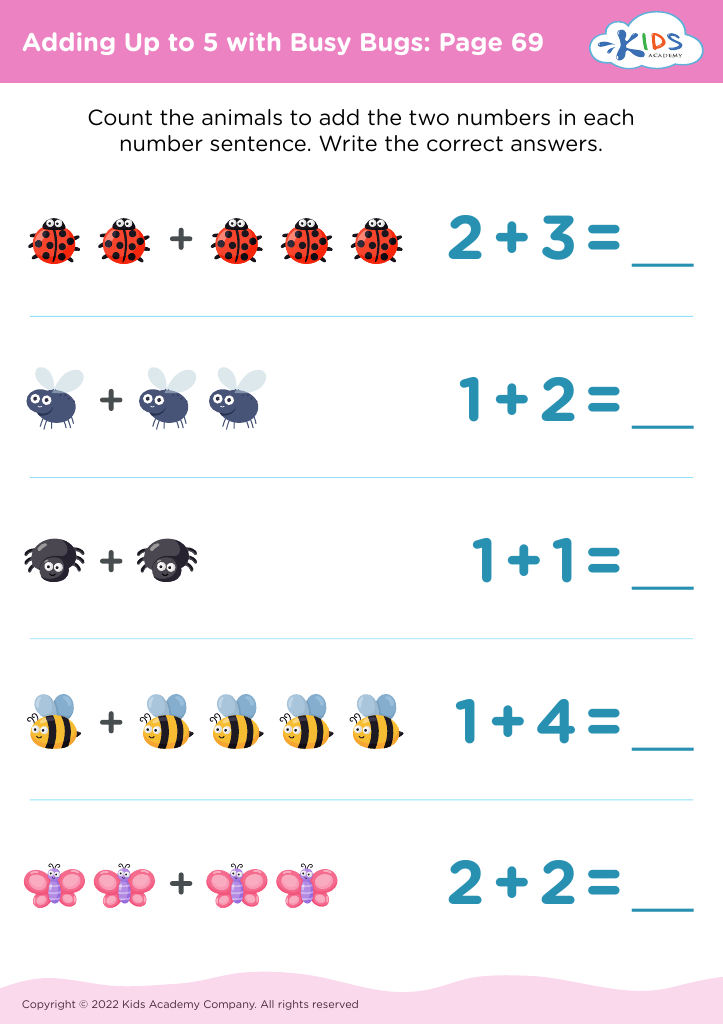
"Understanding Numeracy Math Worksheets" by Kids Academy offer engaging activities designed to help young learners develop essential math skills. These printable worksheets introduce foundational concepts through practical exercises and fun challenges, fostering a strong grasp of numbers, counting, and simple arithmetic. Perfect for preschool and elementary students, these resources support both classroom learning and at-home practice, ensuring kids build confidence in math. Every worksheet is crafted to make learning enjoyable, encouraging curiosity and a love for numbers. Start your child's journey towards math proficiency with Kids Academy's expertly designed numeracy worksheets today!








Understanding numeracy is crucial for both parents and teachers because it forms the foundation of a child's mathematical education and everyday life skills. Numeracy goes beyond basic arithmetic; it includes the ability to reason, solve problems, and understand numerical concepts. By fostering strong numeracy skills, we are equipping children with problem-solving abilities that are essential in academic settings and daily life scenarios, such as budgeting, cooking, or planning.
For parents, supporting numeracy development can create a positive learning environment at home. Engaging children in conversations about numbers, patterns, and measurements can significantly boost their confidence and interest in math. This involvement can lead to improved academic performance and encourage a love for learning.
Teachers play a critical role in introducing and reinforcing numeracy concepts in a structured and engaging manner. By understanding how children learn numeracy, teachers can tailor their instructional strategies to meet diverse learning needs. They can provide activities that build on prior knowledge, use hands-on materials, and encourage collaborative learning, ensuring that each student grasps essential mathematical principles.
Ultimately, a strong foundation in numeracy can open doors to advanced educational opportunities and diverse career paths. It prepares children to think critically and make informed decisions, fostering a generation of problem-solvers and innovators. Hence, parents and teachers must prioritize understanding and teaching numeracy effectively.








