Understanding quantity Math Worksheets - Page 2
30 filtered results
-
From - To
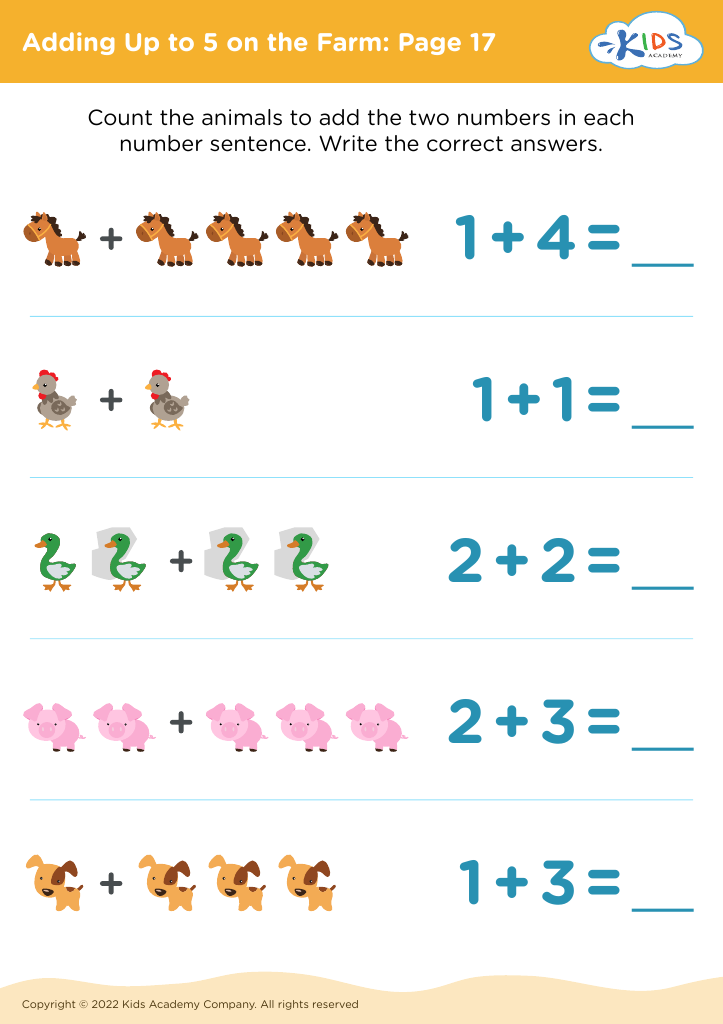
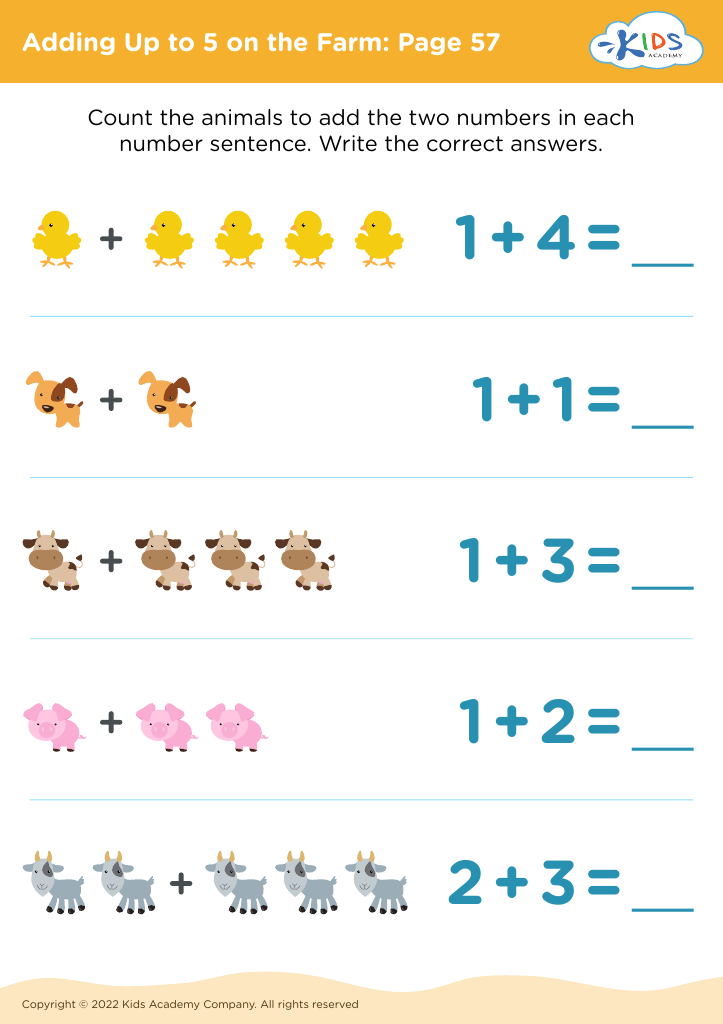
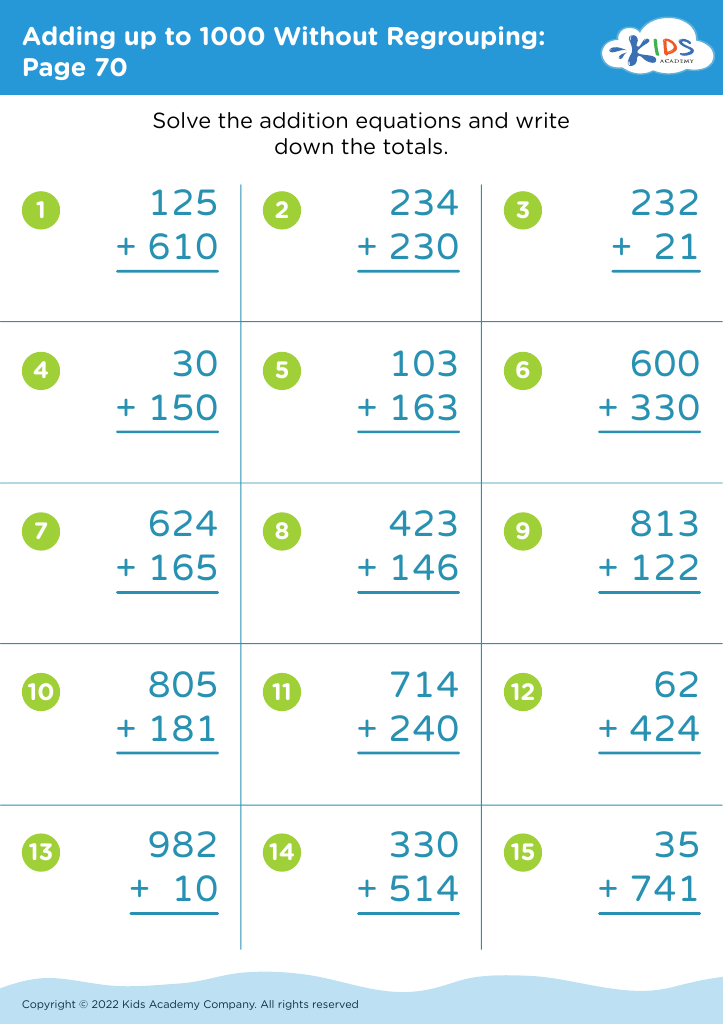
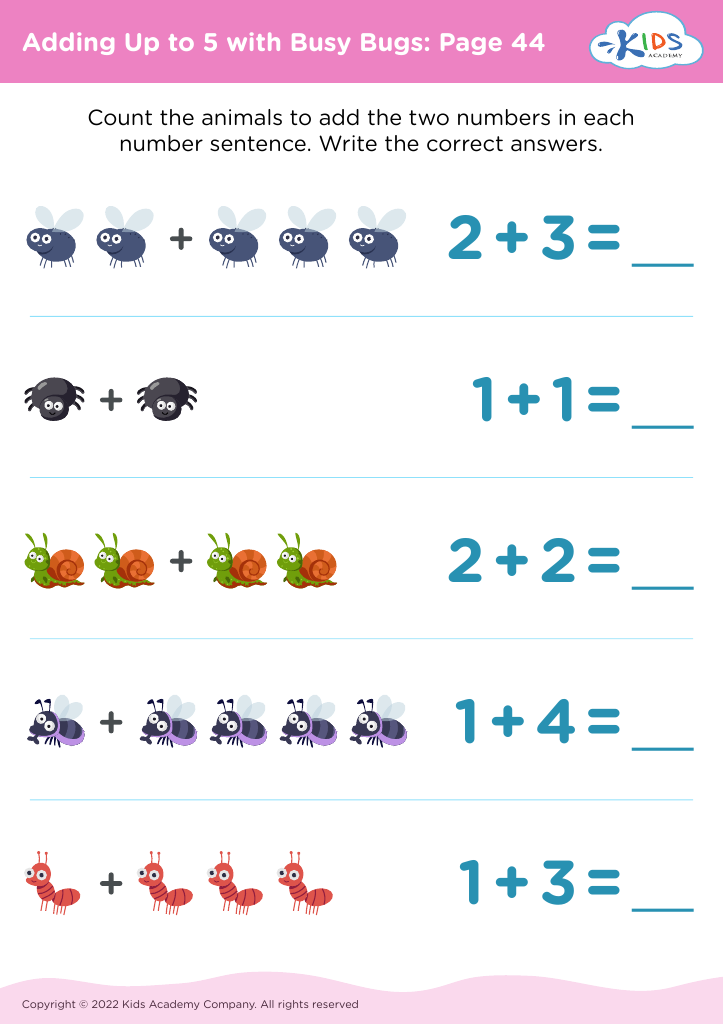
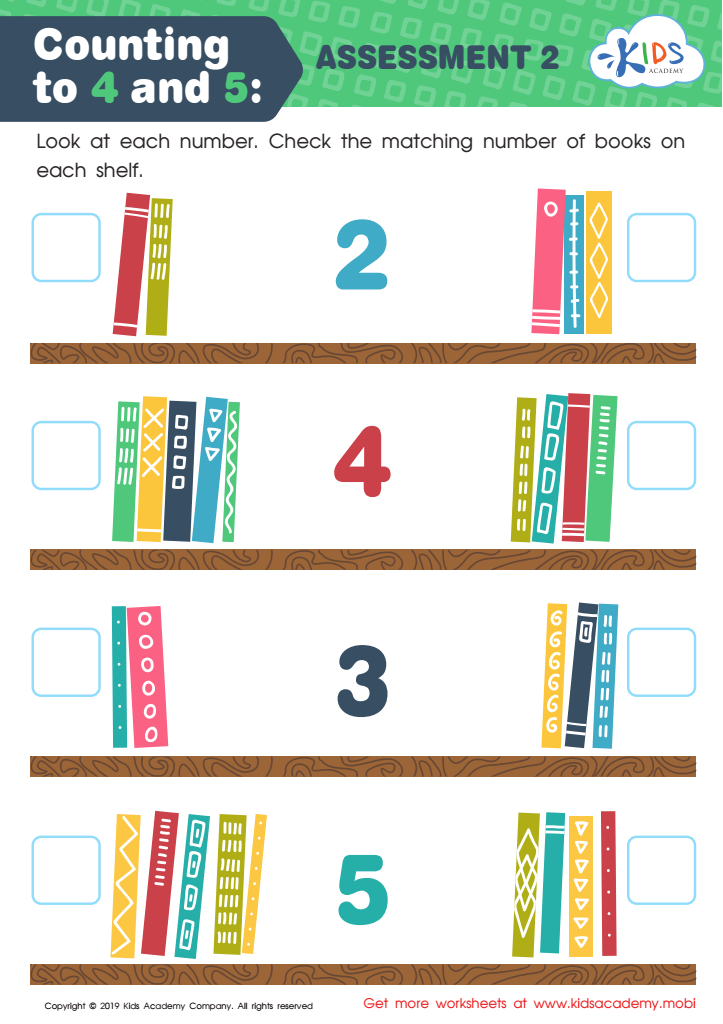
Counting to 4 and 5: Assessment 2 Worksheet
 Assign to My Students





.jpg)

Understanding quantity in math is fundamental for young learners as it lays a crucial foundation for future mathematical and real-world problem-solving skills. When children grasp the concept of quantity, they develop a sense of numbers and their relationships, which is essential for everyday activities such as measuring, comparing, and budgeting. This early understanding helps in building increments of more complex mathematical concepts like addition, subtraction, multiplication, and division.
For teachers and parents, fostering an understanding of quantity in young children means they are encouraging critical thinking and logical reasoning skills. By engaging kids in counting exercises, sequencing games, and object sorting, adults are not only improving their mathematical understanding but also their cognitive abilities. Activities like these enhance a child's ability to manipulate information, recognize patterns, and understand spatial relationships.
Moreover, strengthening quantity sense early in life allows children to approach learning with confidence. It promotes a positive attitude towards math, reducing math anxiety and improving performance in later academic years. Parents and teachers who prioritize early math education play a pivotal role in ensuring that children are equipped with the necessary tools to navigate a numerate world, setting them up for academic success and improving their everyday lives.








