Understanding sequence Math Worksheets
6 filtered results
-
From - To
Welcome to our "Understanding Sequence Math Worksheets" page, designed for young learners to master the concept of sequences in a fun and engaging way. Our worksheets provide various exercises that focus on identifying, extending, and creating sequences through numbers, shapes, and patterns. Aimed at early grade students, these worksheets promote critical thinking and enhance problem-solving skills, all while reinforcing foundational math concepts. Teachers and parents can easily download and print these resources to support classroom learning or home practice. Help your child develop a solid understanding of sequences with our carefully crafted materials, perfect for building confidence in their math abilities!
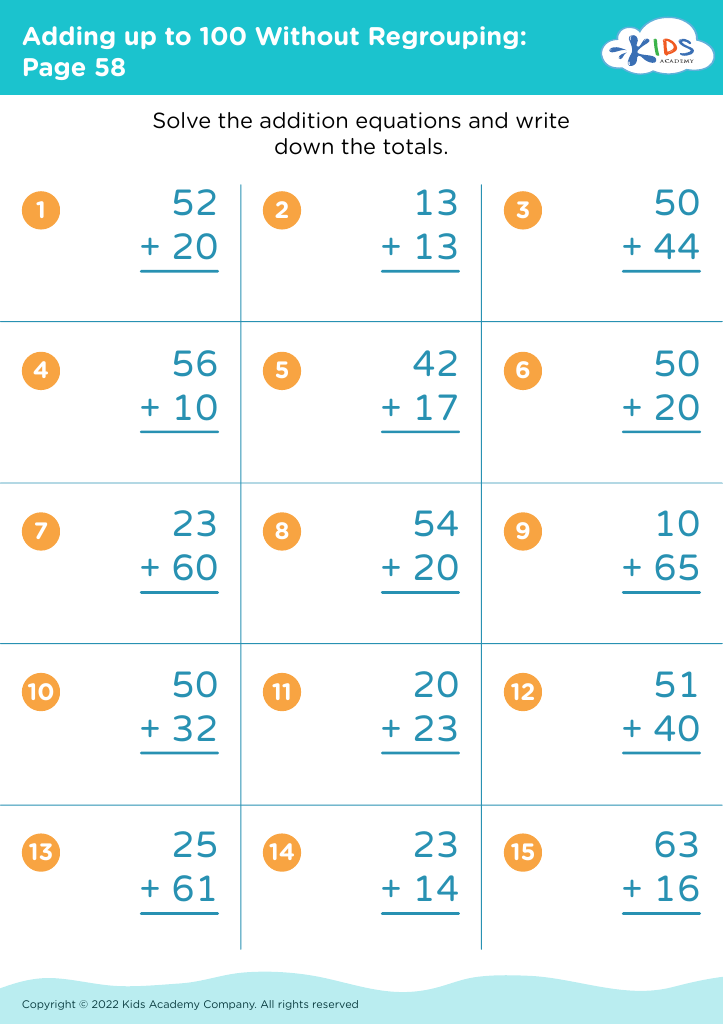
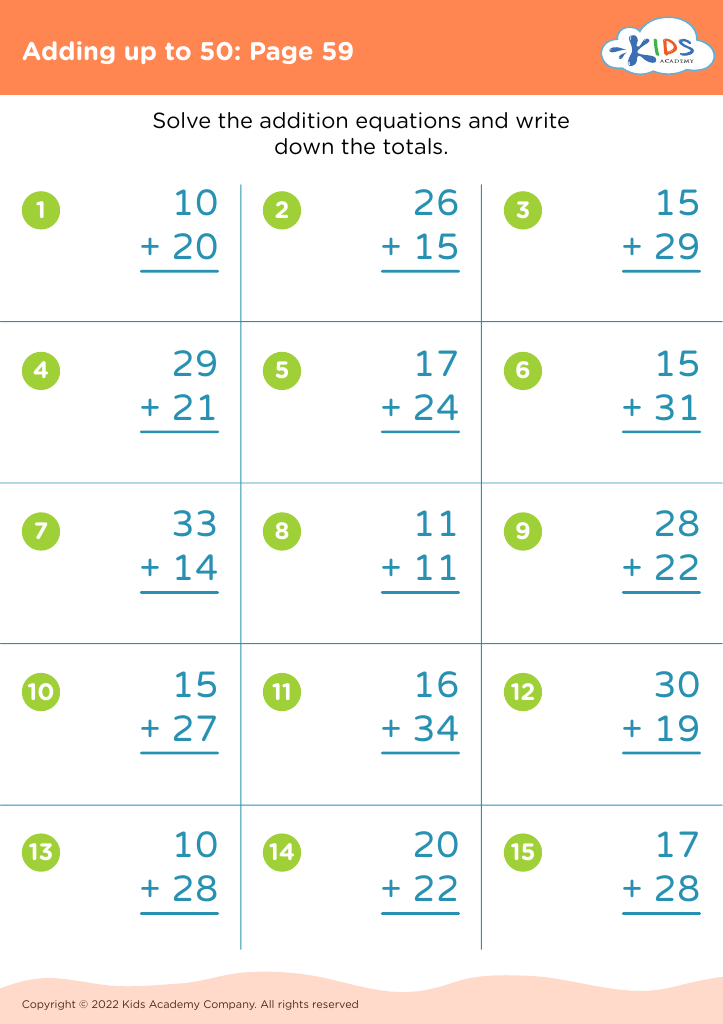
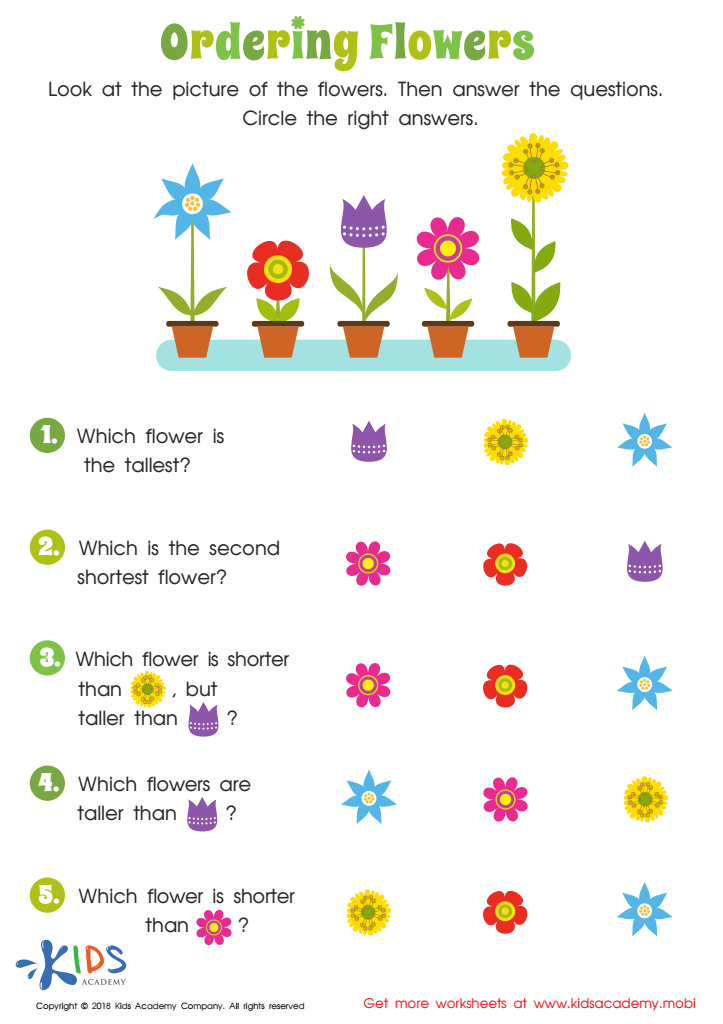
Ordering Flowers Worksheet
 Assign to My Students
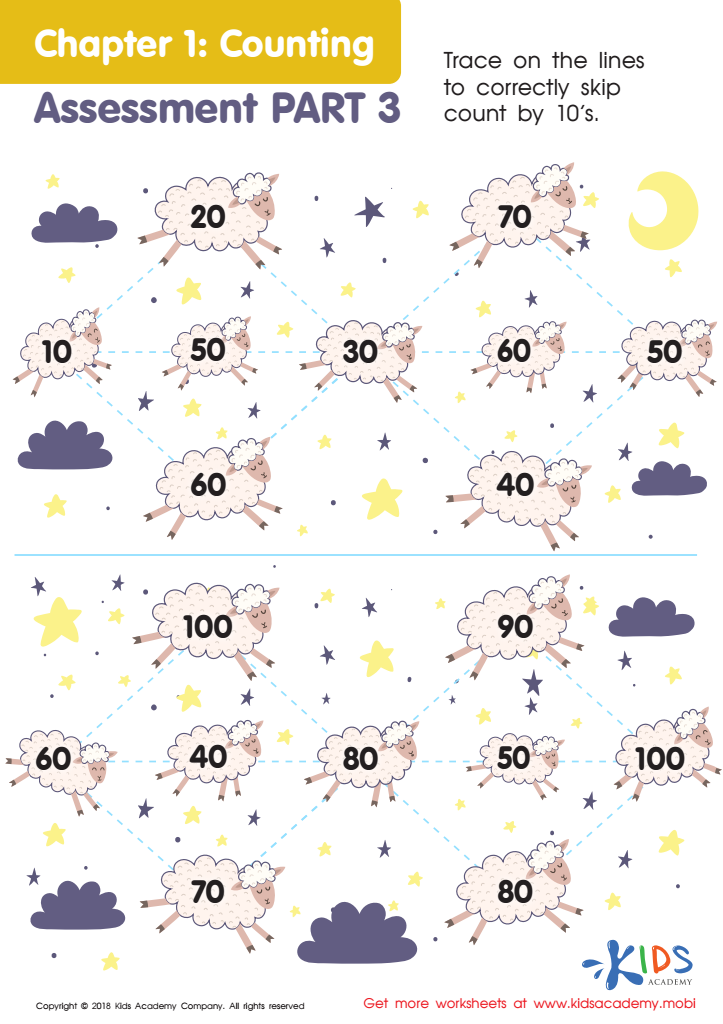
Counting: Assessment 3 Worksheet








Understanding sequence in math is crucial for both parents and teachers because it serves as a fundamental building block for various mathematical concepts and real-life applications. A strong grasp of sequencing enables children to engage in problem-solving, develop logical reasoning, and enhance their ability to recognize patterns. This cognitive skill supports essential arithmetic operations, such as addition and subtraction, as students learn to manipulate numbers in a structured manner.
Moreover, teaching children about sequences fosters critical thinking skills. It helps them understand the importance of first, second, and third in order, which can be applied beyond math, influencing their decision-making processes and ability to make sense of order in everyday situations. Additionally, sequences play a vital role in advanced topics like algebra, fractions, and more complex computations.
By prioritizing sequence understanding, parents and teachers empower children with the tools they need to tackle future math-related challenges confidently. Encouraging exploration through practice with patterns and sequencing games can make learning enjoyable, stimulating engagement and curiosity. In essence, investing time in understanding sequences can yield long-lasting benefits that positively influence a child's overall academic performance and problem-solving capabilities.








