Visual interpretation Math Worksheets
8 filtered results
-
From - To
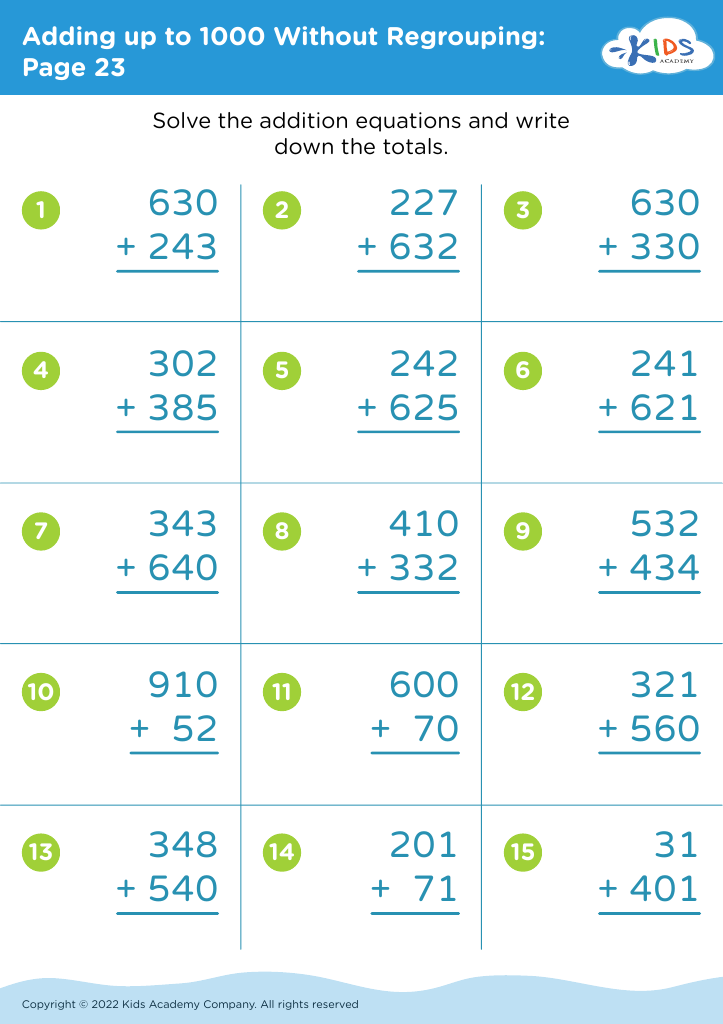
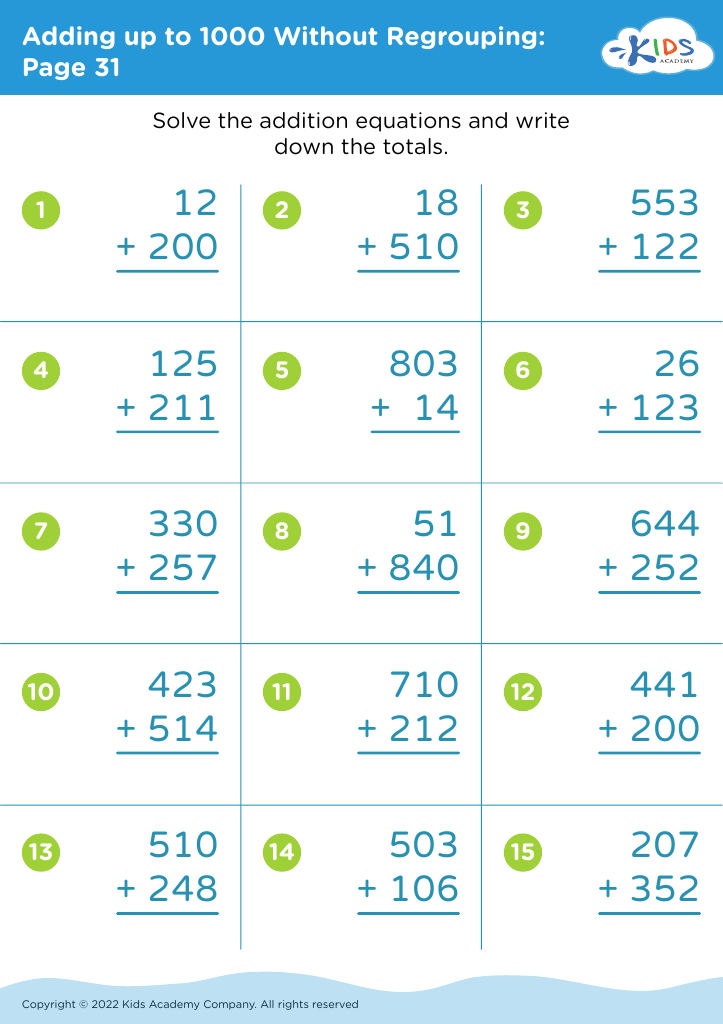
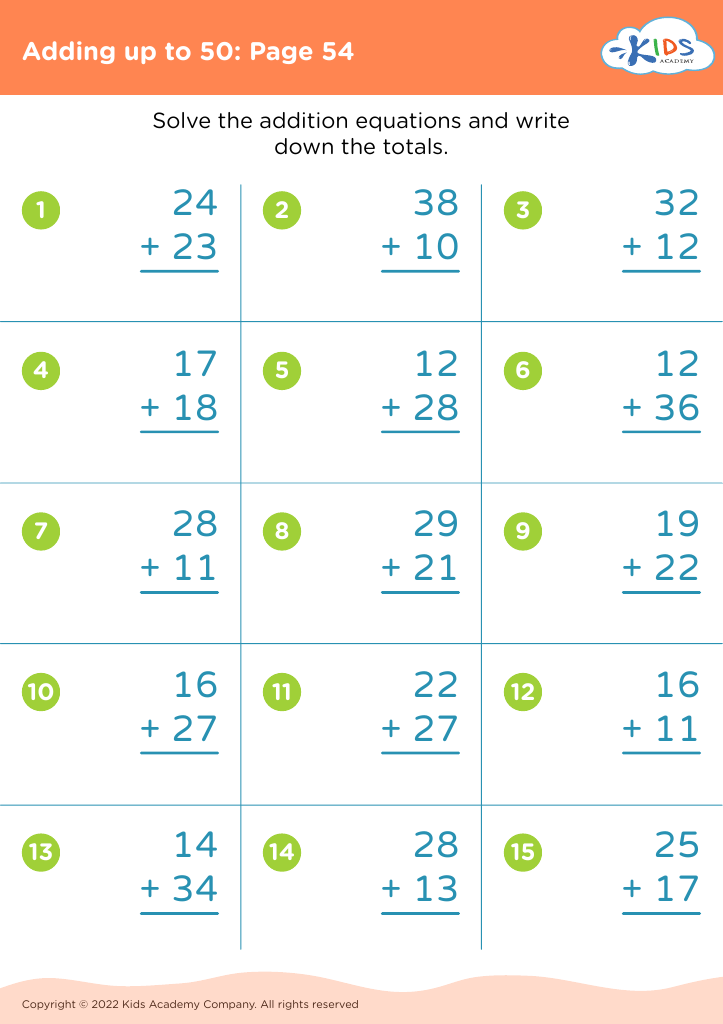
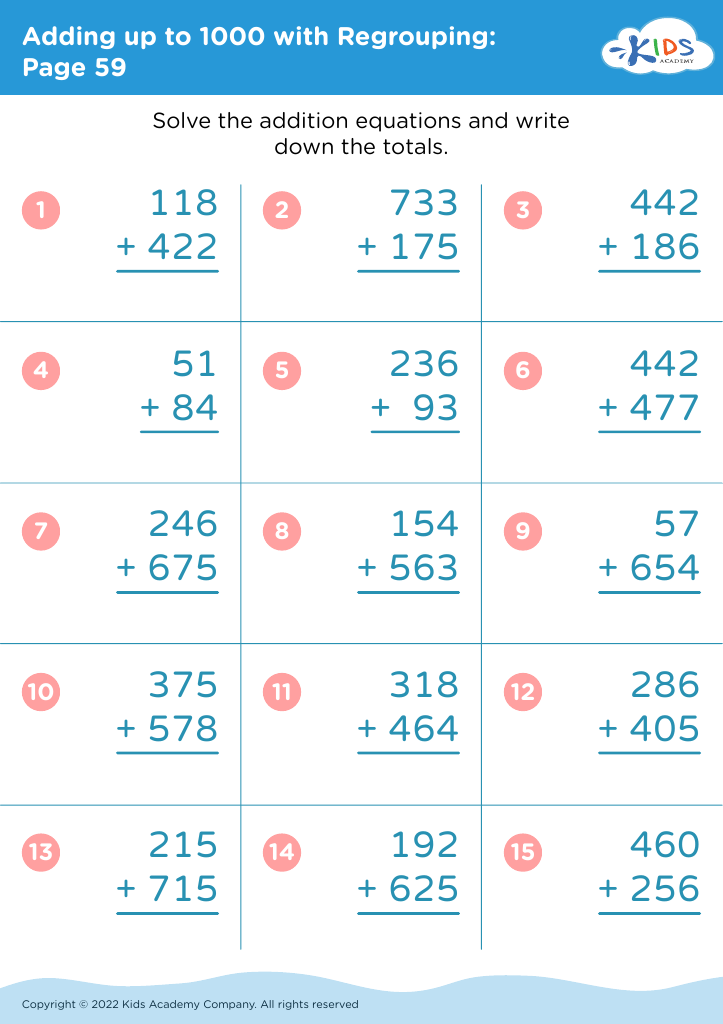
Visual interpretation math worksheets are designed to enhance your child's mathematical abilities through engaging and interactive visual activities. These worksheets help develop critical thinking, pattern recognition, and problem-solving skills by connecting math concepts to visual representations. Students will enjoy mastering topics such as geometry, measurement, and data analysis through colorful diagrams, charts, and graphs. Perfect for early-grade learners, visual interpretation math worksheets make learning math fun and accessible. Visit Kids Academy to access a variety of printables that turn complex math problems into engaging, manageable challenges, promoting both confidence and comprehension in young mathematicians.
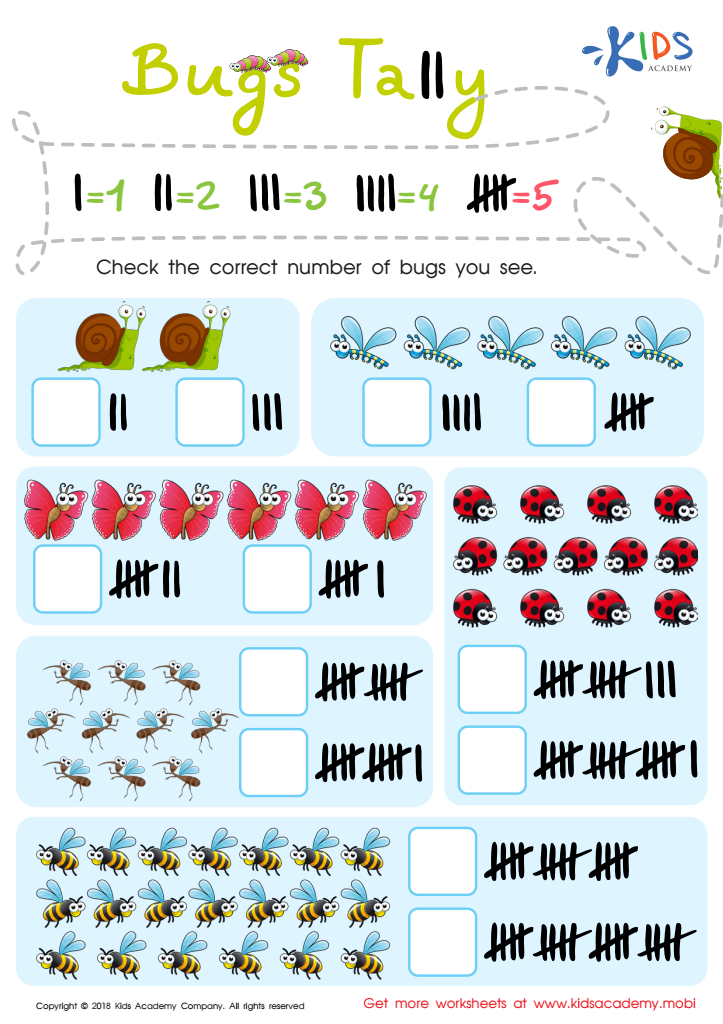
Bugs Tally Worksheet
 Assign to My Students
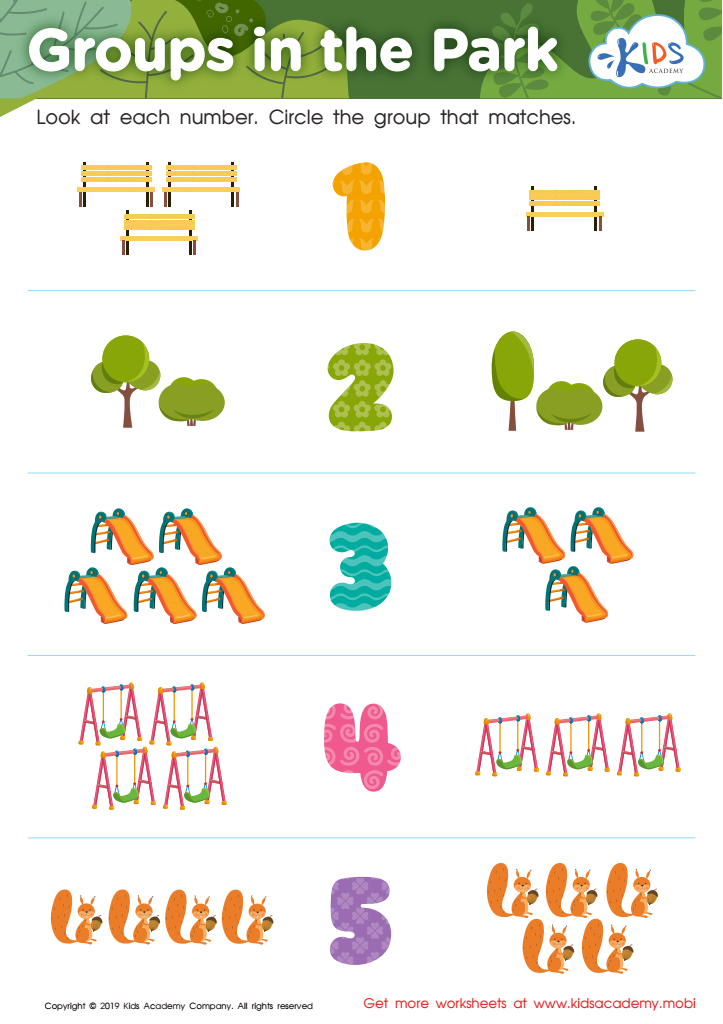
Groups in the Park Worksheet
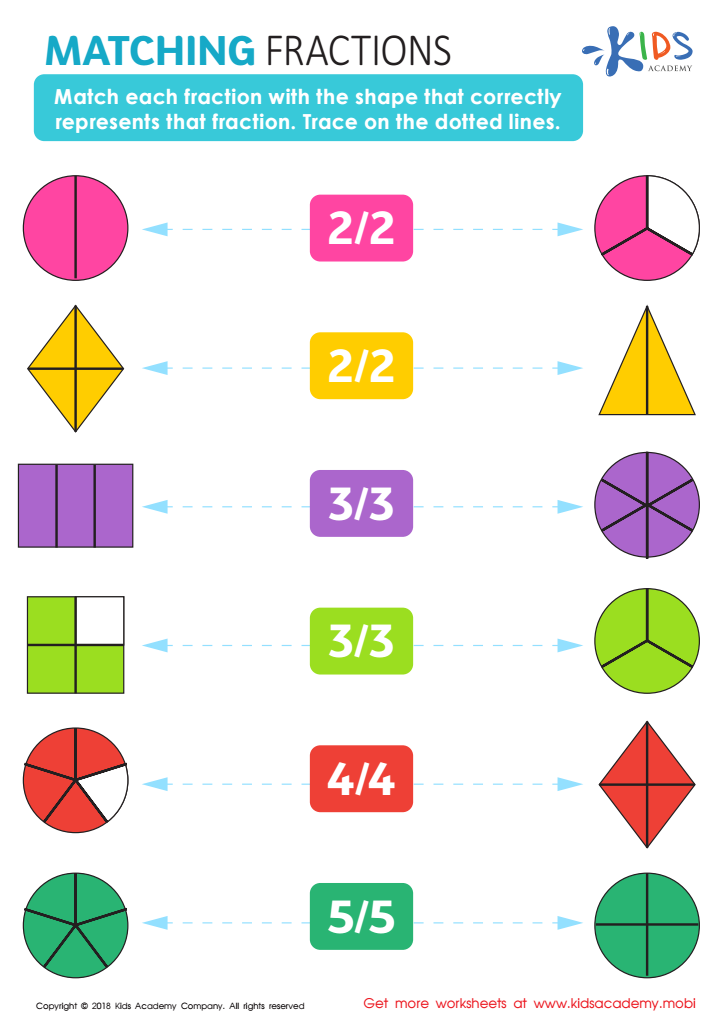
Matching Fractions Worksheet



.jpg)


.jpg)

Visual interpretation in math is pivotal for young learners because it bridges the abstract nature of mathematical concepts with tangible understanding. Parents and teachers should care because using visual tools, such as drawings, graphs, and manipulatives, can profoundly enhance a child's comprehension. These tools help learners see and interact with concepts that might otherwise seem confusing or intangible when explained purely textually or verbally. For example, visualizing fractions through pie charts or manipulating physical objects to represent addition and subtraction makes the math much more relatable and less intimidating.
Moreover, visual methods cater to diverse learning styles, addressing the needs of both visual and kinesthetic learners who might struggle with traditional teaching methods. They promote a deeper, more intuitive grasp of math, fostering a positive attitude and building confidence. Young students often experience math anxiety, but visual tools can demystify these concepts and lead to moments of insight and excitement, sparking a lifelong interest in the subject.
Notably, early exposure to visual interpretation techniques lays a strong foundation for future mathematical learning and problem-solving skills. As mathematics grows more complex, the ability to visualize problems will remain a vital skill. Therefore, by nurturing these skills from an early age, parents and teachers are investing in a child's long-term academic success and critical thinking abilities.








