Alphabet Recognition Normal ABC Letters Worksheets for Ages 3-4
19 filtered results
-
From - To
Enhance your child's learning experience with our Alphabet Recognition Normal ABC Letters Worksheets designed for ages 3-4. These engaging worksheets provide young learners with the opportunity to recognize and identify letters of the alphabet in a fun and interactive way. Each activity is crafted to promote early literacy skills, encouraging children to familiarize themselves with both uppercase and lowercase letters. Ideal for parents and educators, these resources support phonics development and letter-sound associations. Printable and easy to use, our worksheets are perfect for home or school, making learning the alphabet an enjoyable adventure for your little ones!
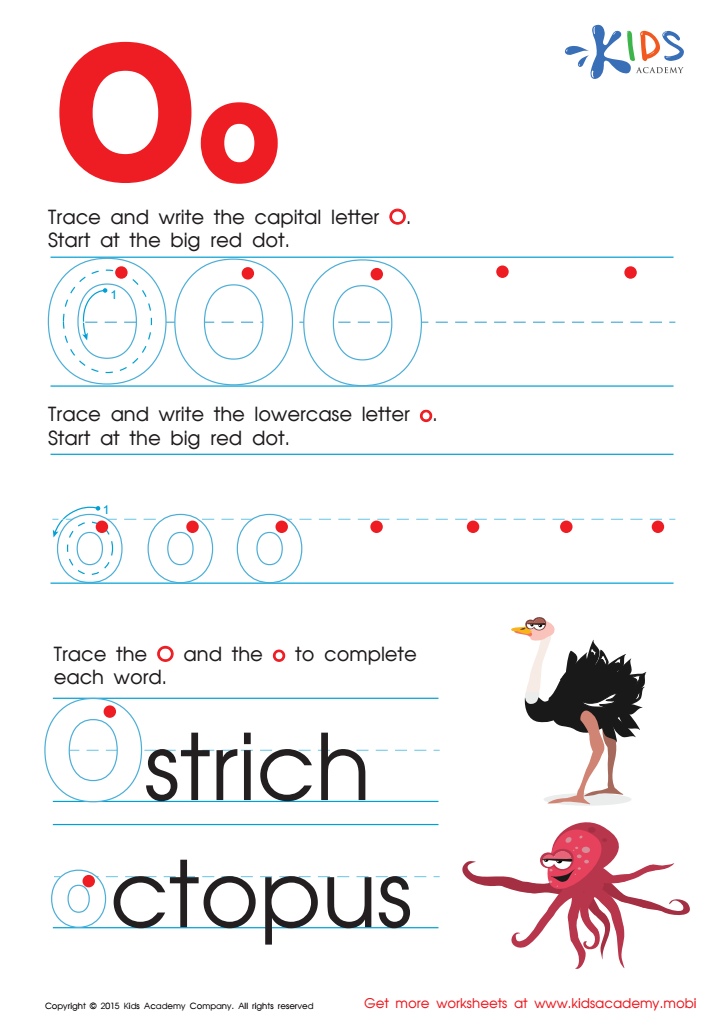
Letter O Tracing Page






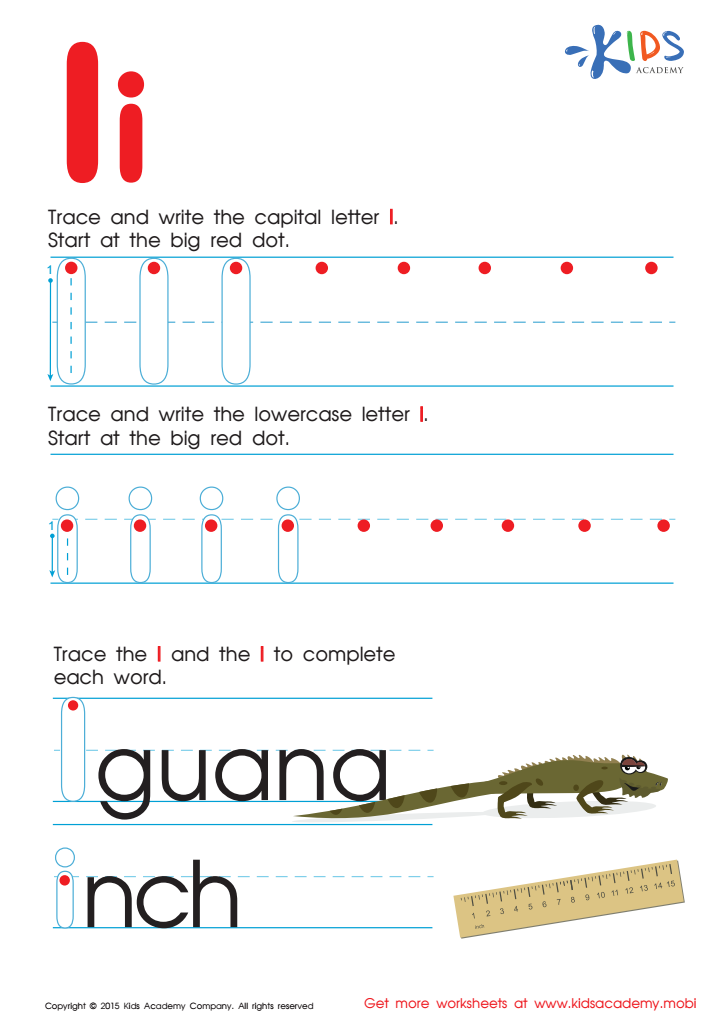
Letter I Tracing Page
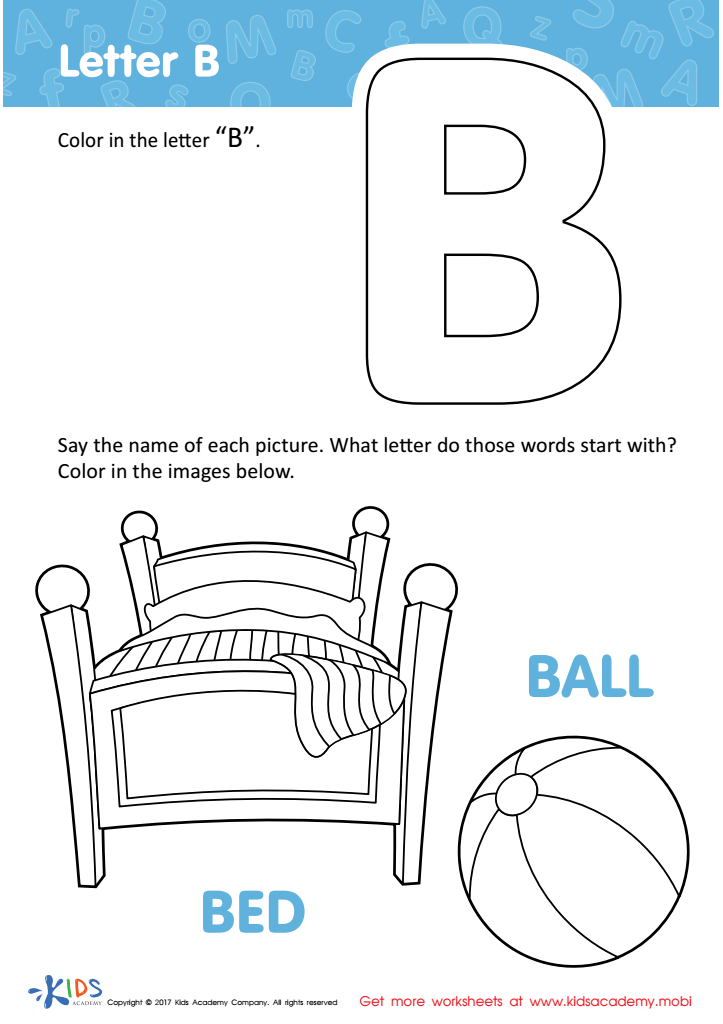
Letter B Coloring Sheet
 Assign to My Students
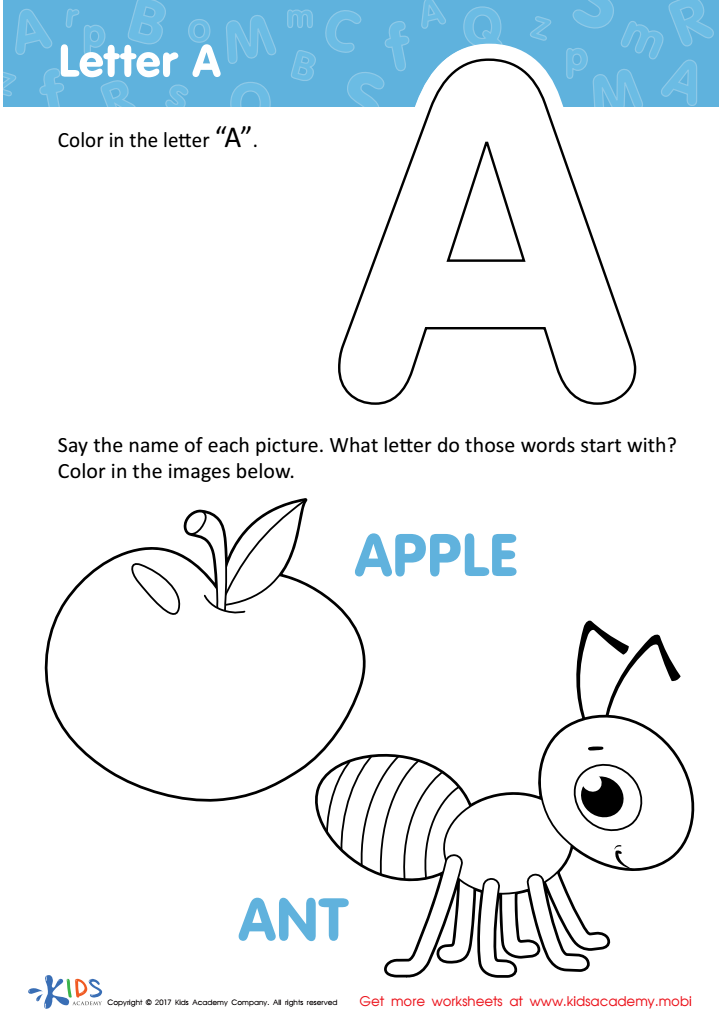
Letter A Coloring Sheet
Assign to My Students
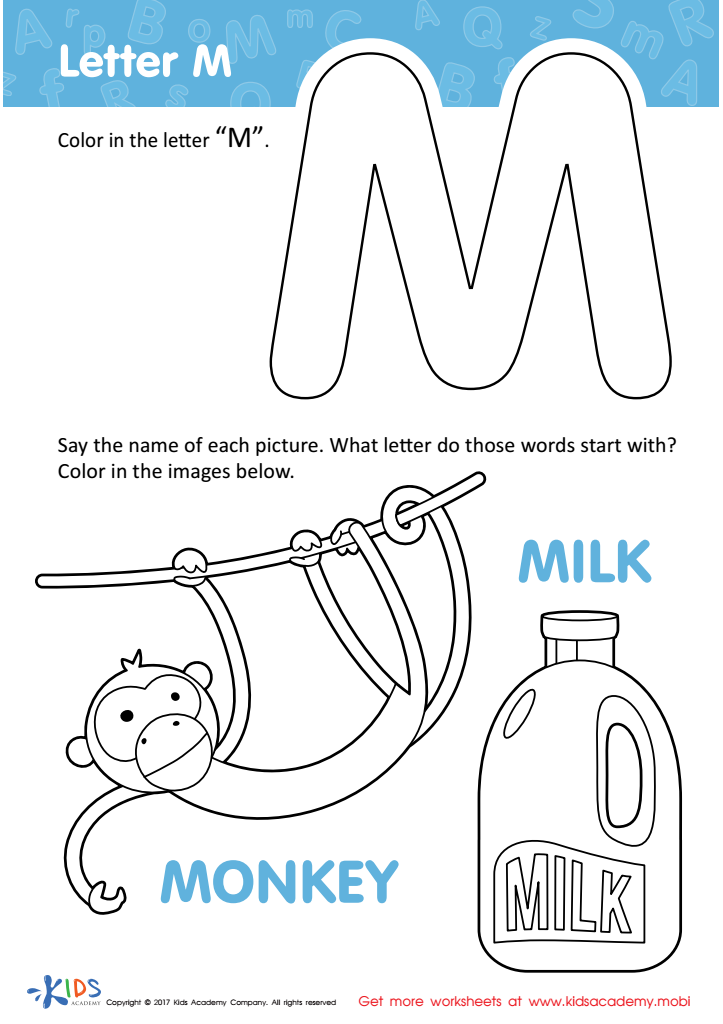
Letter M Coloring Sheet
Assign to My Students
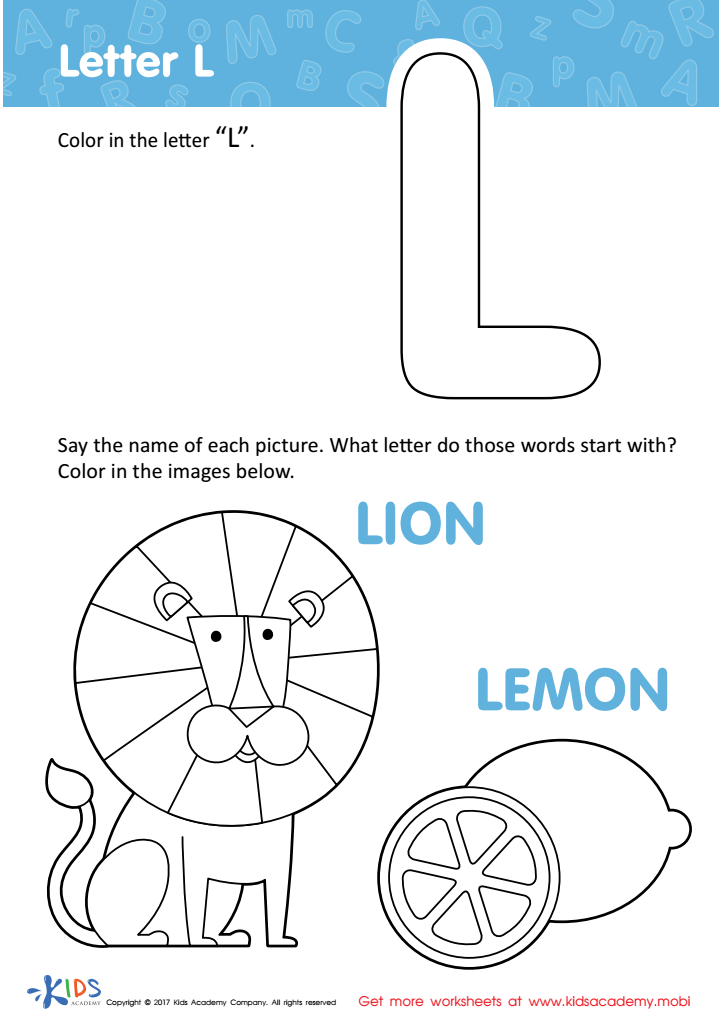
Letter L Coloring Sheet
Assign to My Students
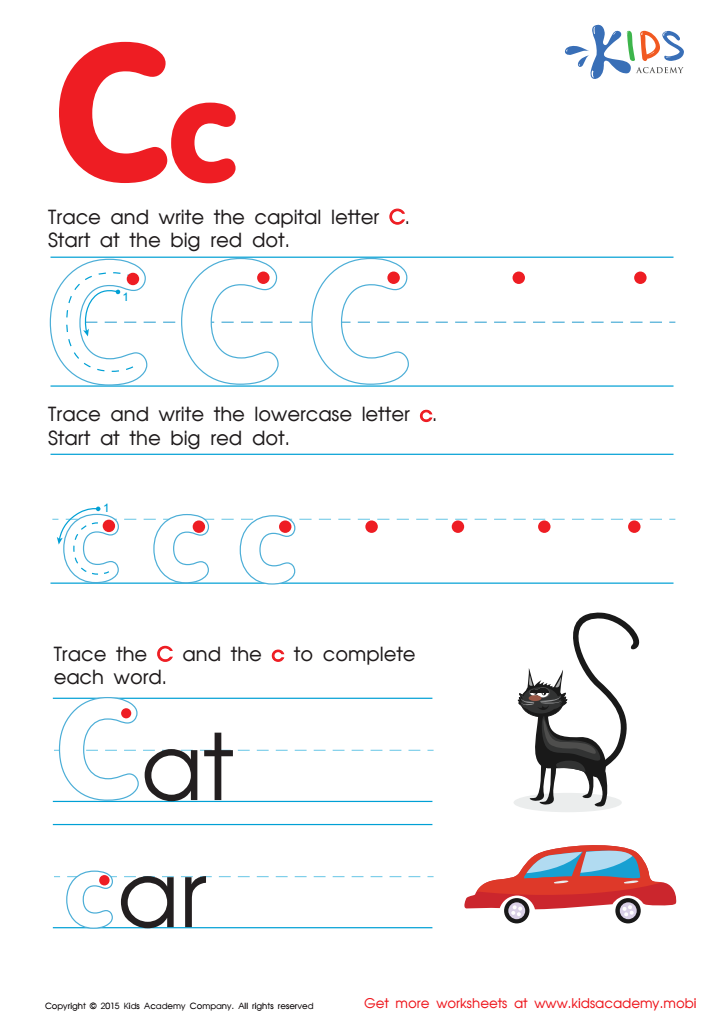
Letter C Tracing Page
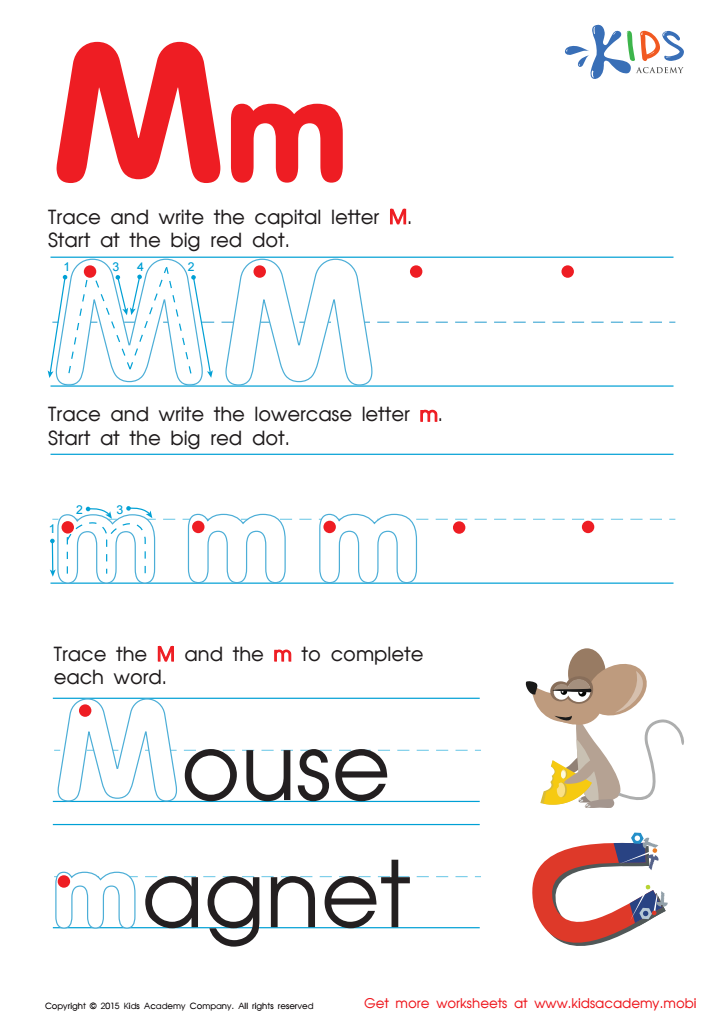
Letter M Tracing Page
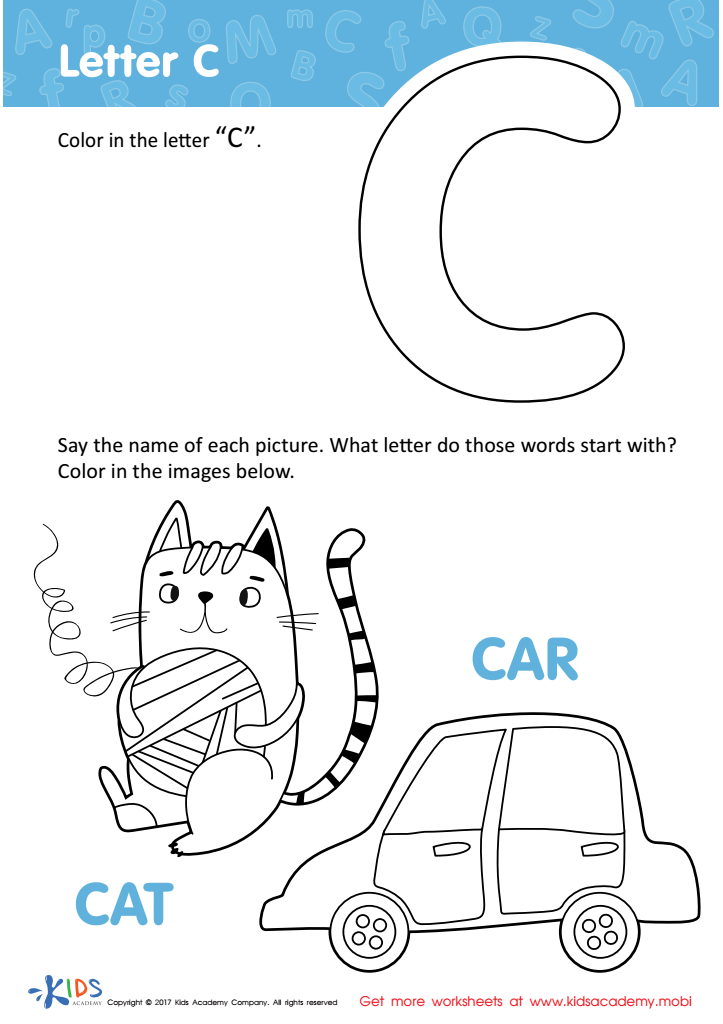
Letter C Coloring Sheet
Assign to My Students
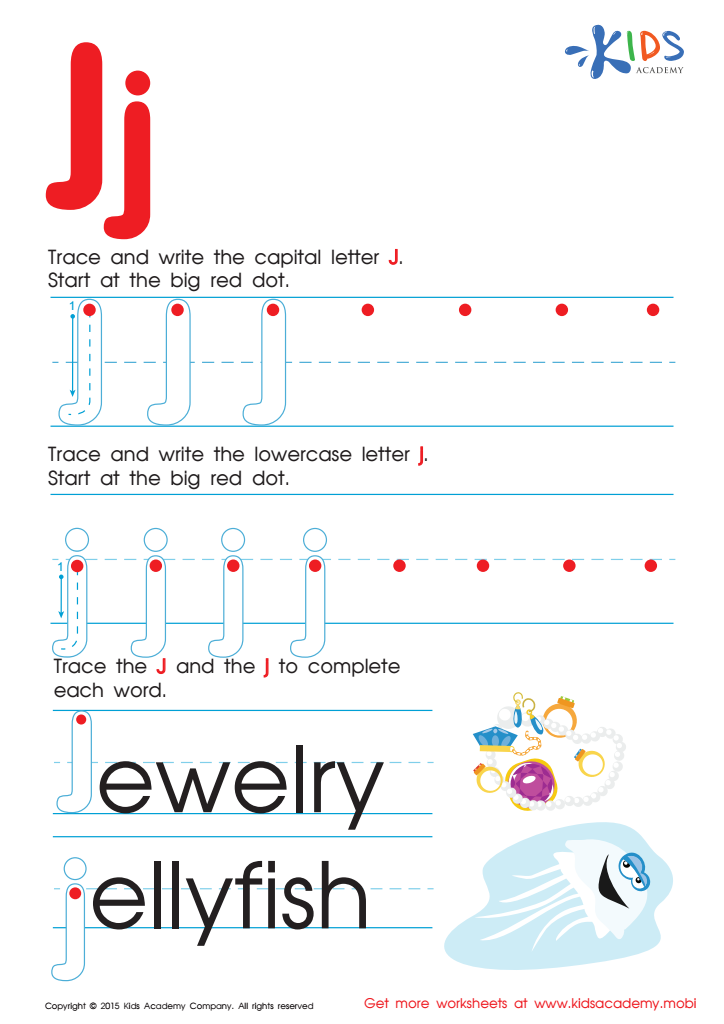
Letter J Tracing Page
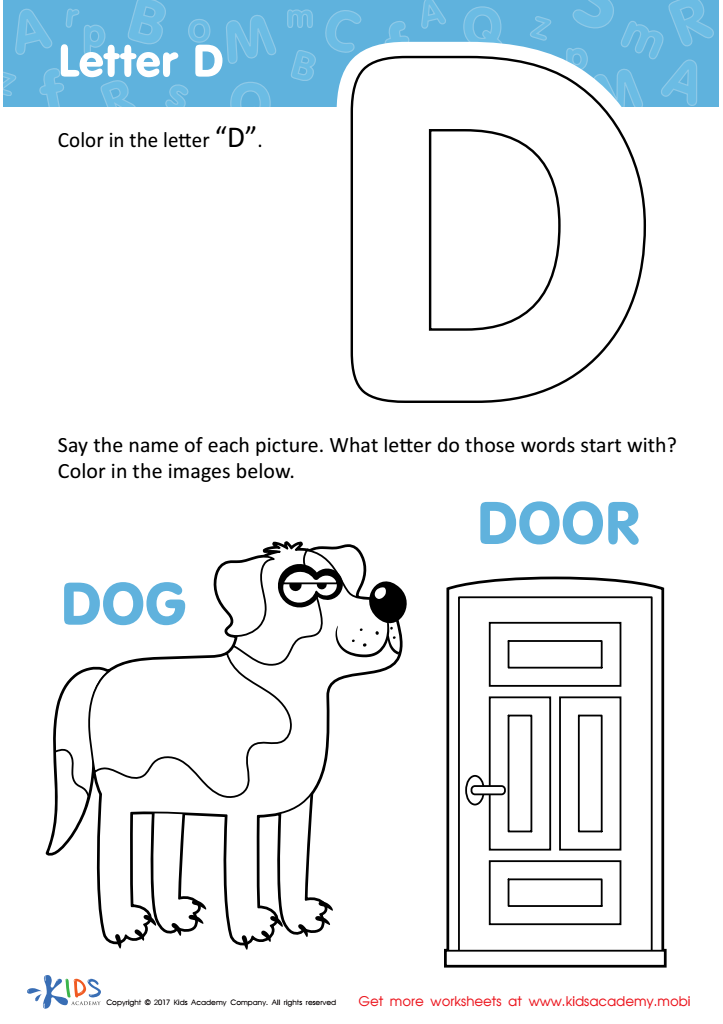
Letter D Coloring Sheet
Assign to My Students
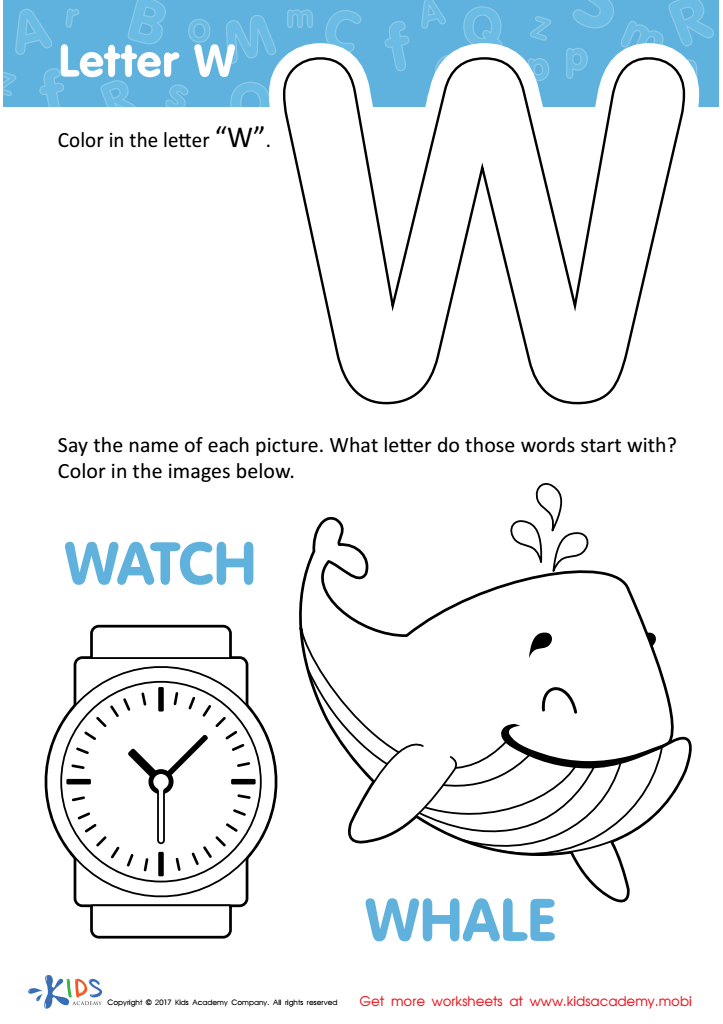
Letter W Coloring Sheet
Assign to My Students
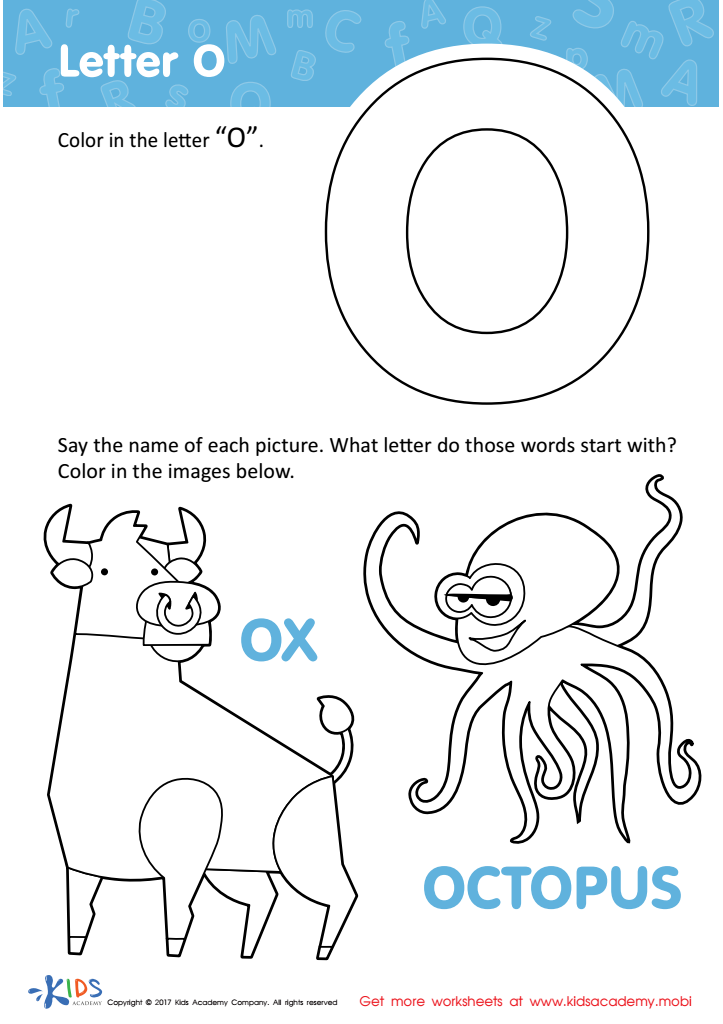
Letter O Coloring Sheet
Assign to My Students
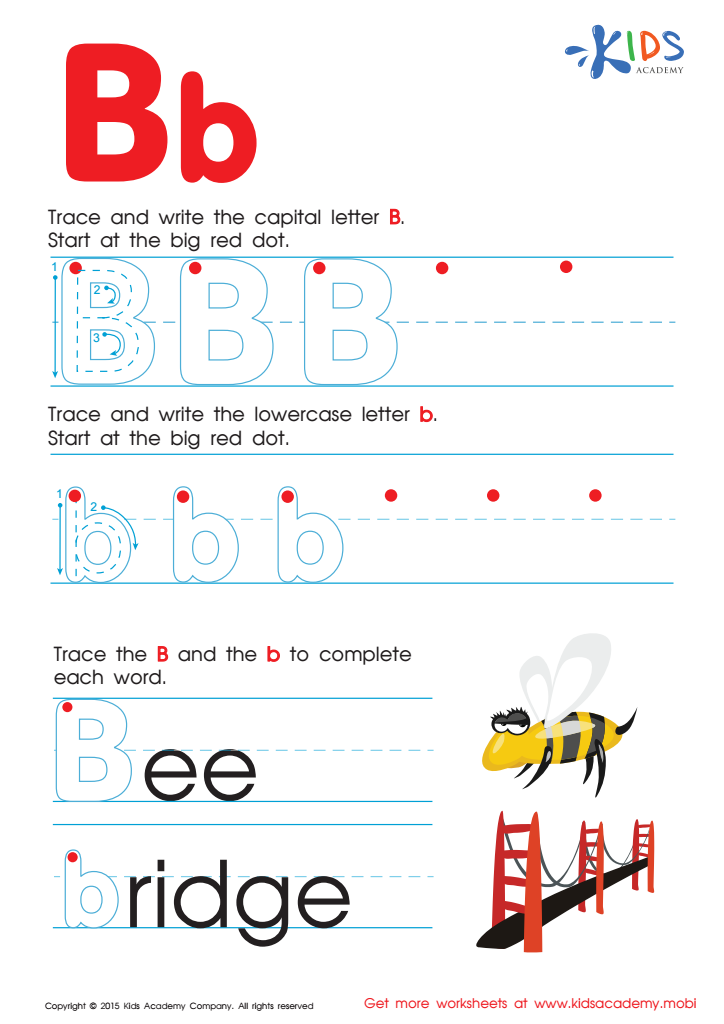
Letter B Tracing Page
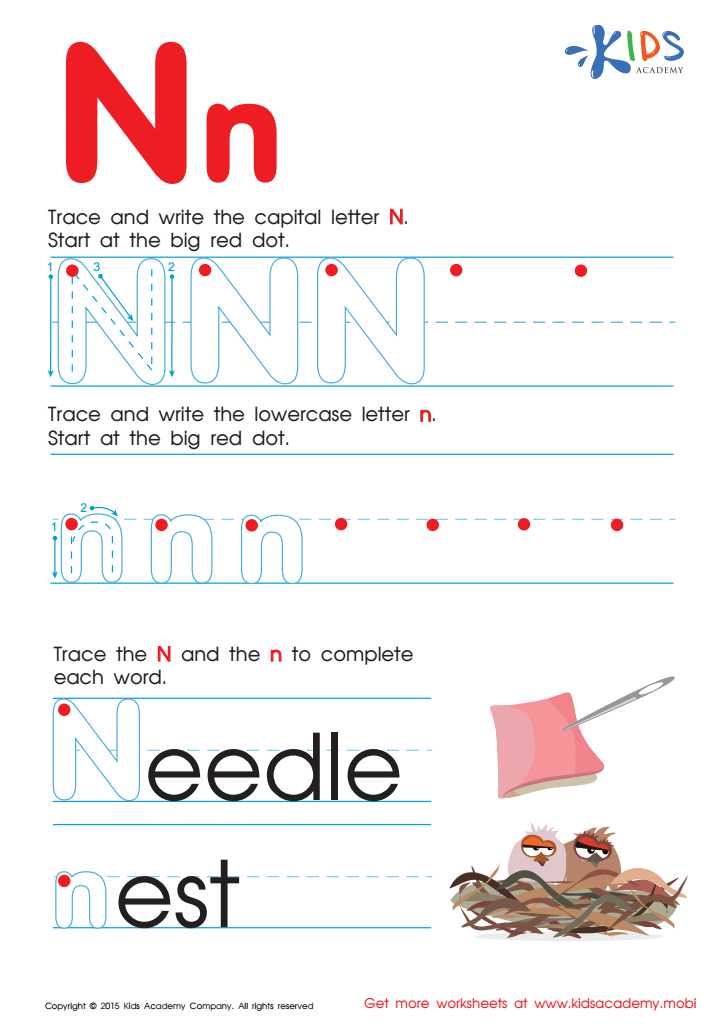
Letter N Tracing Page
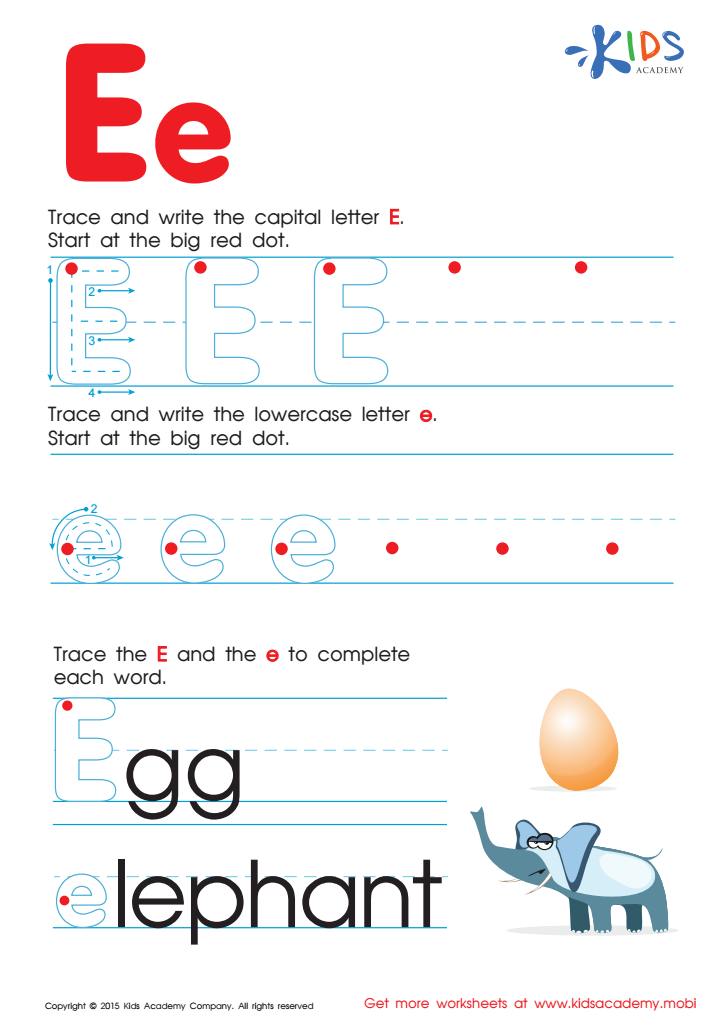
Letter E Tracing Page
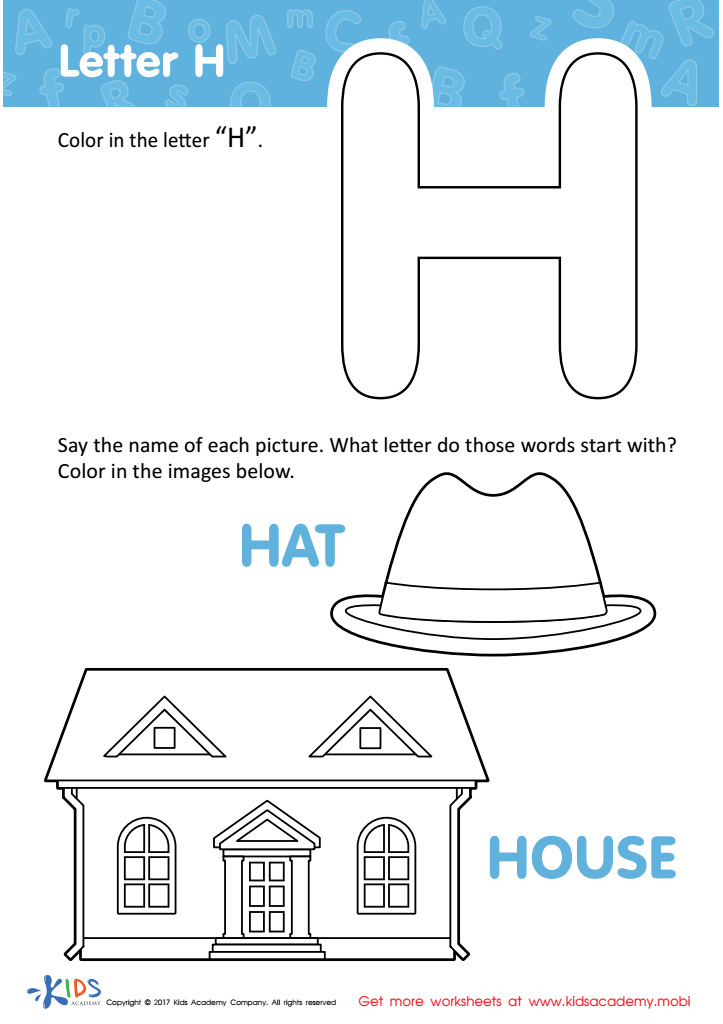
Letter H Coloring Sheet
Assign to My Students
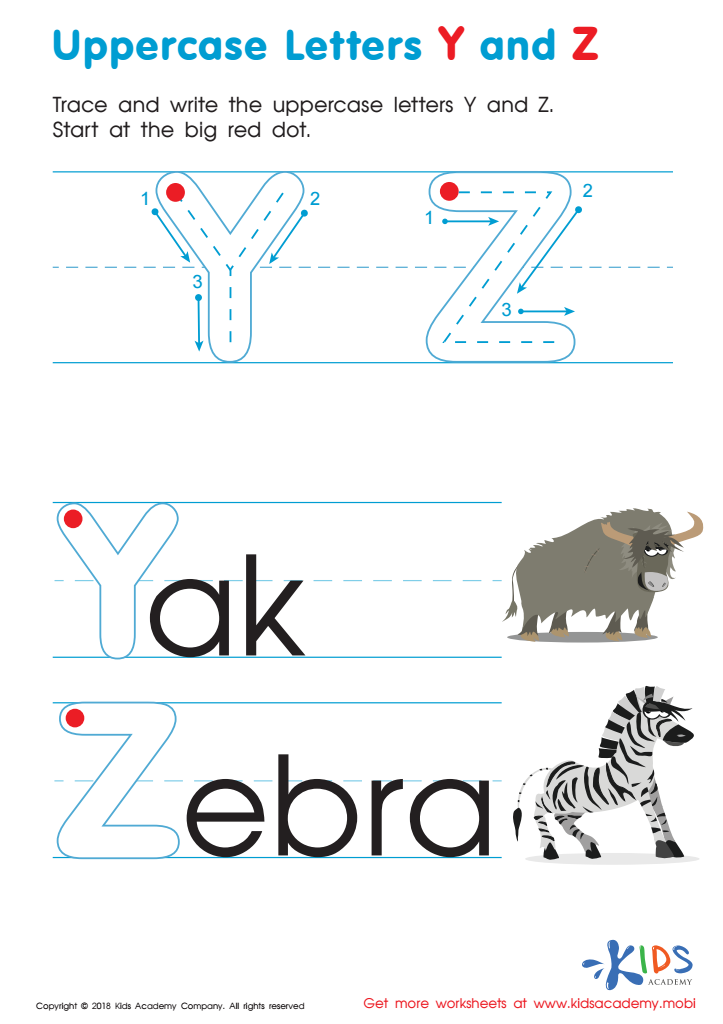
Uppercase Letters Y Z Worksheet
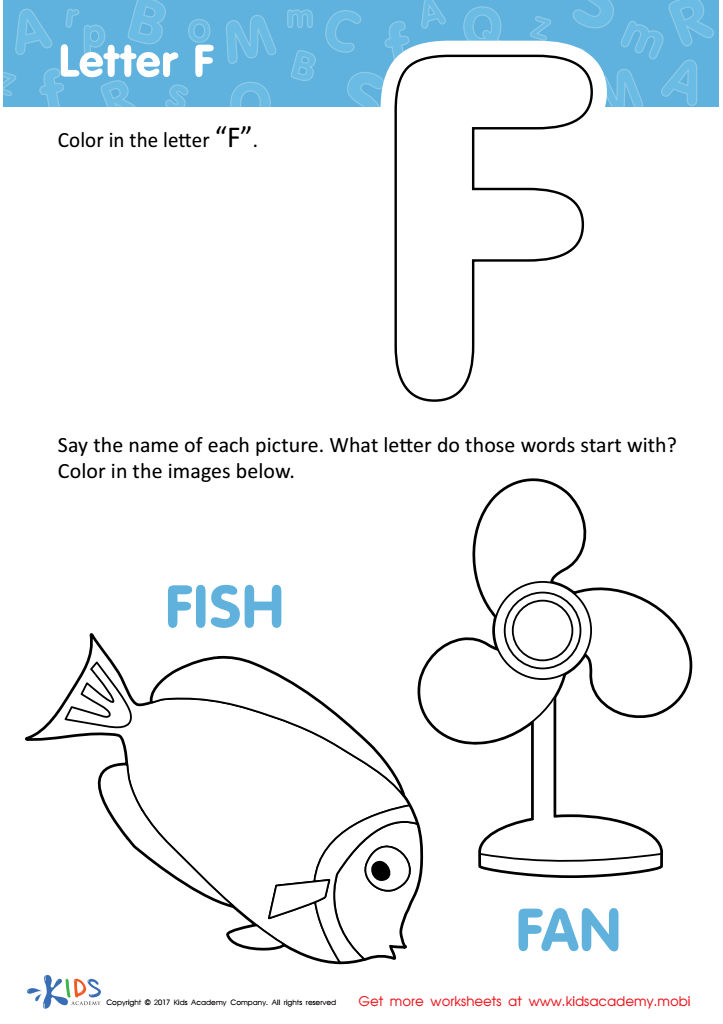
Letter F Coloring Sheet
Assign to My Students







Alphabet recognition is a foundational skill for early literacy and plays a crucial role in a child's cognitive development at ages 3-4. During this crucial stage, children begin to identify and differentiate letters, which lays the groundwork for reading and writing skills.
Parents and teachers should prioritize supporting alphabet recognition for several reasons. Firstly, recognizing letters enhances vocabulary development and phonemic awareness, allowing children to connect sounds with written language. This essential precursor to reading equips them with the ability to decode words and understand their meanings.
Secondly, familiarizing young learners with the alphabet fosters cognitive skills such as memory, attention, and critical thinking. Engaging activities like singing the ABC song, using letter flashcards, or incorporating interactive games instill an engaging and enjoyable atmosphere around letters.
Lastly, early mastery of the alphabet can boost a child's confidence, making them more willing to participate in literacy activities as they progress in school. When children feel successful with letter recognition, they begin to see themselves as readers, setting a positive tone for their educational journey.
In summary, nurturing alphabet recognition in children aged 3-4 is vital for establishing literacy skills, stimulating cognitive development, and fostering a lifelong love for learning.







