Letter recognition Normal Elementary Phonics Worksheets for Ages 3-4
3 filtered results
-
From - To
Letter recognition is a crucial first step in early literacy. Our "Normal Elementary Phonics Worksheets for Ages 3-4" are meticulously crafted to help preschoolers identify and name letters, fostering a strong foundation for reading and writing. These age-appropriate worksheets use engaging activities to make learning letters fun and effective. With colorful illustrations and simple exercises, children will enhance their recognition skills while developing fine motor abilities through tracing and coloring. Designed by experienced educators, these worksheets provide an essential resource for parents and teachers aiming to boost early learning in a supportive and enjoyable way. Discover the path to literacy success!

Long and Short U Worksheet
 Assign to My Students
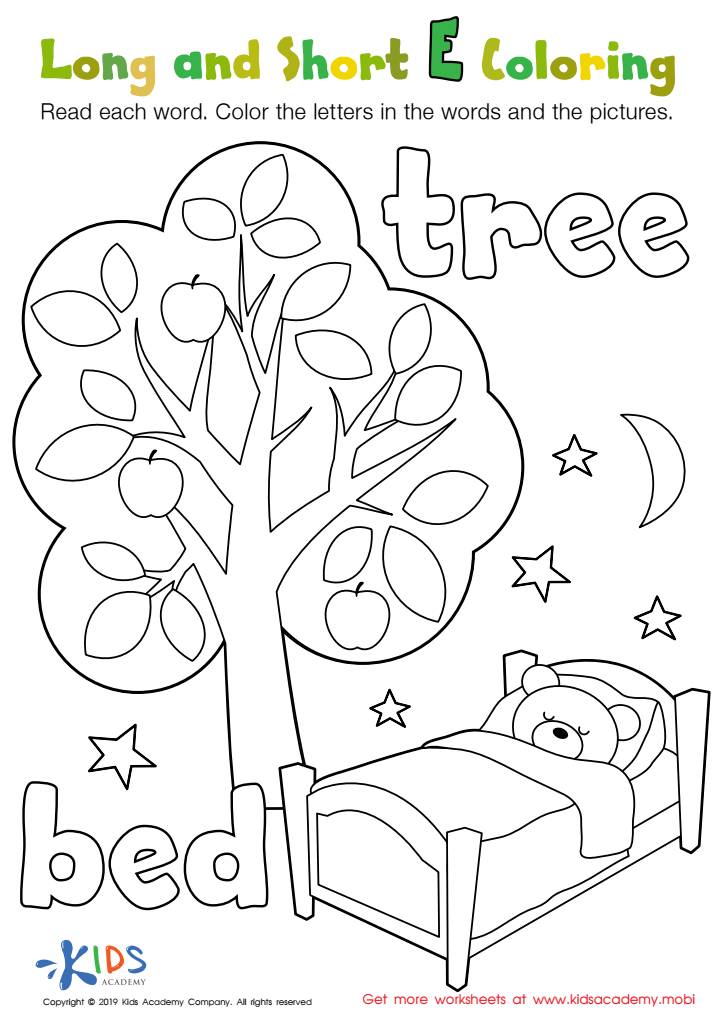
Long and Short E Worksheet
Assign to My Students
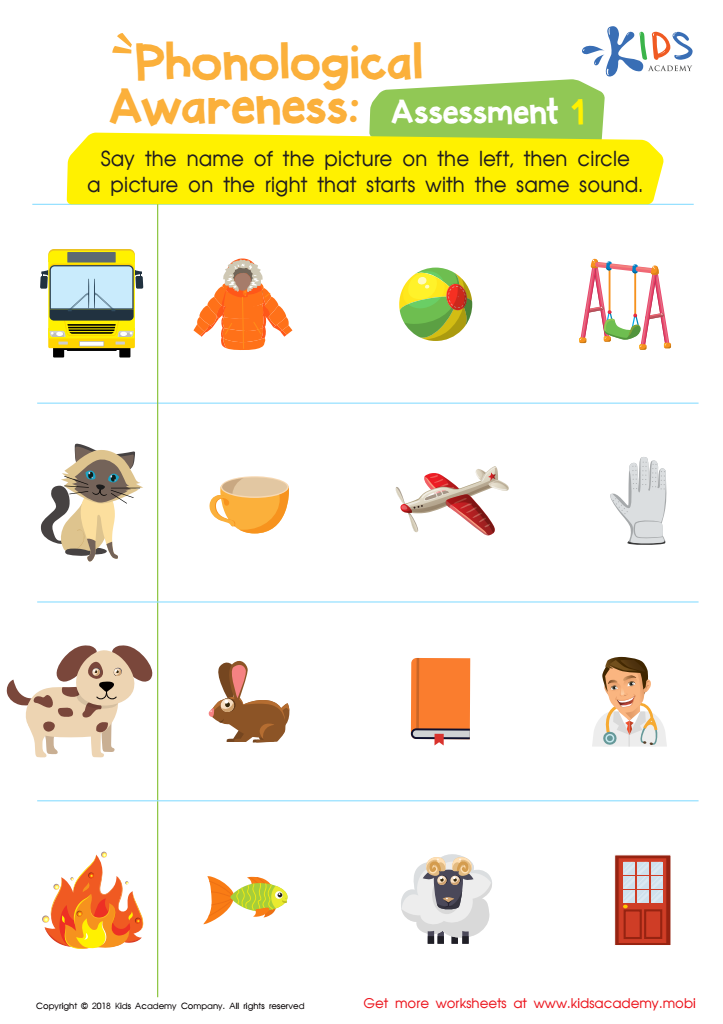
Phonological Awareness: Assessment 1 Worksheet




Parents and teachers should prioritize letter recognition and elementary phonics for children aged 3-4 because these fundamental skills are essential building blocks for early literacy development. At this critical age, children’s brains are highly receptive to learning language. Recognizing letters and understanding their corresponding sounds enable children to begin decoding words, a process vital for reading proficiency.
Letter recognition prepares children to identify and differentiate letters, which is the first step in learning to read and write. Once children can recognize letters confidently, phonics comes into play, connecting specific sounds to each letter or group of letters. This synergy between visual identification and auditory skills enhances cognitive development and fosters language comprehension.
Moreover, early acquisition of these skills builds confidence and excitement about learning, setting a positive tone for future academic pursuits. Children who grasp these basics early often find it easier to progress to more complex reading skills, lessening frustration and resistance to reading activities in later years. Engaging young learners in fun, interactive activities that emphasize letter recognition and phonics nurtures a love for reading and establishes a solid literacy foundation. Hence, parents and teachers have a pivotal role in integrating these practices into early education to ensure children’s long-term success.






