Fine Motor Skills Normal Alphabet Worksheets for Ages 3-4
51 filtered results
-
From - To
Explore our engaging Fine Motor Skills Normal Alphabet Worksheets designed specifically for children ages 3-4. These worksheets provide a fun and interactive way for young learners to enhance their fine motor abilities while becoming familiar with the alphabet. Through tracing, connecting dots, and creative activities, kids will strengthen the muscles in their hands, improving dexterity and coordination. Each worksheet is carefully crafted to promote essential skills such as pencil grip and hand-eye coordination, blending learning with playful exploration. Perfect for preschool and home education settings, these worksheets make practicing letters enjoyable and effective for little hands. Start your child’s learning journey today!
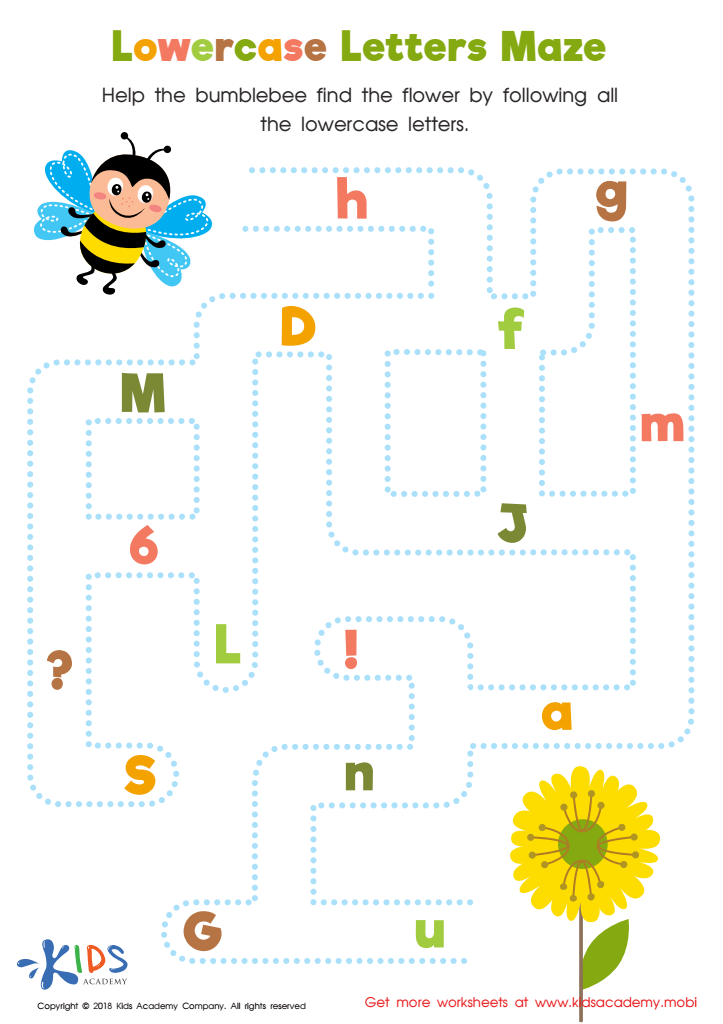
Lowercase Letters Maze Worksheet
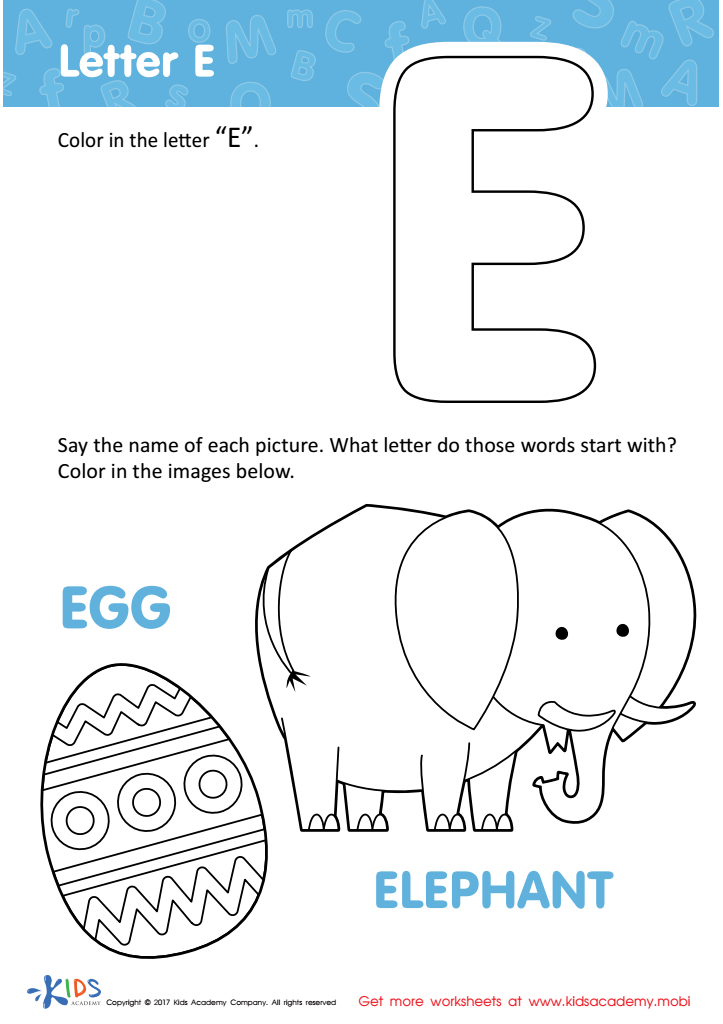
Letter E Coloring Sheet
 Assign to My Students
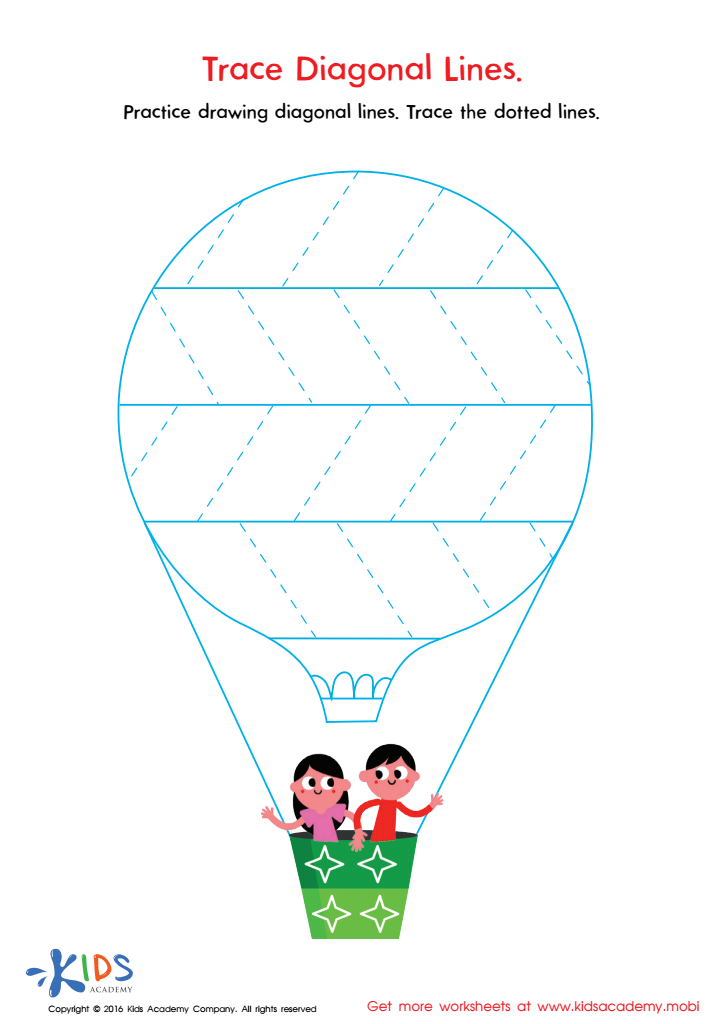
Trace Diagonal Lines Worksheet
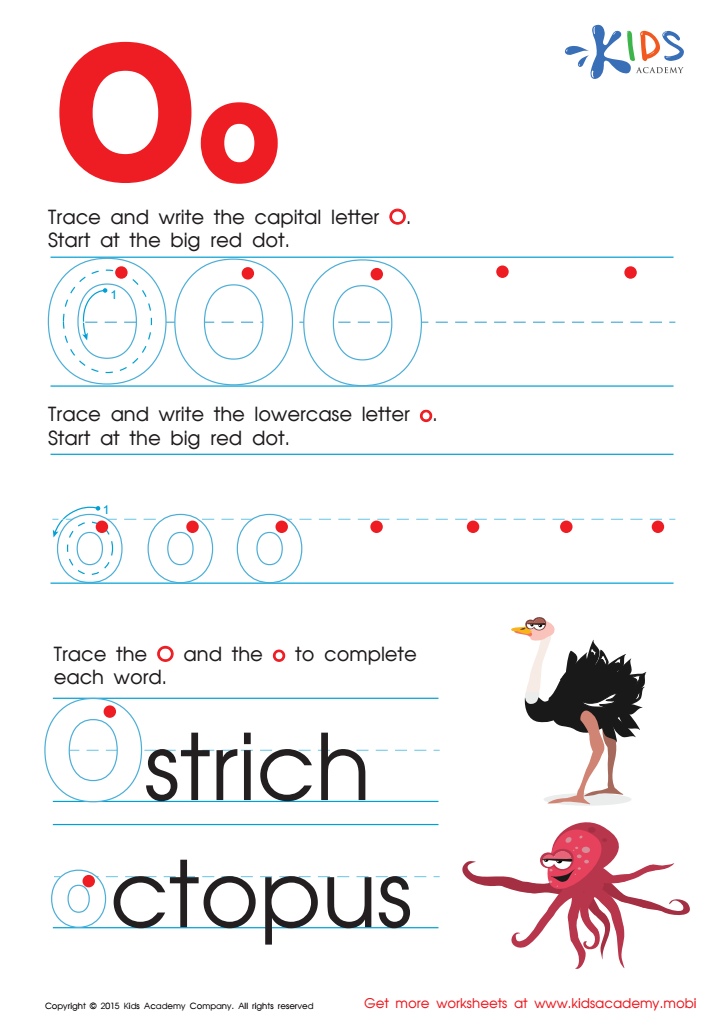
Letter O Tracing Page
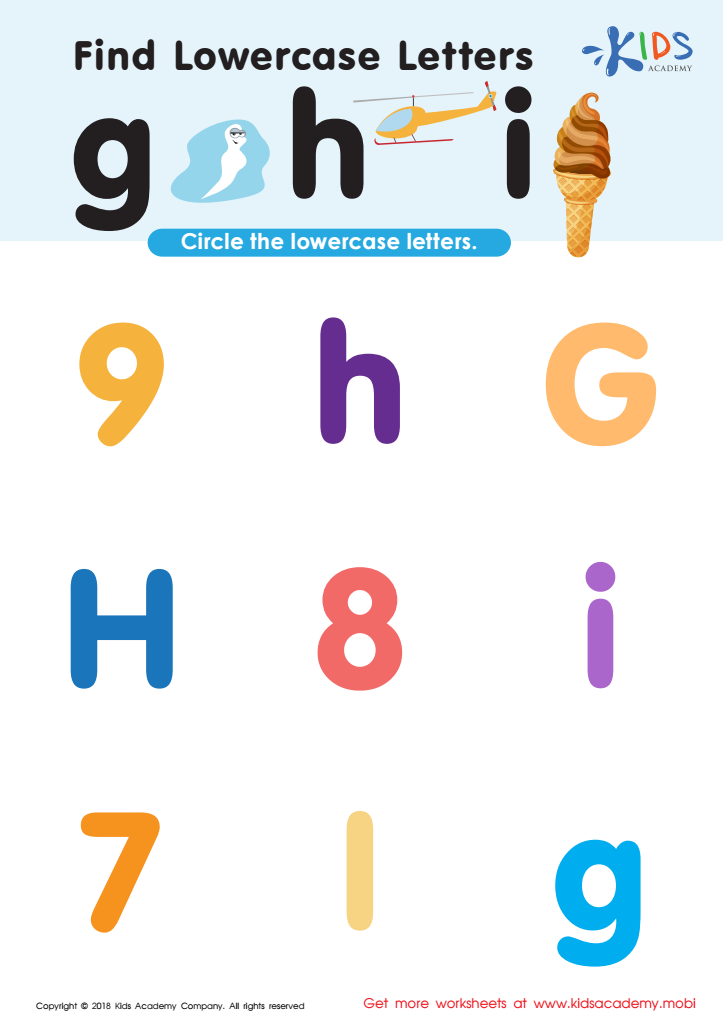
Find Lowercase Letters g h i Worksheet
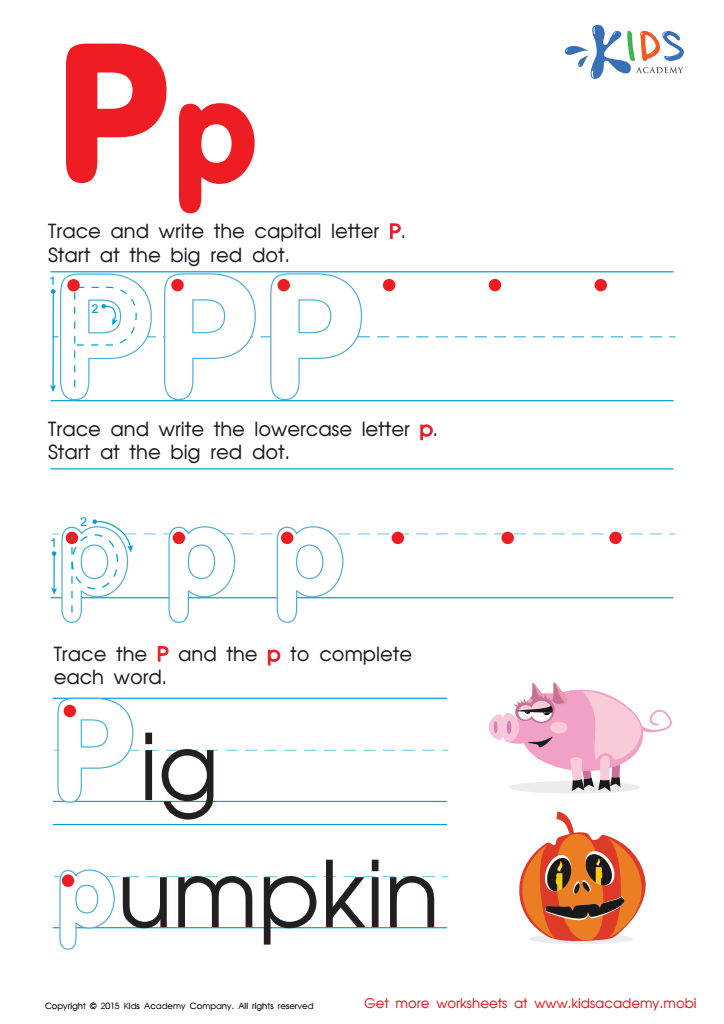
Letter P Tracing Page
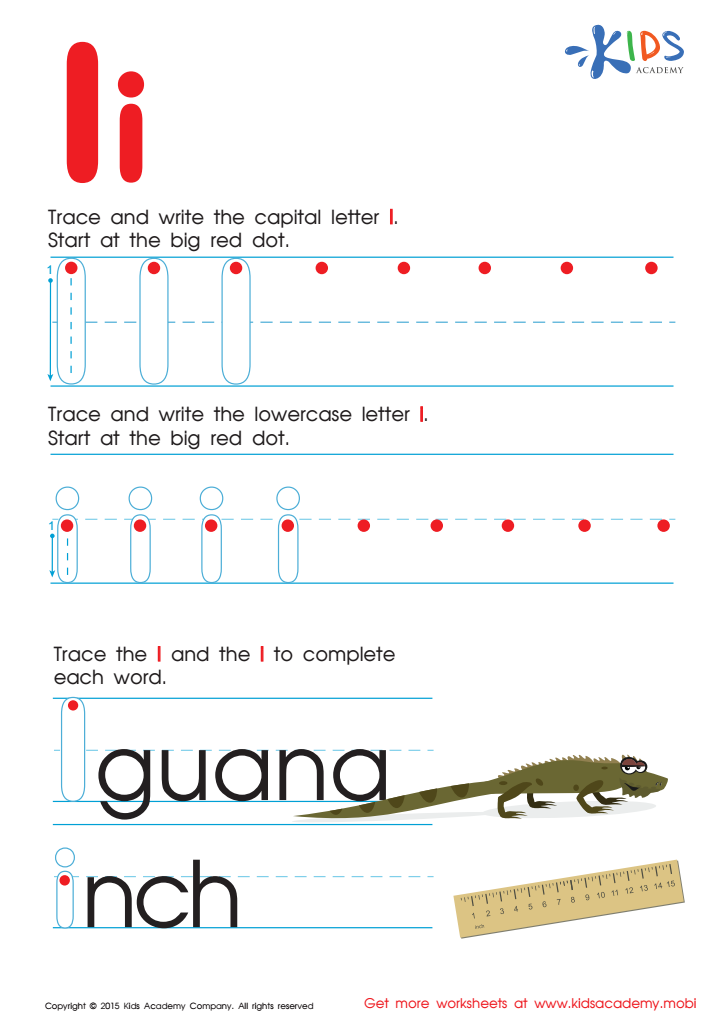
Letter I Tracing Page
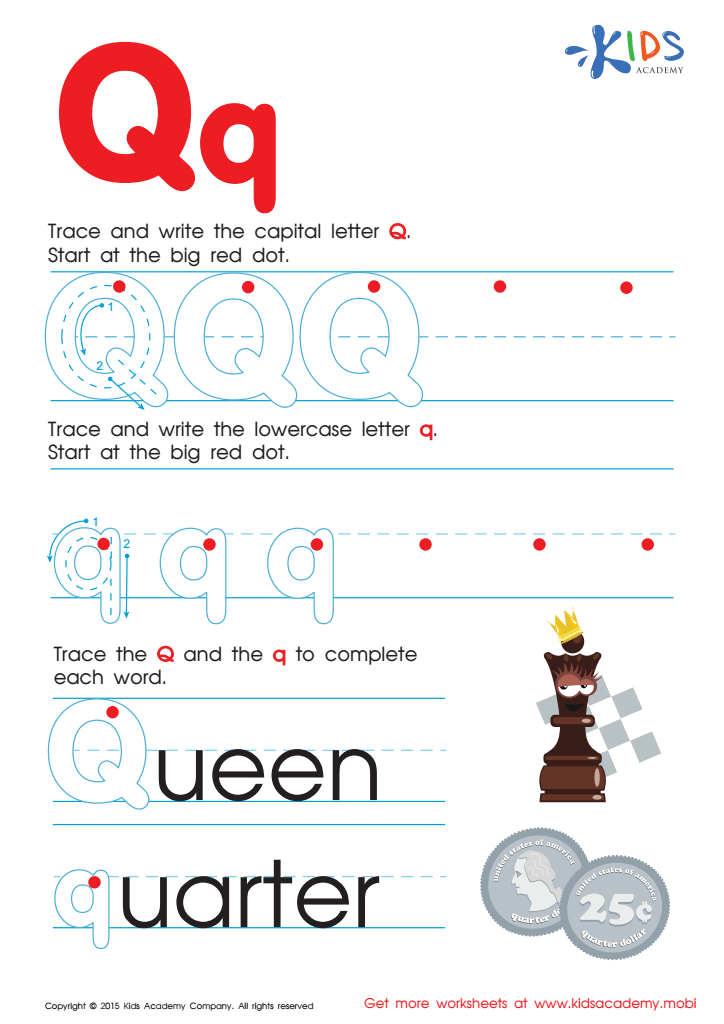
Letter Q Tracing Page
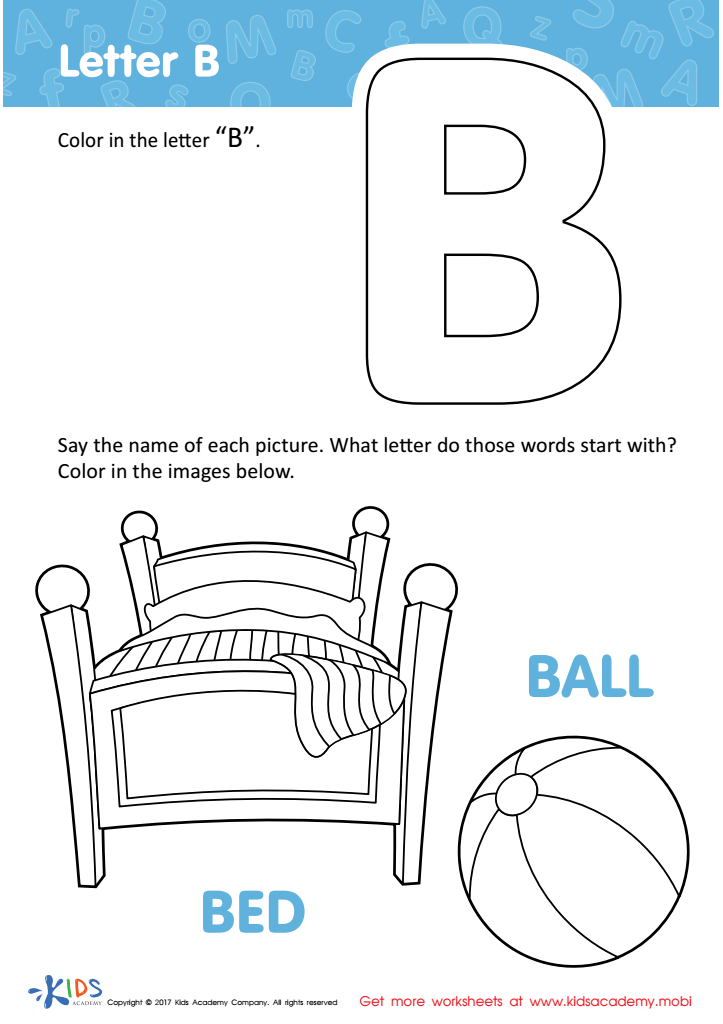
Letter B Coloring Sheet
Assign to My Students
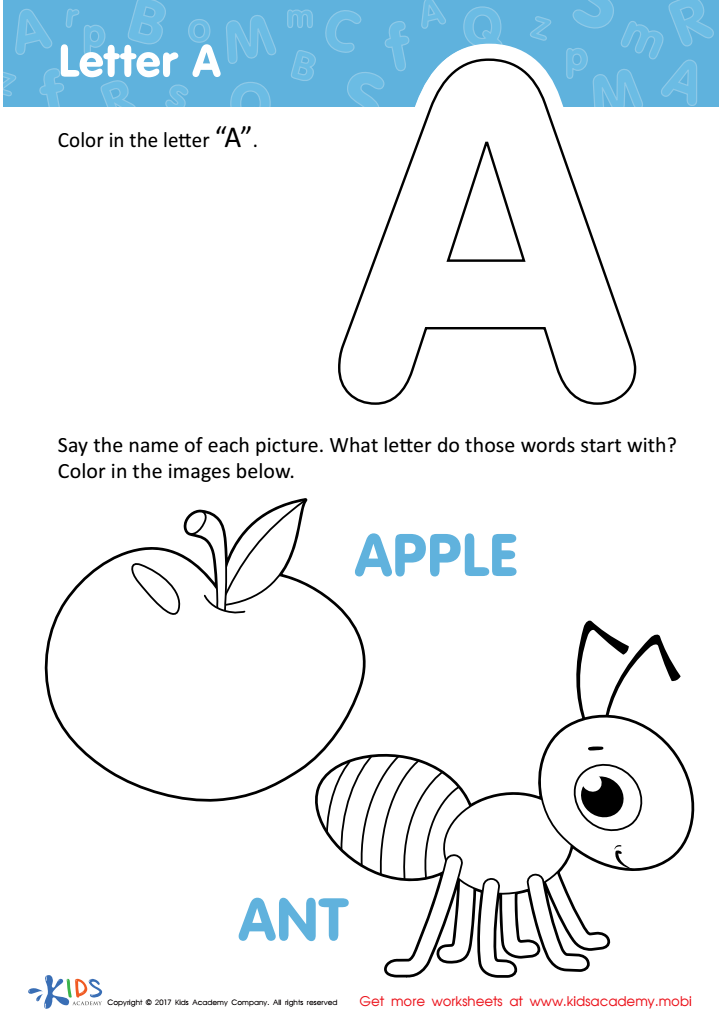
Letter A Coloring Sheet
Assign to My Students
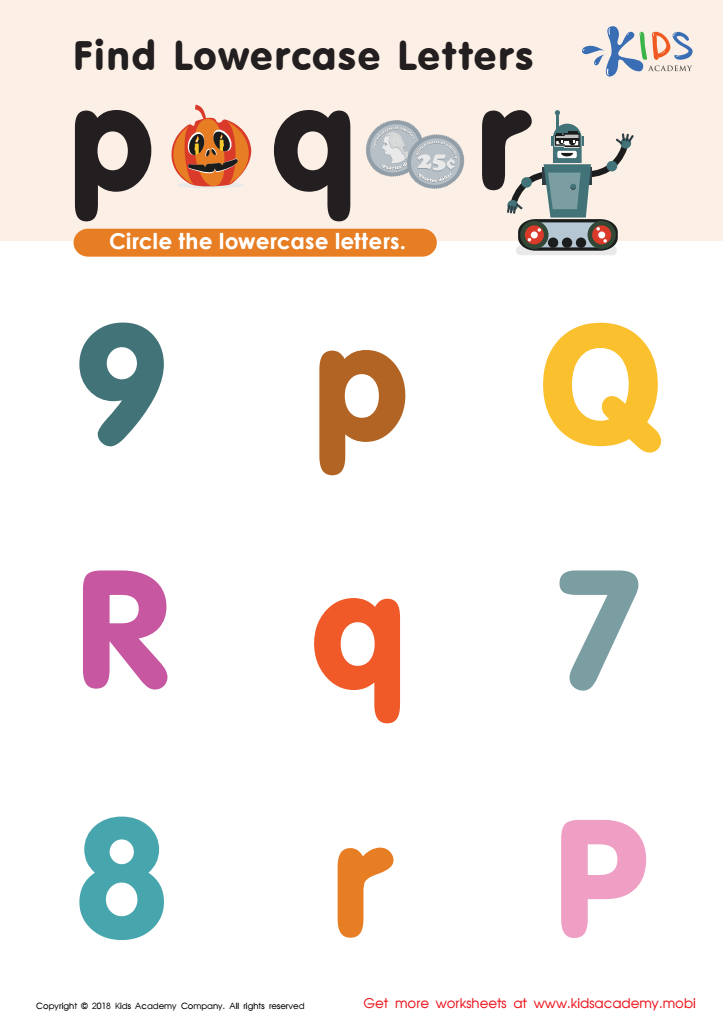
Find lowercase Letters p q r Worksheet
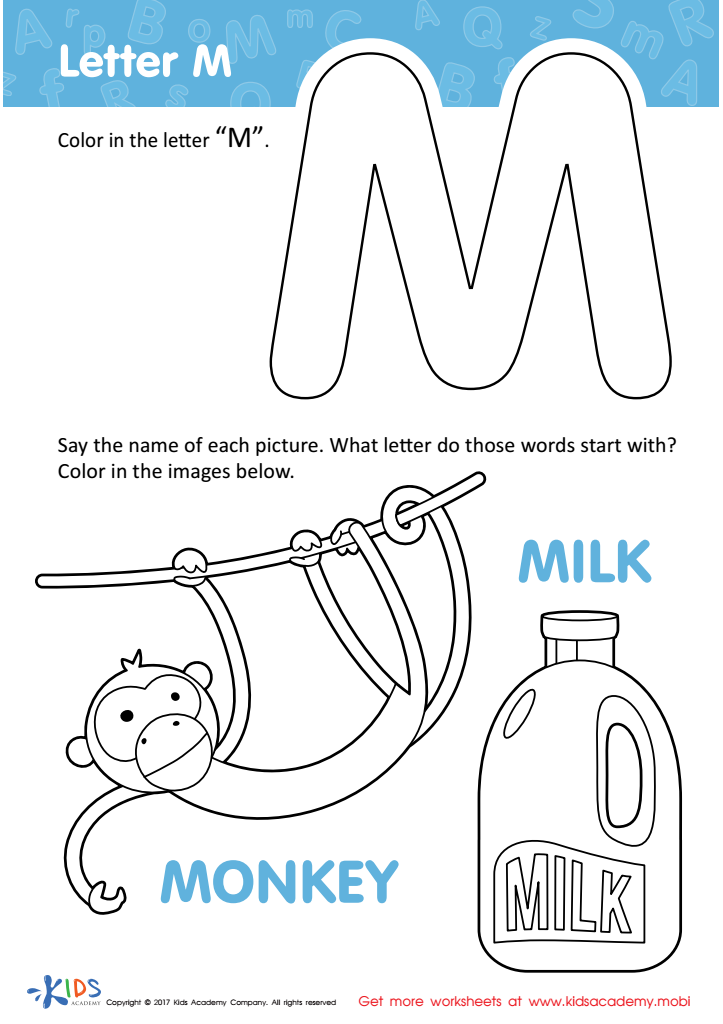
Letter M Coloring Sheet
Assign to My Students
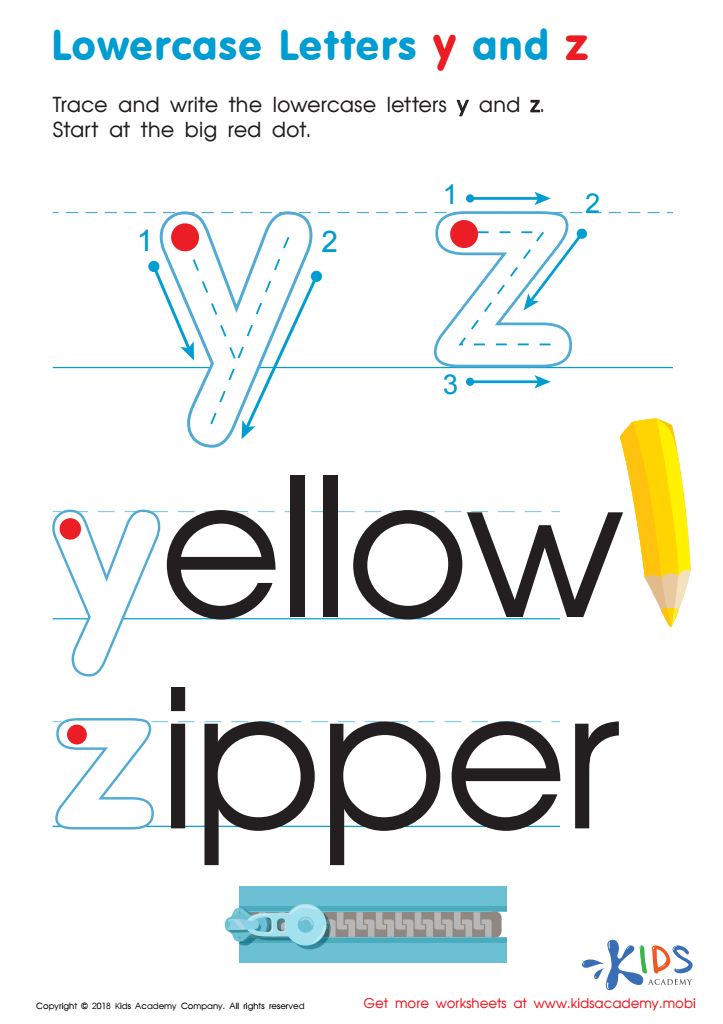
Lowercase Letters y z Worksheet
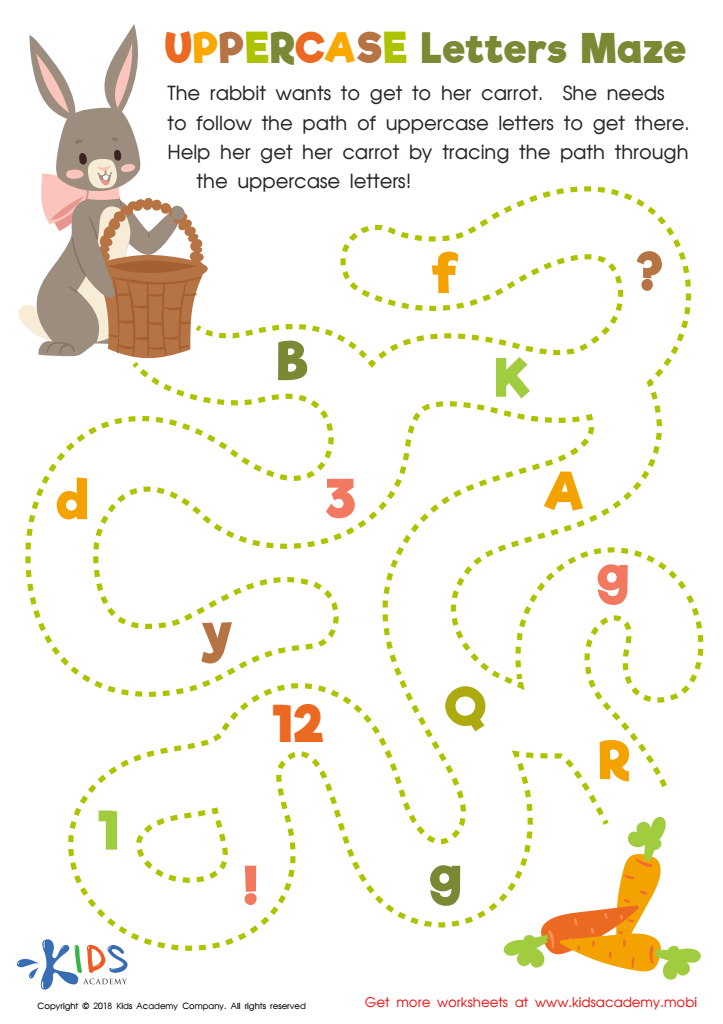
Uppercase Letters Maze Worksheet
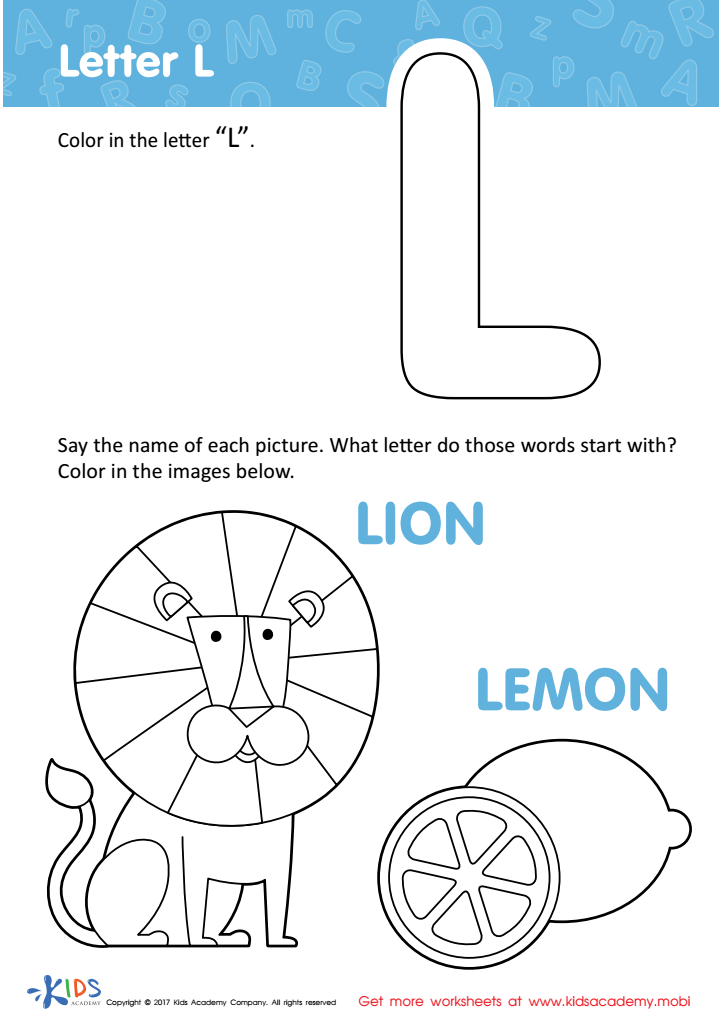
Letter L Coloring Sheet
Assign to My Students
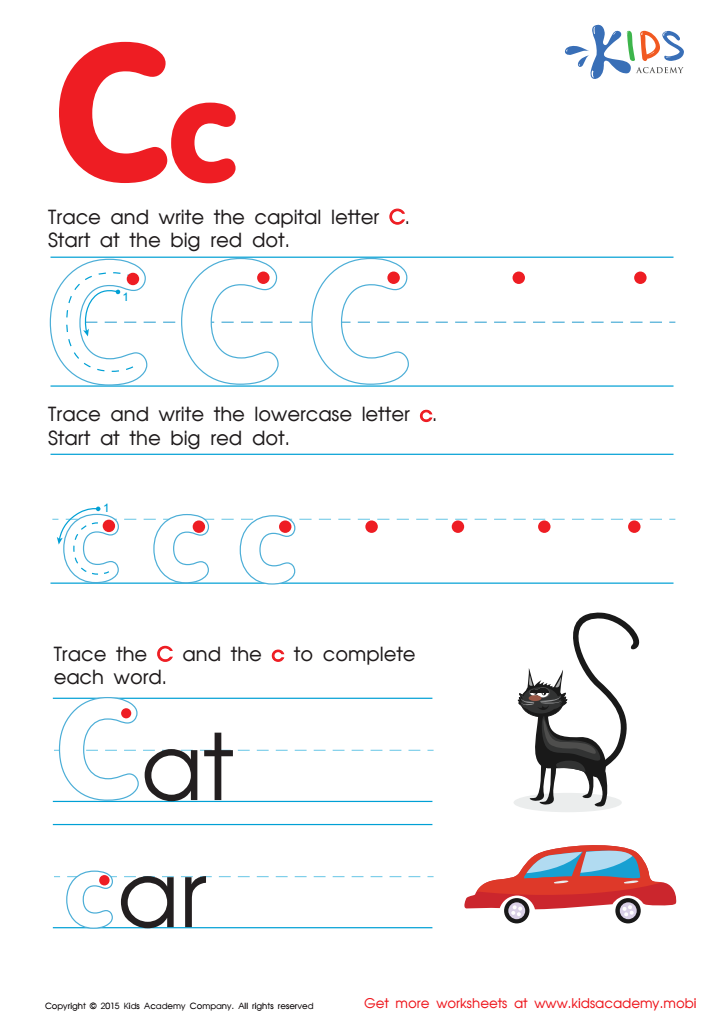
Letter C Tracing Page
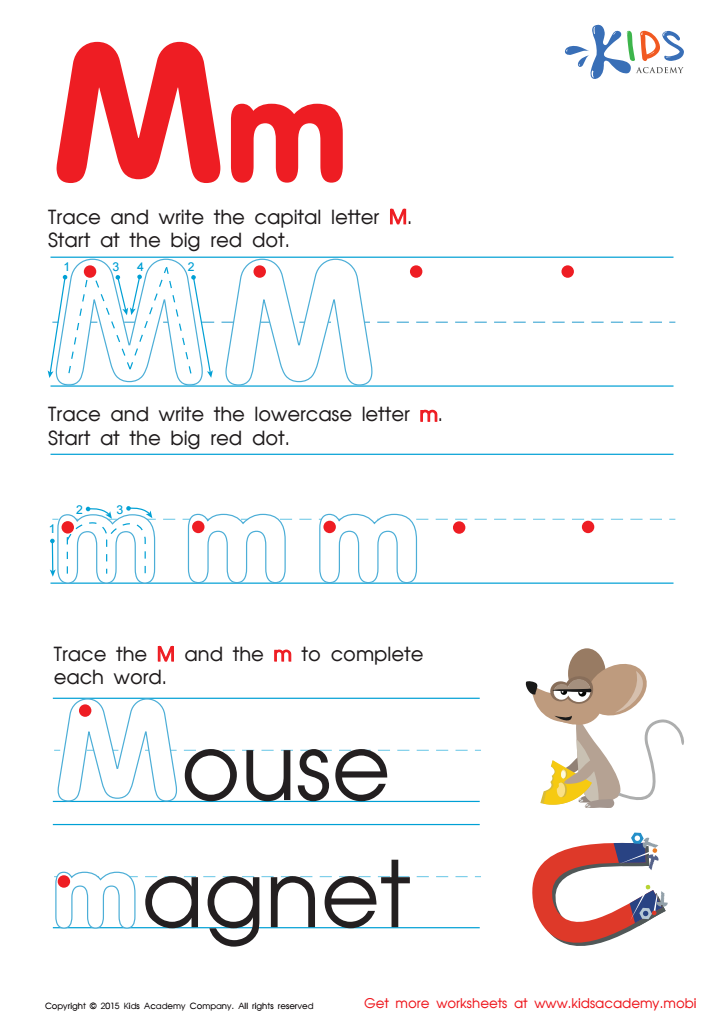
Letter M Tracing Page
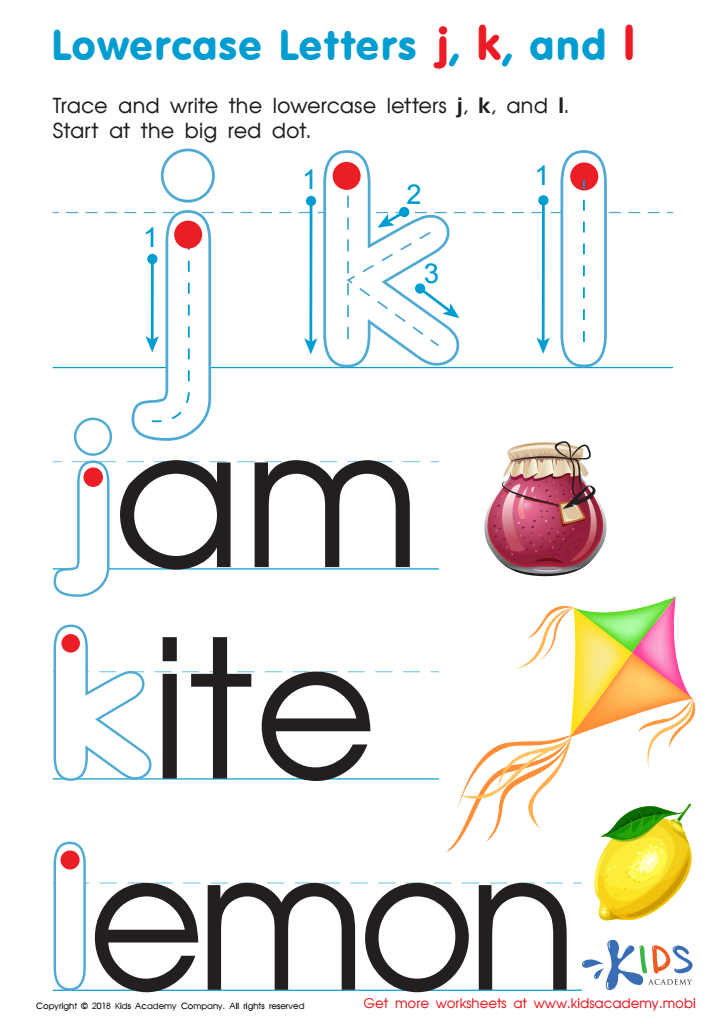
Lowercase Letters j k l Worksheet
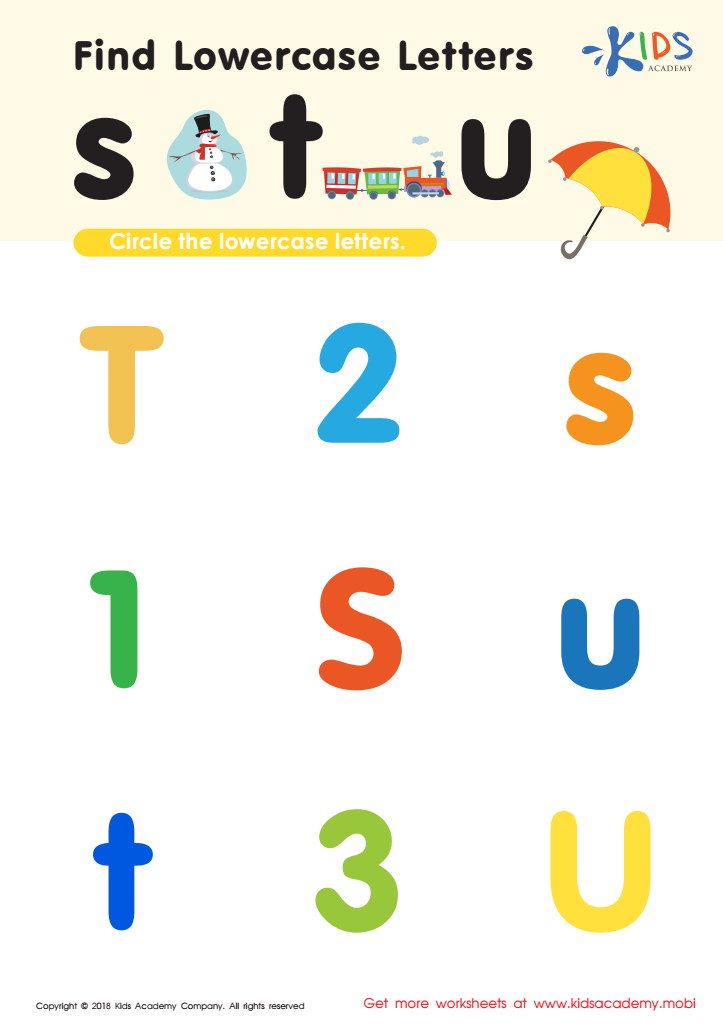
Find lowercase Letters s t u Worksheet
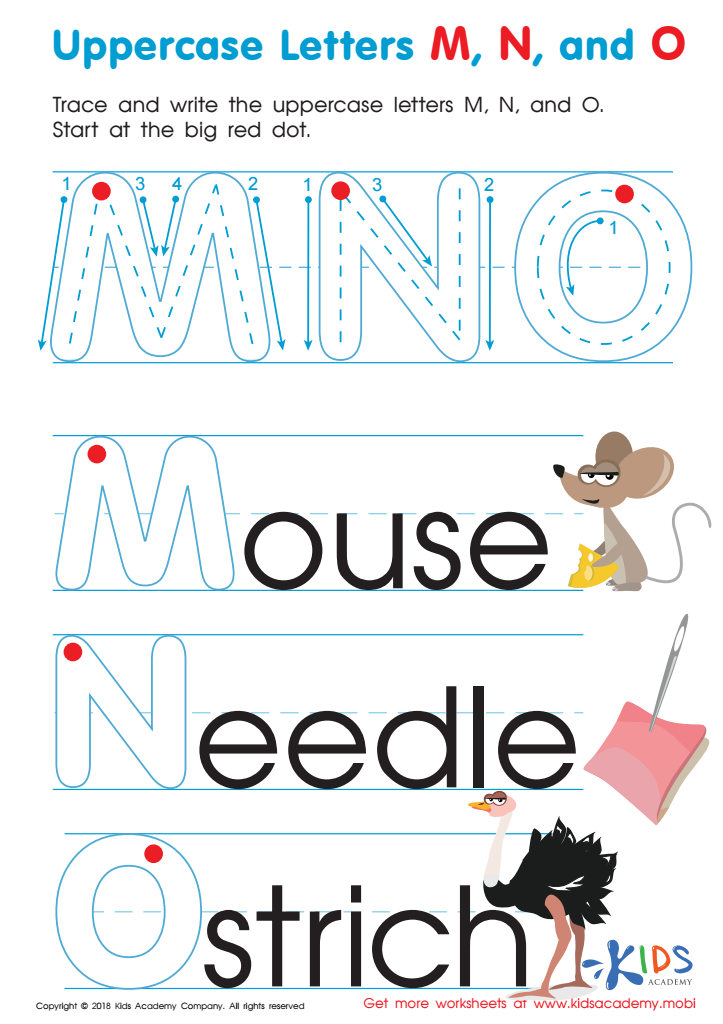
Uppercase Letters M, N, and O Worksheet
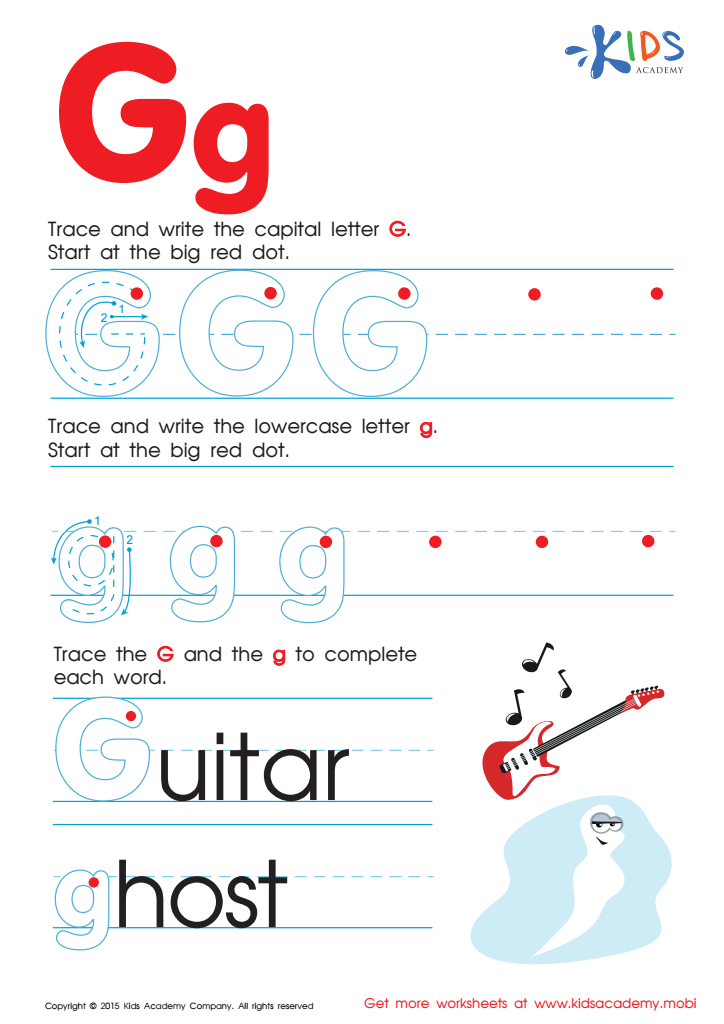
Letter G Tracing Page
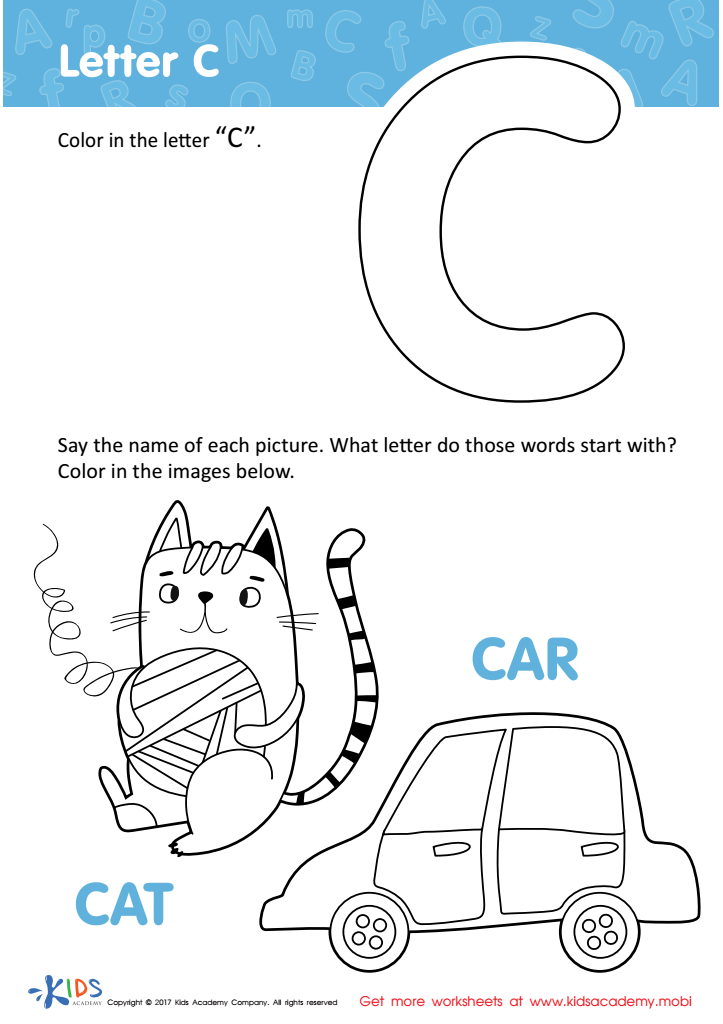
Letter C Coloring Sheet
Assign to My Students
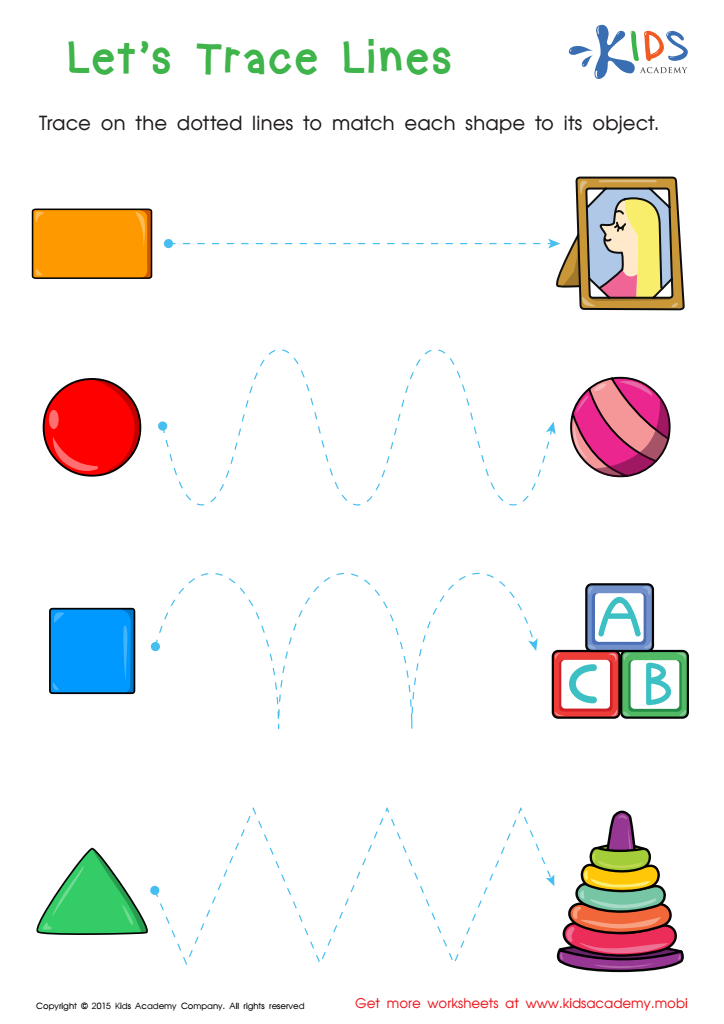
First Words: Let's Trace Lines Worksheet
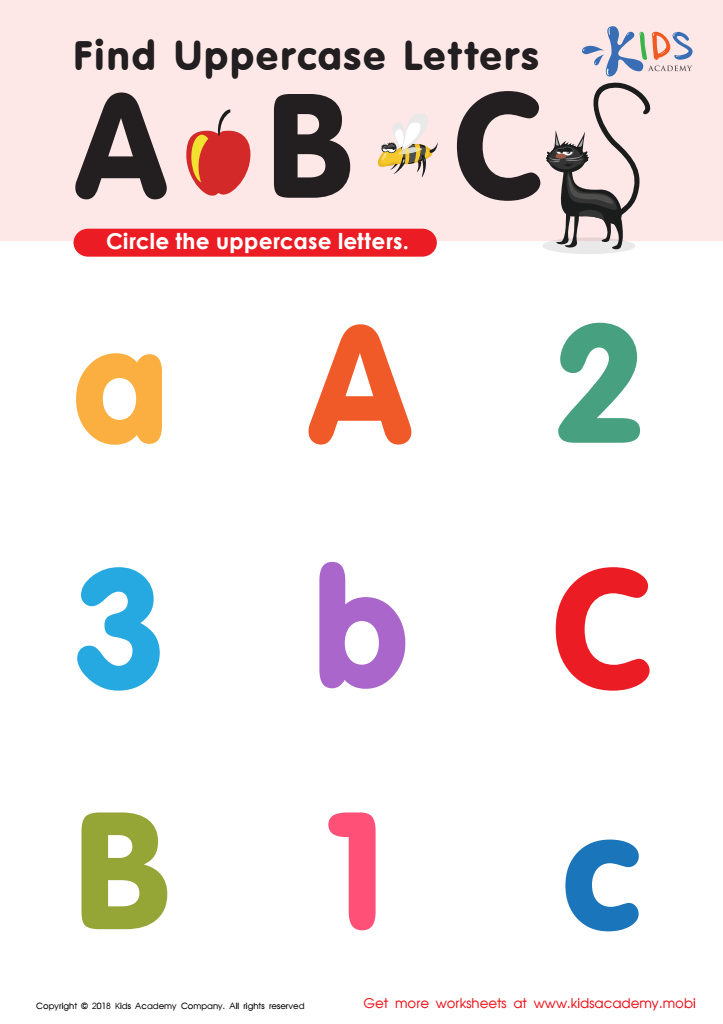
Find Uppercase Letters A, B, and C Worksheet








Fine motor skills are essential for young children, particularly between ages 3-4, as they lay the groundwork for later academic and daily functioning. These skills refer to the ability to use small muscles in the hands and fingers, enabling actions such as holding a pencil, cutting with scissors, and manipulating small objects.
Fostering fine motor skills during this developmental stage is crucial as it not only impacts a child's handwriting but also their overall hand-eye coordination, dexterity, and creativity. Engaging in activities that promote fine motor development—like coloring, cutting shapes, or playing with building blocks—enhances cognitive development and can boost confidence in their abilities. These skills directly influence a child’s readiness for school, enabling them to participate fully in both learning and play.
Moreover, parents and teachers who actively support fine motor development create a solid foundation for academic success. Children who struggle with fine motor tasks may become frustrated, possibly leading to challenges in learning. By engaging children in targeted activities that promote fine motor skills at an early age, parents and teachers help foster independence and self-esteem, ultimately preparing them for future educational challenges. Thus, prioritizing fine motor skills in early childhood is essential for holistic development.







