Handwriting practice Normal Alphabet Worksheets for Ages 3-4 - Page 2
37 filtered results
-
From - To
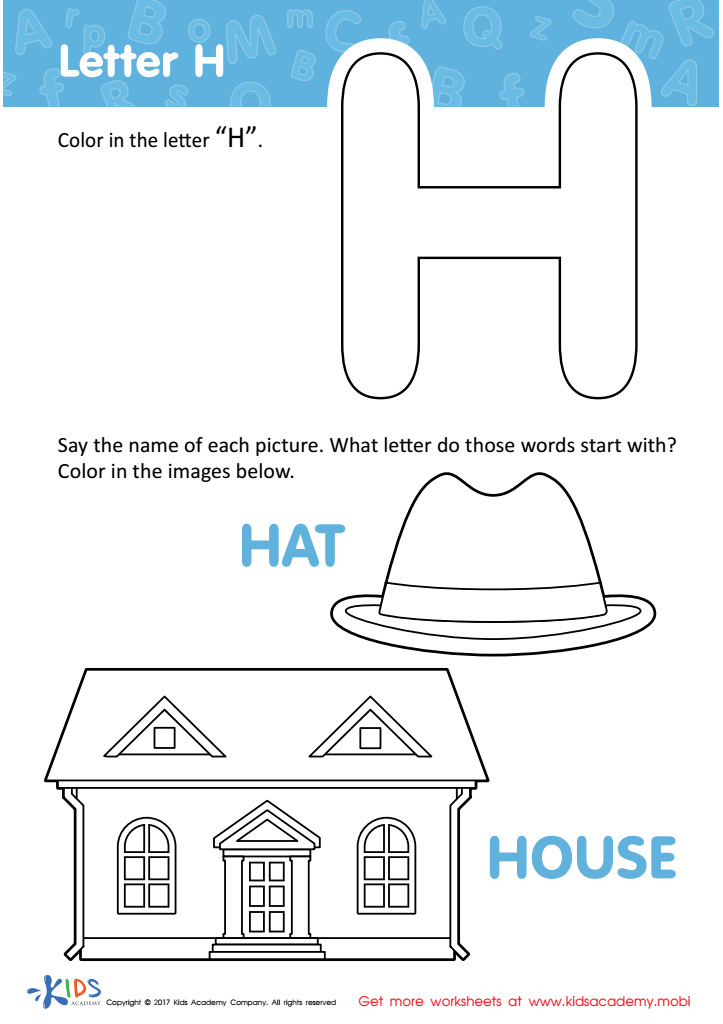
Letter H Coloring Sheet
 Assign to My Students
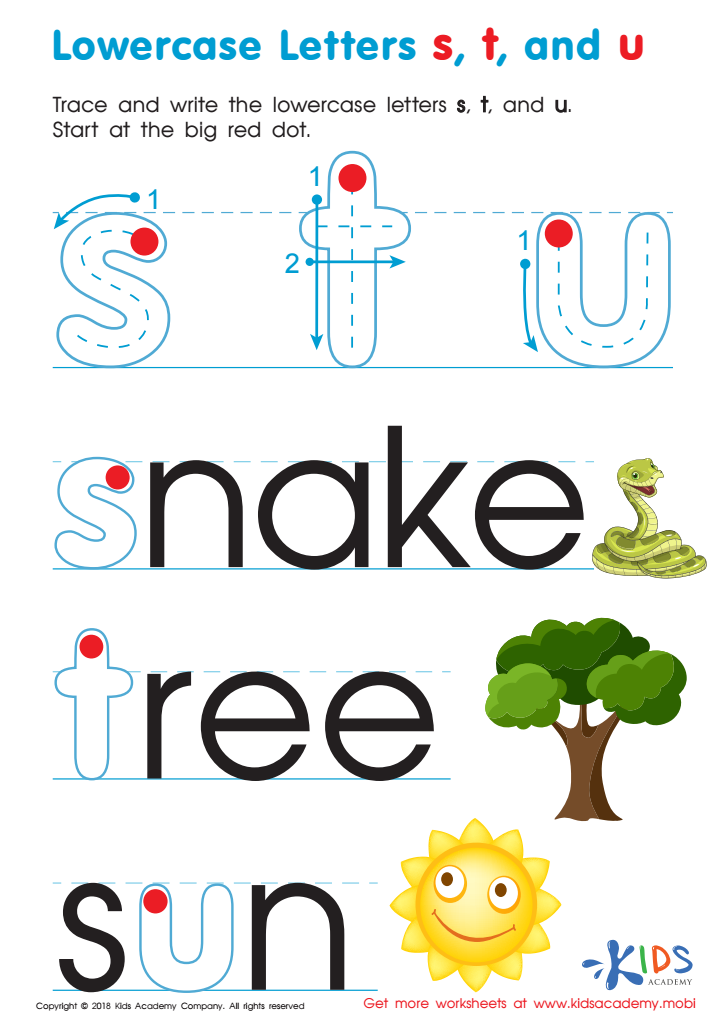
Lowercase Letters s t u Worksheet
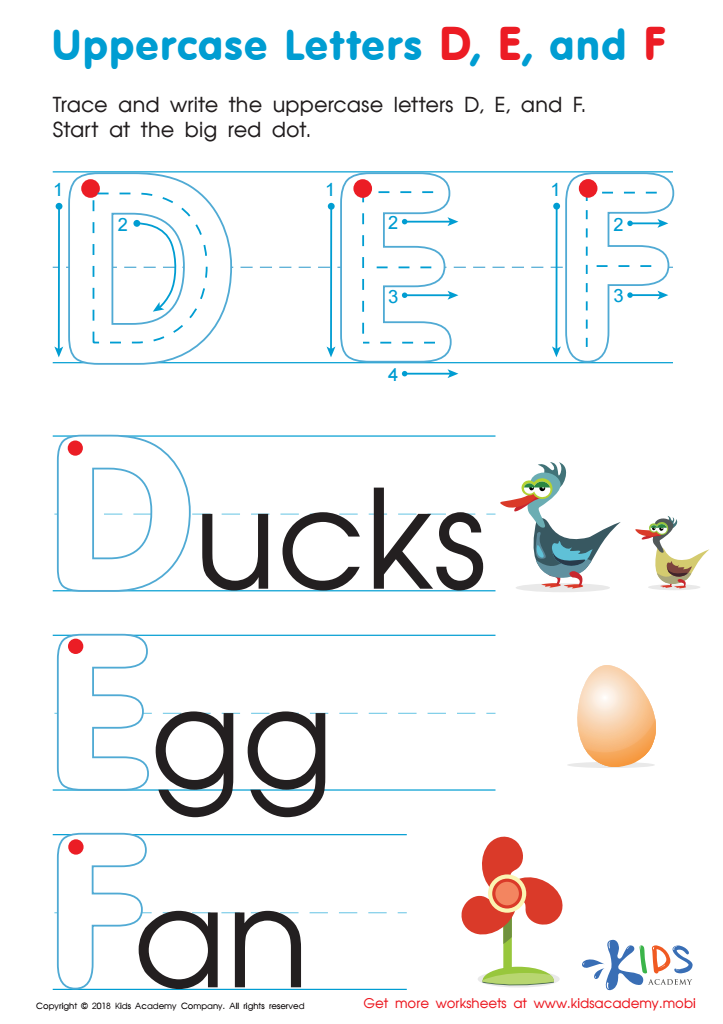
Uppercase Letters D, E, and F Worksheet
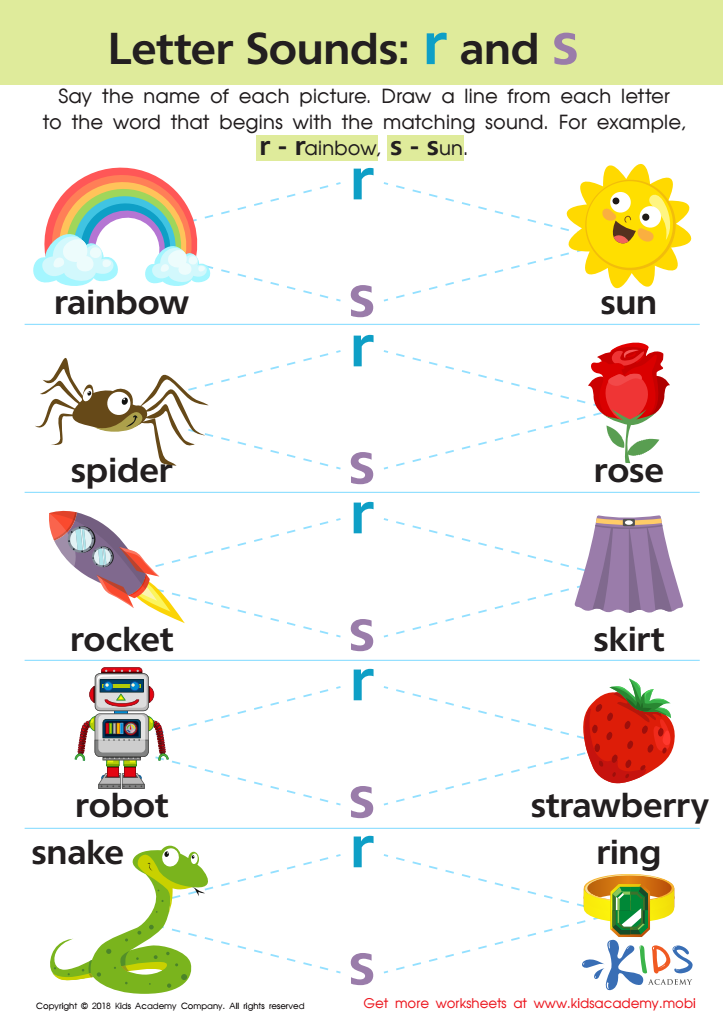
Letter R and S Sounds Worksheet
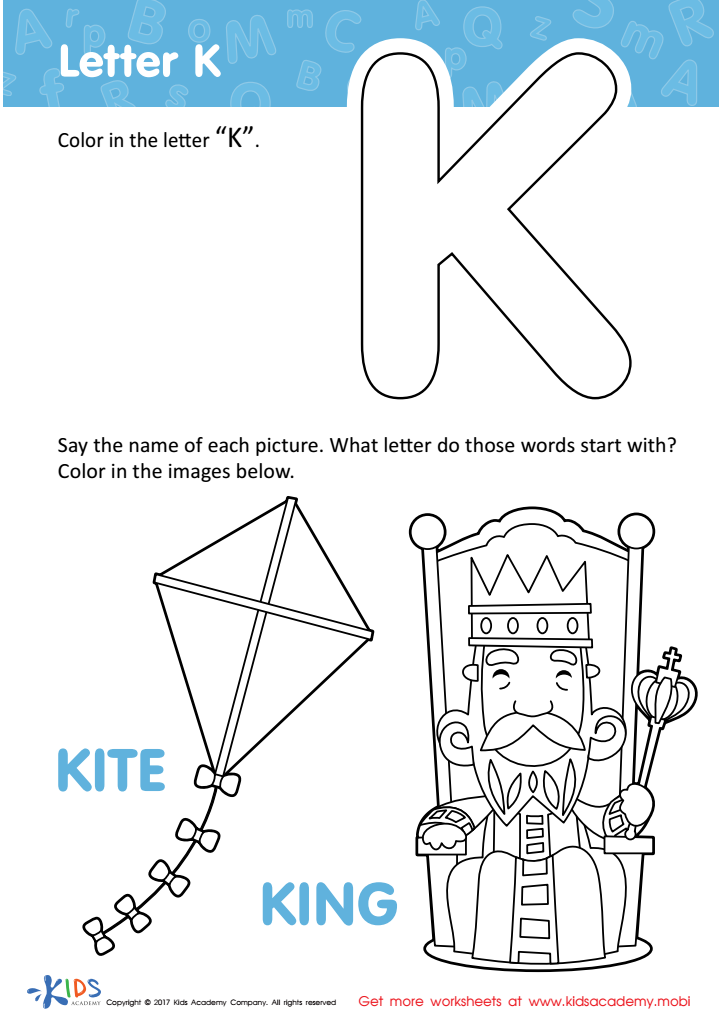
Letter K Coloring Sheet
Assign to My Students

Uppercase Letters Y Z Worksheet
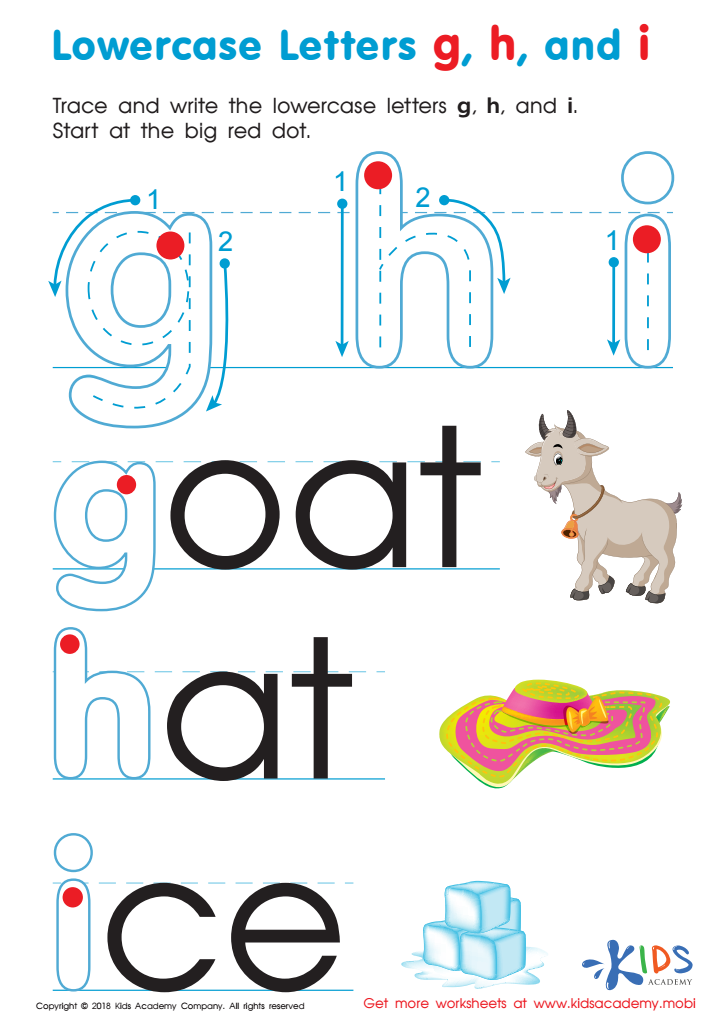
Lowercase Letters g h i Worksheet
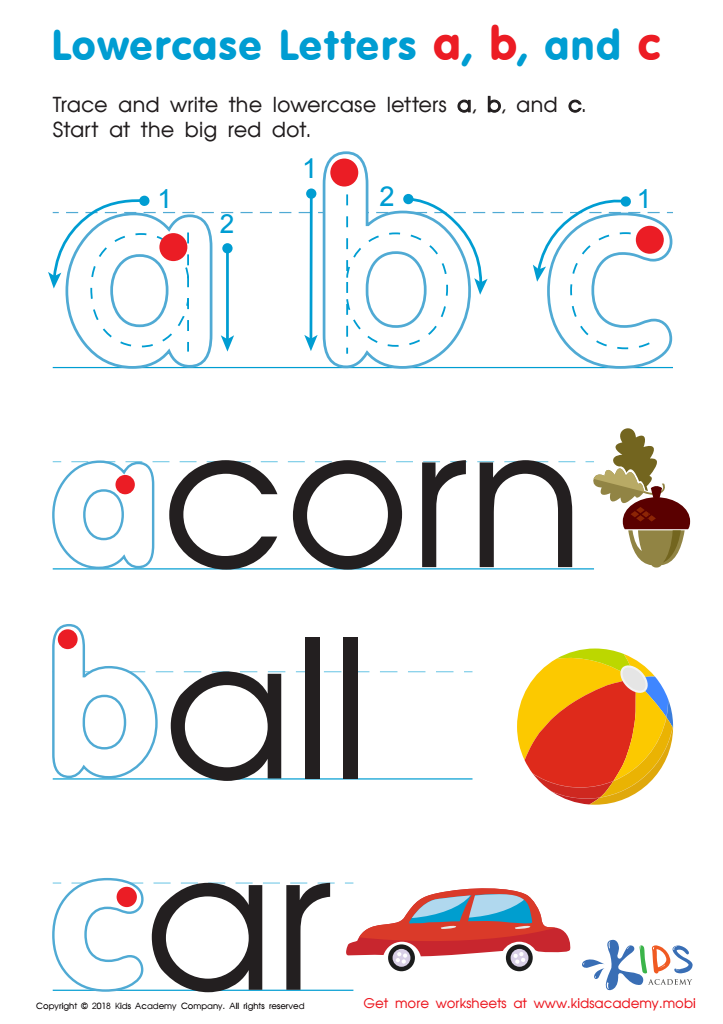
Lowercase Letters a b c Worksheet
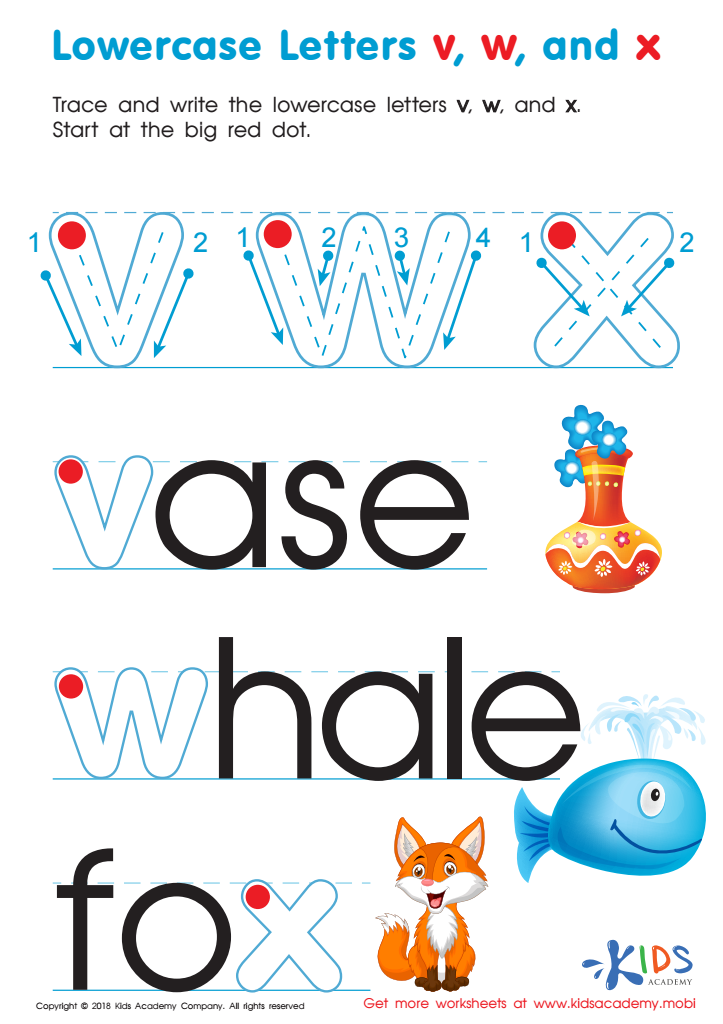
Lowercase Letters v w x Worksheet

Letter N Coloring Sheet
Assign to My Students
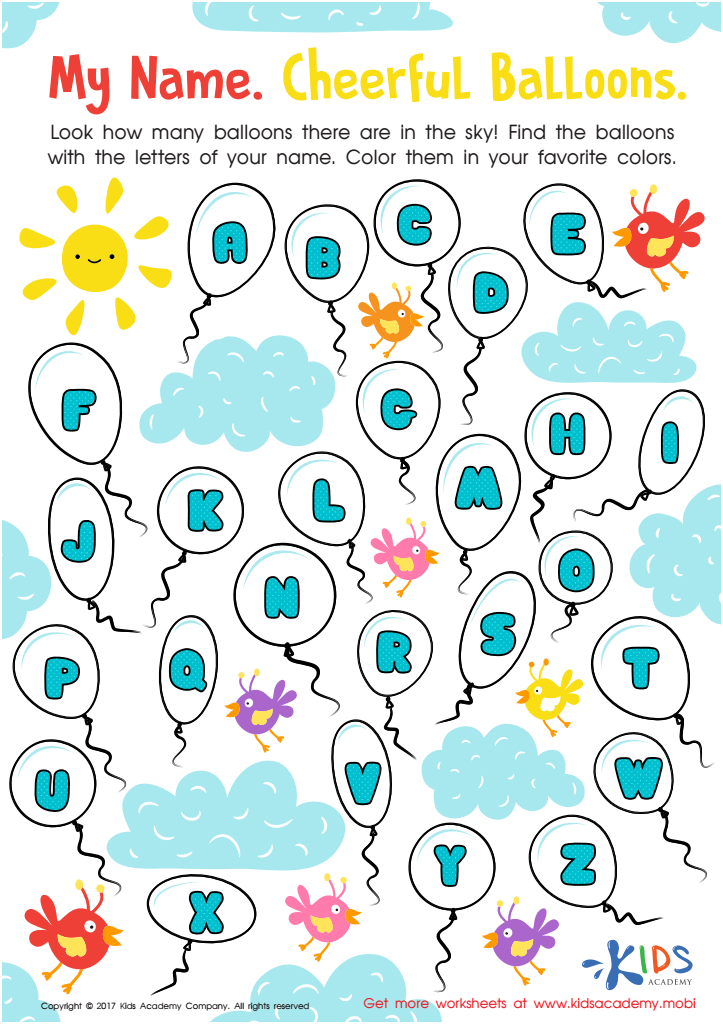
My Name: Cheerful Balloons Worksheet
Assign to My Students
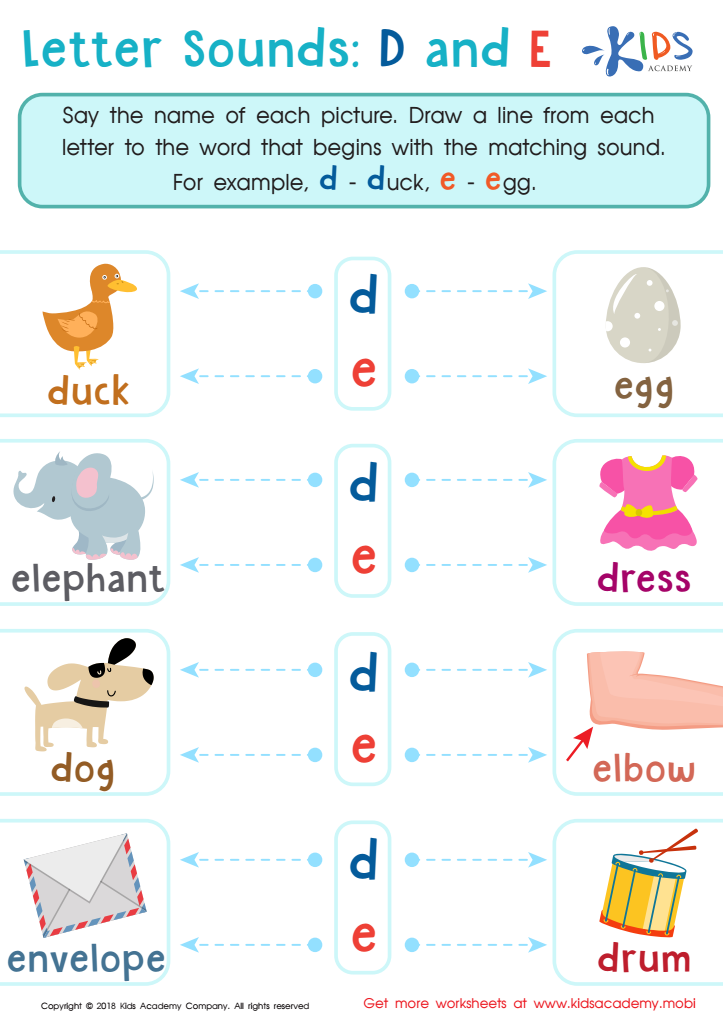
Letter D and E Sounds Worksheet
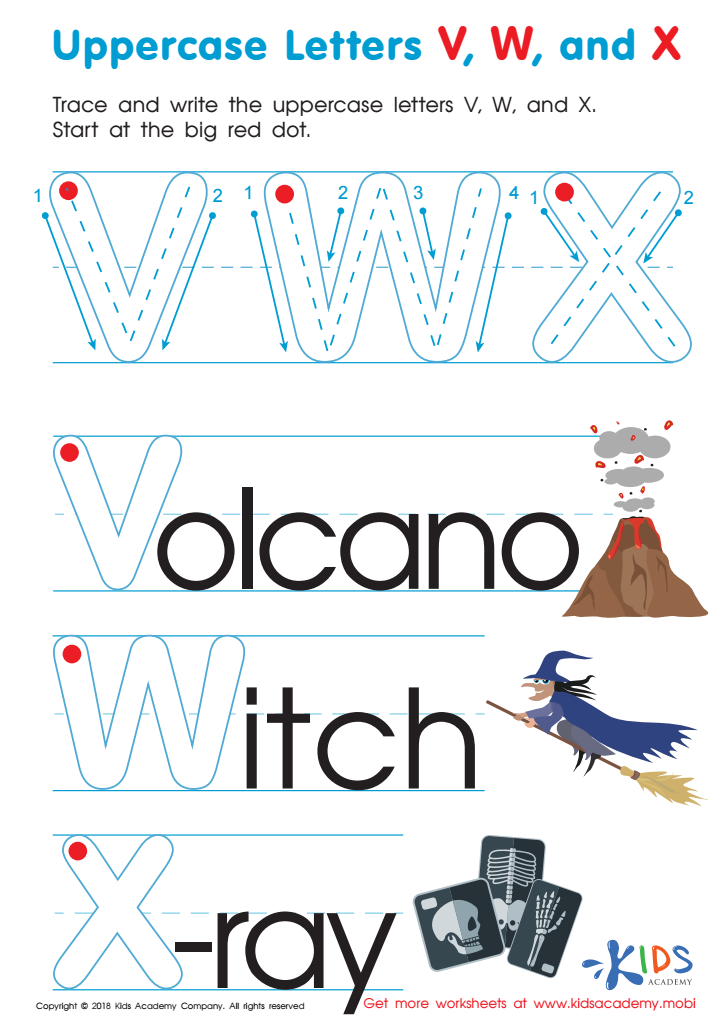
Uppercase Letters V, W, and X Worksheet






Handwriting practice is crucial for children ages 3-4, as it lays the foundation for their literacy skills and cognitive development. During these formative years, children develop fine motor skills. Practicing handwriting with the normal alphabet enhances hand-eye coordination and finger strength, essential for various daily tasks beyond writing, such as buttoning a shirt or holding utensils.
Moreover, handwriting helps reinforce letter recognition, which is vital for reading and spelling. As children engage in writing the alphabet, they create muscle memory that aids in recognizing letters and words later on. This practice also fosters creativity and self-expression, providing children a means to convey their thoughts and ideas.
By establishing early writing habits, teachers and parents can cultivate a positive attitude towards literacy, sparking children’s interest in learning. Regular practice transforms handwriting into a seamless skill as they progress to more complex writing tasks. Additionally, it encourages patience, focus, and discipline, qualities that are beneficial throughout a child’s educational journey. Ultimately, caregivers play a pivotal role in nurturing these skills, making handwriting practice not just an educational exercise but an investment in children's overall development and confidence.







