Problem-Solving Skills Normal Alphabet Worksheets for Ages 3-4
3 filtered results
-
From - To
Nurture the early problem-solving skills of children aged 3-4 with our engaging Alphabet Worksheets! Designed to captivate young minds, these worksheets strengthen foundational skills while introducing the alphabet. Through fun and creativity, children will solve puzzles, connect letters, and complete activities that promote critical thinking and letter recognition. Each worksheet combines learning with play, ensuring kids stay motivated and enthusiastic. Perfect for budding learners, our printable guides make alphabet mastery an enjoyable journey. Help your child develop essential problem-solving abilities today with these educational, caregiver-friendly resources! Download now for endless learning adventures!
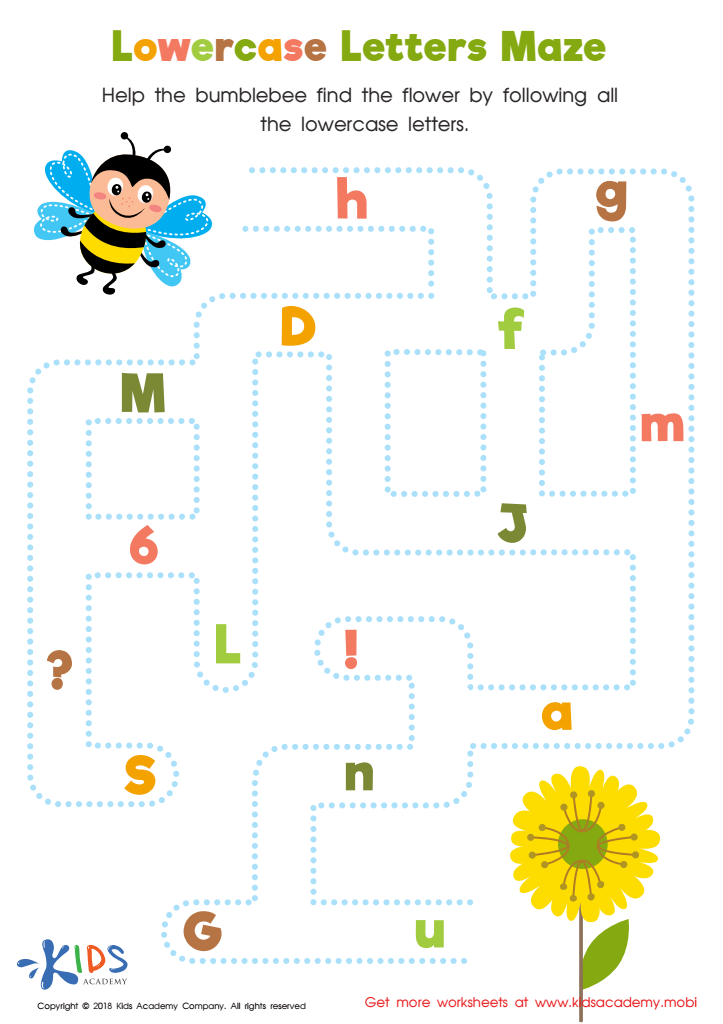
Lowercase Letters Maze Worksheet
 Assign to My Students
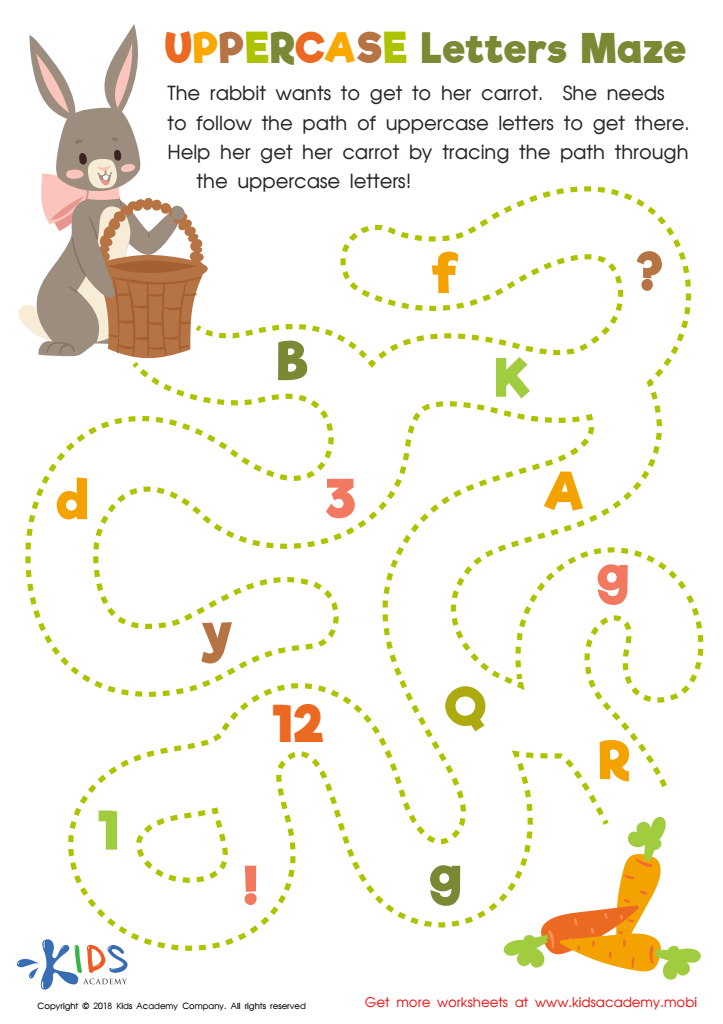
Uppercase Letters Maze Worksheet
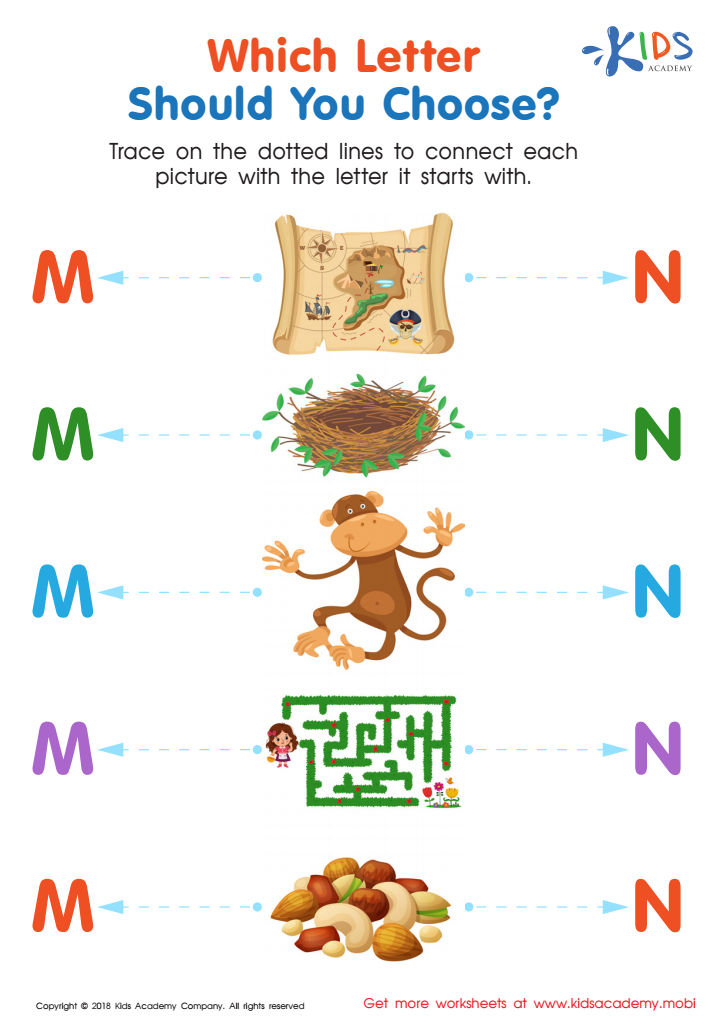
Which Letter Should you Choose? Worksheet








Problem-solving skills in the early years are crucial for a child’s cognitive and social development, and focusing on such skills as early as ages 3-4 can lay a strong foundation for future learning. At this tender age, children's brains are exceptionally receptive, making it a prime time to introduce them to strategies that encourage thinking and understanding. Games and activities that involve problem-solving in a normal alphabet context—such as recognizing patterns, sequencing, and matching—can significantly enhance their cognitive abilities.
For parents and teachers, nurturing these skills is important because they help children learn how to approach and overcome challenges systematically. This not only boosts their confidence but also fosters independent thinking and perseverance. Additionally, effective problem-solving enhances kids' abilities to interact socially. When young children engage in problem-solving tasks together, they learn to communicate, share, and cooperate, all of which are vital for emotional intelligence and social harmony.
By prioritizing problem-solving skills in early childhood education, parents and teachers can ensure children develop critical thinking abilities that will help them navigate school subjects more efficiently, enrich their learning experiences, and cultivate a lifelong love for discovery and learning. In essence, these skills act as building blocks for a successful and well-rounded educational journey.







