Visual discrimination skills Normal Alphabet Worksheets for Ages 3-4
5 filtered results
-
From - To
Enhance your child's visual discrimination skills with our engaging Normal Alphabet Worksheets designed for ages 3-4. These expertly crafted worksheets help young learners identify differences and similarities in letters, fostering critical observational skills essential for early literacy development. Each activity promotes focus and attention to detail while encouraging fun interactive learning. Kids will love exploring the alphabet through colorful visuals and creative exercises that make learning enjoyable. Perfect for both home and classroom settings, these worksheets provide a solid foundation for future academic success. Nurture your child's confidence and love for learning today with our captivating printable resources!
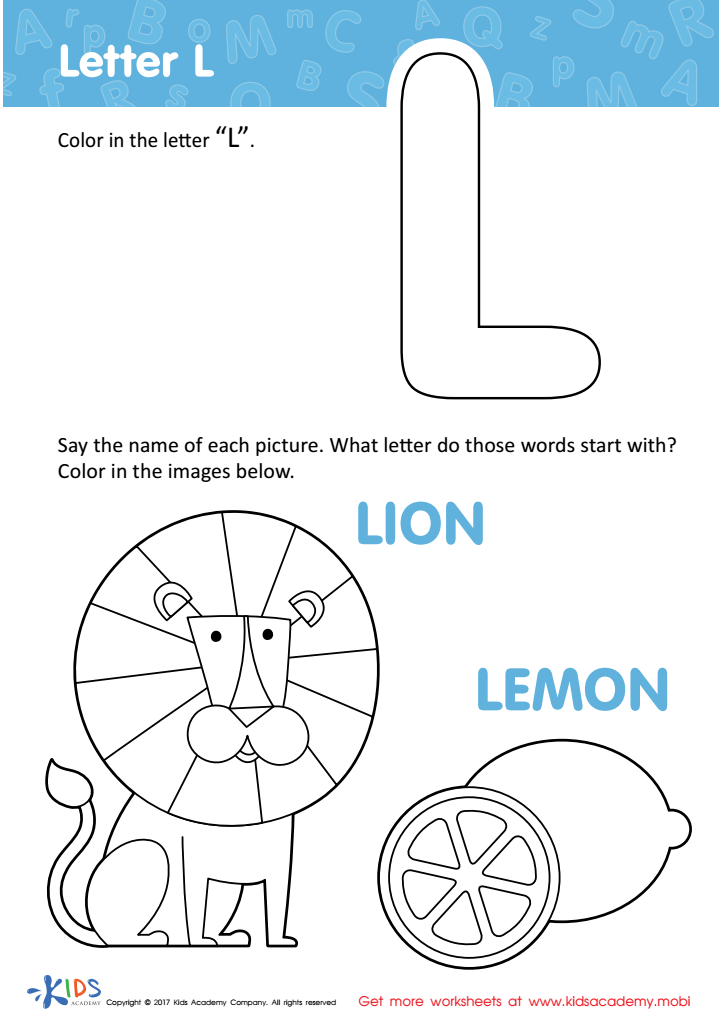
Letter L Coloring Sheet
 Assign to My Students
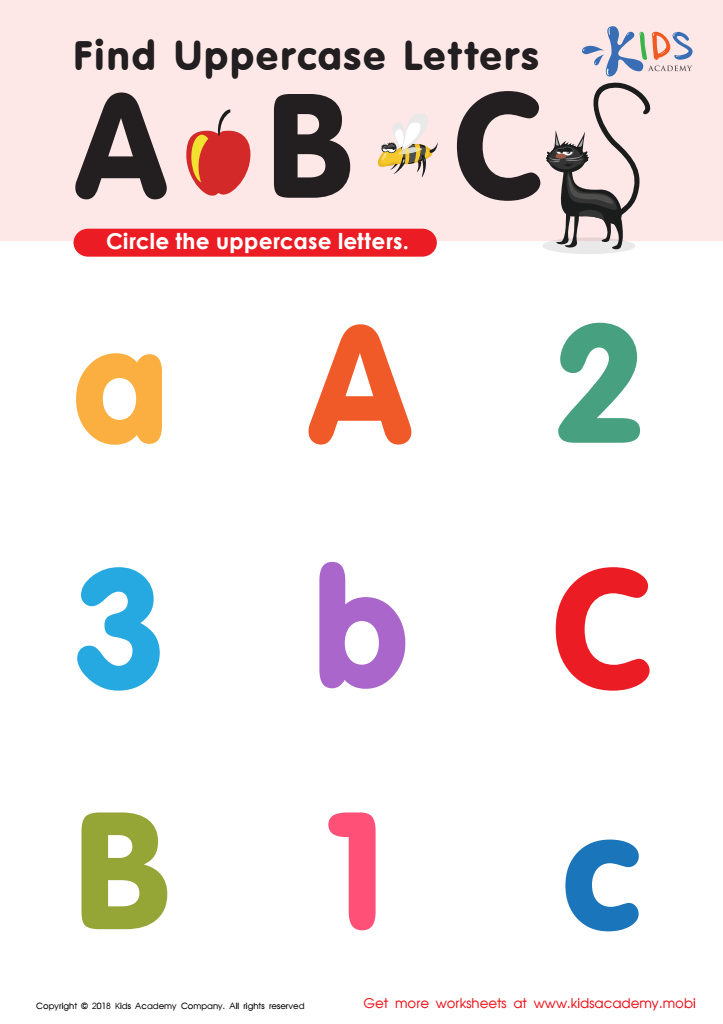
Find Uppercase Letters A, B, and C Worksheet
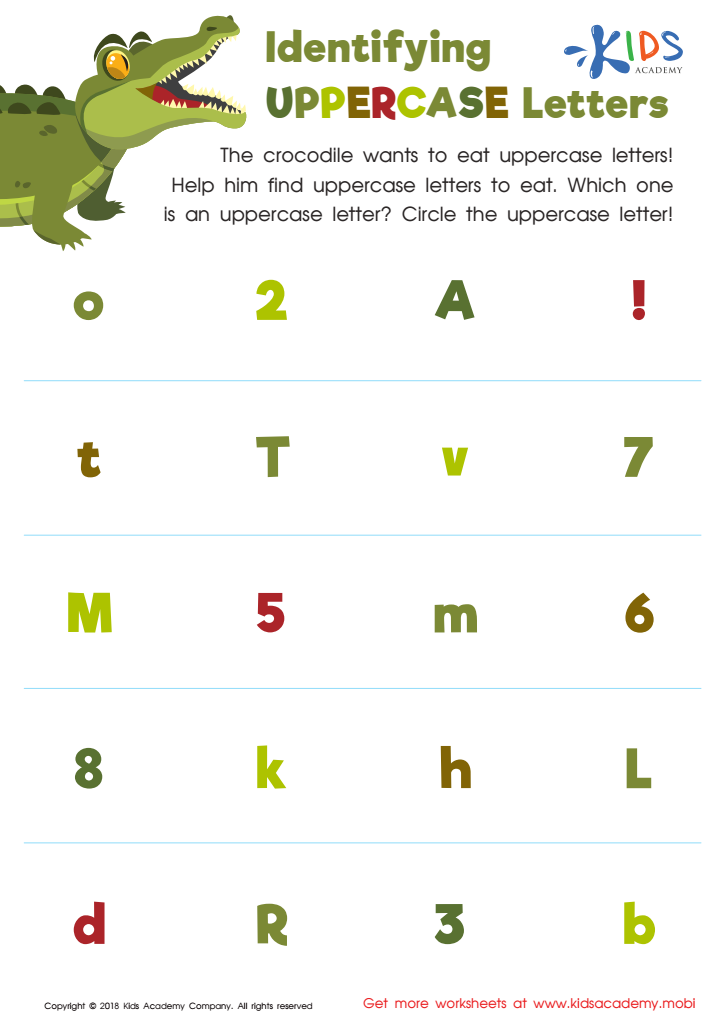
Identifying Uppercase Letters Worksheet

Find lowercase letters a b c Worksheet
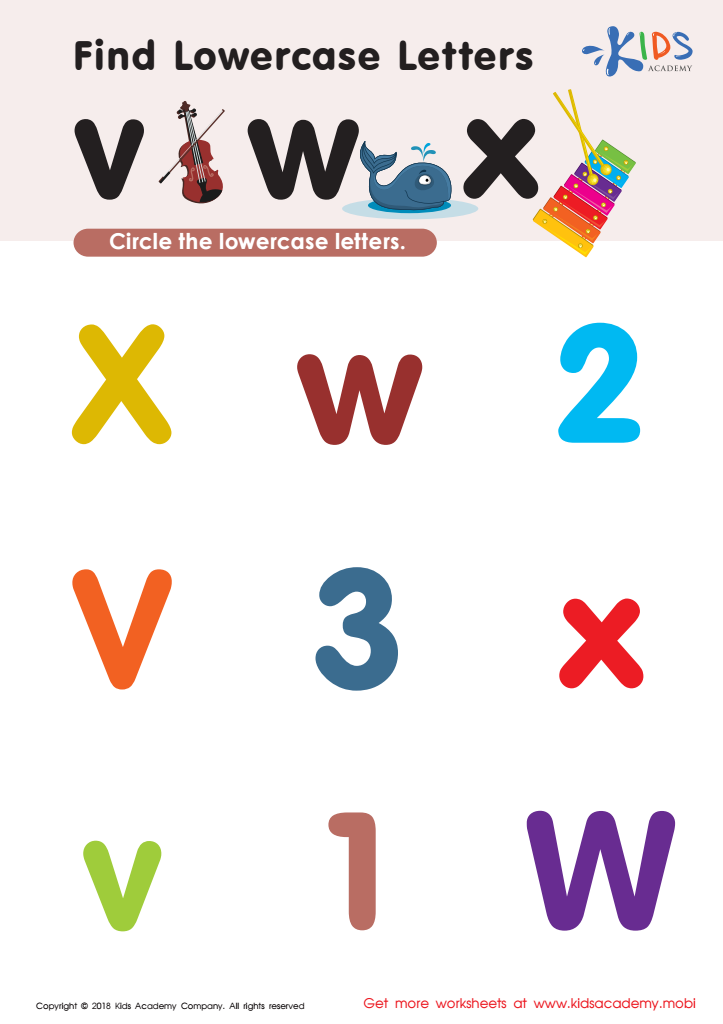
Find Lowercase Letters v w x Worksheet







Visual discrimination skills are crucial for preschoolers, particularly for those aged 3-4, as they lay the foundation for literacy and learning. These skills help children notice differences and similarities between shapes, colors, and letters, which is essential for recognizing letters in the alphabet. When children can distinguish between letters like "b" and "d" or "p" and "q," they are better prepared to read and write effectively.
Parents and teachers should care about developing these skills because they directly impact a child’s ability to succeed in school. Early mastery of visual discrimination supports phonemic awareness, which is the understanding of sounds in language, and correlates directly with future reading success. Engaging preschoolers in activities that strengthen these skills—such as sorting games, matching activities, and puzzles—can promote cognitive development, attention spans, and critical thinking.
Additionally, fostering strong visual discrimination skills enhances a child’s confidence and motivation in learning. Children who struggle with these abilities may face challenges in literacy, leading to frustration and disengagement from educational activities. By prioritizing visual discrimination, both parents and teachers can help children build a solid foundation for lifelong learning and academic achievement.







