Alphabet Recognition Normal Tracing Letters Worksheets for Ages 3-4
21 filtered results
-
From - To
Enhance your child's learning journey with our "Alphabet Recognition Normal Tracing Letters Worksheets for Ages 3-4." These engaging worksheets are designed specifically for young learners, helping them recognize and trace each letter of the alphabet. By incorporating fun activities and colorful illustrations, children will develop essential fine motor skills while reinforcing letter identification. Ideal for preschool or home learning, these worksheets encourage early literacy skills, ensuring that your little ones are well-prepared for future learning. Download now to give your child the foundation they need to succeed in reading and writing, fostering a love for letters and words from an early age!
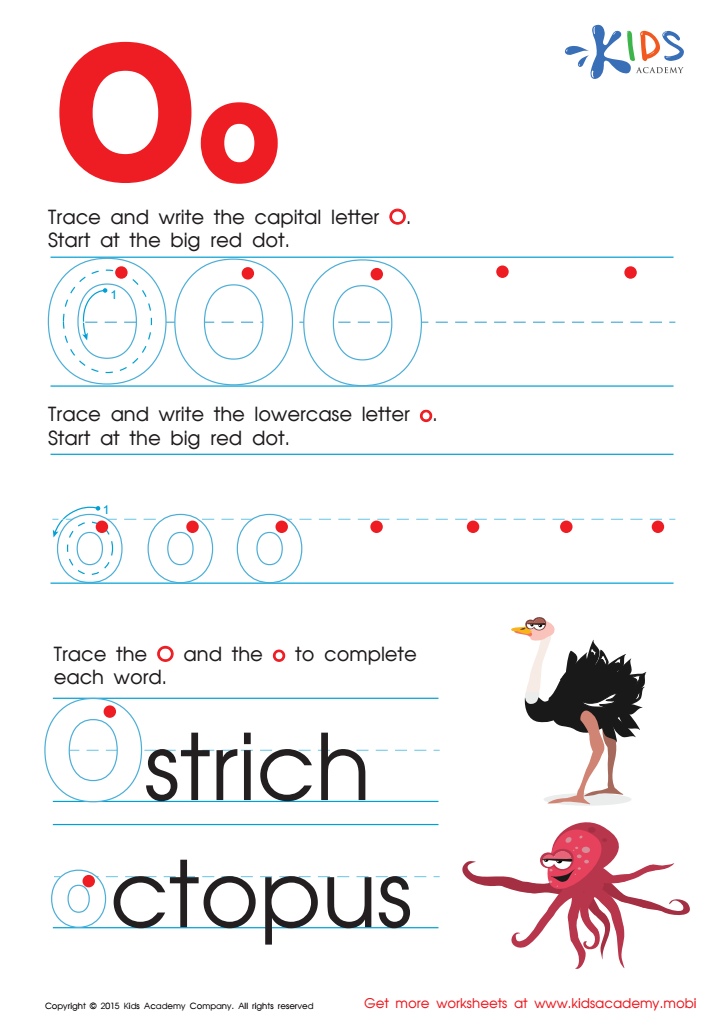
Letter O Tracing Page
 Assign to My Students
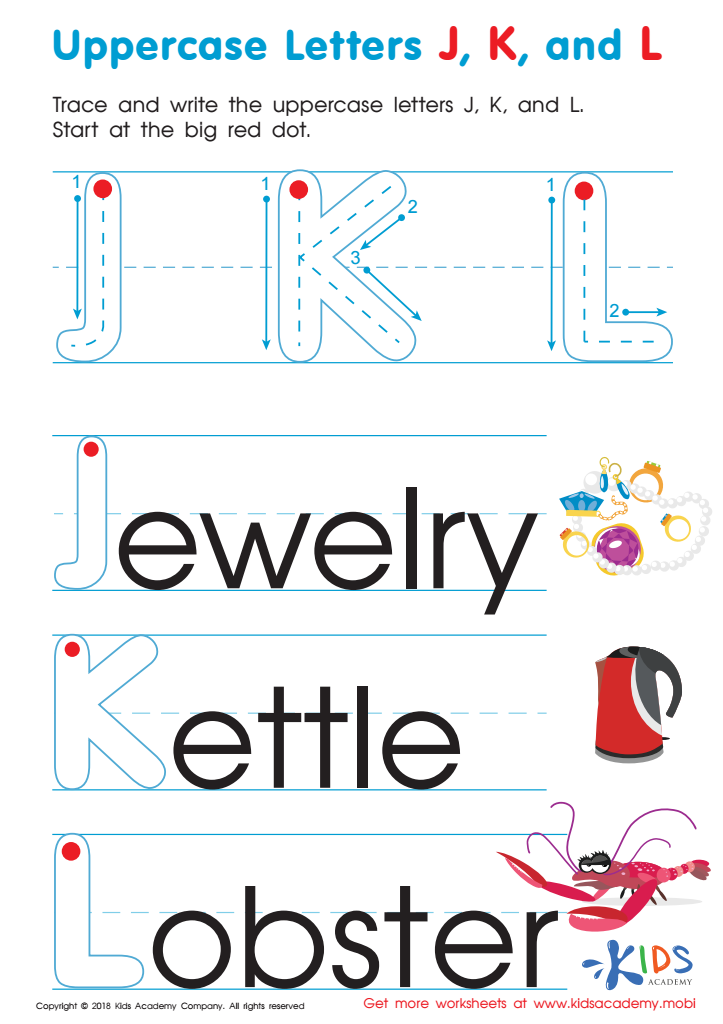
Uppercase Letters J, K, and L Worksheet
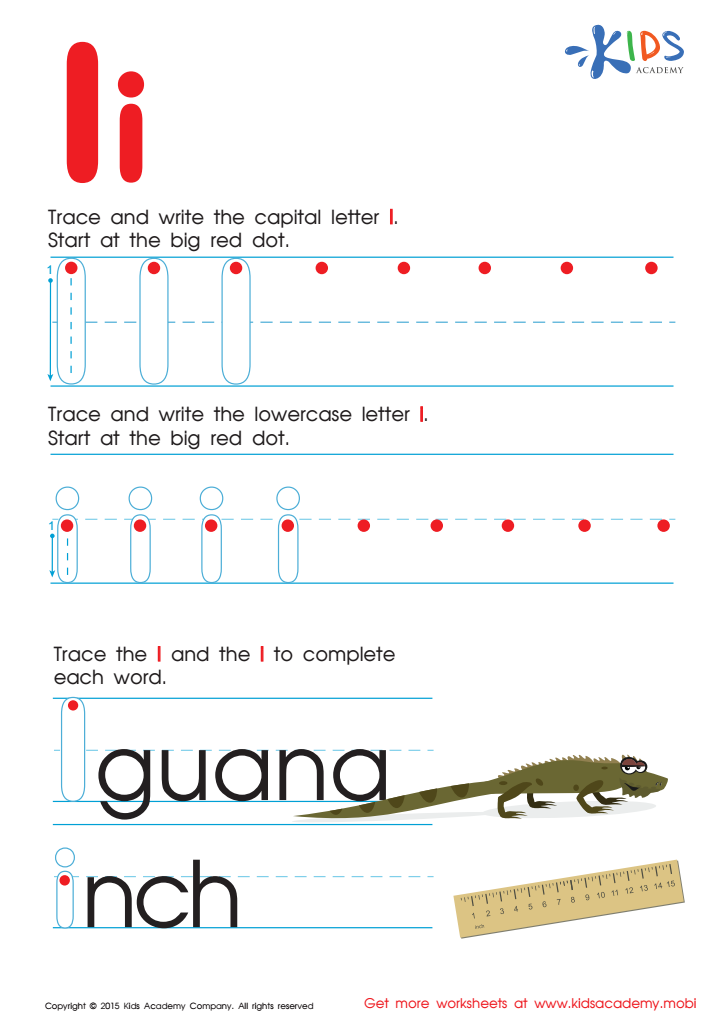
Letter I Tracing Page
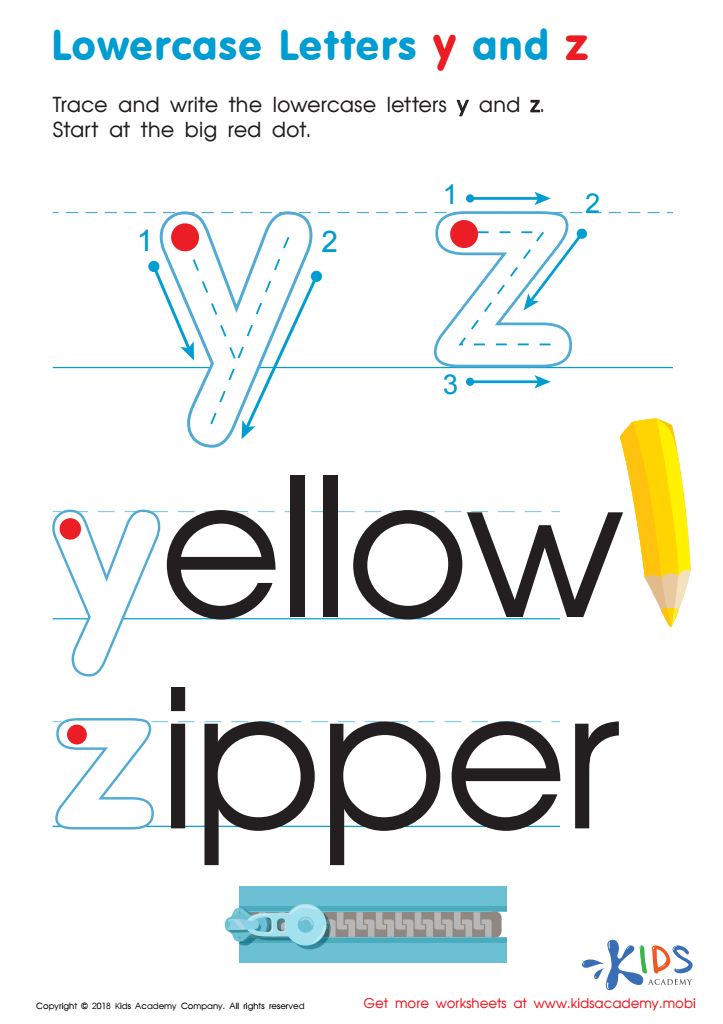
Lowercase Letters y z Worksheet

Letter C Tracing Page
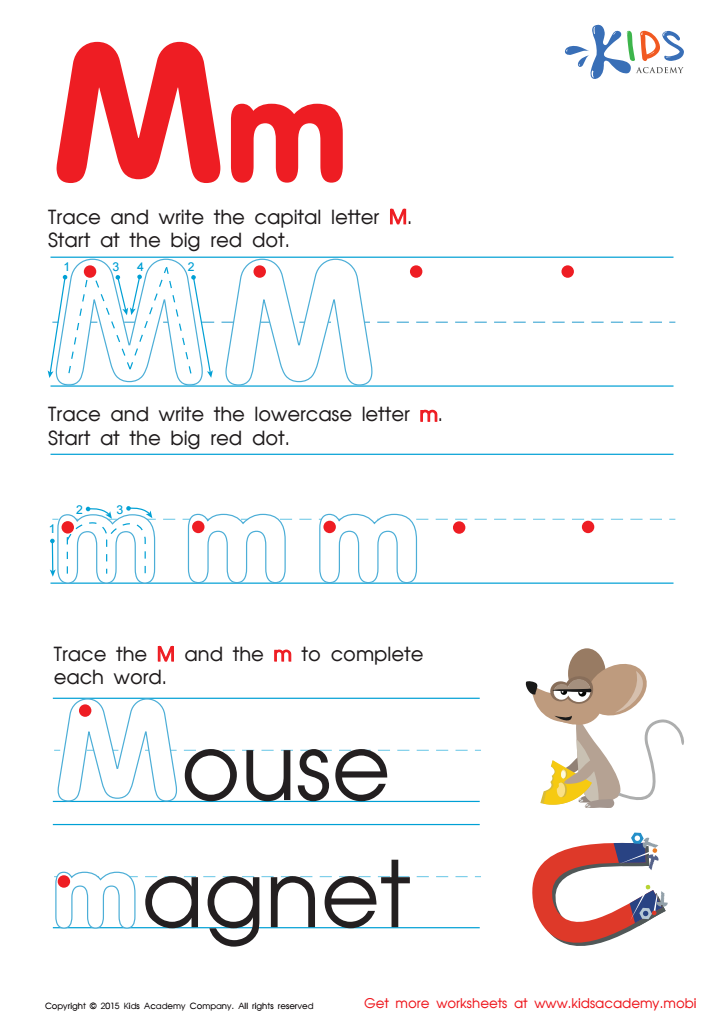
Letter M Tracing Page
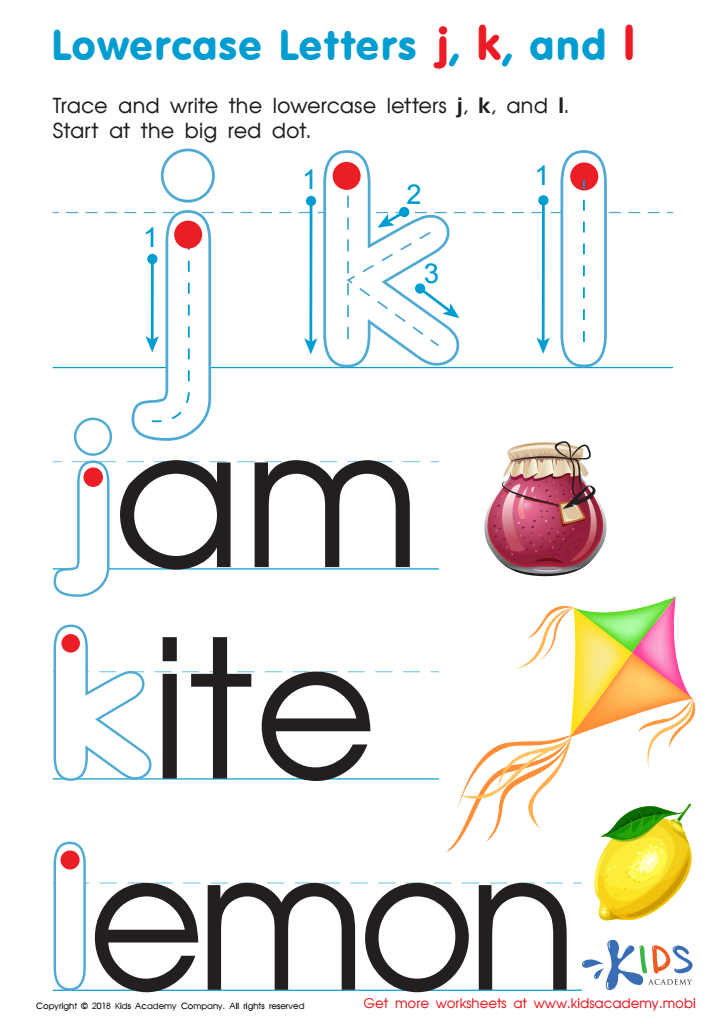
Lowercase Letters j k l Worksheet
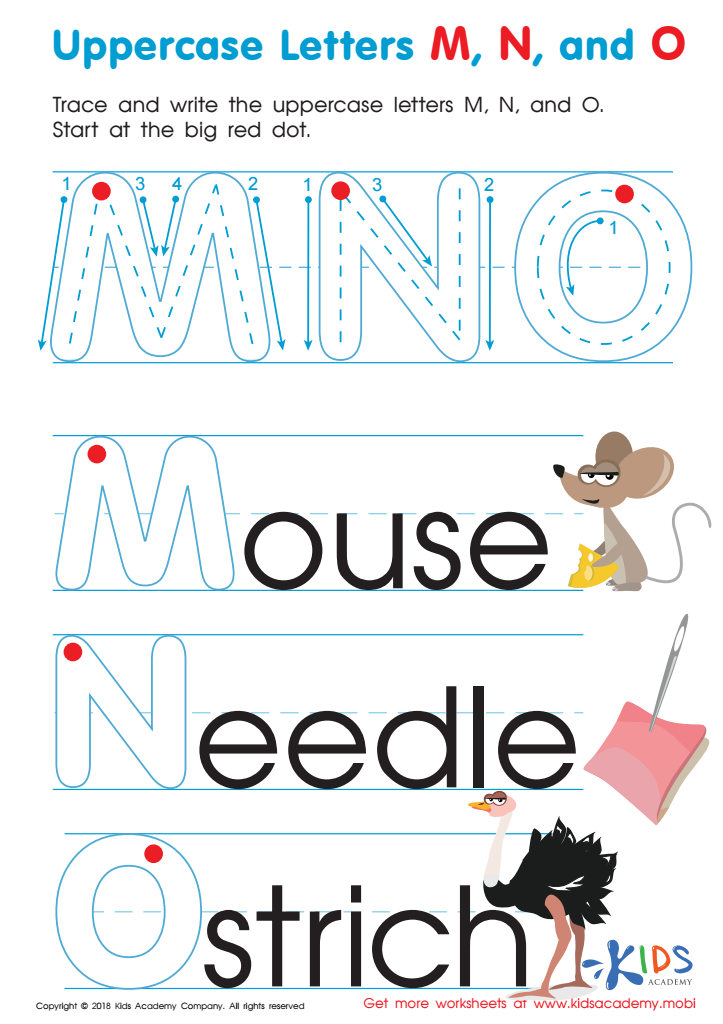
Uppercase Letters M, N, and O Worksheet
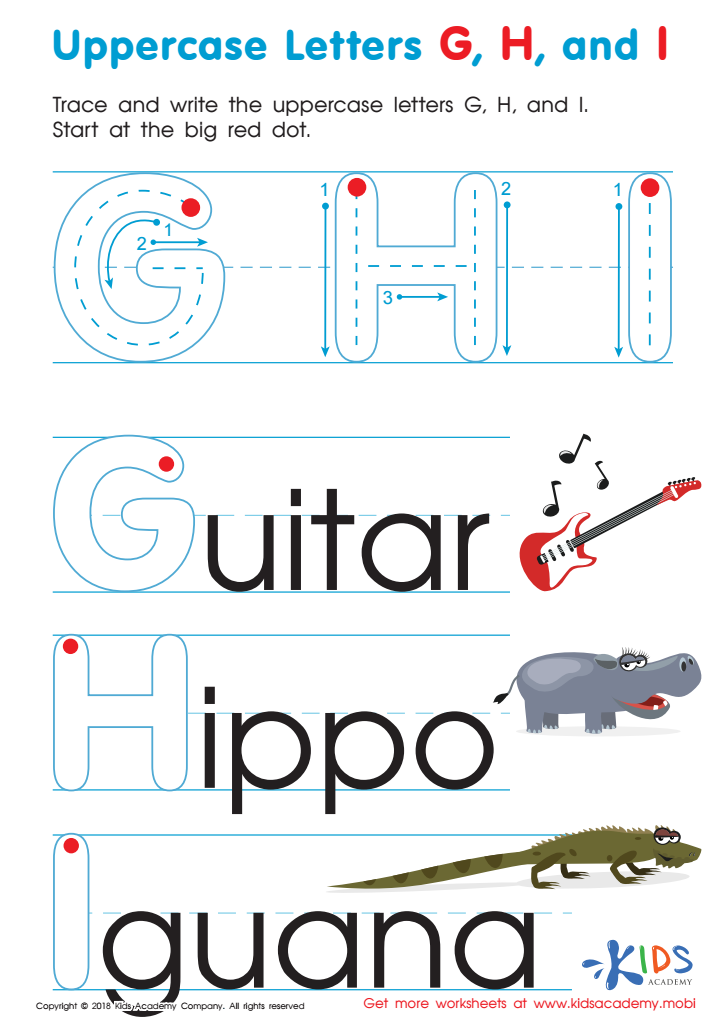
Uppercase Letters G, H, and I Worksheet
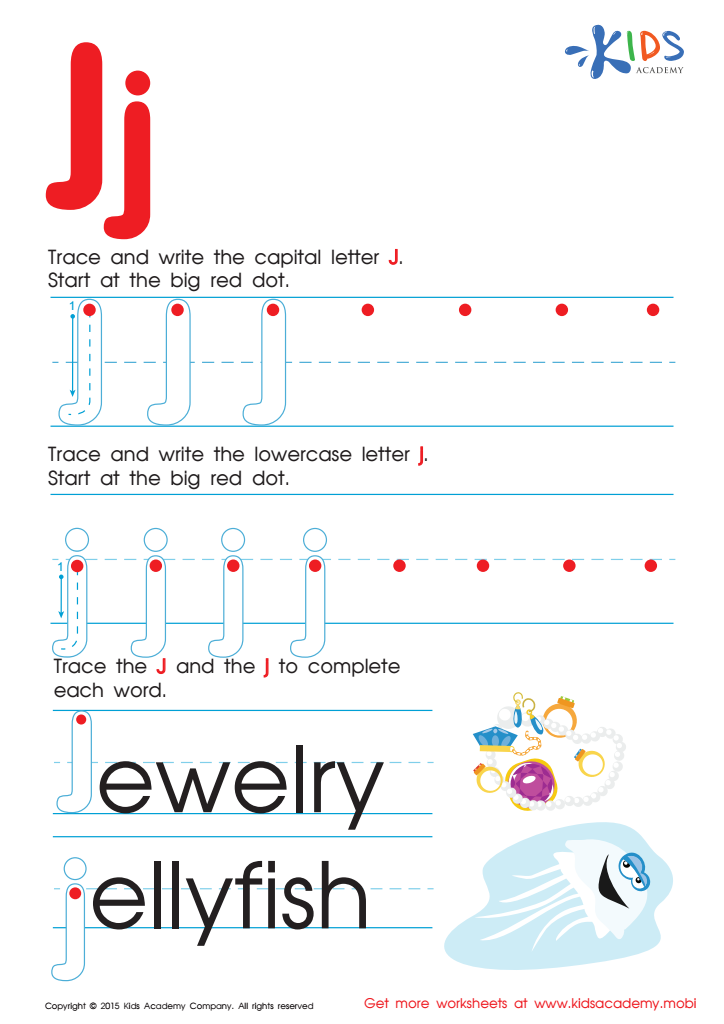
Letter J Tracing Page
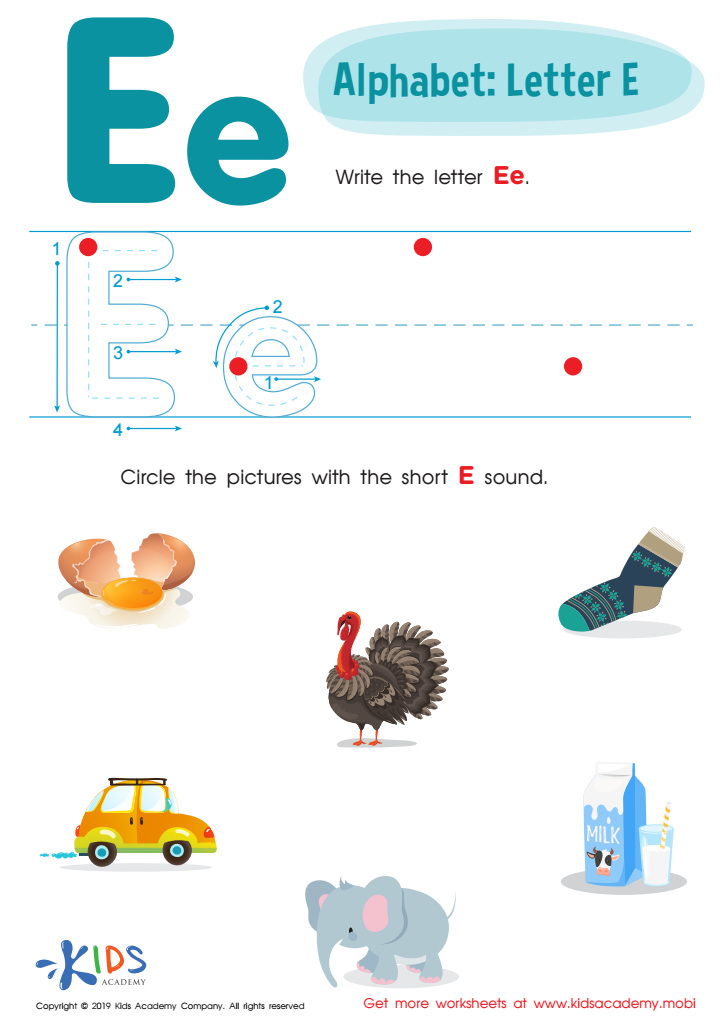
Letter E Tracing Worksheet
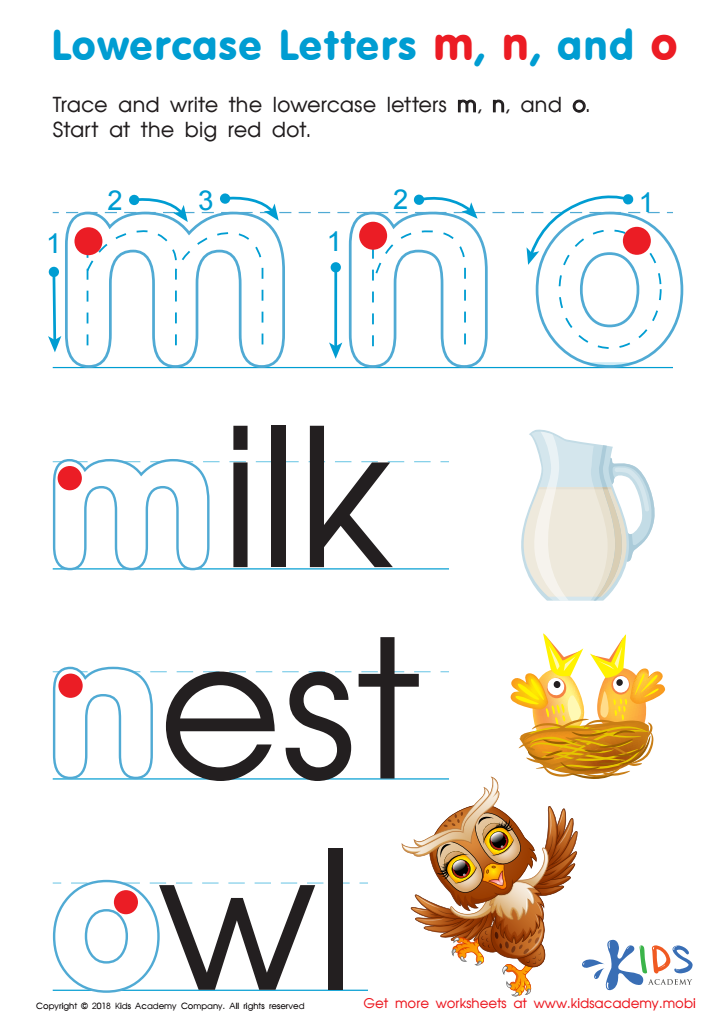
Lowercase Letters m n o Worksheet
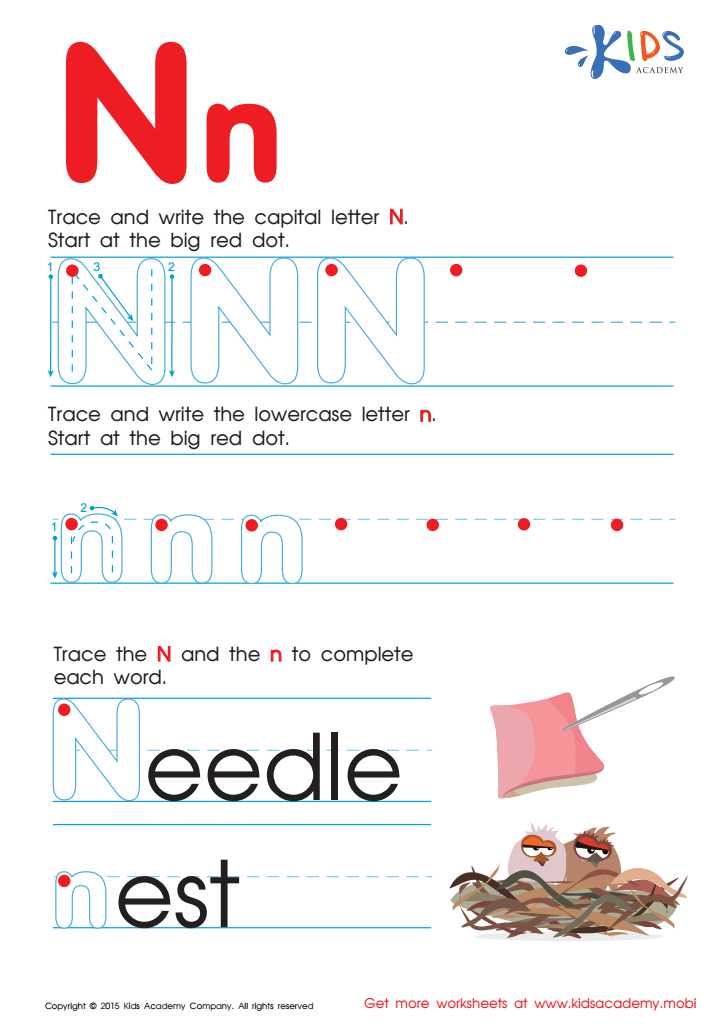
Letter N Tracing Page
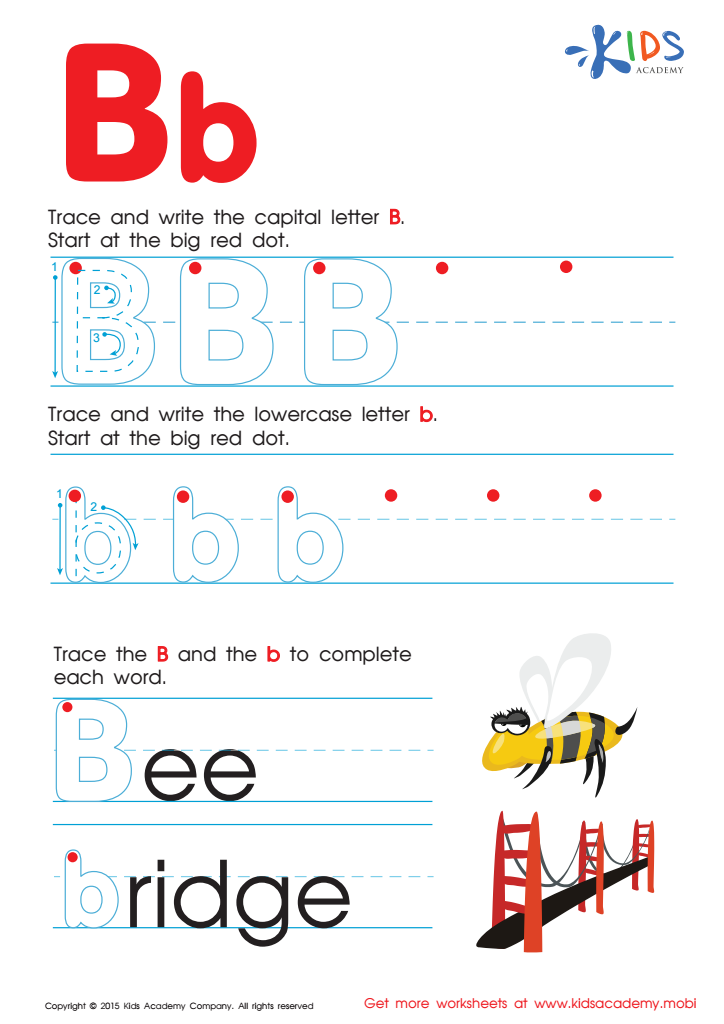
Letter B Tracing Page
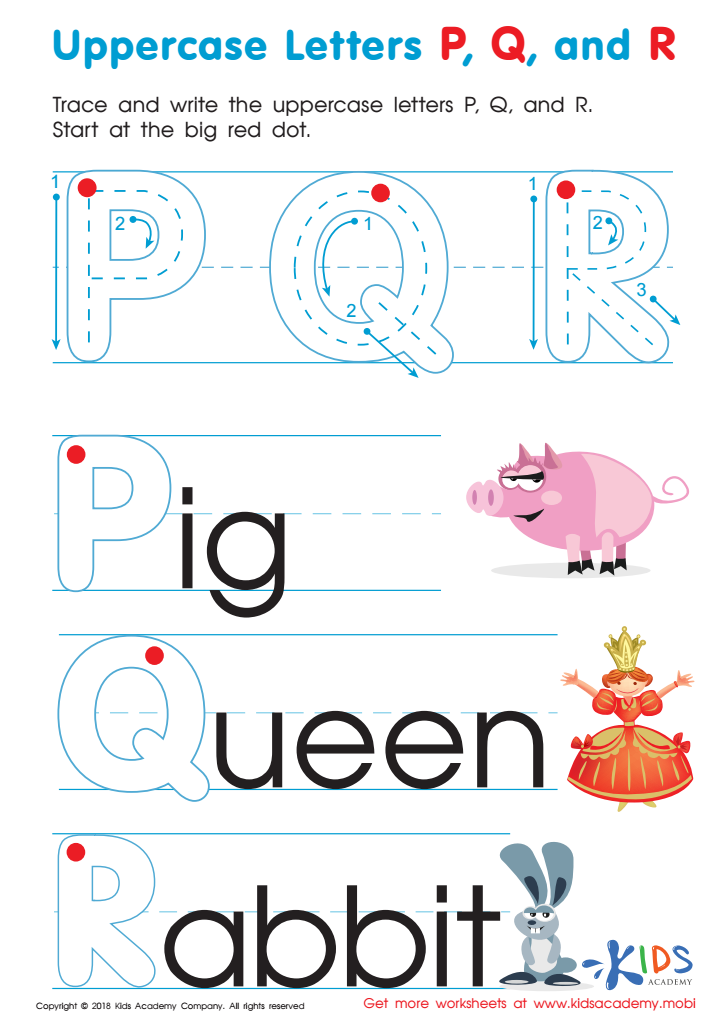
Uppercase Letters P, Q, and R Worksheet
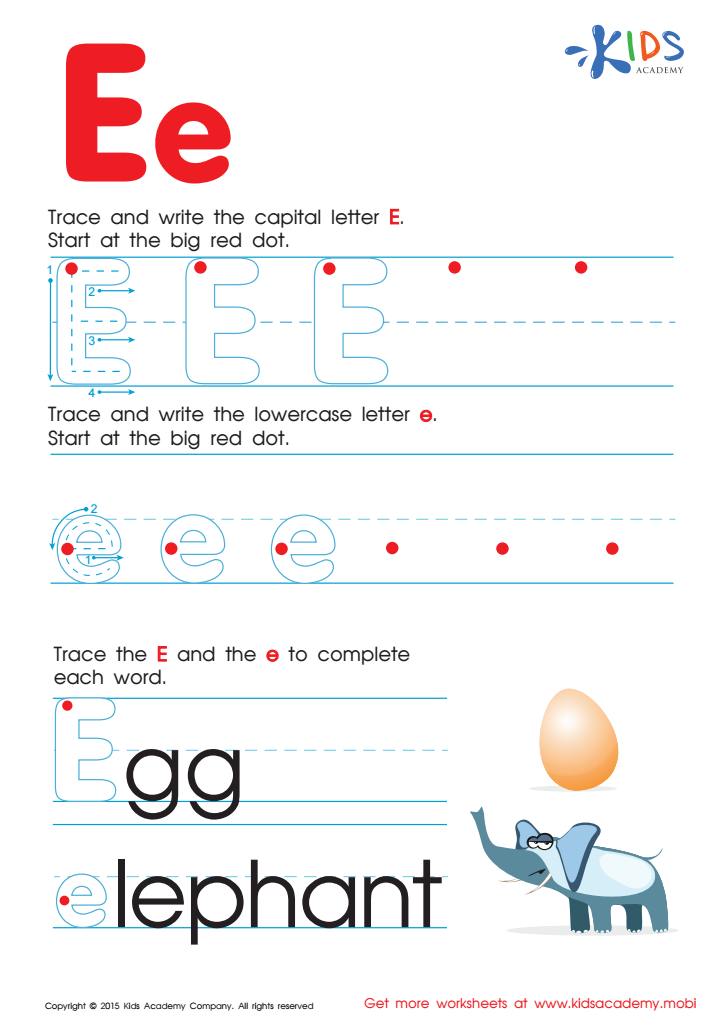
Letter E Tracing Page
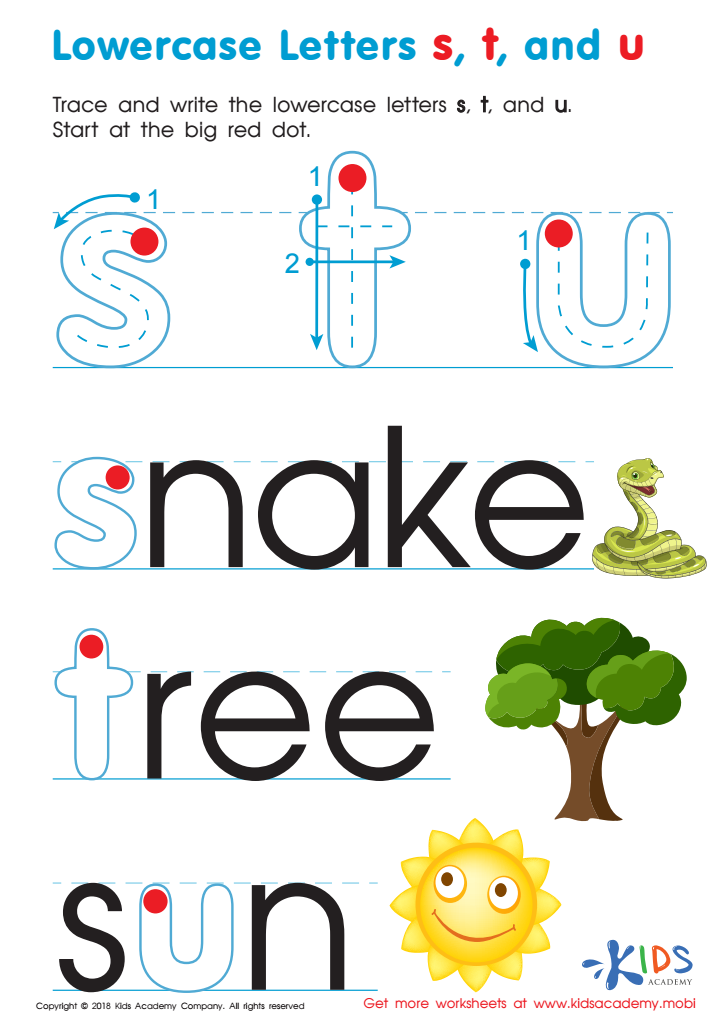
Lowercase Letters s t u Worksheet
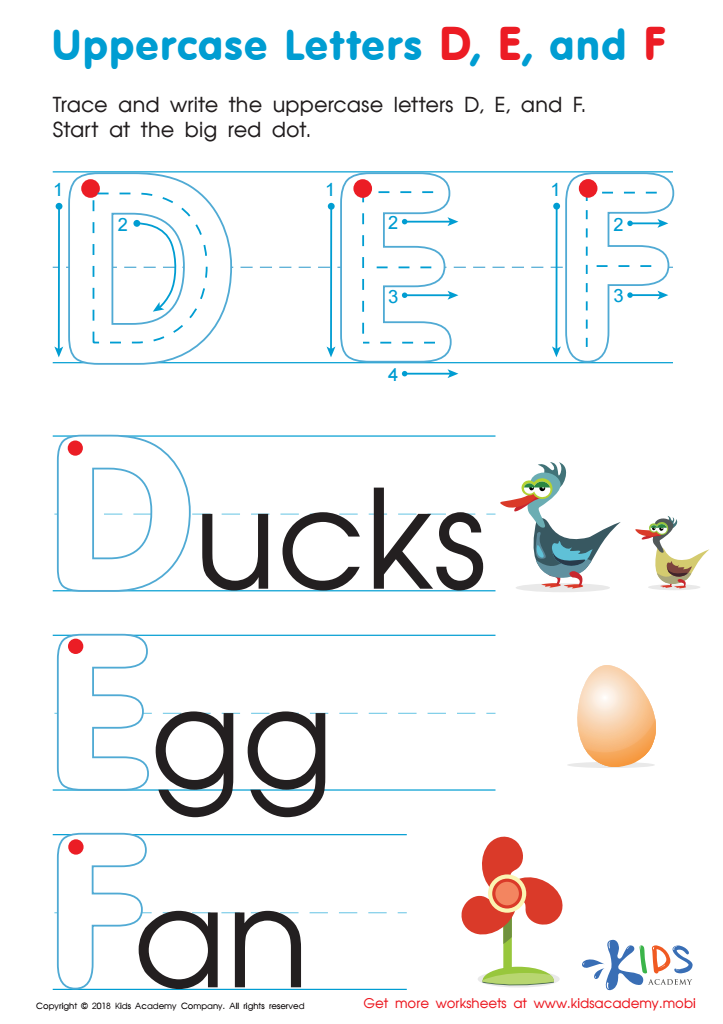
Uppercase Letters D, E, and F Worksheet
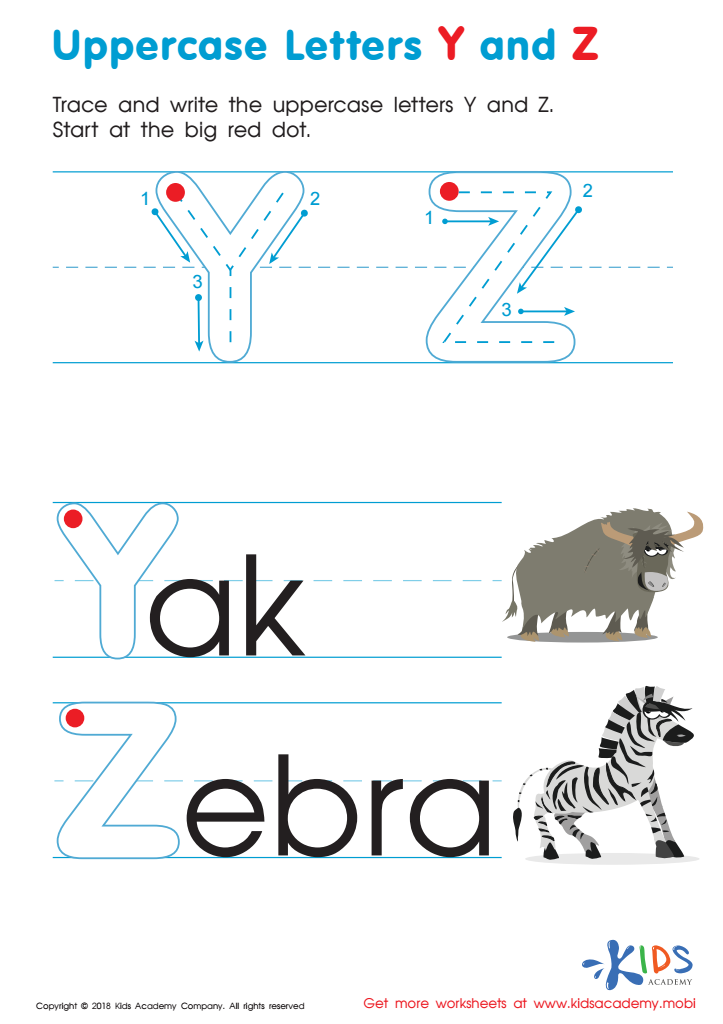
Uppercase Letters Y Z Worksheet
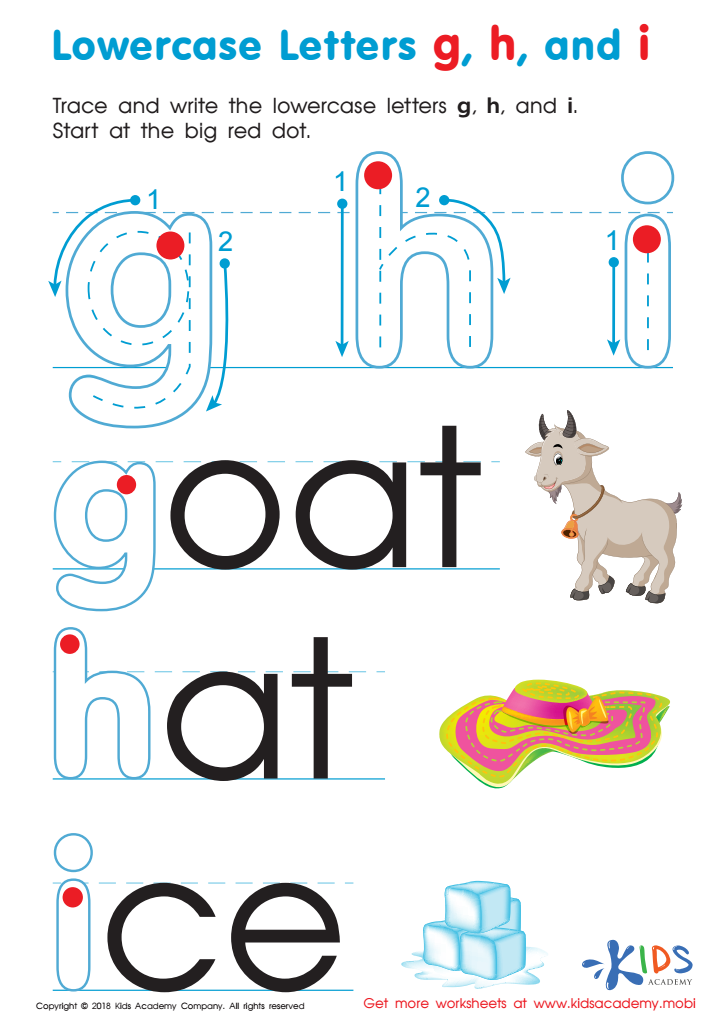
Lowercase Letters g h i Worksheet
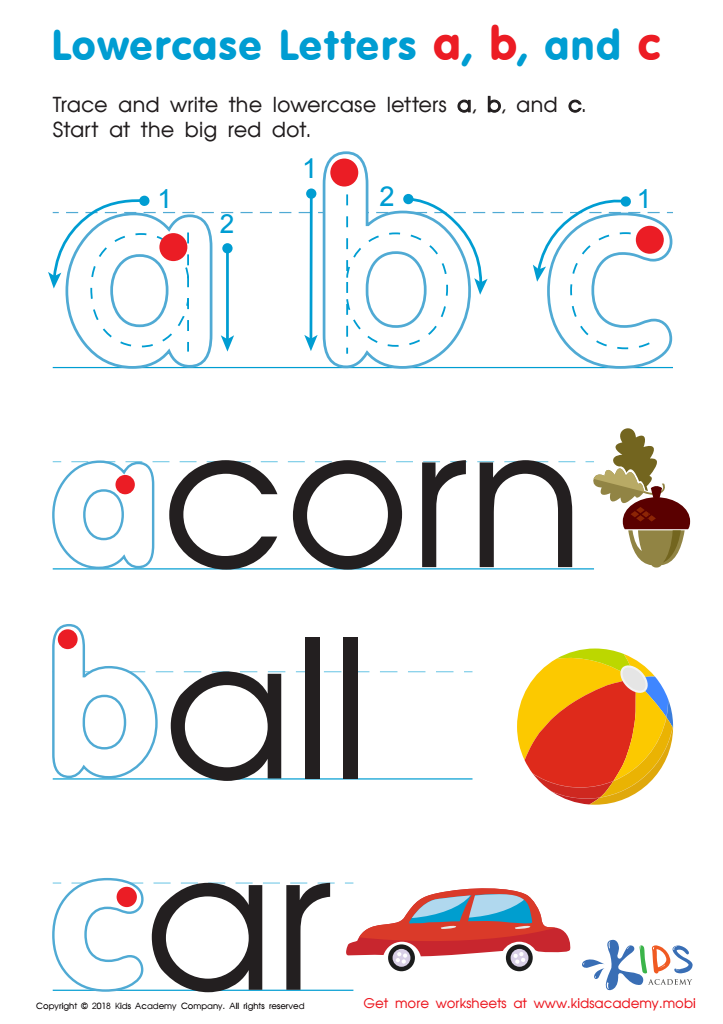
Lowercase Letters a b c Worksheet








Alphabet recognition and tracing letters are essential skills for preschool-aged children (ages 3-4), significantly impacting their literacy development. During these early years, young learners begin to develop foundational language skills that form the basis for reading and writing. Recognizing letters enables children to connect spoken language with written symbols, essential for effective communication.
Through tracing letters, children enhance their fine motor skills, developing the hand-eye coordination necessary for writing. These activities foster cognitive development, as children learn to differentiate between various letters and their sounds, which is crucial when they progress to reading and phonics.
In addition to literacy and motor skills, engaging in alphabet recognition and letter tracing activities promotes self-confidence and encourages independence in learning. Children who experience success in recognizing and tracing letters are more likely to develop a positive attitude toward school and learning.
For parents and teachers, supporting alphabet recognition and letter tracing at this age means laying a solid foundation that will benefit children throughout their educational journey. Encouraging playful and interactive learning through alphabet-related activities also helps build a love for literacy, setting the stage for lifelong learning and curiosity.








