Letter recognition Normal English for Beginners Worksheets for Ages 3-4
17 filtered results
-
From - To
Discover our engaging "Letter Recognition Normal English for Beginners Worksheets" designed specifically for children aged 3-4. These vibrant, interactive worksheets make learning fun and effective as young learners familiarize themselves with the alphabet while developing essential language skills. Each worksheet features colorful illustrations and simple activities that captivate their attention and enhance letter recognition abilities. Ideal for both classroom and home use, these resources provide a solid foundation for early literacy. Encourage your child’s progress in English as a Second Language (ESL) and watch them gain confidence in recognizing letters and developing a love for learning. Begin their educational journey today!
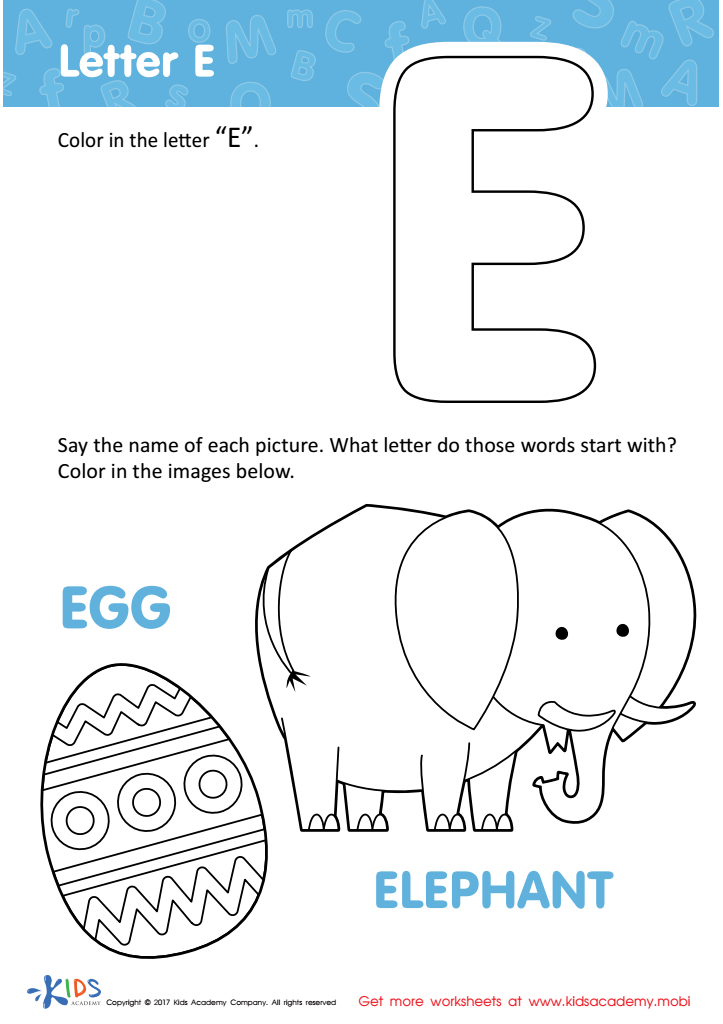
Letter E Coloring Sheet
 Assign to My Students
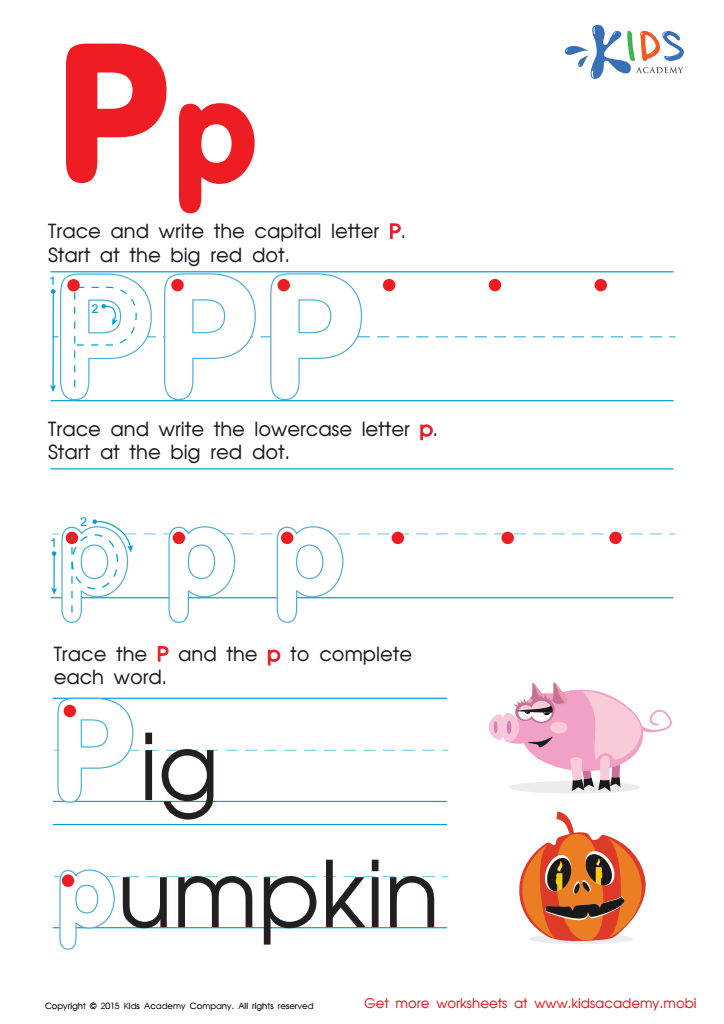
Letter P Tracing Page
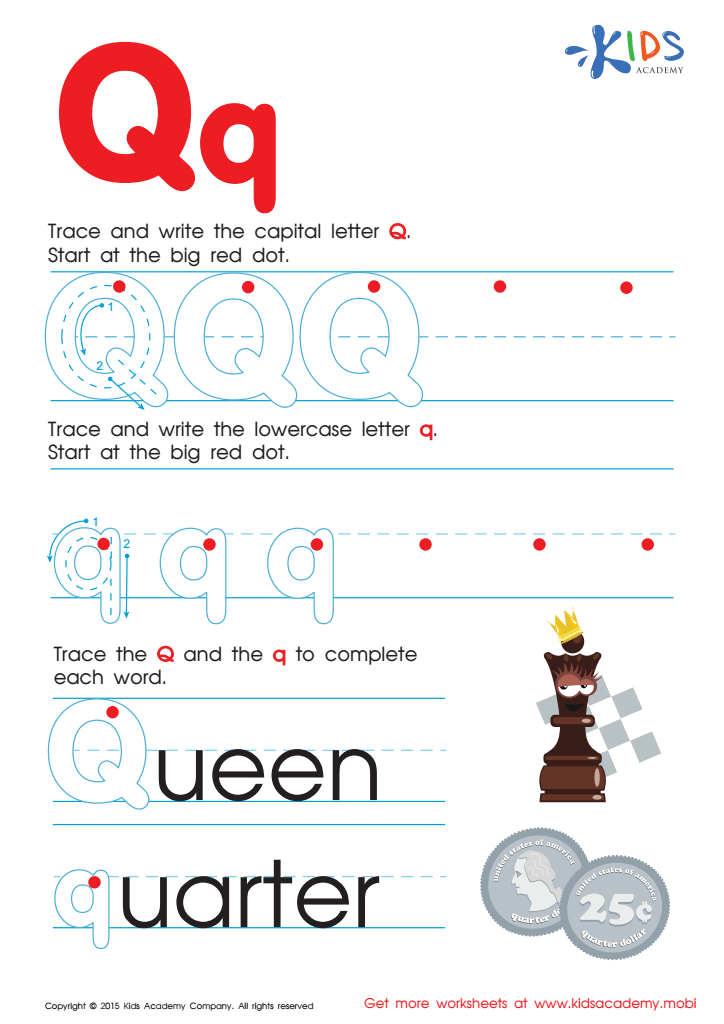
Letter Q Tracing Page
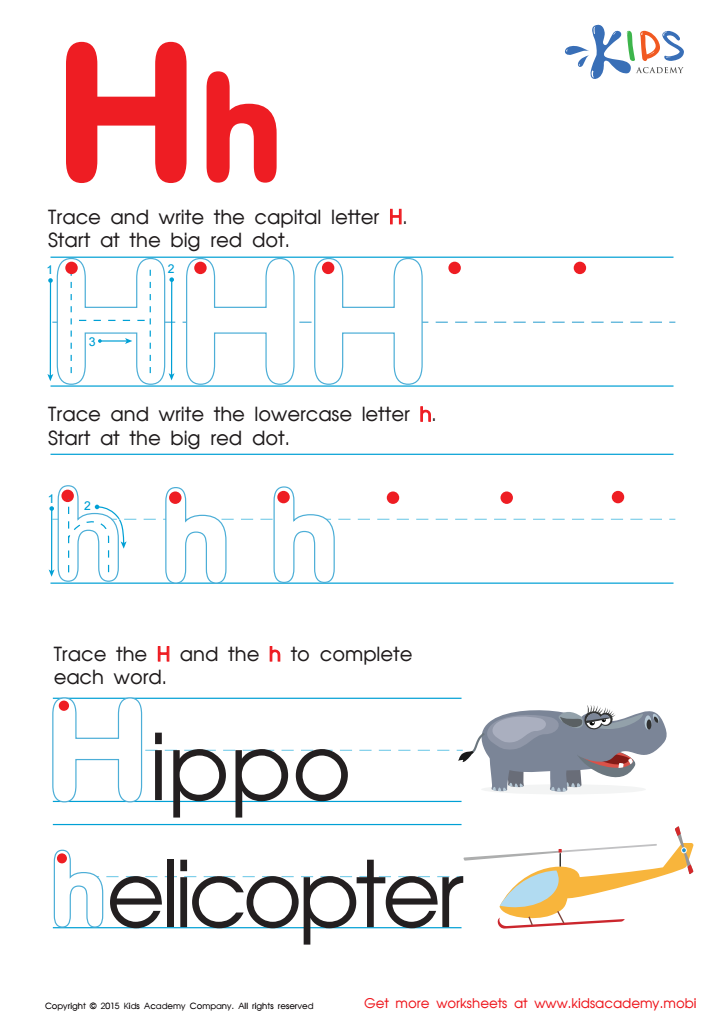
Letter H Tracing Page

Letter G Tracing Page
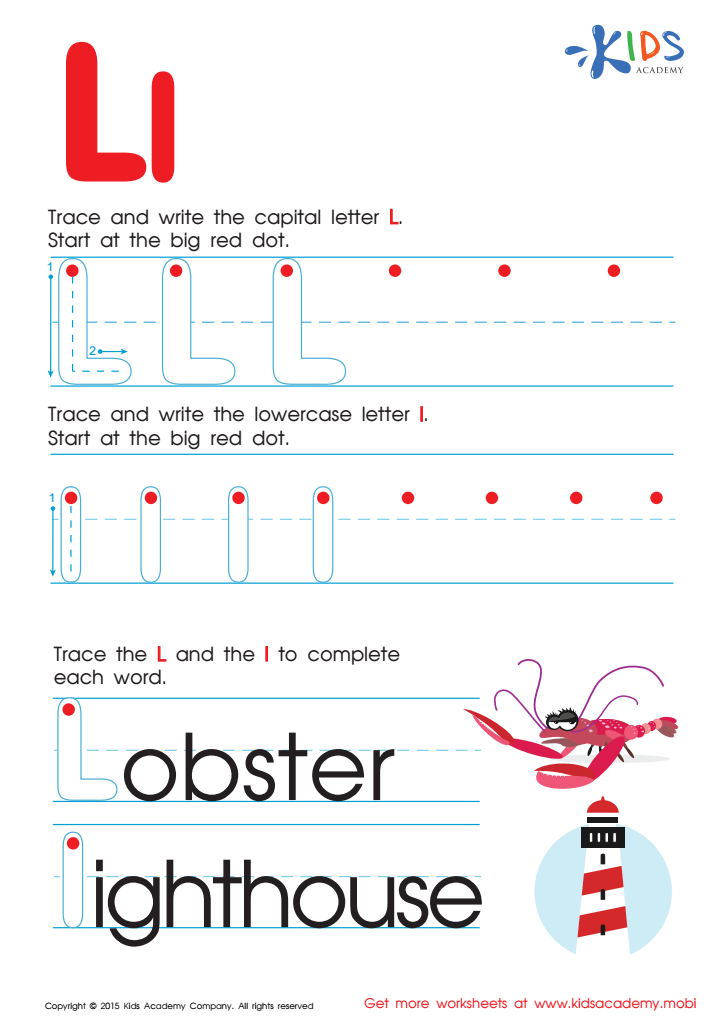
Letter L Tracing Page
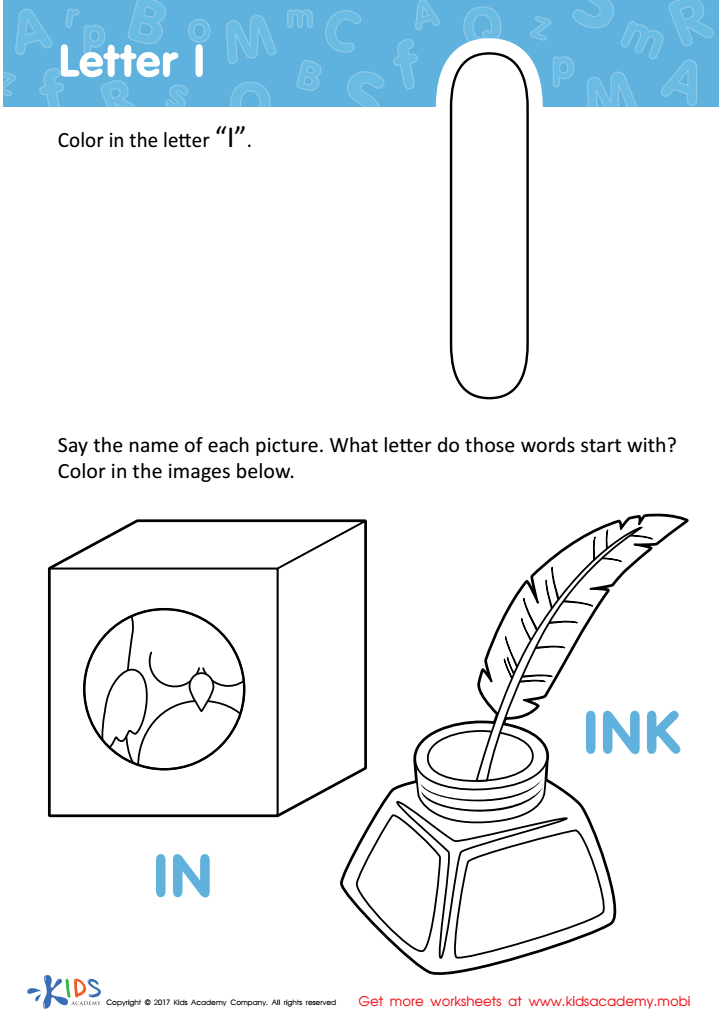
Letter I Coloring Sheet
Assign to My Students
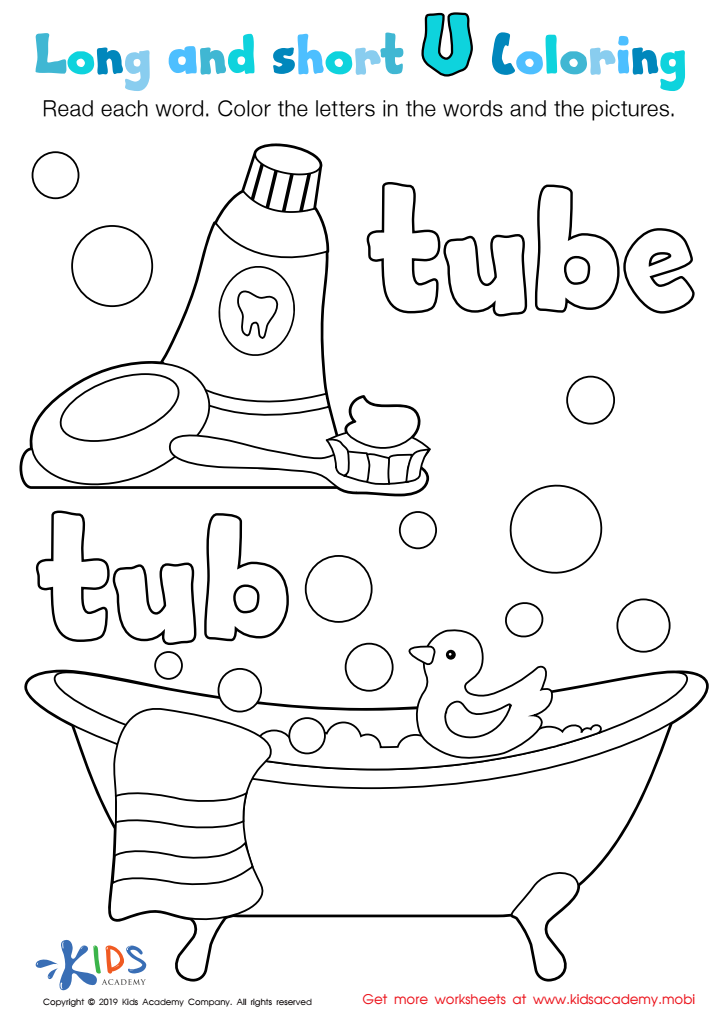
Long and Short U Worksheet
Assign to My Students
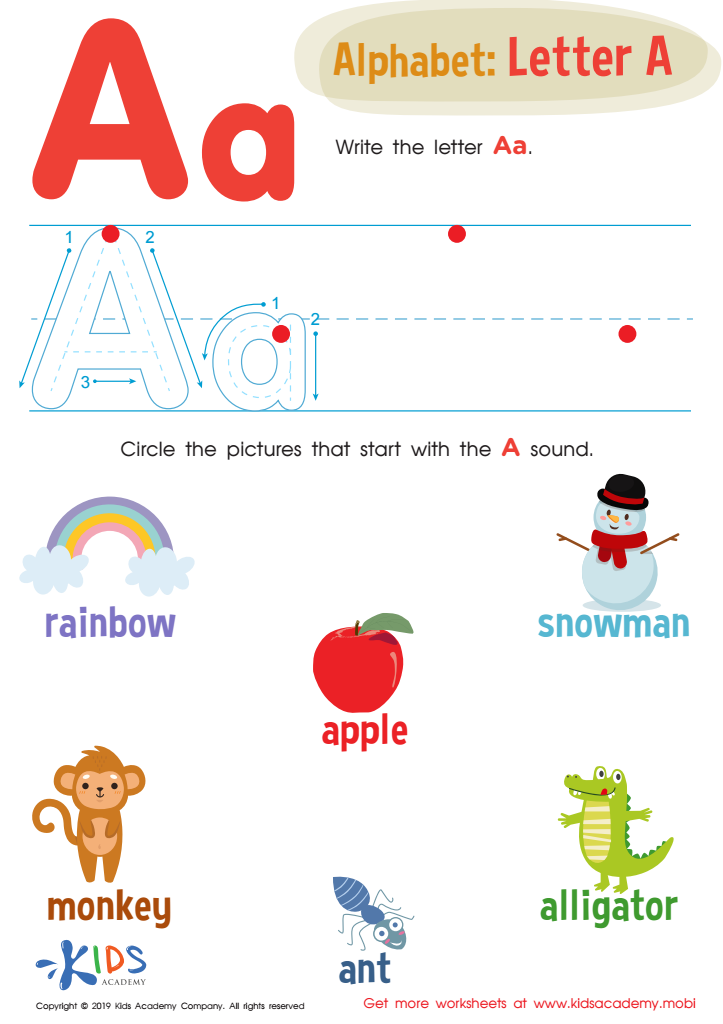
Letter A Tracing Worksheet
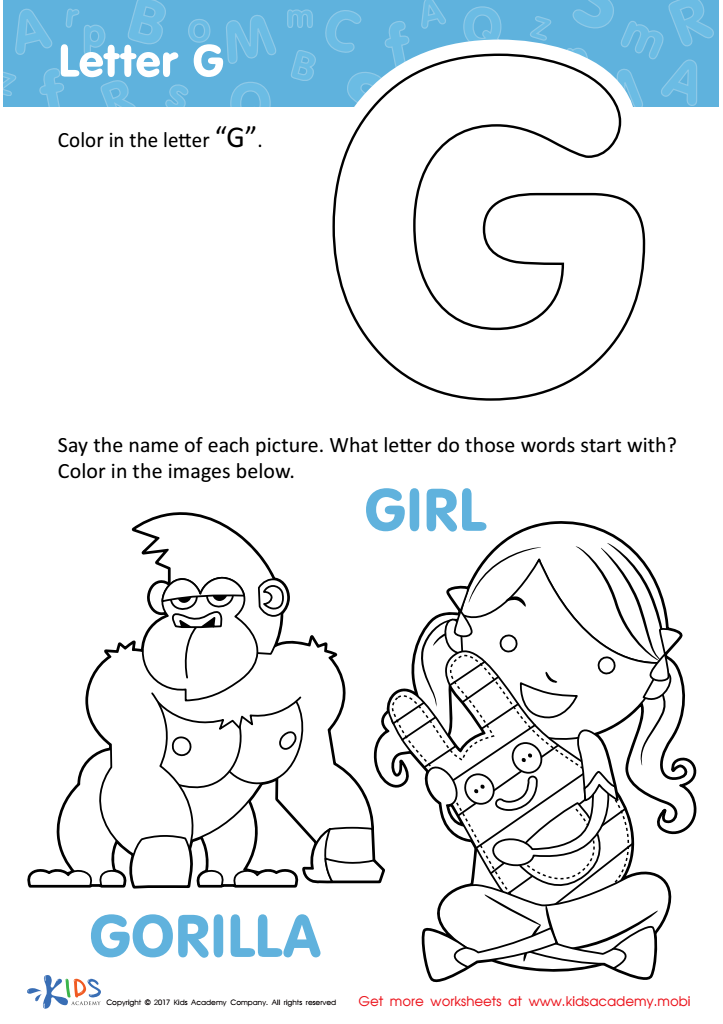
Letter G Coloring Sheet
Assign to My Students
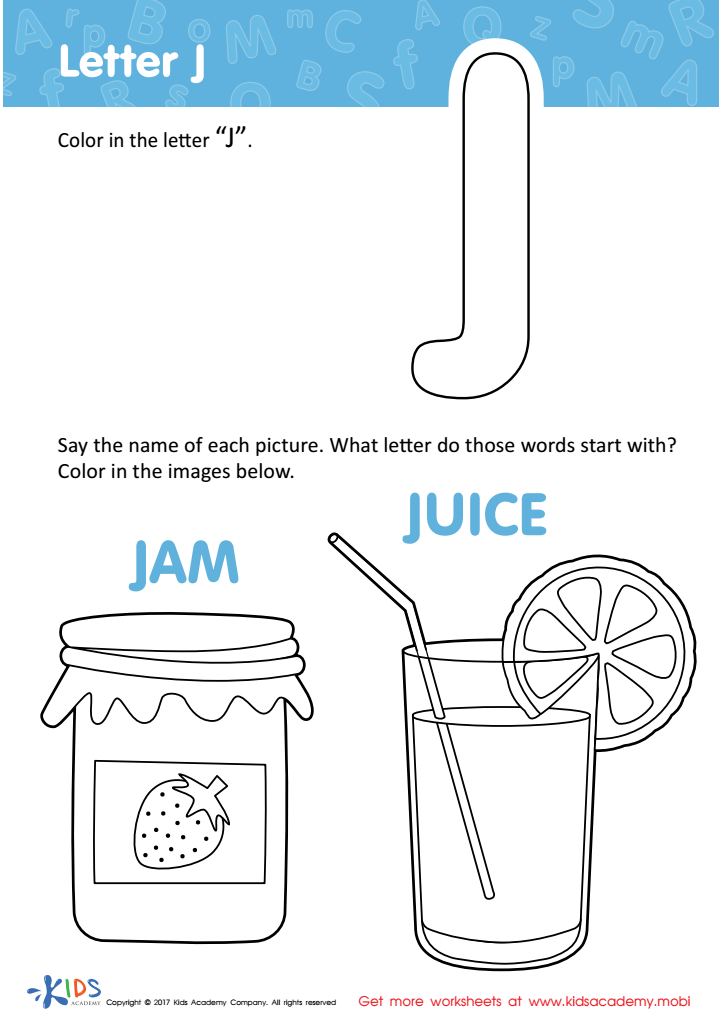
Letter J Coloring Sheet
Assign to My Students
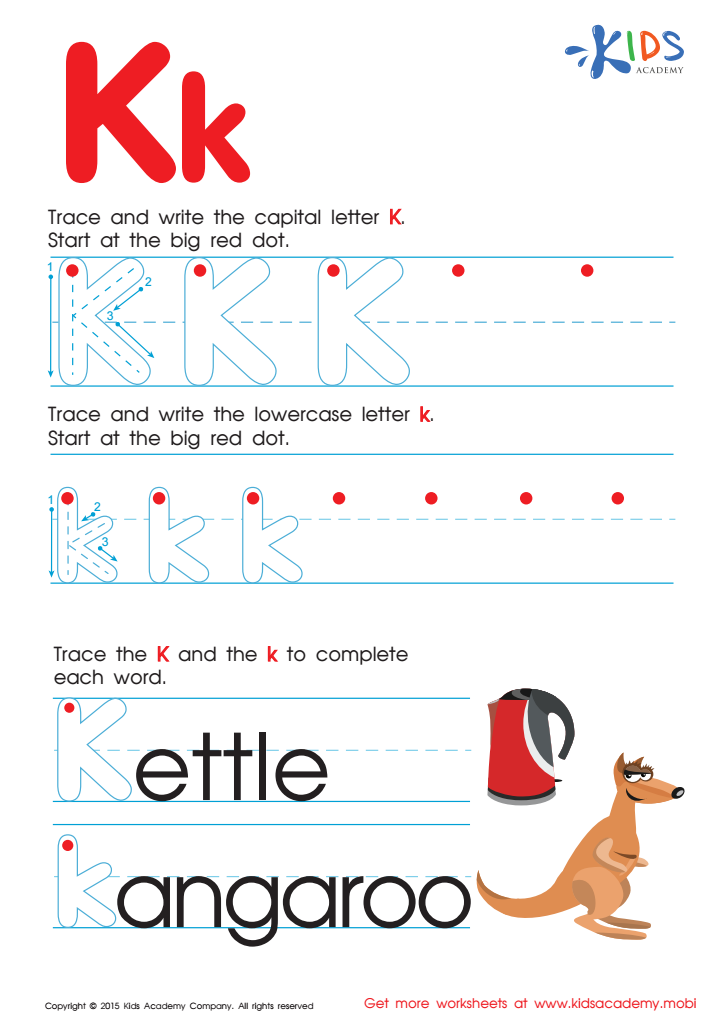
Letter K Tracing Page
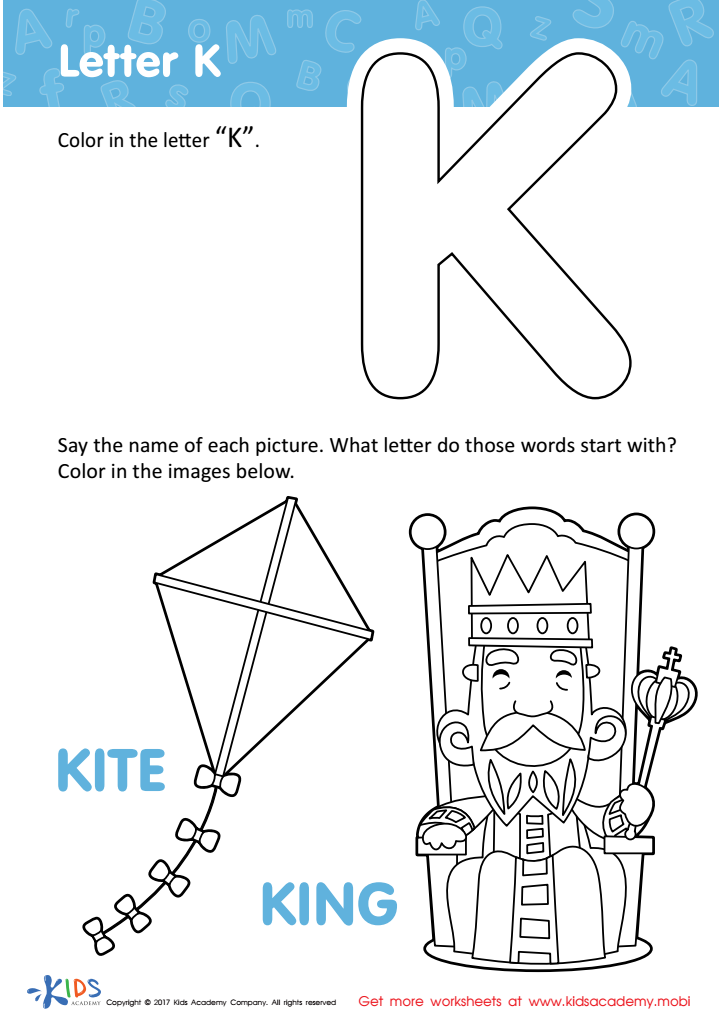
Letter K Coloring Sheet
Assign to My Students
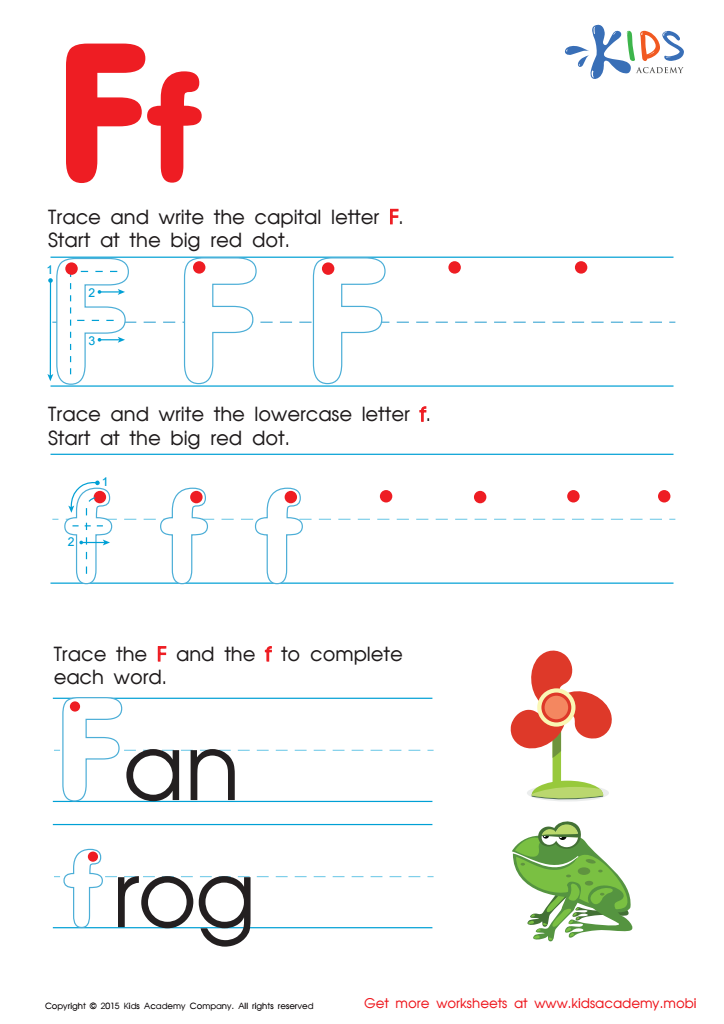
Letter F Tracing Page

Long and Short E Worksheet
Assign to My Students
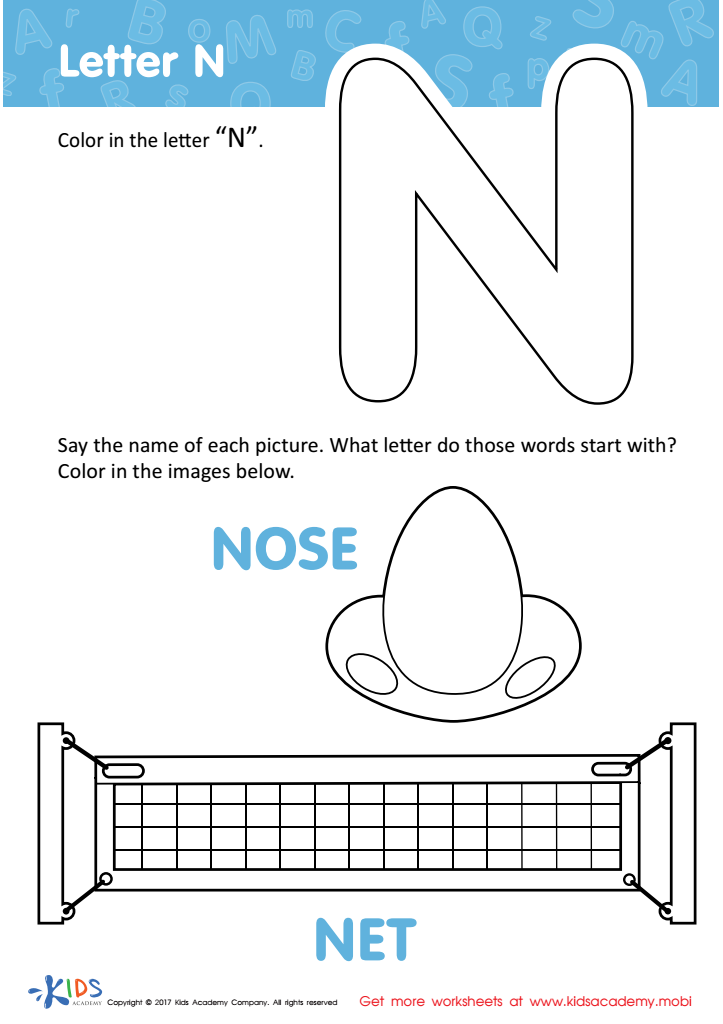
Letter N Coloring Sheet
Assign to My Students

Letter D Tracing Page





Letter recognition is a crucial foundational skill for young children, especially for those aged 3-4 years. At this age, children are developing cognitive abilities that aid their understanding of language and literacy. When parents and teachers focus on letter recognition, they help children learn to identify letters, both in written form and verbally. This recognition is essential as it forms the basis for reading and writing skills later on.
Caring about letter recognition helps ignite a child’s fascination with words, which can encourage a lifelong love of reading. Engaging and playful activities, like singing the alphabet song or playing with letter blocks, make learning fun and interactive, fostering a positive attitude toward education.
Additionally, developing letter recognition promotes critical thinking and enhances memory skills. As children begin to identify letters, they can start to link them with sounds, paving the way for phonemic awareness. This early literacy skill contributes significantly to academic success as they progress through school.
As a team, parents and teachers can create supportive environments where children feel encouraged to explore and learn. By nurturing these basic skills, they lay the groundwork for future learning and success, ultimately setting children on a path to becoming confident readers and writers.