Color recognition Normal Worksheets for Ages 3-4 - Page 2
31 filtered results
-
From - To
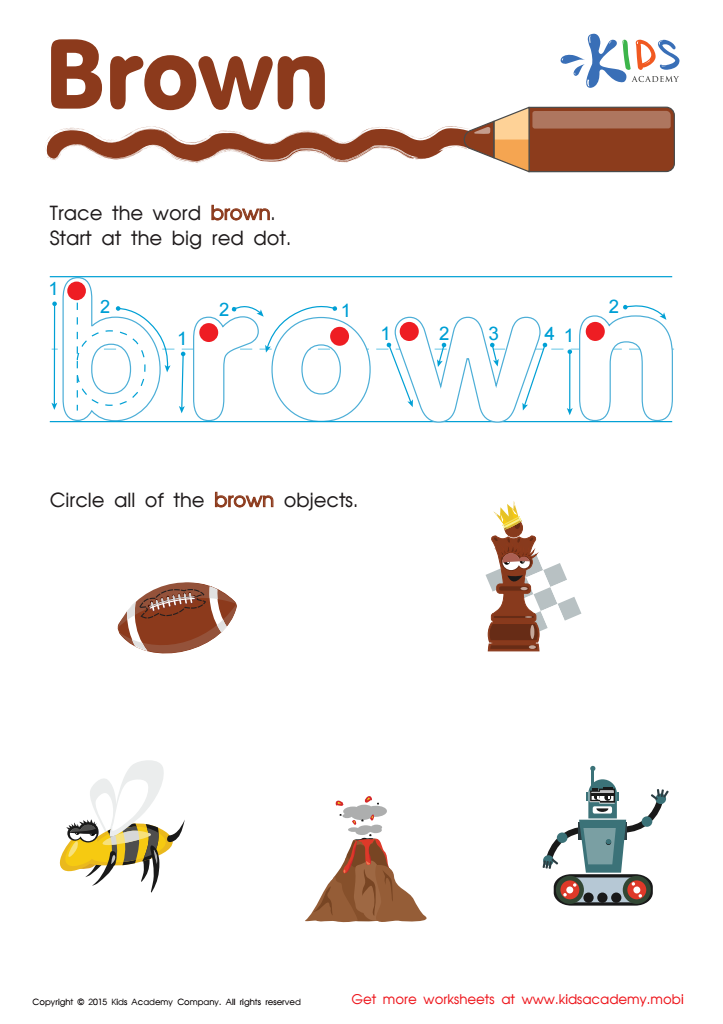
Brown Tracing Color Words Worksheet
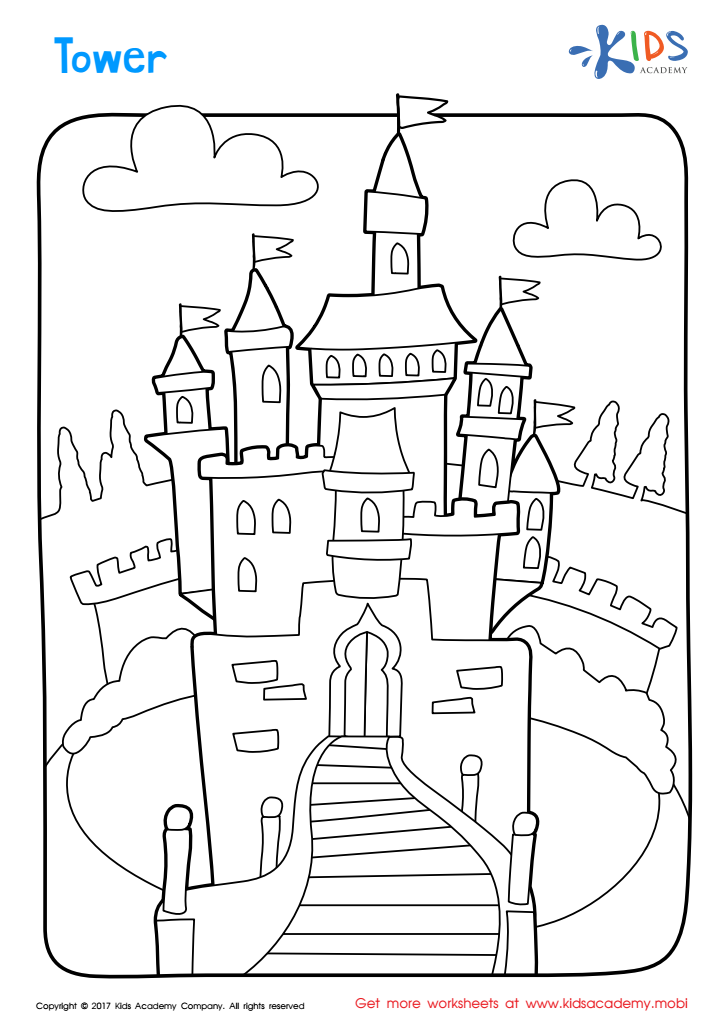
Tower Coloring Page
 Assign to My Students
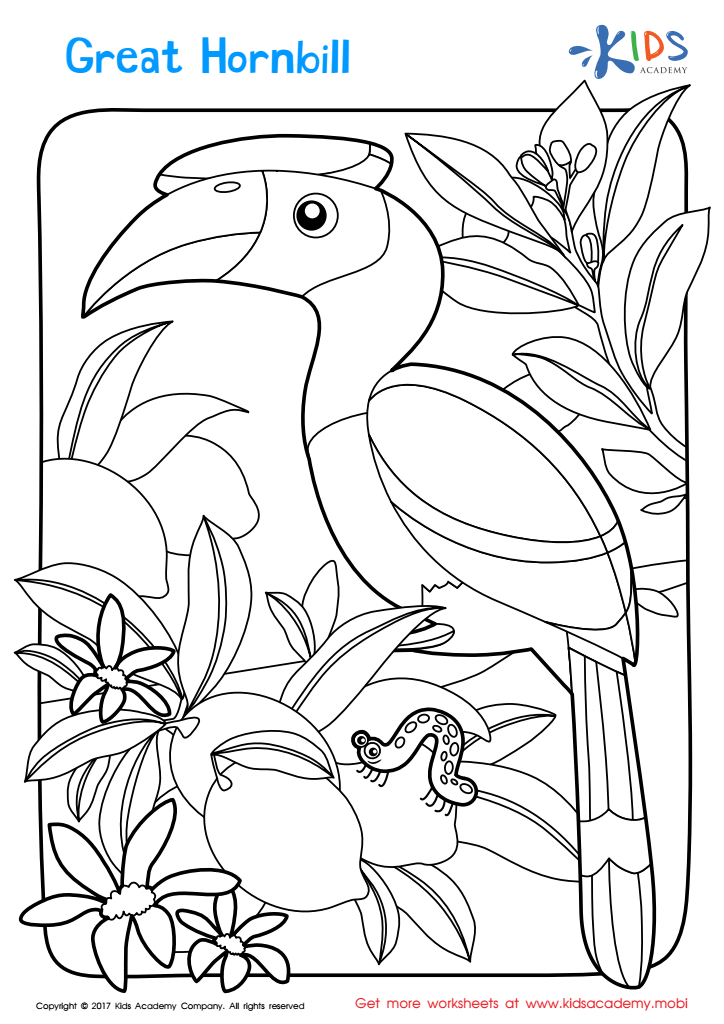
Great Hornbill Worksheet
Assign to My Students
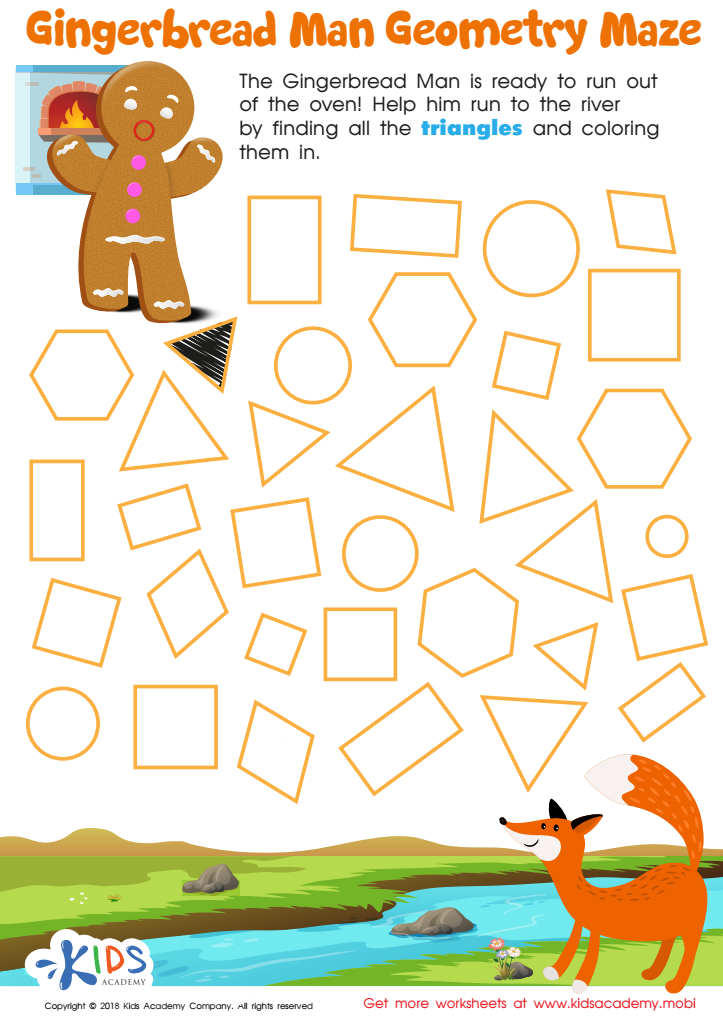
Gingerbread Man Geometry Maze Worksheet
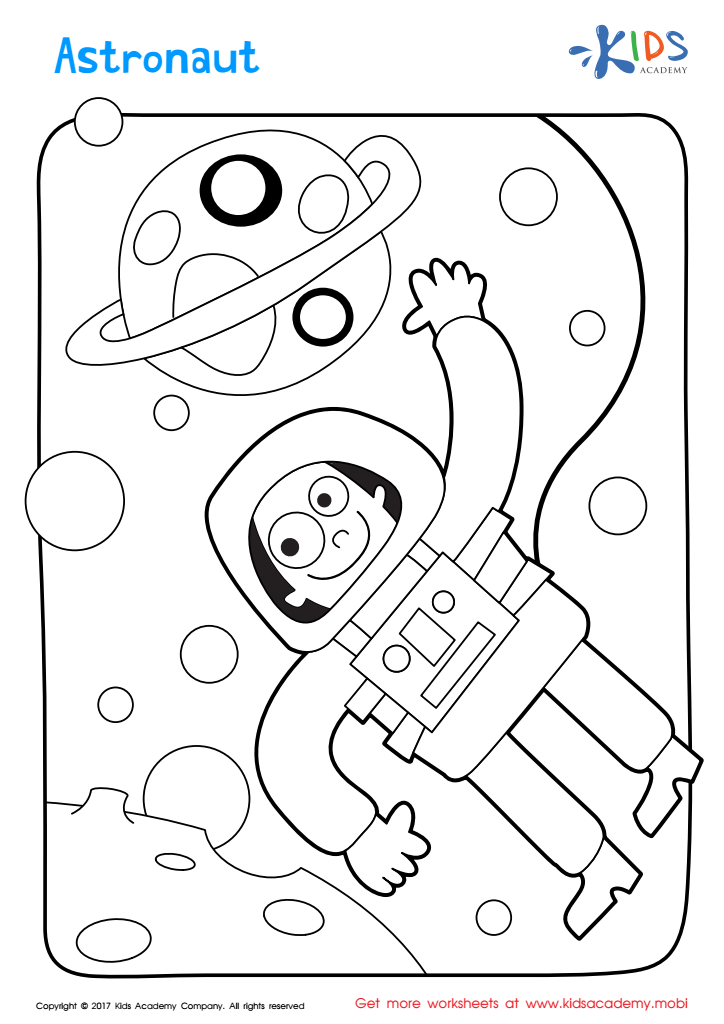
Astronaut Coloring Page
Assign to My Students
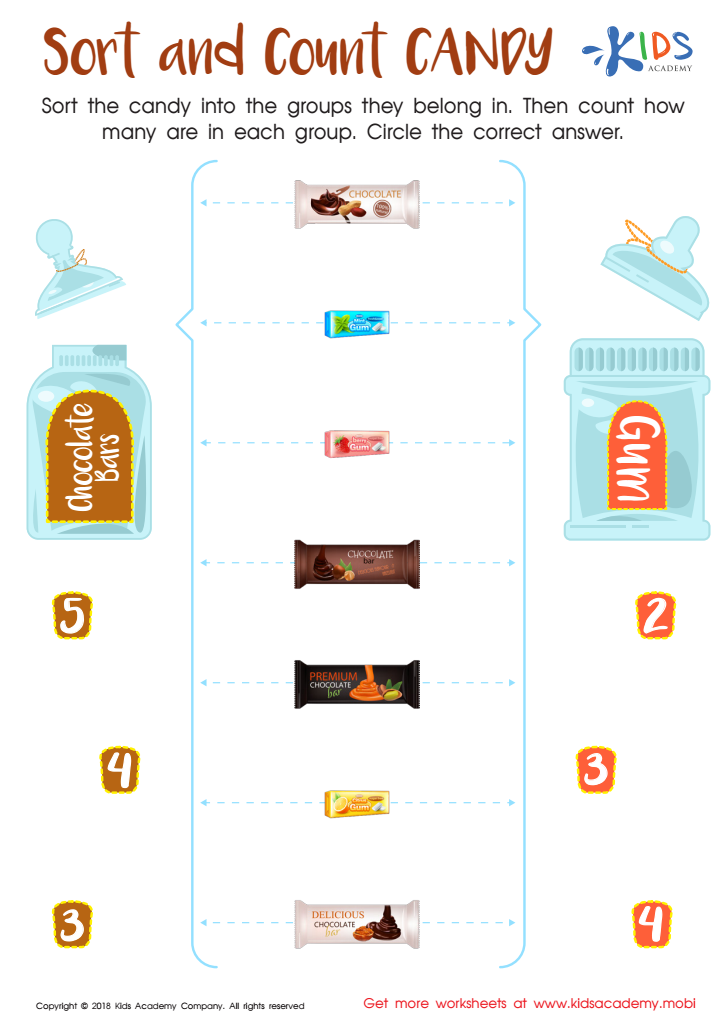
Sort and Count Candy Worksheet
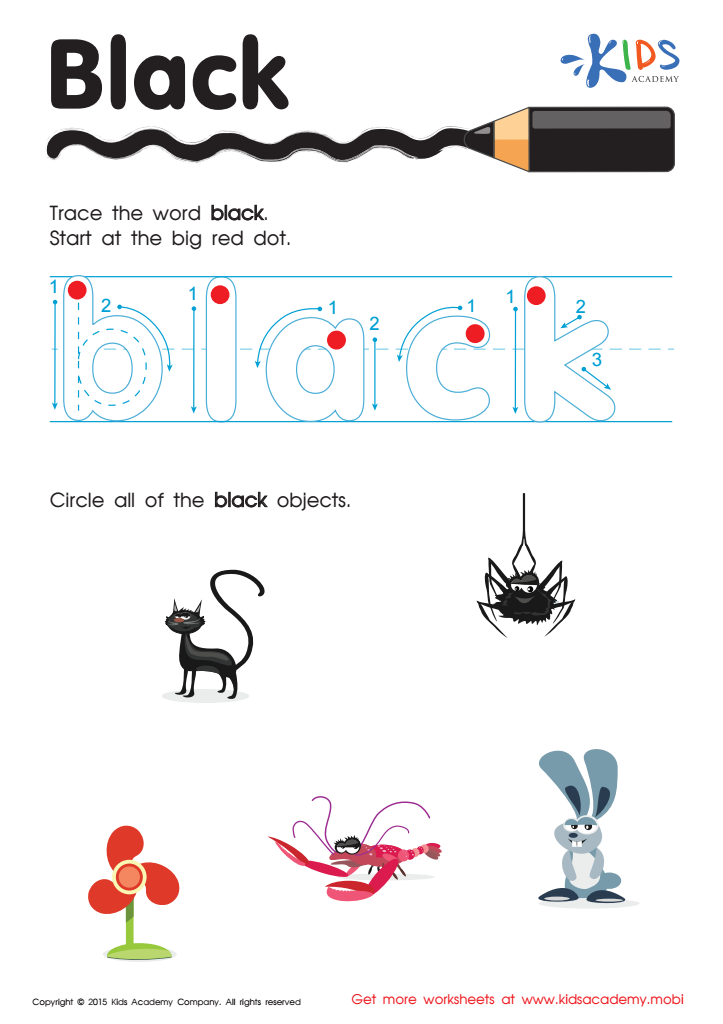
Black Tracing Color Words Printable








Color recognition is a fundamental skill that parents and teachers should prioritize for children ages 3-4, as it forms the cornerstone of their cognitive and visual development. At this age, children are naturally curious and absorb information rapidly, making it the ideal time to introduce colors.
Understanding colors helps children categorize and organize their world. When kids learn to recognize and name colors, they develop critical classification and comparison skills. For example, being able to differentiate between red and blue aids in honing attention to detail and enhances memory, as children associate colors with objects and emotions.
Furthermore, color recognition is closely linked to language development. Learning color names expands a child's vocabulary and improves communication skills, allowing them to describe their surroundings more accurately. It also fosters creativity and self-expression through activities such as drawing and painting.
Socially, color games and group activities encourage cooperation and improve social interactions, as kids share, discuss and integrate their understanding with peers. In sum, color recognition is a multi-faceted tool that supports cognitive, linguistic, and social growth, making it an essential area of focus for early childhood educators and parents alike. Investing time in this skill lays a strong foundation for future learning and development.








