Cultural awareness Normal Worksheets for Ages 3-4
6 filtered results
-
From - To
Our "Cultural Awareness Worksheets for Ages 3-4" are designed to help young learners explore and appreciate diverse cultures. Through engaging activities, children will learn about different traditions, holidays, foods, and clothing from around the world. These worksheets aim to promote empathy, acceptance, and a sense of global community. They are perfect for fostering early cultural competence in preschoolers and ensuring that the youngest learners can understand and celebrate our world's rich diversity. Ideal for parents and educators, these worksheets support vital early learning skills while inspiring curiosity and open-mindedness. Explore, learn, and grow with our cultural awareness resources!
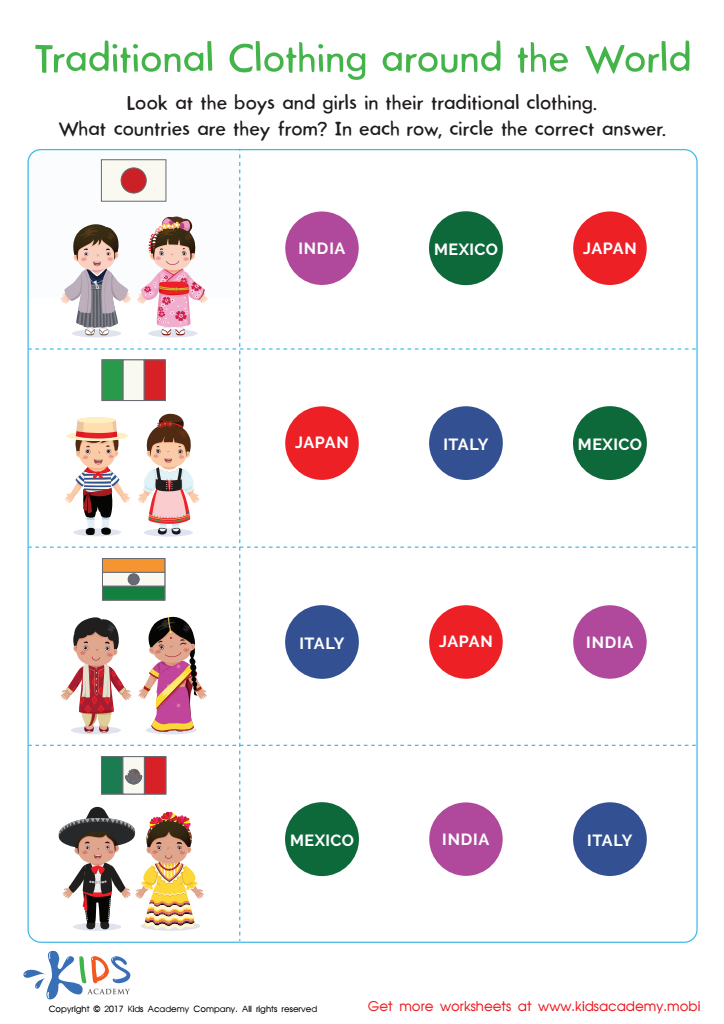
Traditional Clothing Worksheet
 Assign to My Students
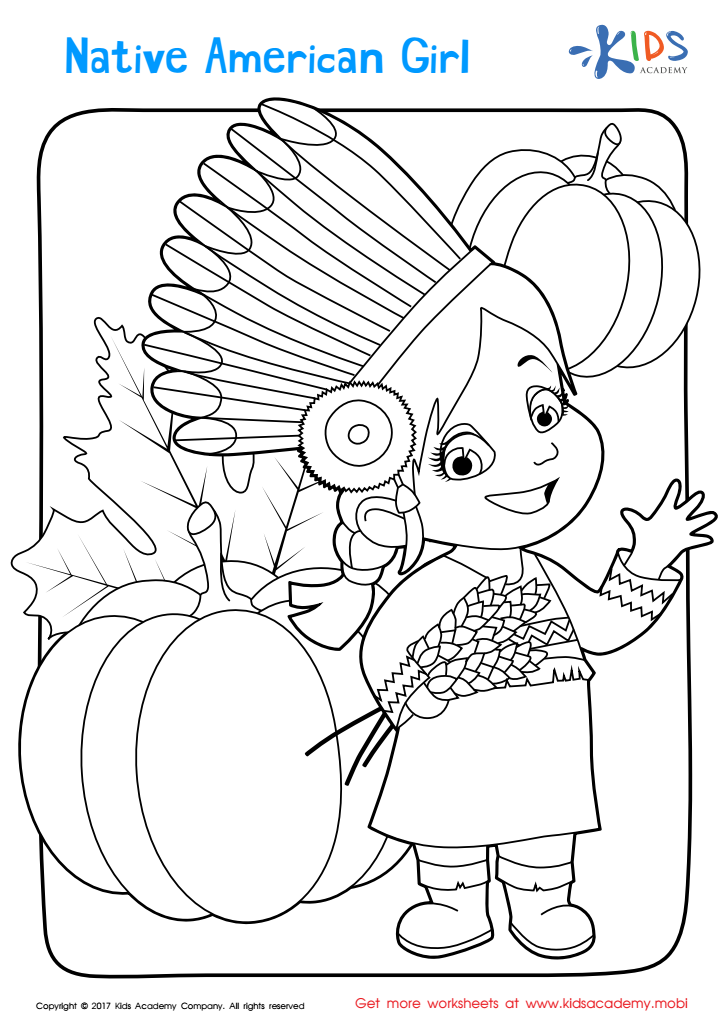
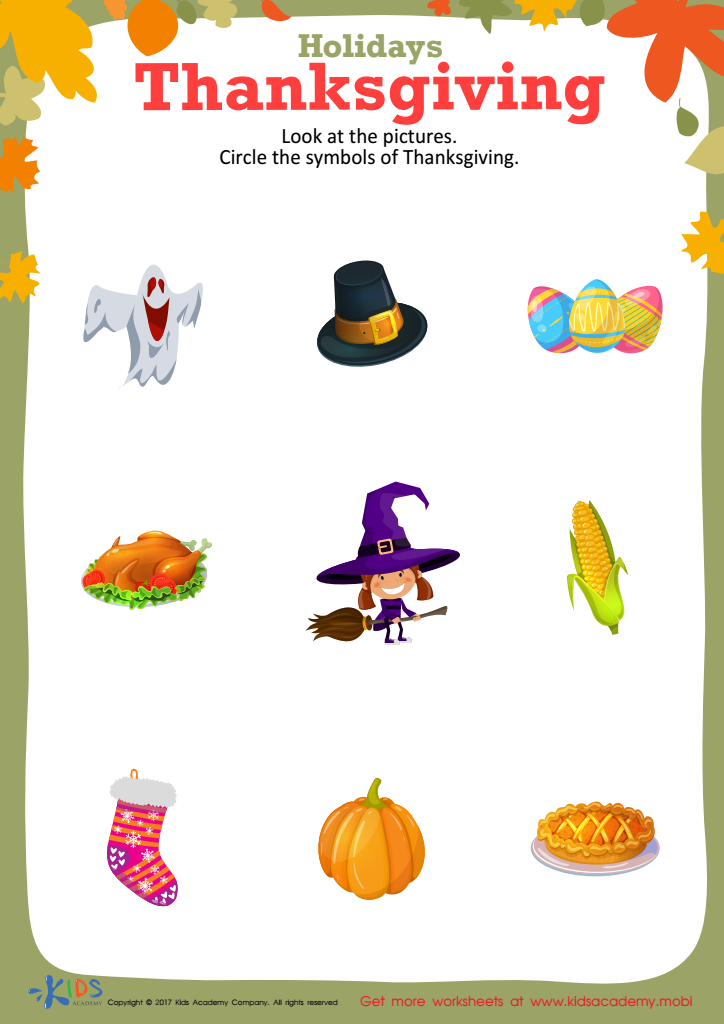
Thanksgiving Holiday Printable
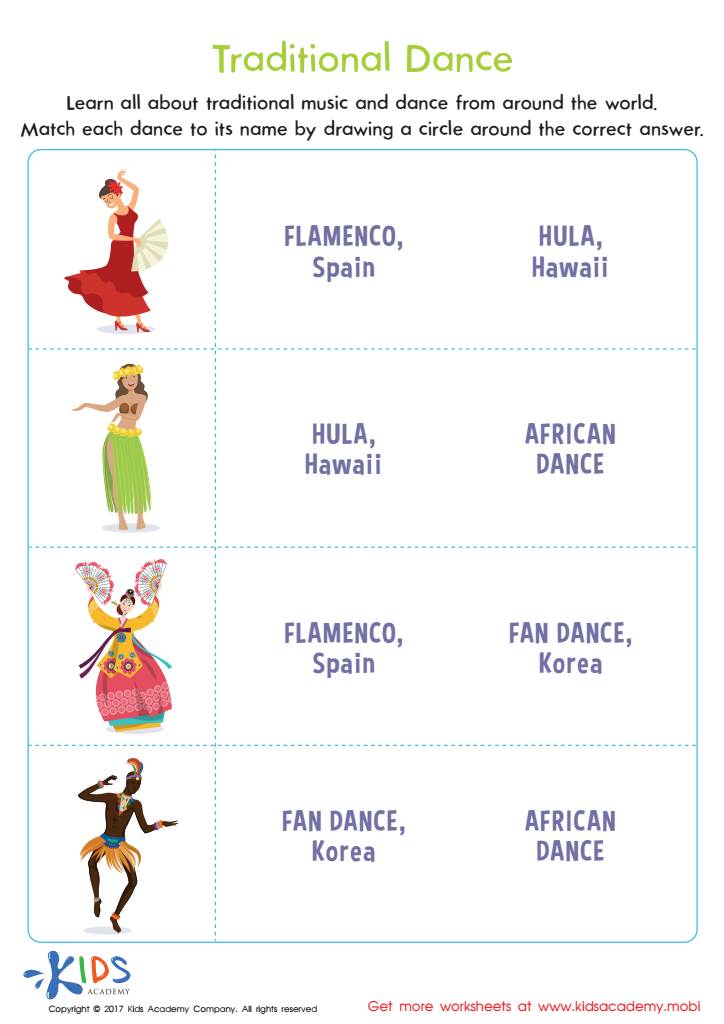
Traditional Dance Printable
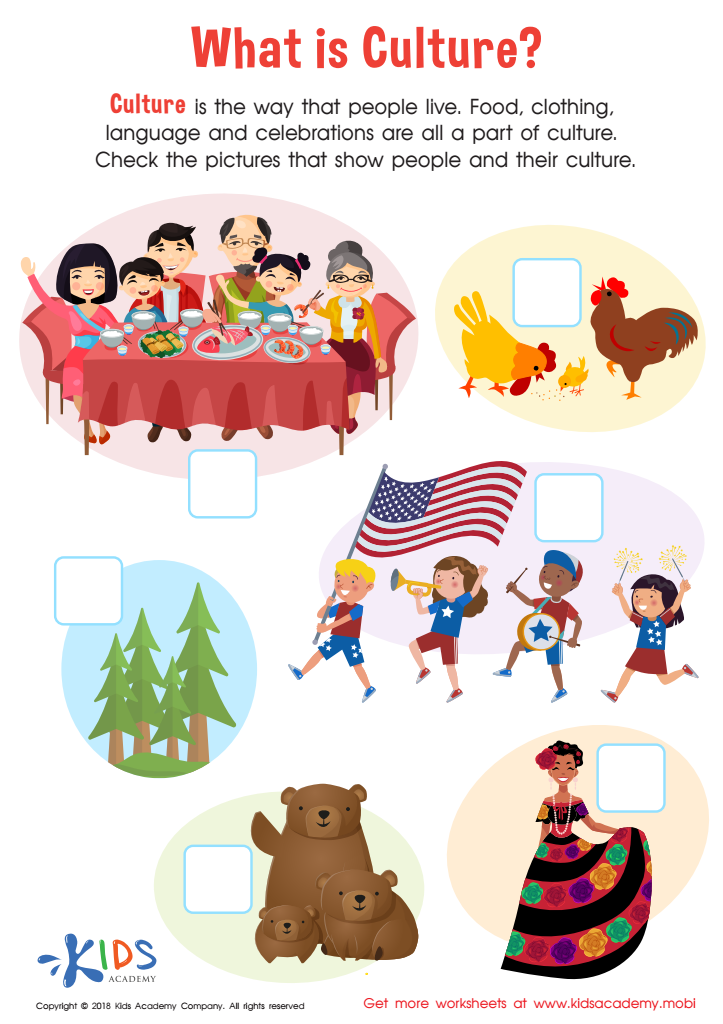
What Is Culture? Worksheet
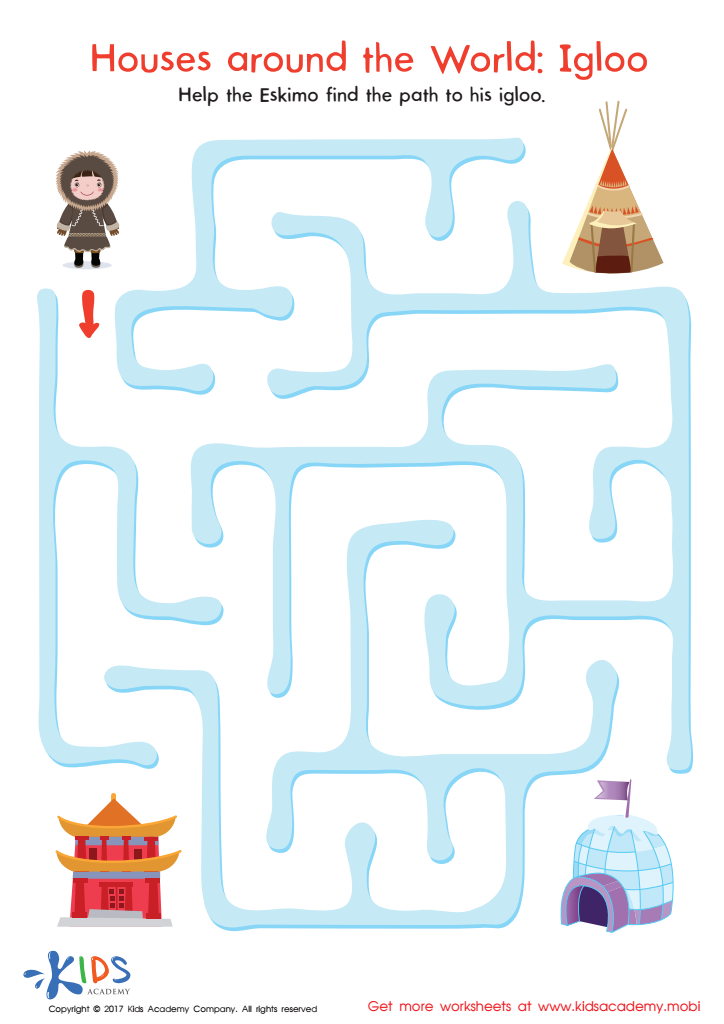
Houses Around the World: Igloo Printable


%20(1).jpg)
.jpg)


Cultural awareness is crucial for children aged 3-4, as these formative years lay the foundation for how they view and interact with the world. Parents and teachers should care because it fosters empathy, respect, and understanding. Young children are naturally curious and open-minded. Introducing them to diverse cultures helps them appreciate differences and commonalities among people. By learning about various traditions, languages, and customs, children become more inclusive, reducing the potential for prejudice and stereotyping later in life.
Additionally, cultural awareness supports cognitive development. Talking about different cultures enhances children's vocabulary, comprehension, and critical thinking skills. It can make learning more engaging and relevant. For example, reading stories from various cultures broadens children's perspectives and sparks their imaginations.
Socially, children who are culturally aware are better equipped to build positive relationships with peers from diverse backgrounds. This skill is vital in increasingly multicultural societies. Emotional growth is also supported; children learn about their cultural identity, building confidence and self-esteem while understanding and respecting others' identities.
For parents and teachers, embedding cultural awareness in early education promotes inclusivity and harmony, shaping children into well-rounded, compassionate individuals. Investing time in cultural education now reaps long-term societal benefits as these children grow into empathetic, culturally sensitive adults.








