Grammar practice Normal Worksheets for Ages 3-4
3 filtered results
-
From - To
Enhance your little one's language skills with our engaging Grammar Practice Normal Worksheets designed for ages 3-4! These interactive and fun worksheets are perfect for introducing foundational grammar concepts, helping children build confidence in their language abilities. With colorful illustrations and simple exercises, kids will learn about basic sentence structure, parts of speech, and punctuation in a playful manner. Our age-appropriate activities promote critical thinking and fine motor skills while keeping learning enjoyable. Ideal for homeschoolers or early learners in preschool settings, these worksheets are an excellent resource for nurturing a lifelong love for language. Download now and watch your child's skills grow!
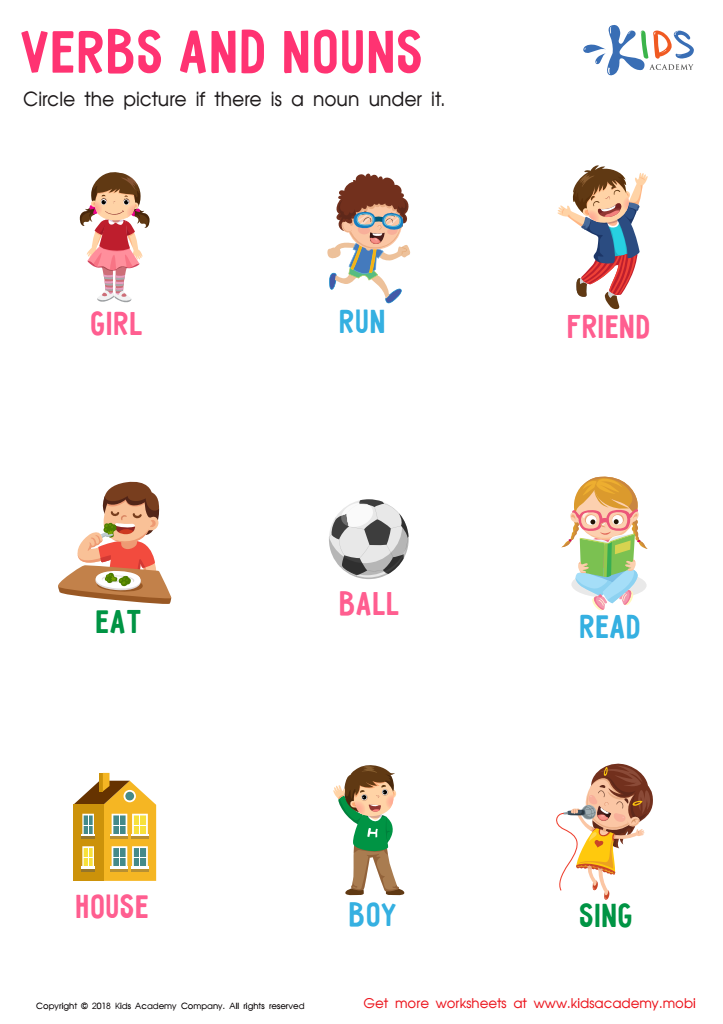
Verbs and Nouns Worksheet
 Assign to My Students
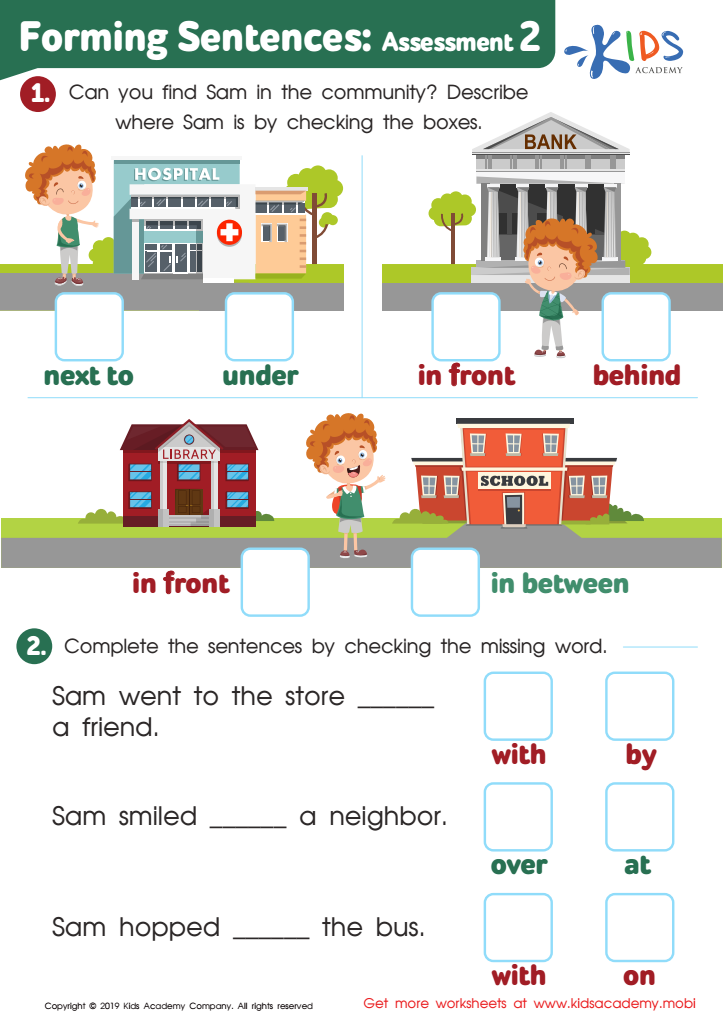
Forming Sentences: Assessment 2 Worksheet
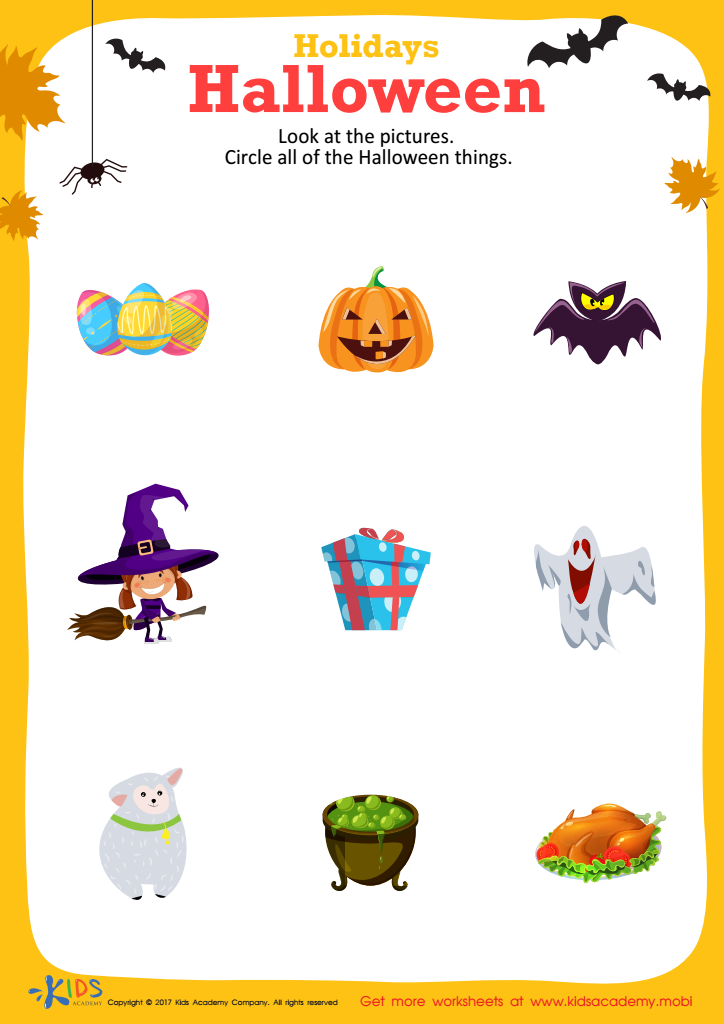
Halloween Holiday Worksheet







Grammar practice for children ages 3-4 is essential for several reasons. At this formative age, children begin to develop their language skills, which are foundational for effective communication and literacy later in life. Engaging in grammar activities helps young learners understand the structure of language, allowing them to express themselves clearly and confidently.
Moreover, introducing grammar concepts early helps children grasp the rules of speech, including sentence formation and proper word usage, which can prevent confusion as they grow. It fosters a better comprehension of stories, instructions, and conversations, enhancing their listening skills and overall understanding of the world around them.
Additionally, grammar practice encourages critical thinking and problem-solving as children learn to manipulate language and experiment with word forms. It can also be a fun and interactive process, often involving games, songs, and activities that keep young learners engaged.
Finally, having strong grammar skills contributes to academic success, laying the groundwork for reading and writing proficiency, essential skills for their educational journey. Caring about grammar practice helps ensure that children are not only ready to communicate but are also prepared for future learning challenges.








