Handwriting practice Normal Worksheets for Ages 3-4 - Page 3
56 filtered results
-
From - To
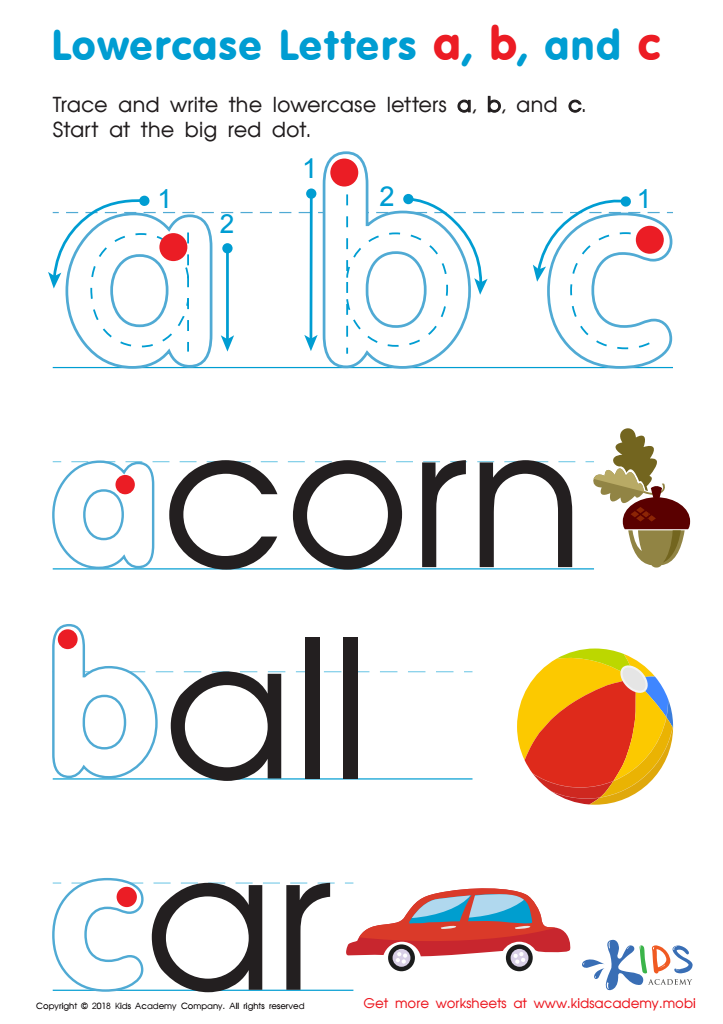
Lowercase Letters a b c Worksheet
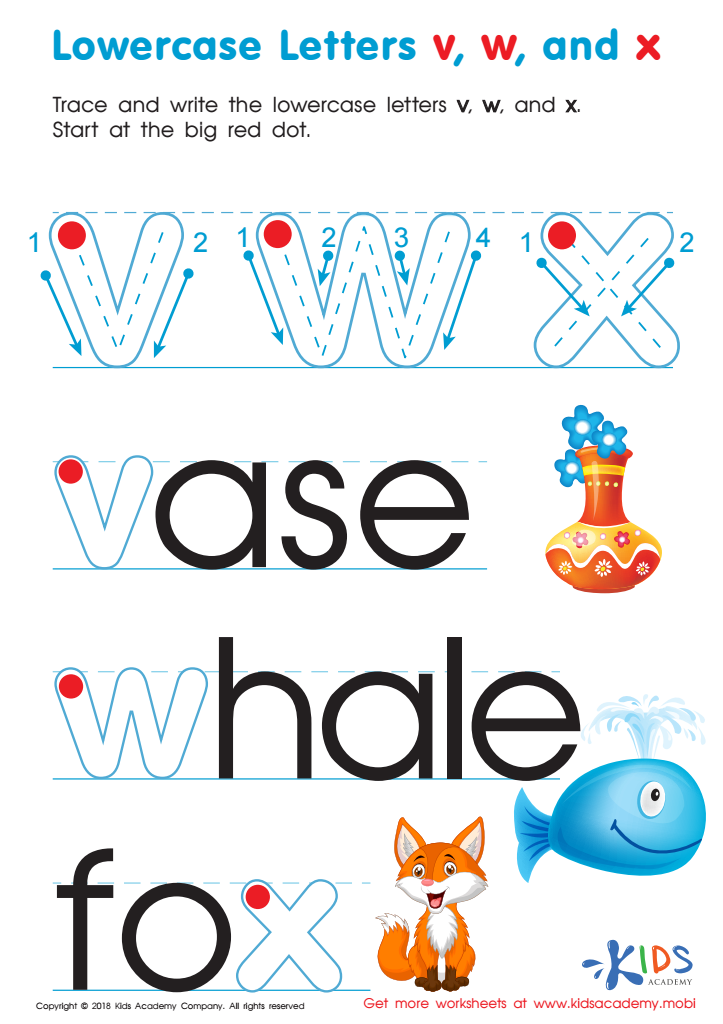
Lowercase Letters v w x Worksheet
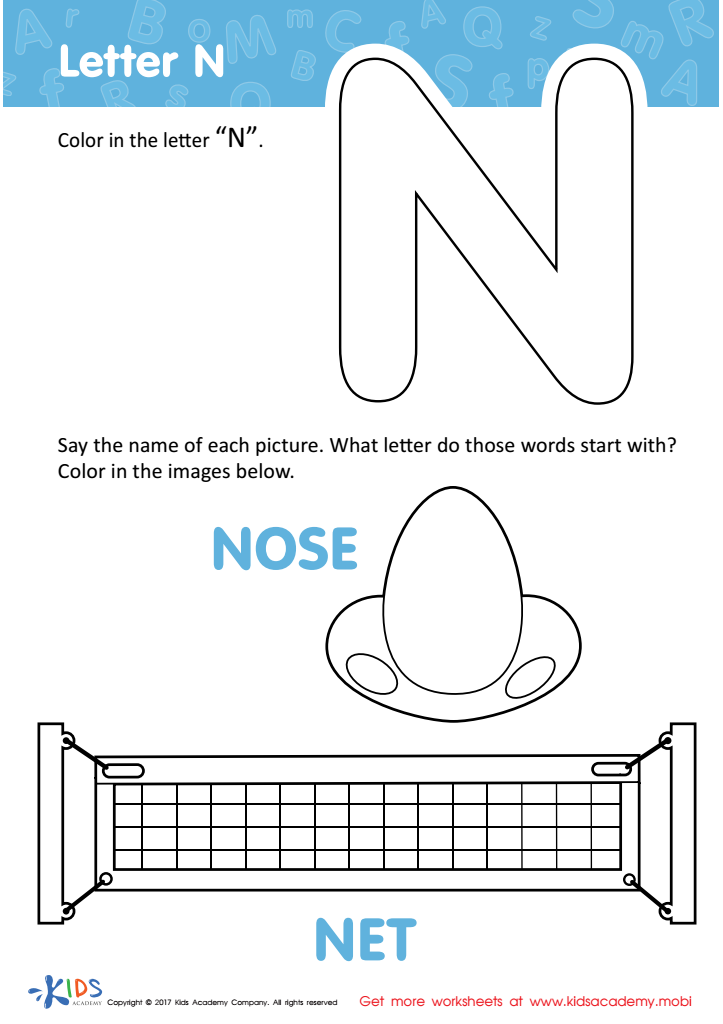
Letter N Coloring Sheet
 Assign to My Students
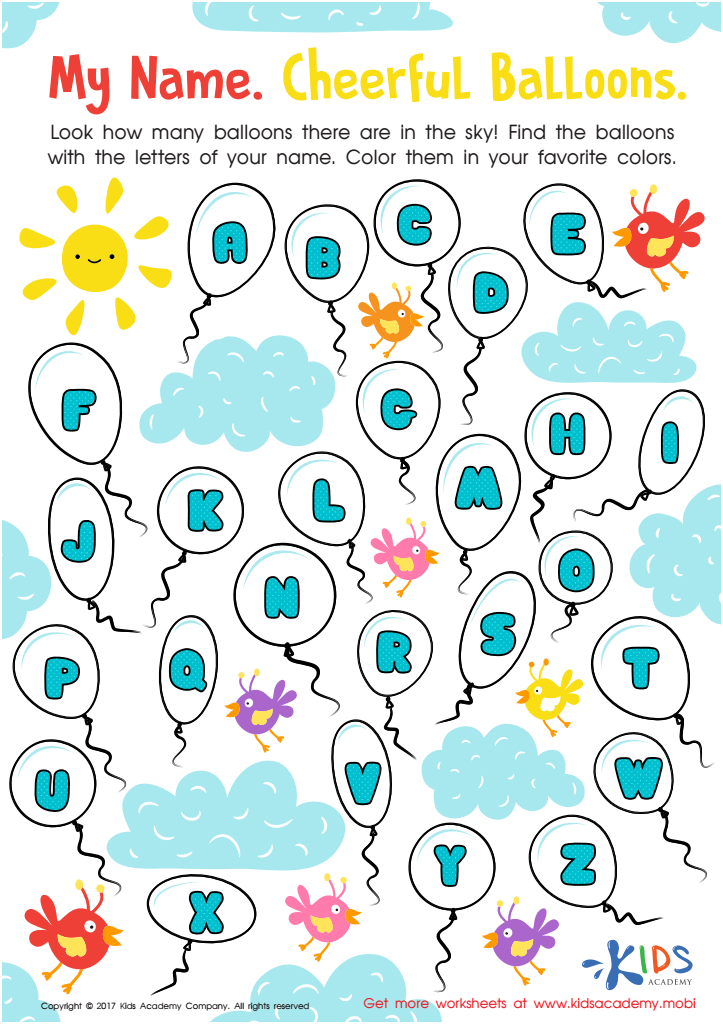
My Name: Cheerful Balloons Worksheet
Assign to My Students
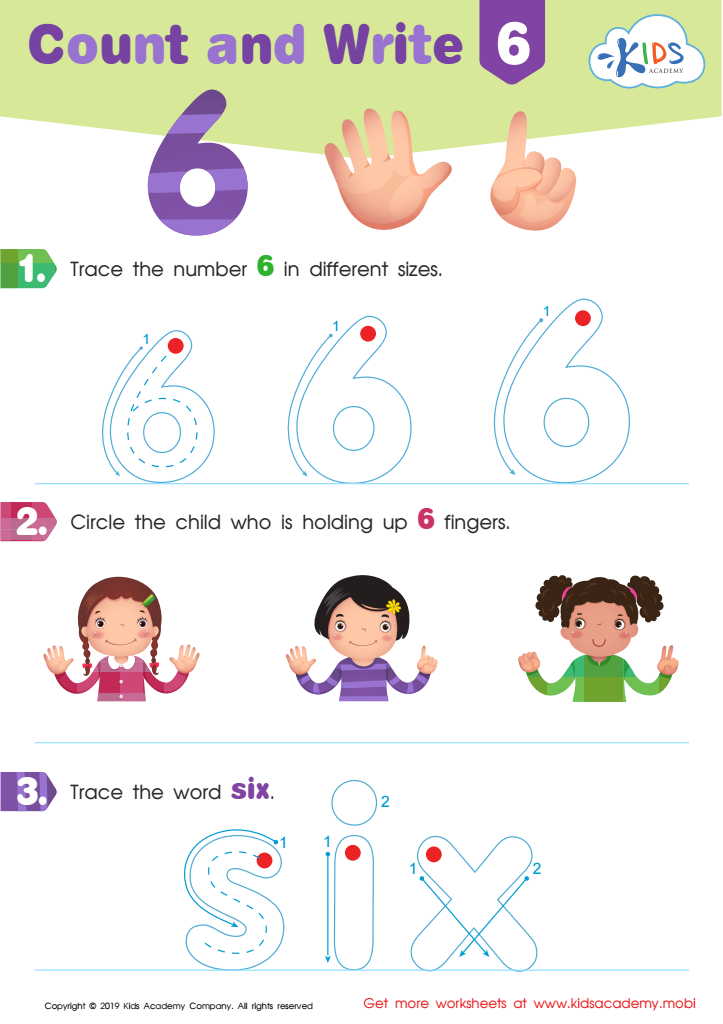
Count and Write 6 Worksheet
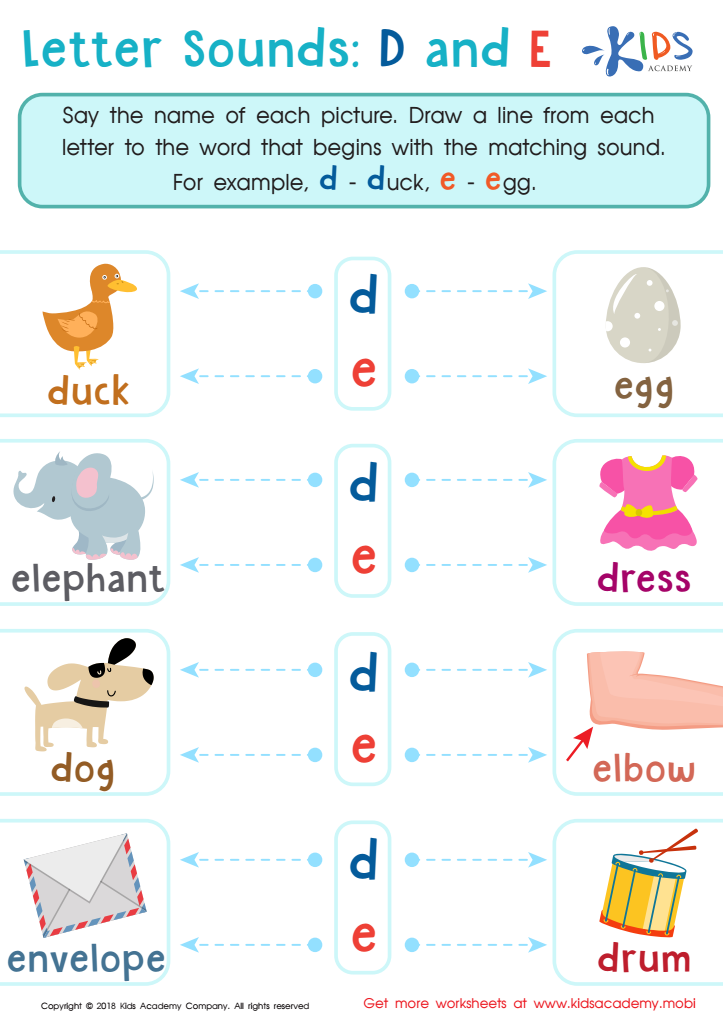
Letter D and E Sounds Worksheet
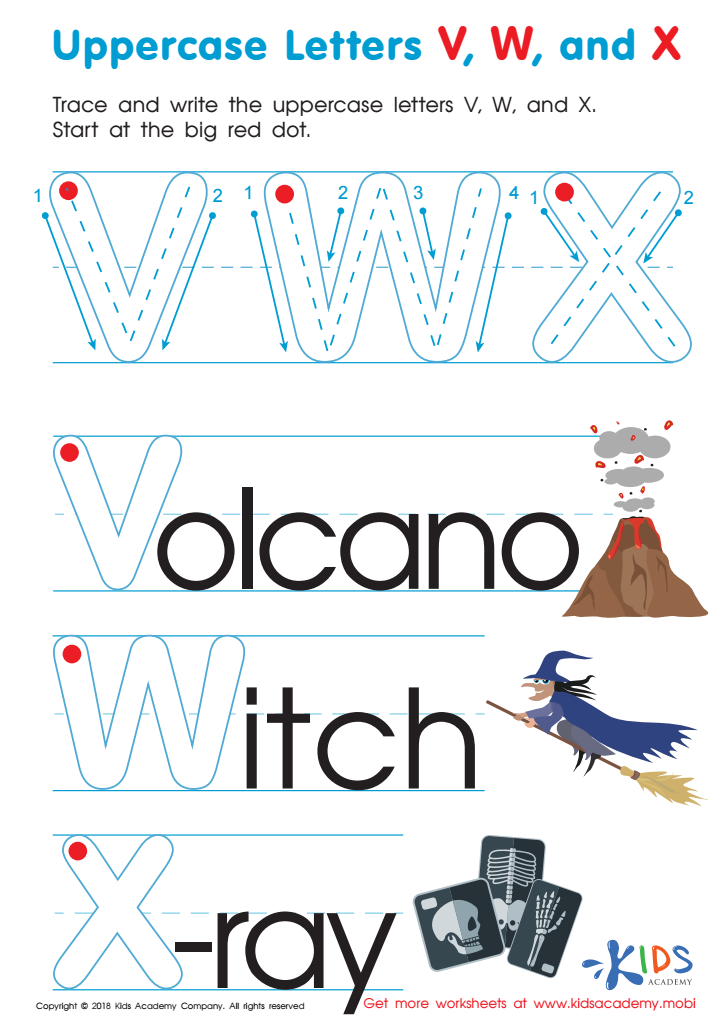
Uppercase Letters V, W, and X Worksheet
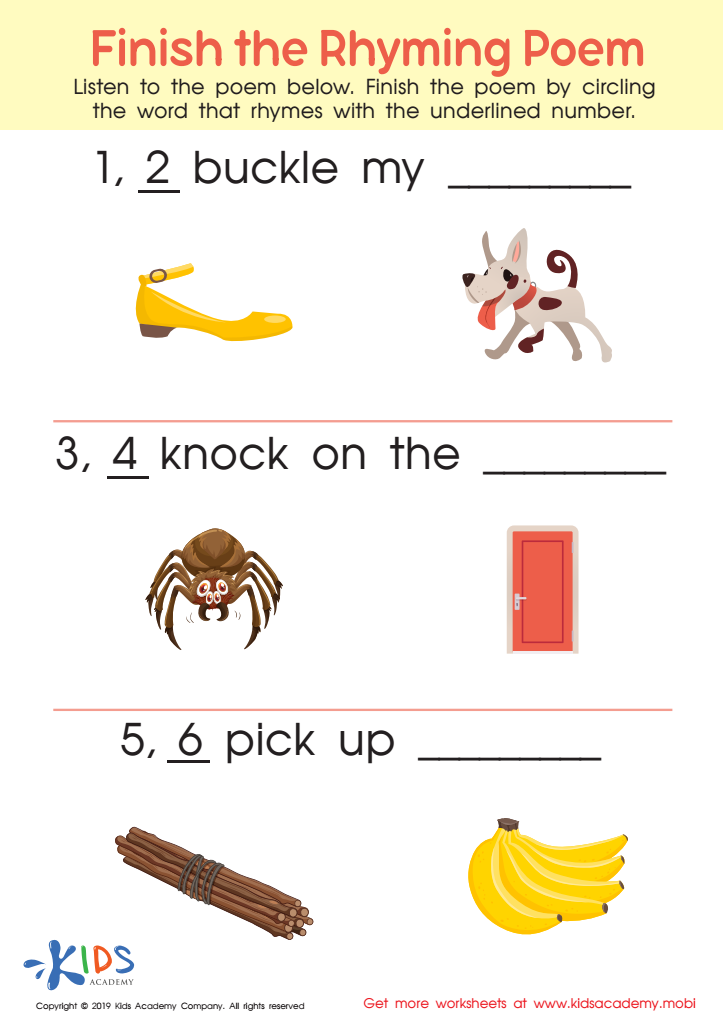
Finish Rhyming Poem Worksheet








Handwriting practice for children aged 3-4 is crucial as it lays the foundation for their future academic success. During these developmental years, young children are refining their motor skills, and engaging in handwriting activities helps improve their dexterity and hand-eye coordination. When children manipulate pencils or crayons, they strengthen the small muscles in their hands, which is essential for tasks requiring fine motor skills.
Moreover, handwriting practice fosters cognitive development. As children learn to form letters and words, they simultaneously enhance their ability to express thoughts and ideas. This early exposure to writing encourages a love for communication and literacy, promoting creativity and self-expression.
Additionally, handwriting can teach children patience and perseverance. As they practice forming letters, they learn that mastery takes time and effort. This builds resilience and a growth mindset, shaping their attitudes toward learning in general.
Finally, consistent handwriting practice can improve academic performance later on. Children who have a solid grasp of handwriting often find it easier to move into reading and comprehension tasks, setting them up for success in school. Thus, parents and teachers should prioritize handwriting practice as a vital component of early childhood education.








