Improving vocabulary Normal Worksheets for Ages 3-4
4 filtered results
-
From - To
Enhance your child's vocabulary with our engaging normal worksheets designed specifically for ages 3-4. These thoughtfully crafted activities help young learners explore new words in a fun and interactive manner. Featuring vibrant illustrations and relatable themes, our worksheets promote language development while keeping children entertained. Each activity is tailored to foster comprehension and encourage expressive communication, making it easier for little ones to connect words with their meanings. Perfect for parents and educators, these worksheets provide a valuable resource for building a strong vocabulary foundation in a nurturing environment. Discover the joy of learning with our vocabulary improvement worksheets today!
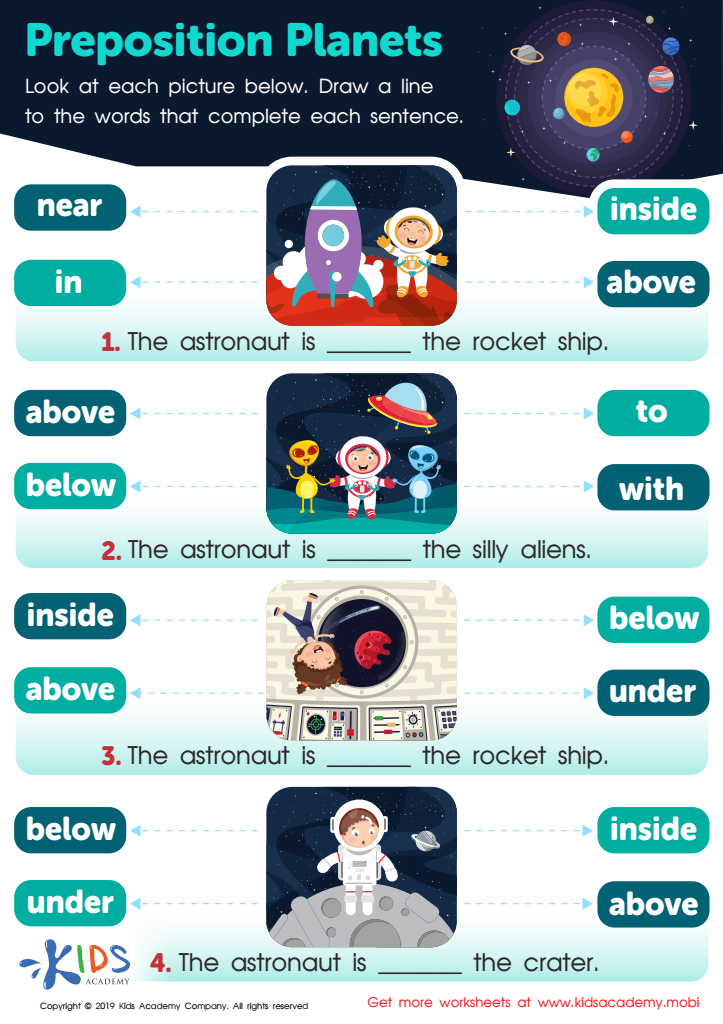
Preposition Planets Worksheet
 Assign to My Students
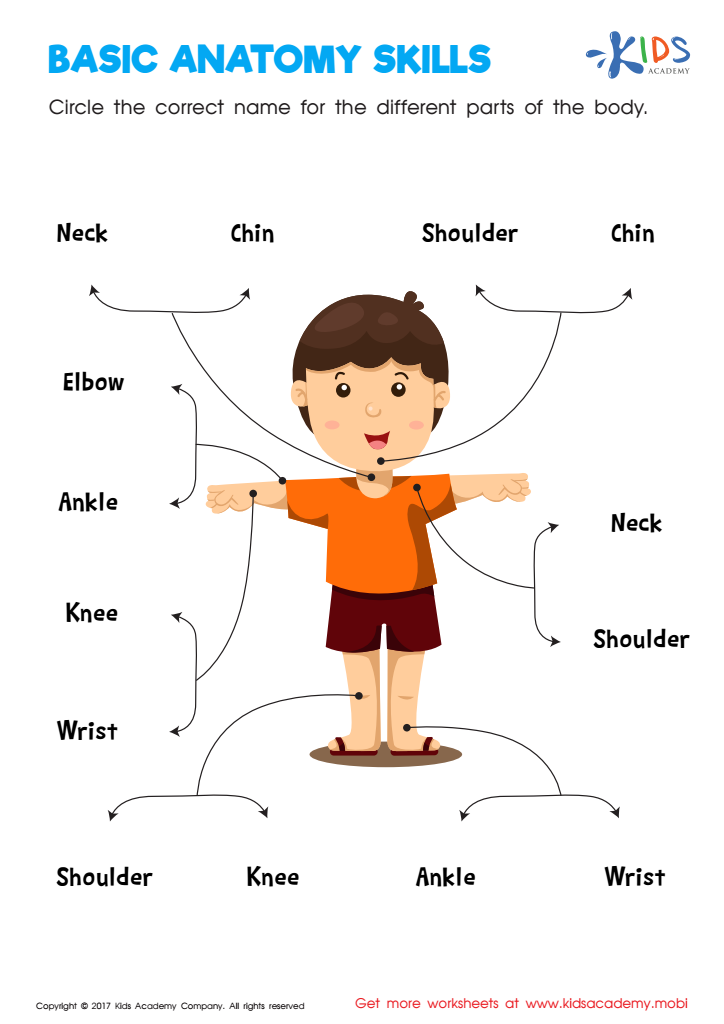
Basic Anatomy Skills Printable
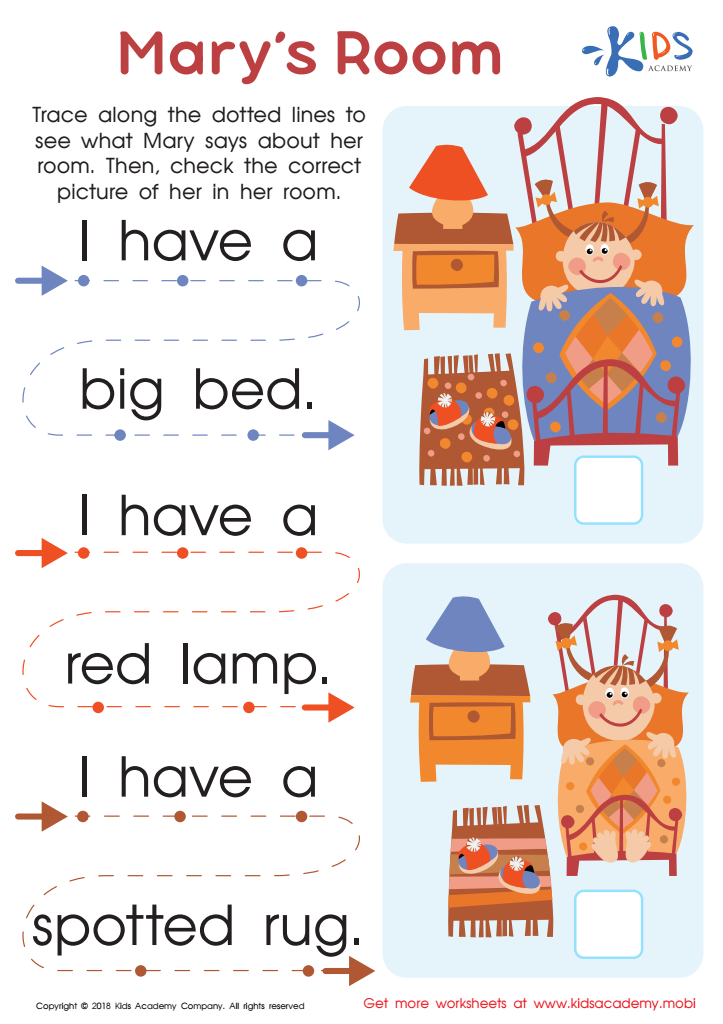
Mary's Room Worksheet
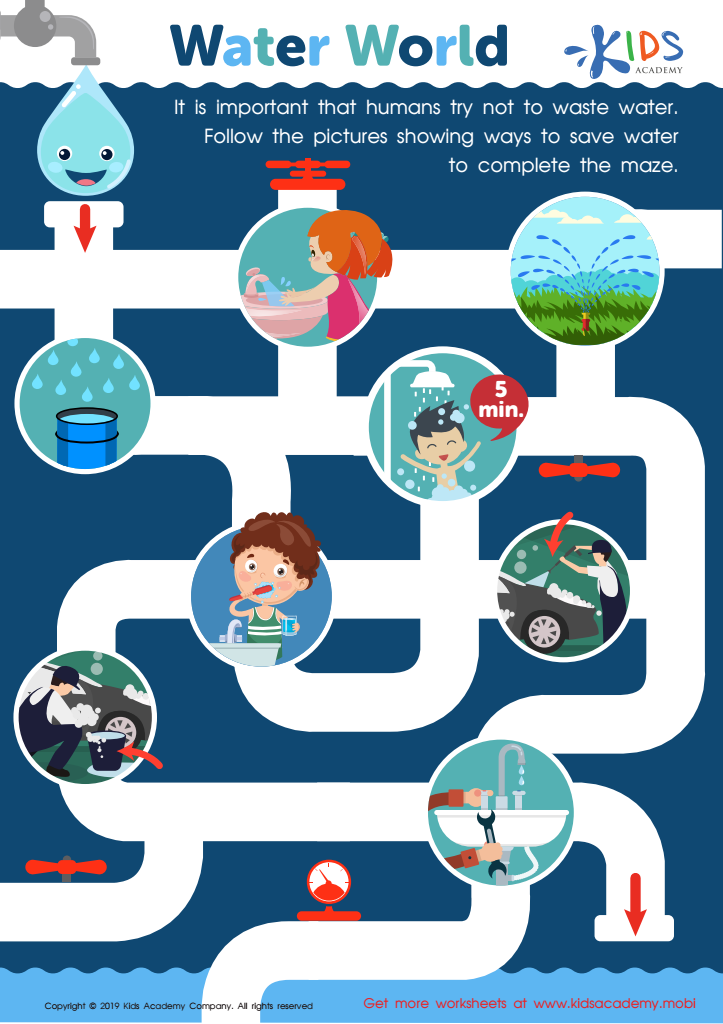
Water World Worksheet




.jpg)



Improving vocabulary in children aged 3-4 is crucial for several reasons. At this stage, children experience rapid brain development, and enriching their vocabulary supports cognitive, social, and emotional growth. A robust vocabulary enhances comprehension skills, enabling children to express their thoughts and ideas more clearly and effectively. This foundational language skill is essential for future academic success, as strong vocabulary correlates with better reading and writing abilities later on.
Moreover, vocabulary development fosters social interactions. Children who can articulate their feelings and needs more effectively are likely to build stronger relationships with peers, enhancing their ability to navigate social situations. Understanding and using language appropriately also helps in building self-confidence.
Teachers and parents play an integral role in this development. By engaging children in conversations, reading with them, and introducing new words through play, they create an environment rich in language learning. Simple actions, such as naming objects, explaining feelings, and asking thought-provoking questions, can significantly boost a child's vocabulary.
Overall, a strong vocabulary laid down during these formative years serves as the cornerstone for effective communication, emotional expression, and academic achievement, making it essential for parents and teachers to prioritize this aspect of early childhood development.








