Problem Solving Normal Worksheets for Ages 3-4
6 filtered results
-
From - To
Discover our engaging Problem Solving Normal Worksheets for children ages 3-4! Designed to nurture critical thinking skills, these worksheets offer a fun way for young learners to tackle simple problems through shape recognition, pattern completion, and basic reasoning exercises. Our activities encourage curiosity and creativity, helping children develop essential cognitive skills at an early age. Ideal for parents and educators, these worksheets are both interactive and educational, providing a strong foundation for future learning. Download now and inspire your little ones with exciting problem-solving challenges that will stimulate their minds and promote independent thinking!
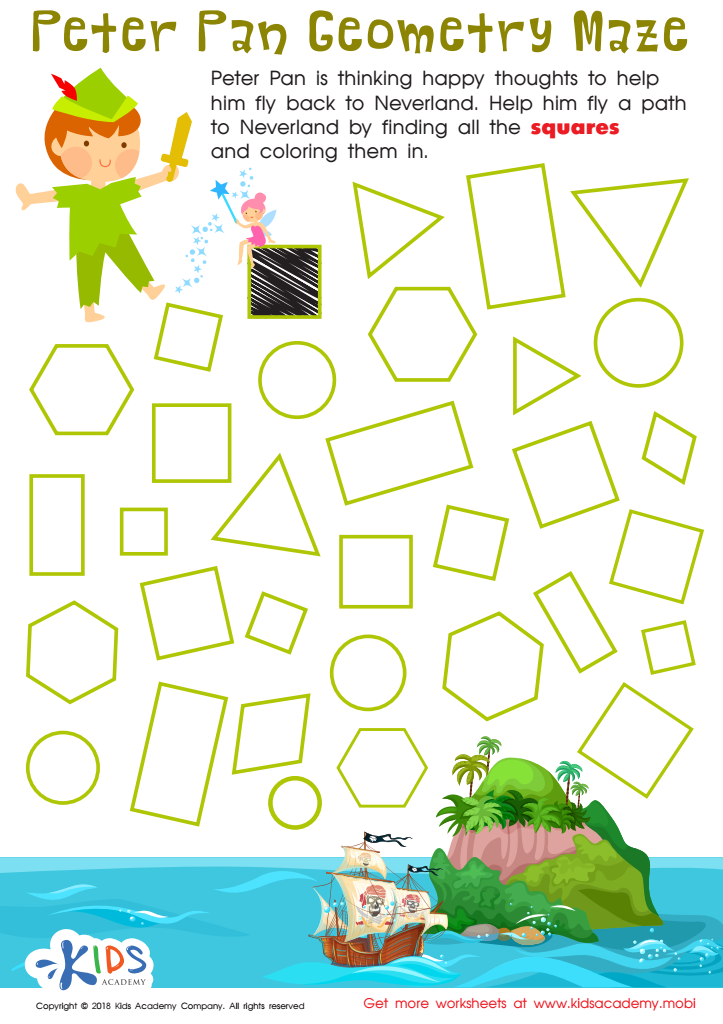
Peter Pan Worksheet
 Assign to My Students
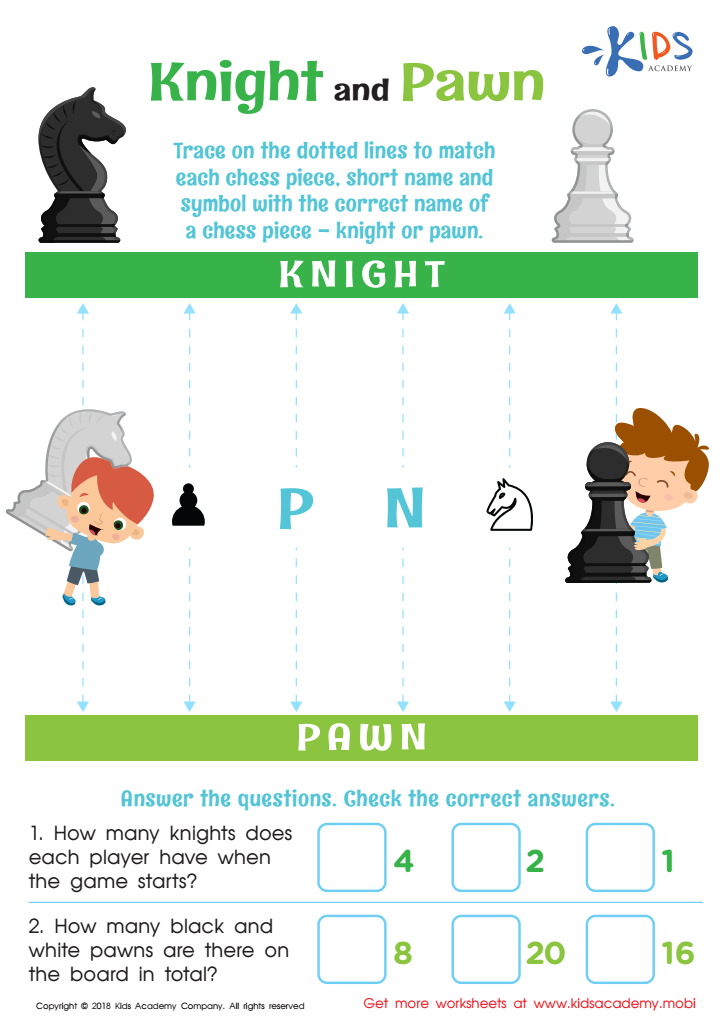
Knight and Pawn Worksheet
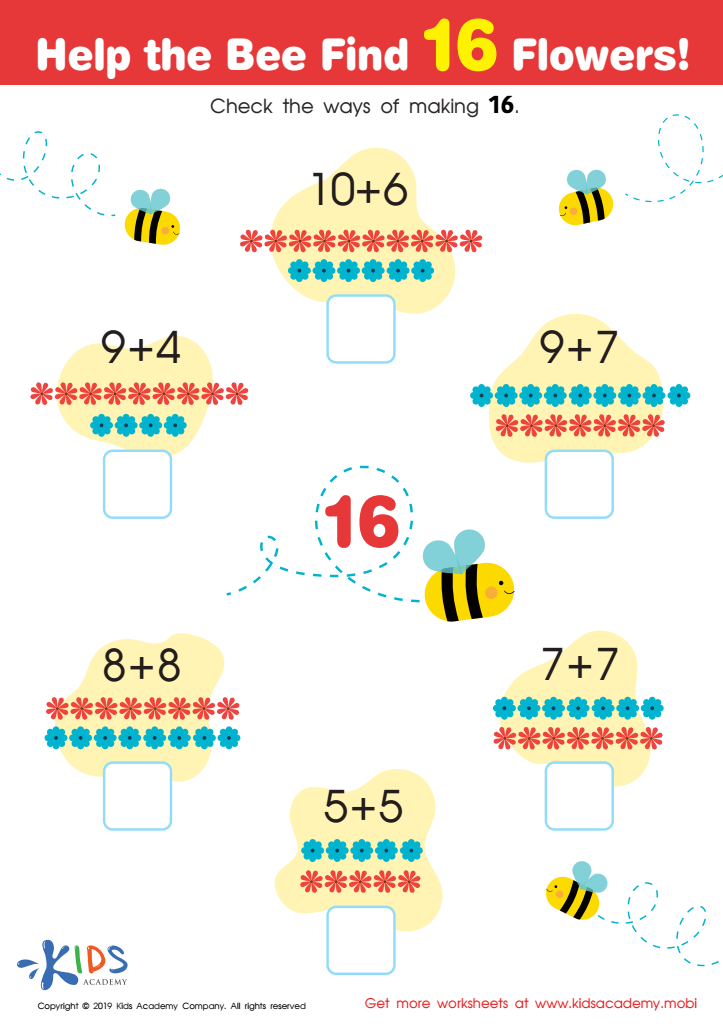
Help the Bee Find 16 Flowers Worksheet
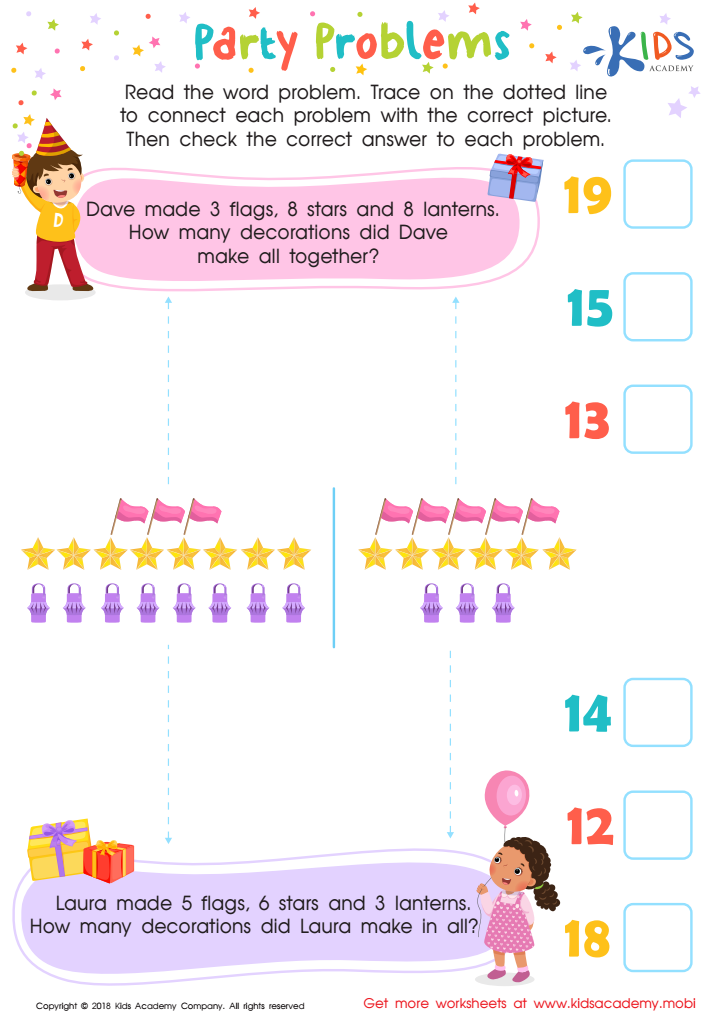
Party Problems Worksheet
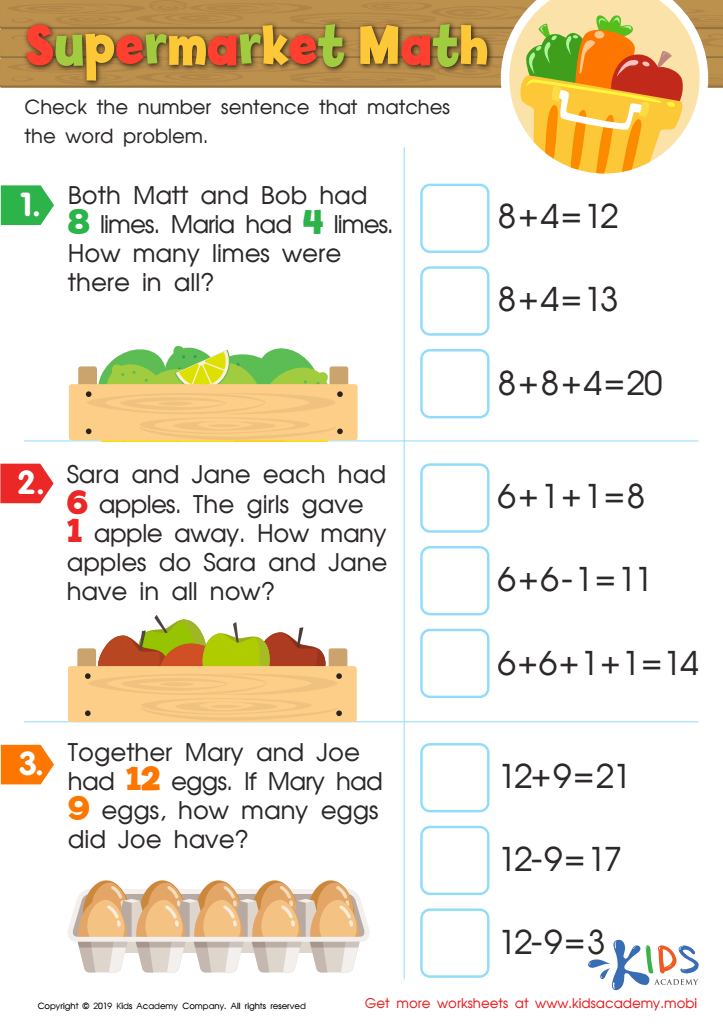
Supermarket Math Worksheet
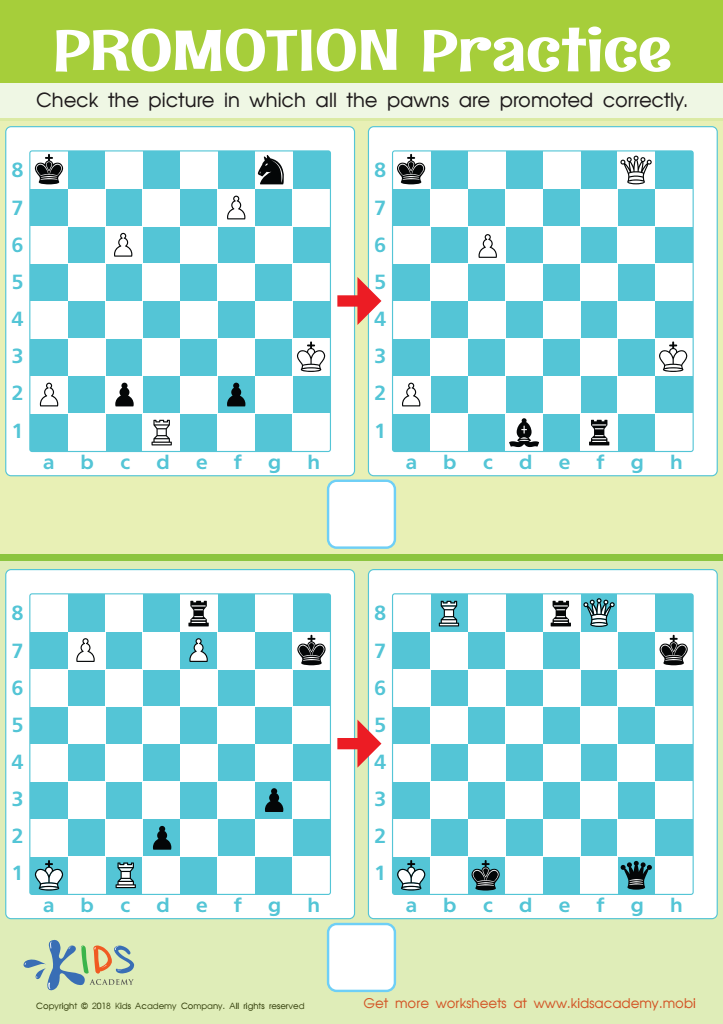
Promotion Practice Worksheet




.jpg)


Problem-solving skills are vital for children ages 3-4, as they lay the foundation for critical thinking and cognitive development. During this developmental stage, children begin to explore their environment more actively, experimenting with different solutions to everyday challenges. When parents and teachers engage children in problem-solving experiences, they enhance several essential skills, including reasoning, creativity, and perseverance.
Fostering problem-solving at this age helps improve social skills as children often need to collaborate or negotiate with peers to resolve conflicts or complete tasks. For instance, puzzles, simple games, and shared experiences encourage communication and teamwork. Moreover, when adults actively participate in guiding children through challenges, they not only model effective problem-solving strategies but also bolster children's confidence in their abilities to tackle obstacles independently.
Additionally, early exposure to problem-solving nurtures a growth mindset in children; they learn that failure is a natural component of the learning process. This understanding promotes resilience, equipping them to face future academic and social challenges. Ultimately, ensuring that children from 3 to 4 years engage in problem-solving activities benefits their cognitive and emotional development, contributing to more well-rounded individuals as they transition into later educational stages.








