Problem-Solving Skills Normal Worksheets for Ages 3-4 - Page 3
51 filtered results
-
From - To
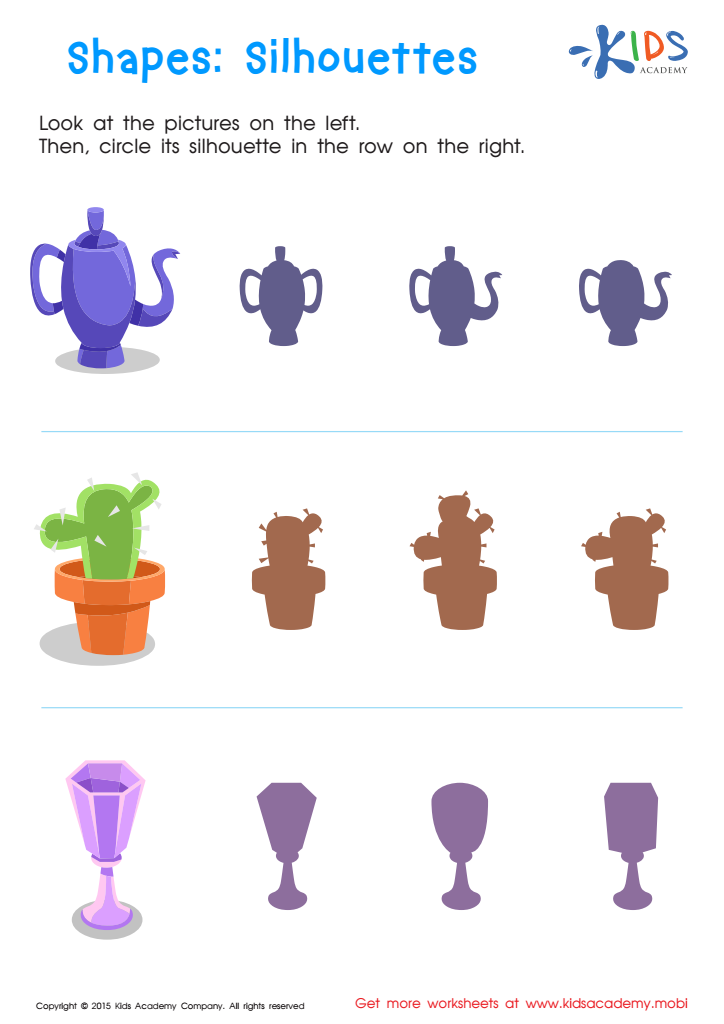
Silhouettes – Shapes Worksheet
 Assign to My Students
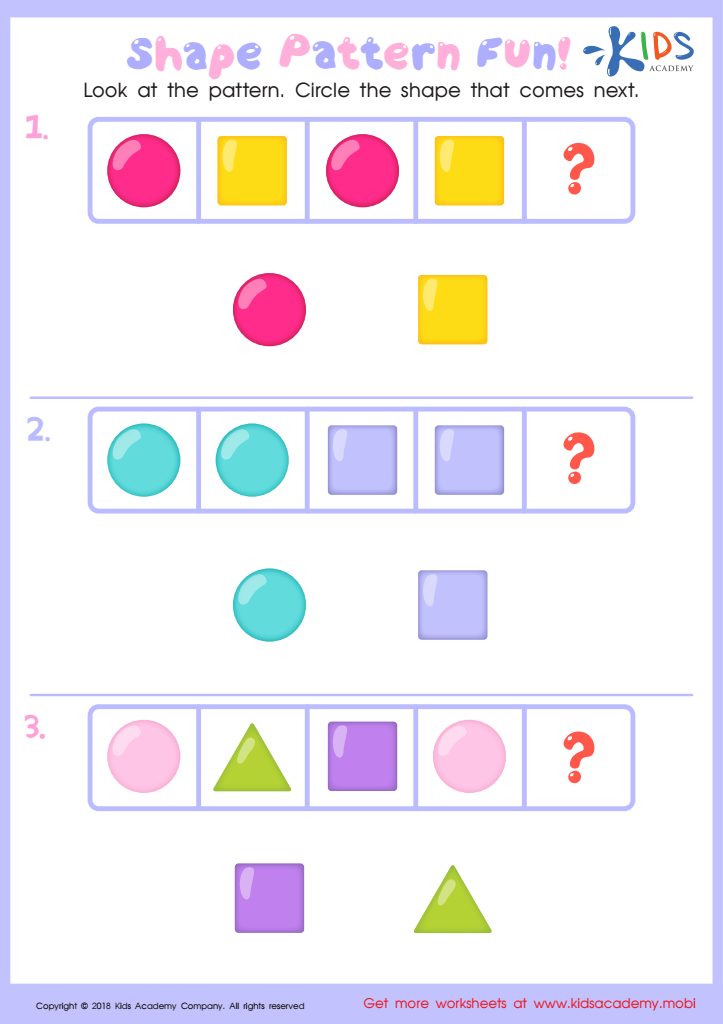
Shape Pattern Fun Worksheet
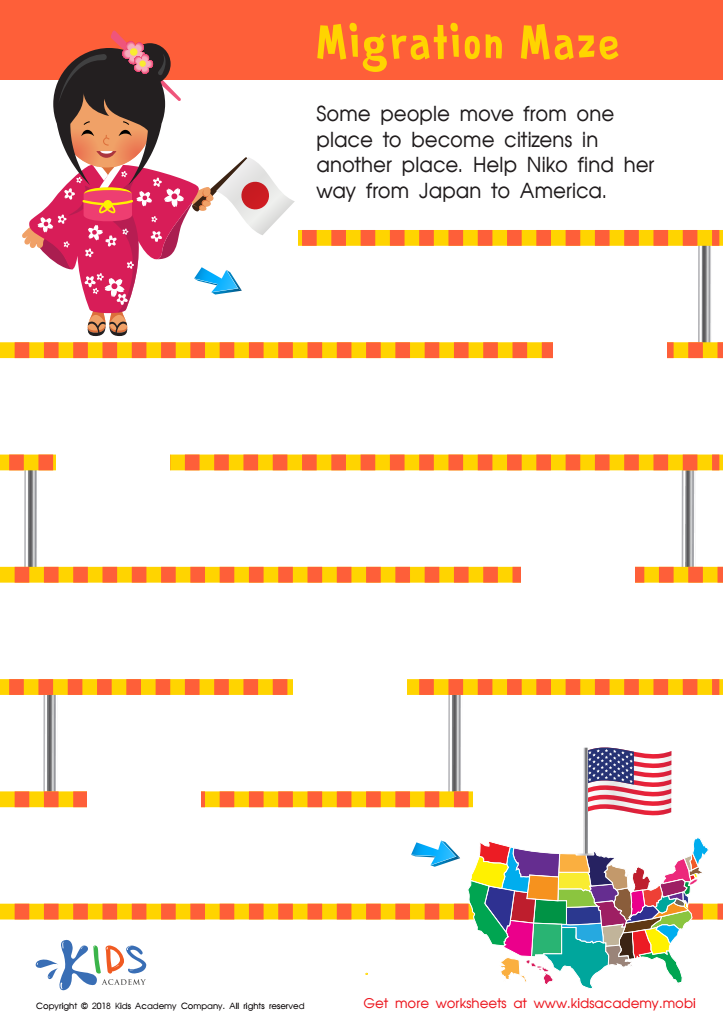
Migration Maze Worksheet






Fostering problem-solving skills in children aged 3-4 is essential for their cognitive, social, and emotional development. At this early stage, kids develop foundational skills that influence their future learning and problem-solving abilities. By engaging in problem-solving activities, children learn to think critically, make decisions, and become independent thinkers. These skills are crucial for academic success and everyday life.
Problem-solving helps children understand cause-and-effect relationships and enhances their ability to predict outcomes. For instance, solving a simple puzzle teaches them how pieces fit together, which is a precursor to logical thinking. This also nurtures patience and perseverance, as they have to try different solutions to reach a goal.
Socially, problem-solving activities foster collaboration and communication. When children work together to solve problems, they learn to share ideas, negotiate, and resolve conflicts. These abilities are foundational for forming healthy relationships and functioning effectively in group settings.
Emotionally, mastering problem-solving boosts a child’s confidence and reduces anxiety. They feel more capable managing challenges, leading to increased resilience. When adults provide an environment that encourages exploration and problem-solving, they help children develop a positive attitude toward learning, setting the stage for lifelong curiosity and adaptability. Thus, prioritizing problem-solving skills in early childhood equips children with critical tools for their overall development.








