Understanding directions Normal Worksheets for Ages 3-4
7 filtered results
-
From - To
Explore our fun "Understanding Directions Normal Worksheets" designed specifically for children ages 3-4! These engaging worksheets help young learners develop essential comprehension skills by following simple verbal instructions. Each activity encourages kids to listen carefully and respond to prompts, enhancing their ability to understand directional concepts like up, down, left, and right. Our colorful, interactive worksheets support early childhood education by making learning enjoyable and effective. Perfect for teachers and parents seeking to nurture their child's cognitive skills, these resources strengthen foundational learning for future success. Start your adventure in understanding directions today and watch your little ones thrive!
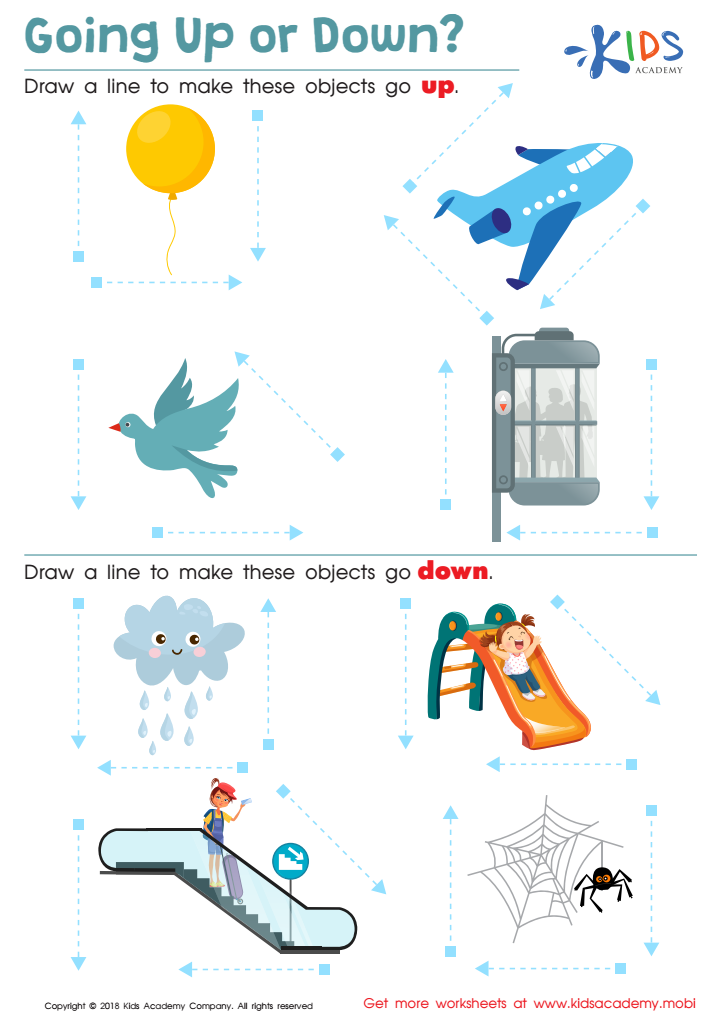
Going up or Down? Worksheet
 Assign to My Students
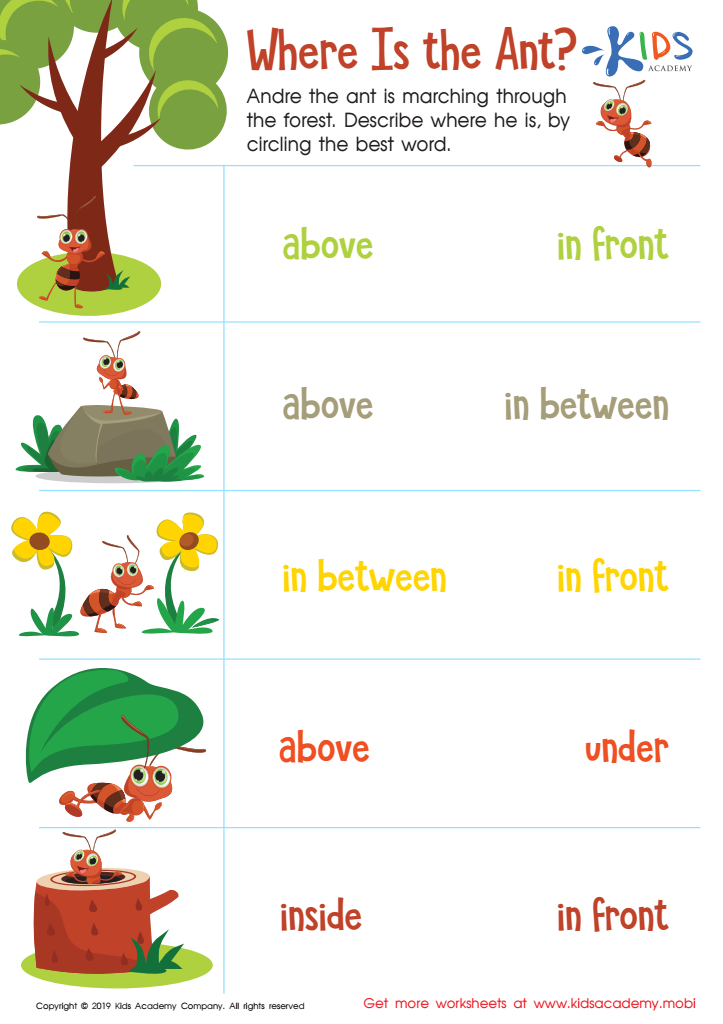
Where Is the Ant? Worksheet
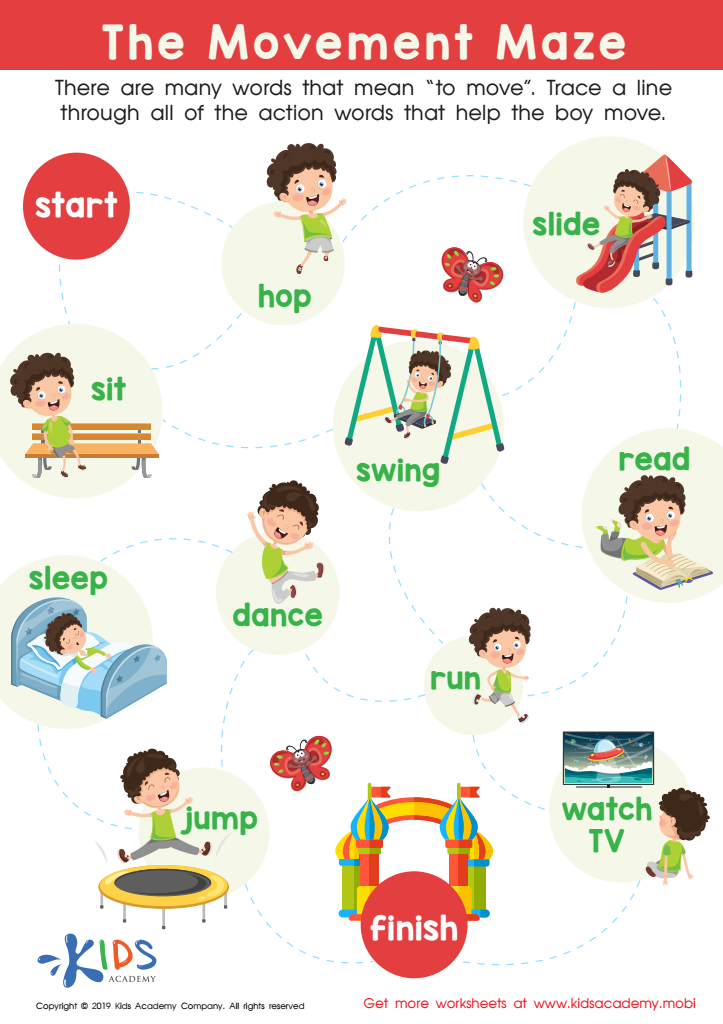
The Movement Maze Worksheet
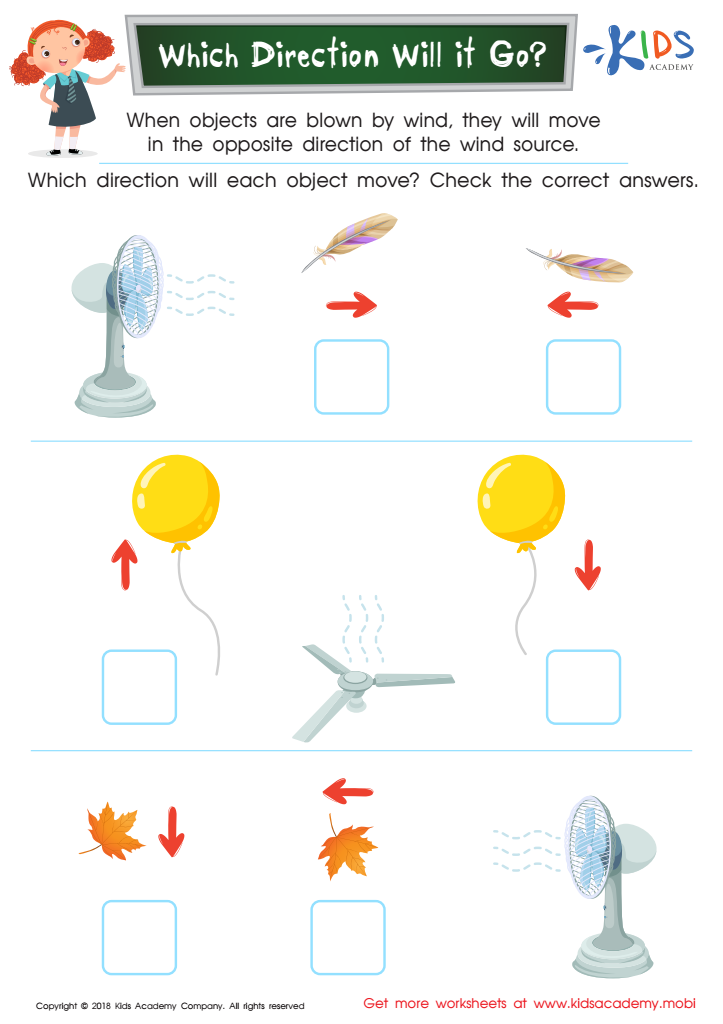
Which Direction Will it Go? Worksheet
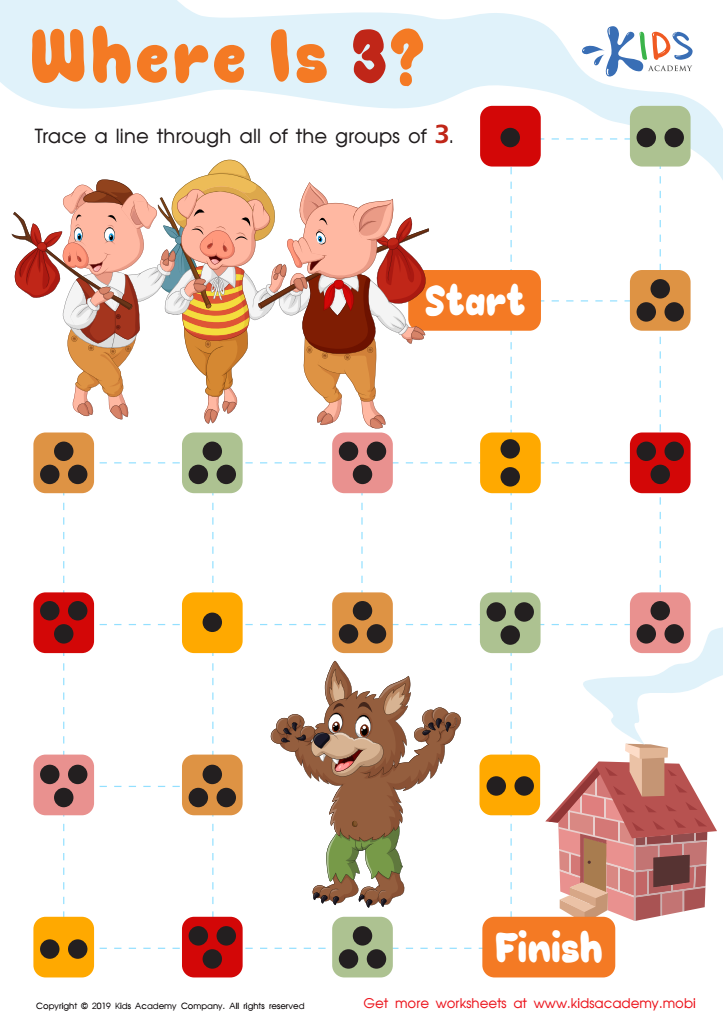
Where Is 3? Worksheet
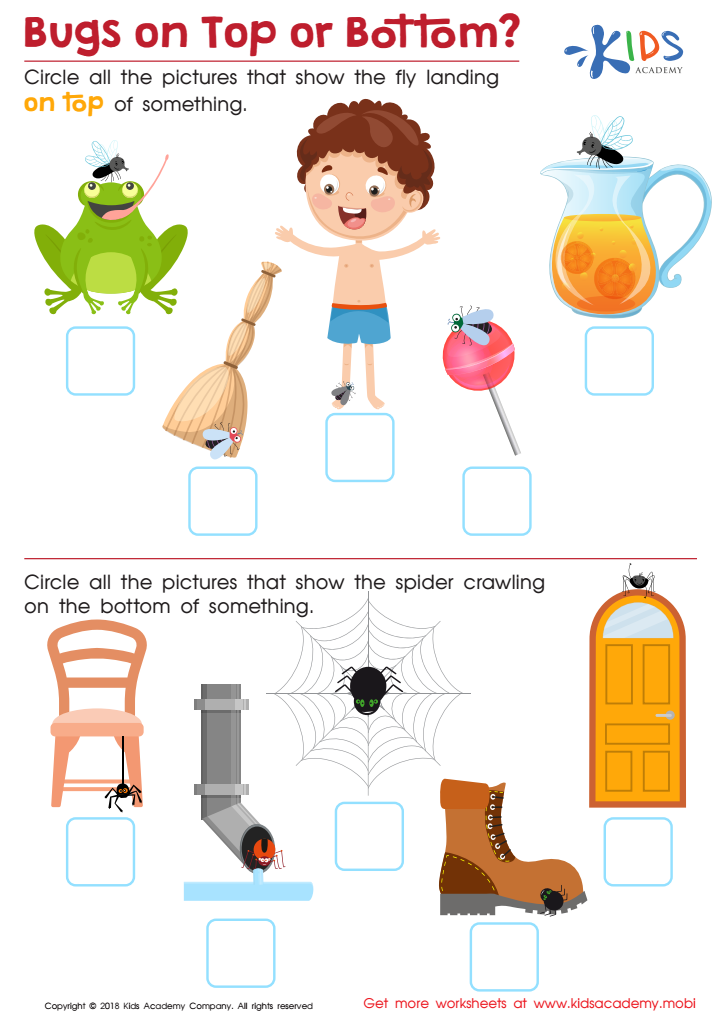
Bugs on Top or Bottom? Worksheet
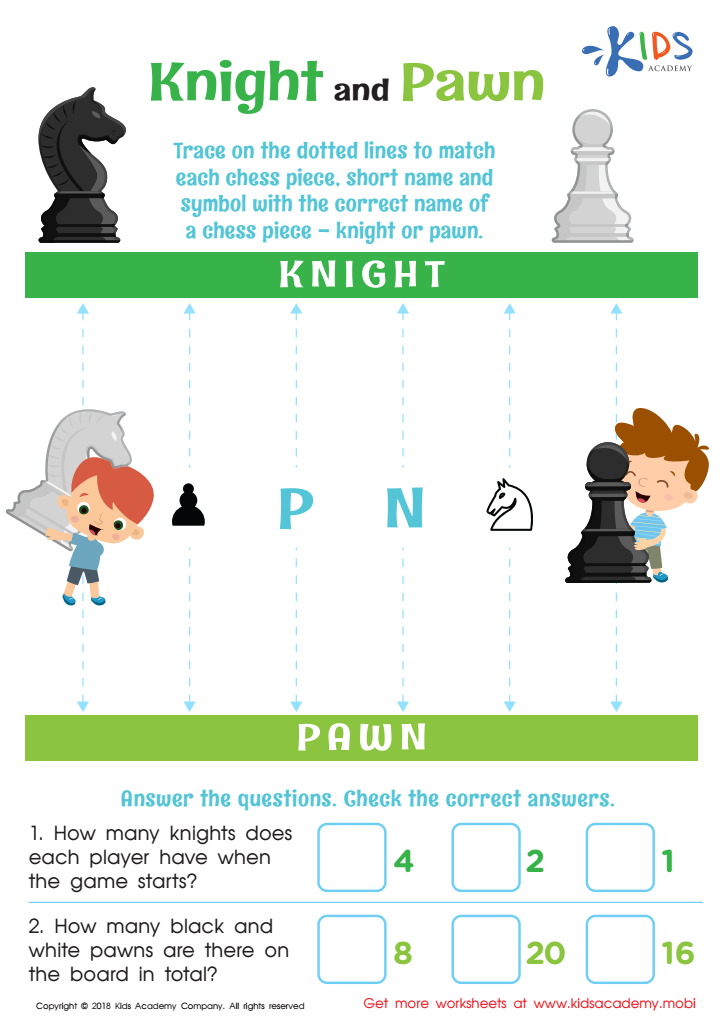
Knight and Pawn Worksheet








Understanding directions is crucial for children aged 3-4, as it lays the foundation for their cognitive and social development. At this stage, kids are naturally curious, eager to explore, and starting to interact more with their environment. By grasping directions, they learn to understand the sequences of tasks, which enhances their problem-solving skills. If parents and teachers prioritize this understanding, they contribute to the child’s ability to follow multi-step instructions, promoting independence and confidence in everyday tasks.
Furthermore, comprehension of directions plays a vital role in social interactions. Children learn to communicate their needs and understand others, fostering cooperation during play and group activities. This skill enhances their ability to engage in cooperative learning situations in the classroom, supporting their overall academic progress.
Additionally, recognizing and reinforcing direction-following in a supportive environment encourages children to engage in critical thinking. It nurtures their ability to focus, listen actively, and remember what they have learned. Thus, when parents and teachers invest time in helping children understand directions, they are invested not only in immediate outcomes but also in the child’s long-term educational journey and emotional growth. Ultimately, this foundational skill shapes children into capable learners who thrive in both play and academic settings.








