Visual discrimination skills Normal Worksheets for Ages 3-4
5 filtered results
-
From - To
Enhance your child's visual discrimination skills with our thoughtfully designed worksheets for ages 3-4! These engaging resources focus on helping young learners differentiate between shapes, colors, sizes, and patterns, laying a strong foundation for their cognitive development. Our Normal Worksheets incorporate fun visual activities that captivate little ones, promoting active participation and learning through play. Perfect for preschool, homeschooling, or supplemental practice, each worksheet encourages critical thinking and attention to detail. Watch your child's confidence grow as they master these essential skills, setting the stage for future educational success. Start exploring today and watch them shine in their learning journey!
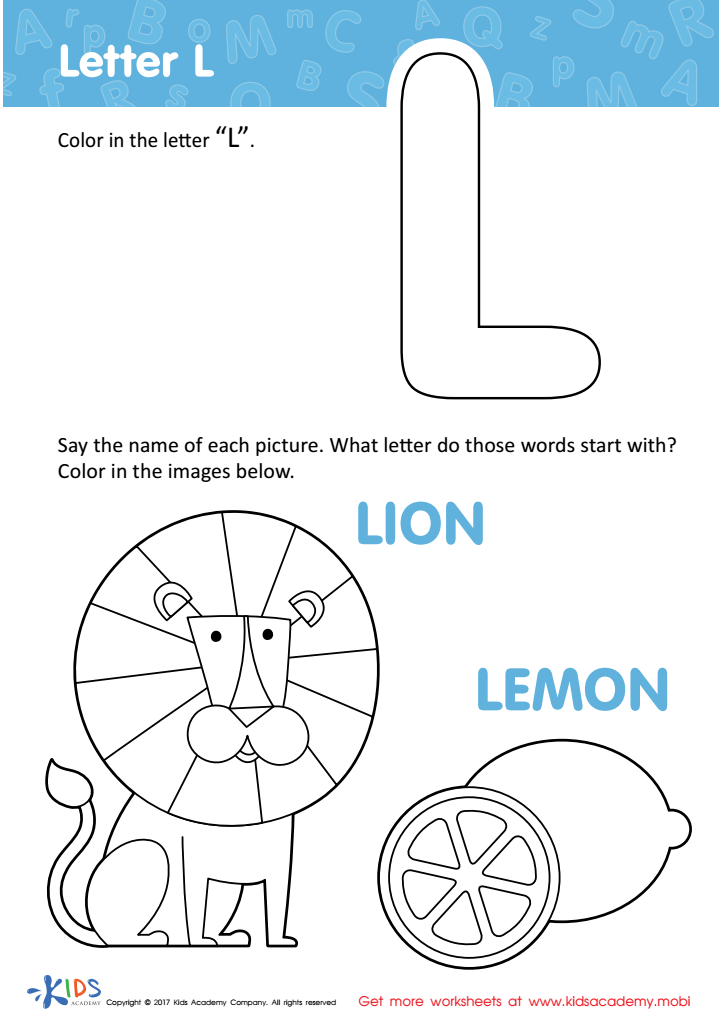
Letter L Coloring Sheet
 Assign to My Students
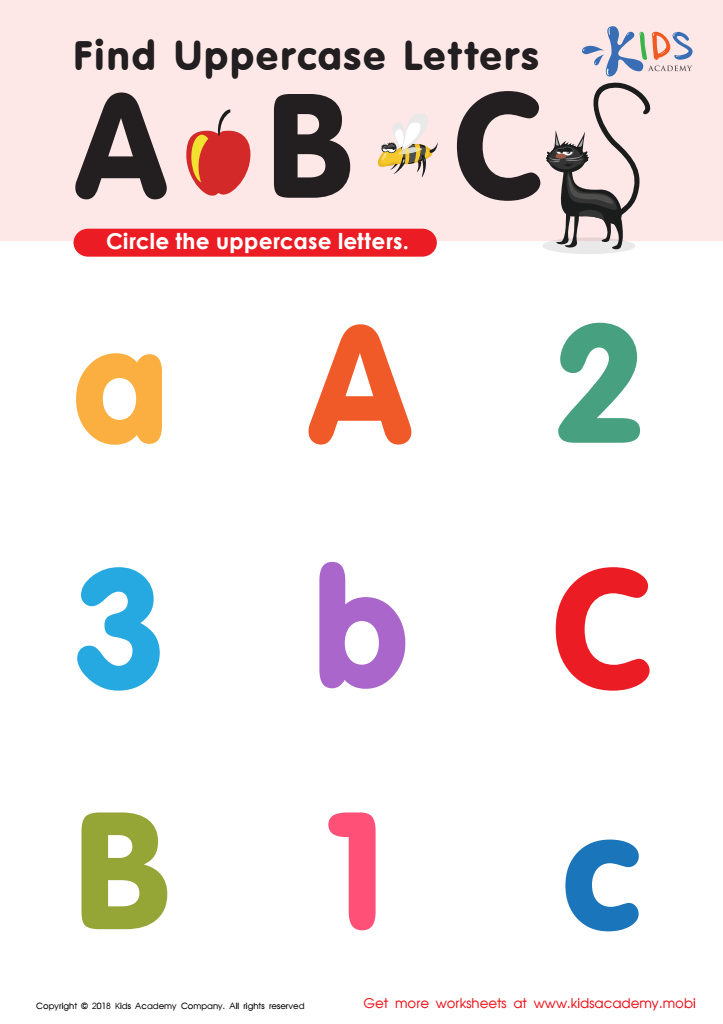
Find Uppercase Letters A, B, and C Worksheet
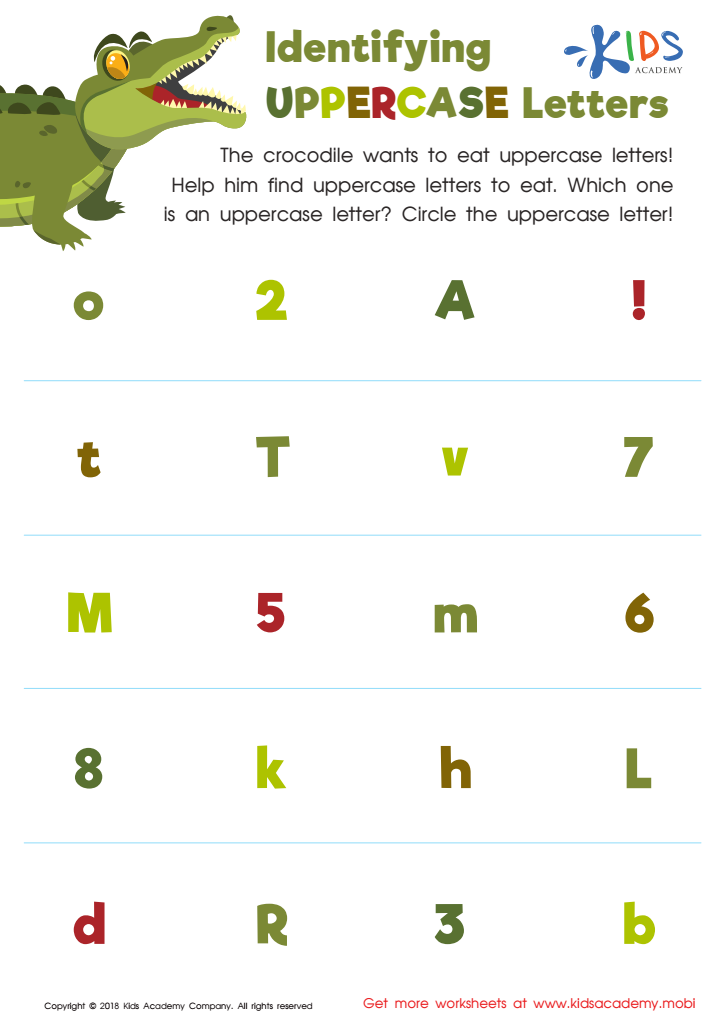
Identifying Uppercase Letters Worksheet

Find lowercase letters a b c Worksheet

Find Lowercase Letters v w x Worksheet








Visual discrimination skills are crucial for children aged 3-4 as they serve as the foundation for later academic success and everyday functioning. These skills enable young learners to identify differences and similarities in shapes, colors, sizes, and patterns, essential for a variety of tasks in reading, writing, and problem-solving. For instance, recognizing letters and numbers, differentiating between similar words, and effectively organizing information rely on strong visual discrimination abilities.
Parents and teachers should prioritize these skills because they directly impact a child’s early learning experiences. In preschool settings, children with well-developed visual discrimination skills can more easily engage in crafts, puzzles, and activities that promote fine motor development. This engagement fosters not just cognitive growth, but also boosts their confidence and social skills as they participate in group tasks.
Furthermore, early intervention is key. Identifying students with challenges in this area allows educators and parents to provide targeted support, enhancing future academic performance. By cultivating visual discrimination, caregivers set the stage for effective learning techniques, ensuring children grow into capable, confident learners prepared for the challenges of formal education. Attention to visual discrimination in early childhood paves the way for a smoother transition into more complex cognitive skills.








