Visual Perception Skills Normal Worksheets for Ages 3-4
4 filtered results
-
From - To
Enhance your child's early learning journey with our Visual Perception Skills Normal Worksheets designed for ages 3-4. These engaging and interactive worksheets help develop essential skills such as pattern recognition, visual discrimination, and spatial awareness. Each activity is crafted to spark curiosity and foster cognitive growth through fun exercises, ensuring children grasp vital concepts through play. Perfect for parents and educators, our printables seamlessly blend learning with creativity, providing a valuable resource to support a solid foundation in visual processing. Explore our collection today and empower your little ones as they embark on an exciting adventure of discovery and learning!
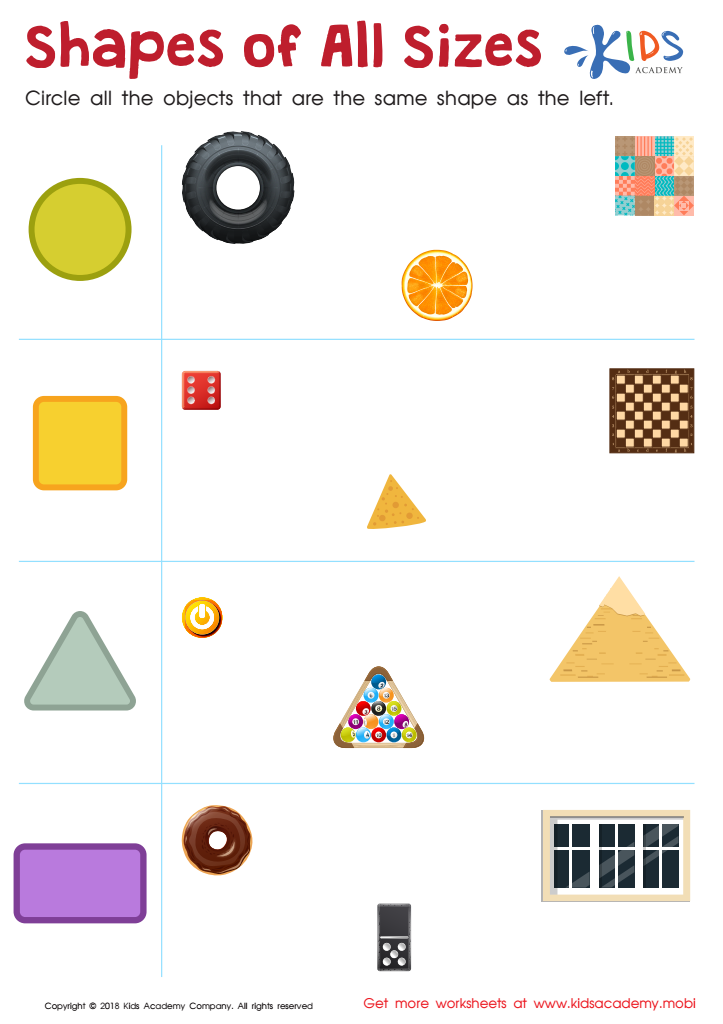
Shapes of All Sizes Worksheet
 Assign to My Students
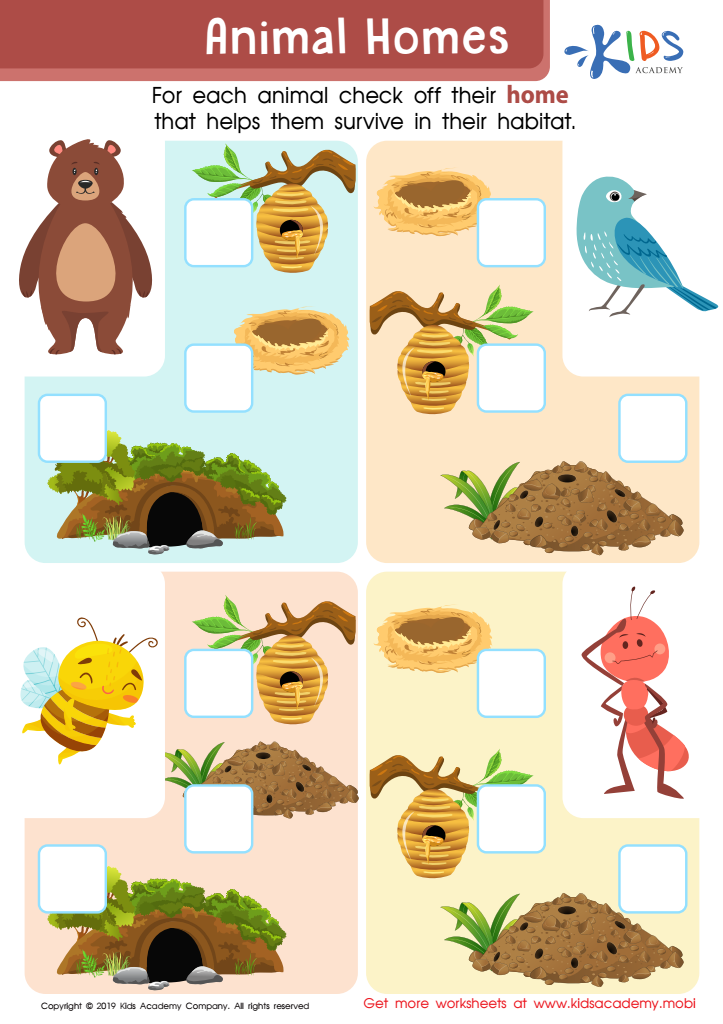
Animal Homes Worksheet
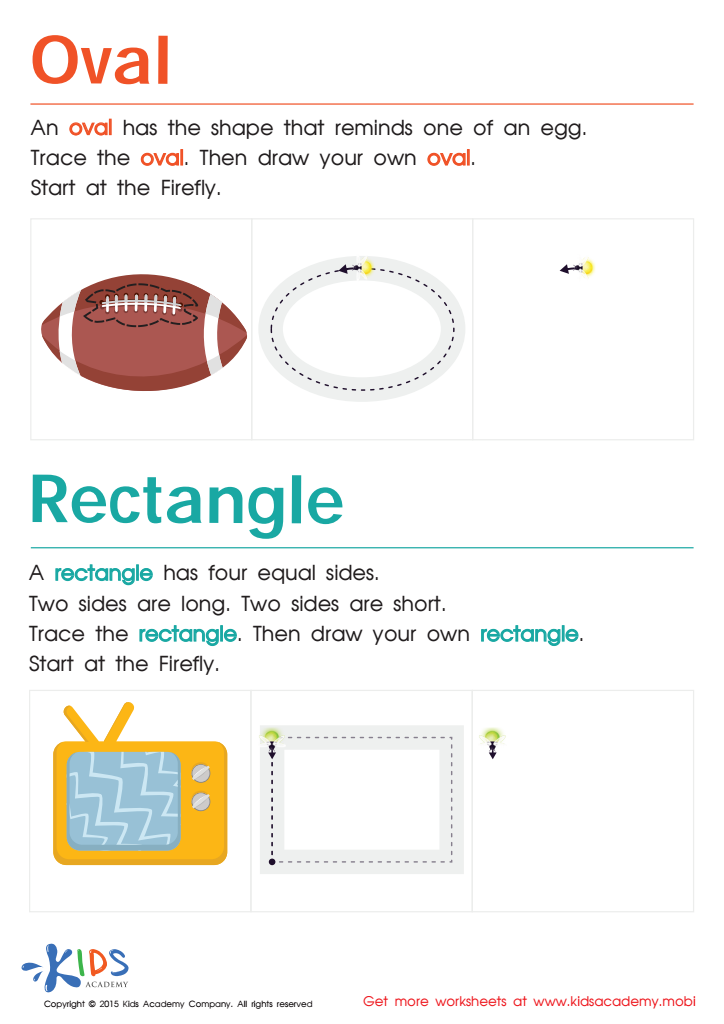
Easy Drawing of Ovals And Rectangles Worksheet
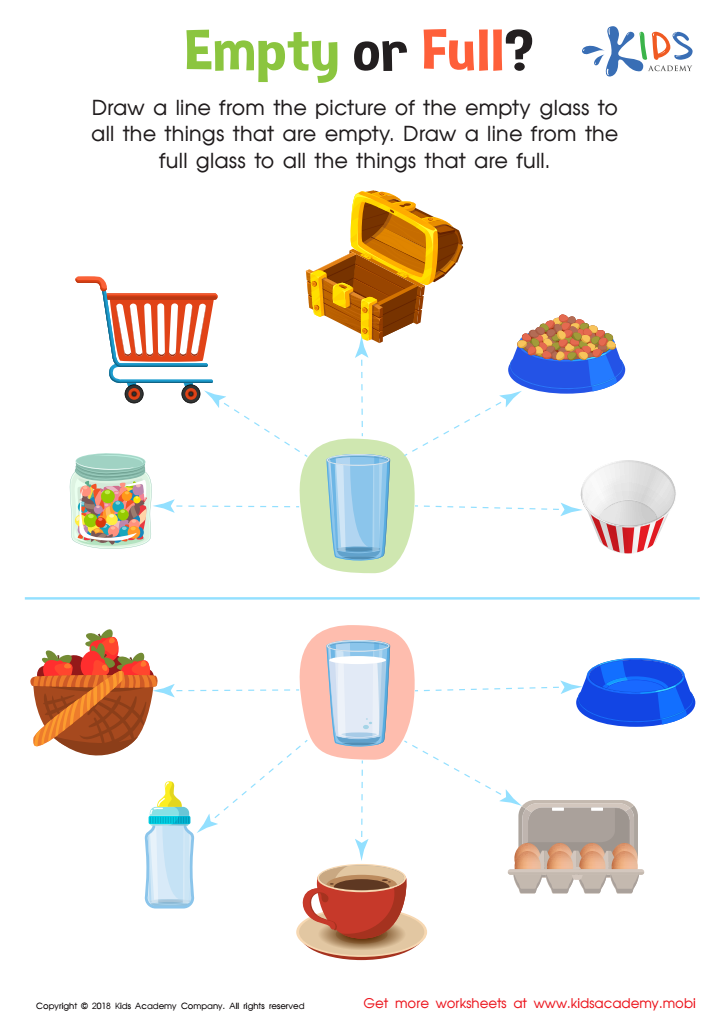
Empty or Full? Worksheet







Visual perception skills are crucial for children aged 3-4, as they lay the foundational abilities necessary for effective learning and development. At this stage, children are rapidly acquiring skills that facilitate their understanding of the world around them. Strong visual perception allows young learners to interpret and process visual information, which is essential for tasks such as recognizing letters and numbers, navigating their environment, and understanding shapes and colors.
Parents and teachers should prioritize these skills because they directly influence a child's readiness for school and overall academic success. Children with well-developed visual perception are more capable of focusing their attention, improving spatial awareness, and enhancing fine motor skills necessary for writing and drawing. Additionally, these skills can boost social interactions, as children become adept at understanding non-verbal cues through visual assessment.
By fostering visual perception at this early age, parents and educators can help create a strong foundation for future learning experiences. Activities like puzzles, sorting games, and memory cards can significantly enhance these skills, making them fun and engaging while supporting cognitive development. Ultimately, nurturing visual perception during these formative years enables children to navigate more complex academic and social scenarios in the years to come.








