Visual recognition Normal Worksheets for Ages 3-4
5 filtered results
-
From - To
Explore our collection of engaging visual recognition worksheets designed specifically for children ages 3-4! These fun, interactive resources help young learners develop essential cognitive skills through vibrant illustrations and age-appropriate activities. Each worksheet encourages visual discrimination, pattern recognition, and the ability to match and sort objects, ensuring a solid foundation for early learning. Perfect for homeschooling or classroom use, these printable worksheets promote critical thinking and boost confidence in young learners. Make learning enjoyable and effective with our visual recognition activities that foster creativity and skill development. Start your child's educational journey today with our Dynamic Learning resources!
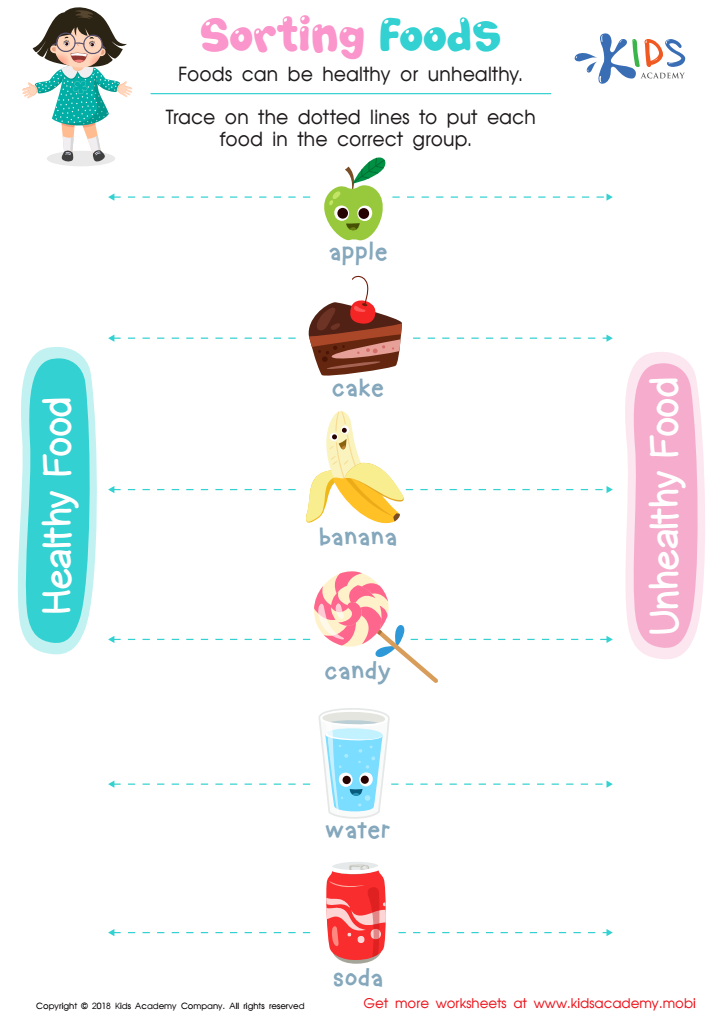
Sorting Food Worksheet
 Assign to My Students

Let's Look! Assessment Worksheet
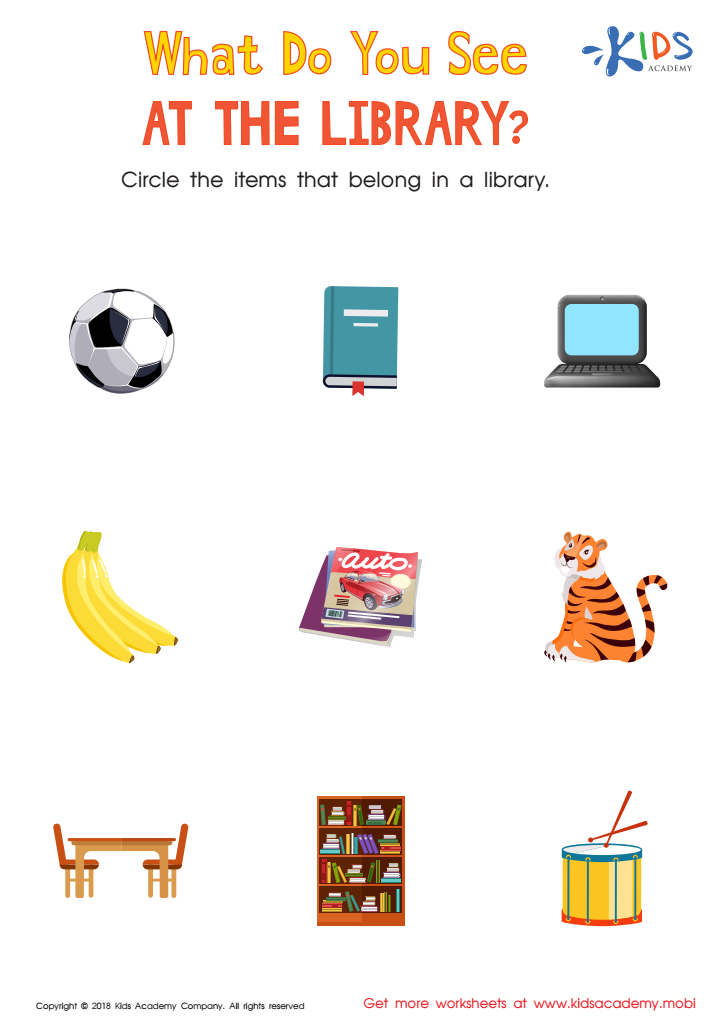
What Do you See at the Library? Worksheet

The Four Seasons Worksheet
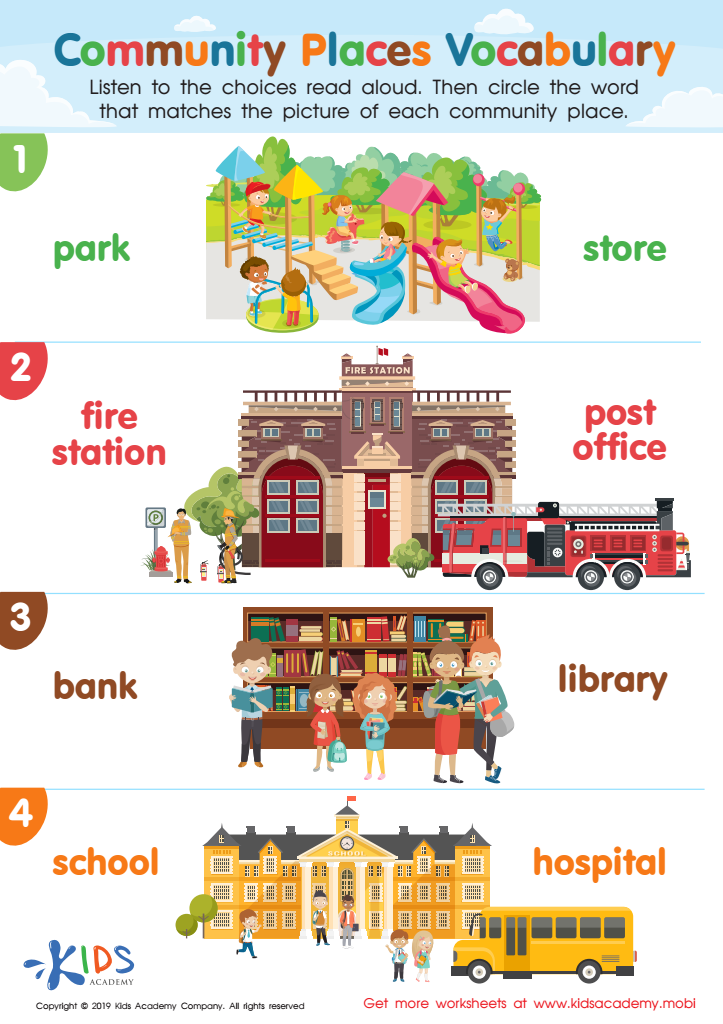
Community Places Vocabulary Worksheet








Visual recognition is a critical developmental milestone for children aged 3-4, and both parents and teachers should prioritize it due to its significant impact on learning and everyday functioning. At this age, children are rapidly developing their ability to recognize shapes, colors, images, and even letters. This skill lays the foundation for literacy, numeracy, and social interactions.
By improving visual recognition, children enhance their ability to categorize and interpret the world around them, which can lead to better problem-solving skills and critical thinking. For parents and teachers, fostering this development provides opportunities for further learning, boosts a child’s confidence, and encourages curiosity and exploration in various environments.
Moreover, visual recognition activities, such as sorting games and matching exercises, can be engaging and enjoyable, making learning fun. These activities also promote fine motor skills and hand-eye coordination, essential components of overall development.
Being attentive to visual recognition allows adults to tailor their approaches to education and play effectively, ensuring that children are equipped with the skills they need to succeed academically and socially. This foundational skill not only supports future educational endeavours but also enriches children's experiences in daily life.








