Logical Reasoning Normal Addition and Subtraction Word Problems Worksheets for Ages 3-4
4 filtered results
-
From - To
Introduce your little ones to the exciting world of math with our "Logical Reasoning Normal Addition and Subtraction Word Problems Worksheets" designed specifically for ages 3-4! These engaging worksheets combine fun, colorful illustrations with simple word problems that foster logical thinking and foundational math skills. Children will practice basic addition and subtraction through relatable scenarios, encouraging early problem-solving abilities. Perfect for parents and educators, these worksheets provide a smooth transition into more complex mathematical concepts, promoting critical thinking while building confidence. Get your young learners excited about math as they explore numbers in a playful and interactive way!
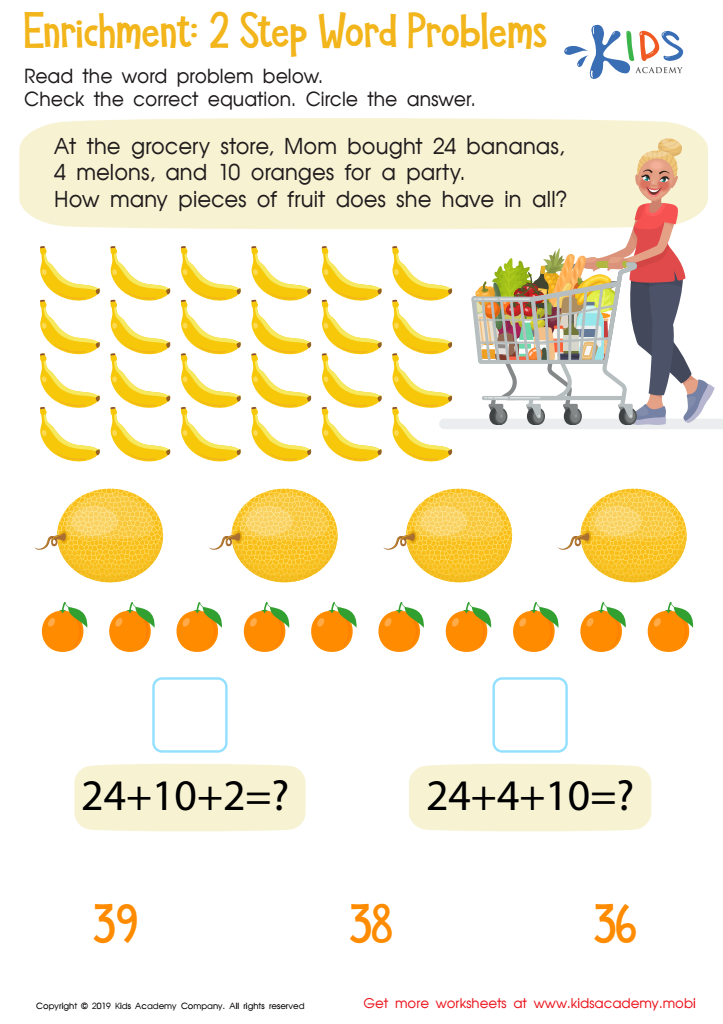
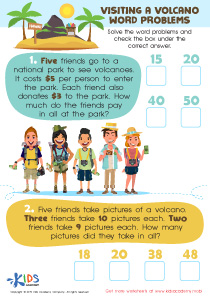
Enrichment -2 Step Word Problems Worksheet
 Assign to My Students
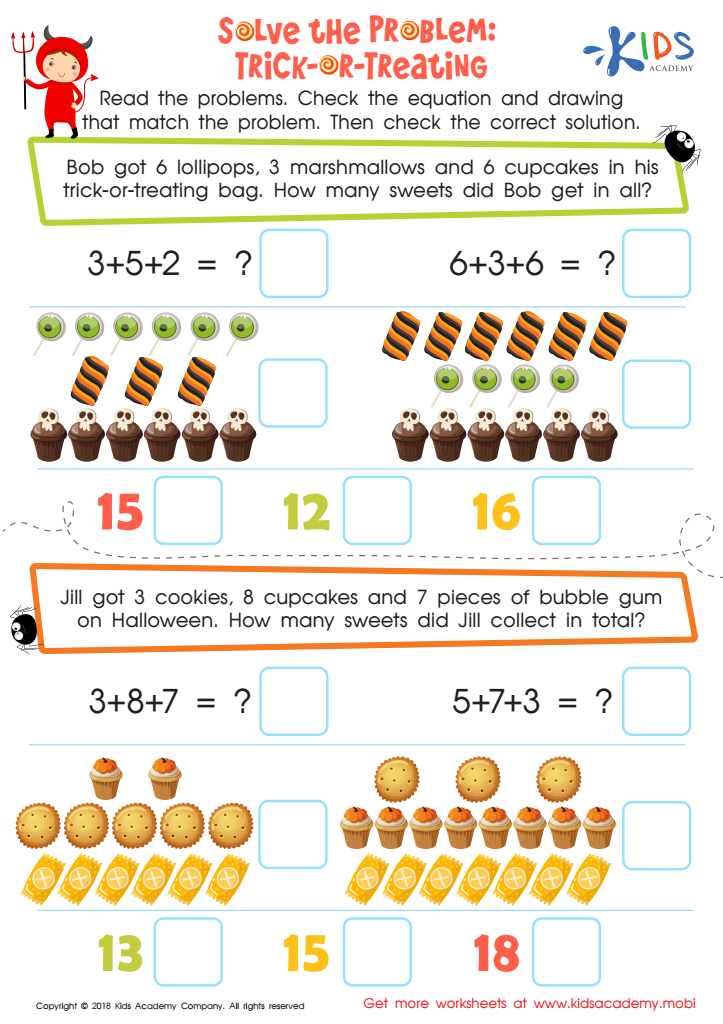
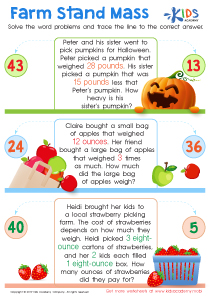
Solve the Problem: Trick–or–treating Worksheet
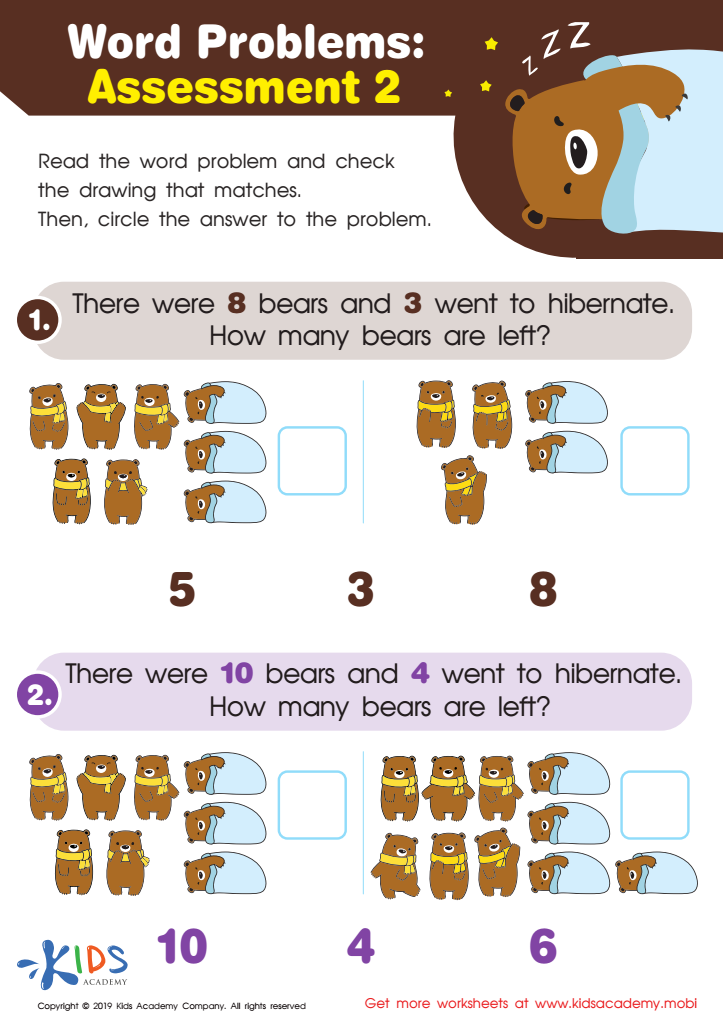
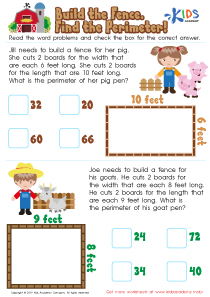
Word Problems: Assessment 2 Worksheet
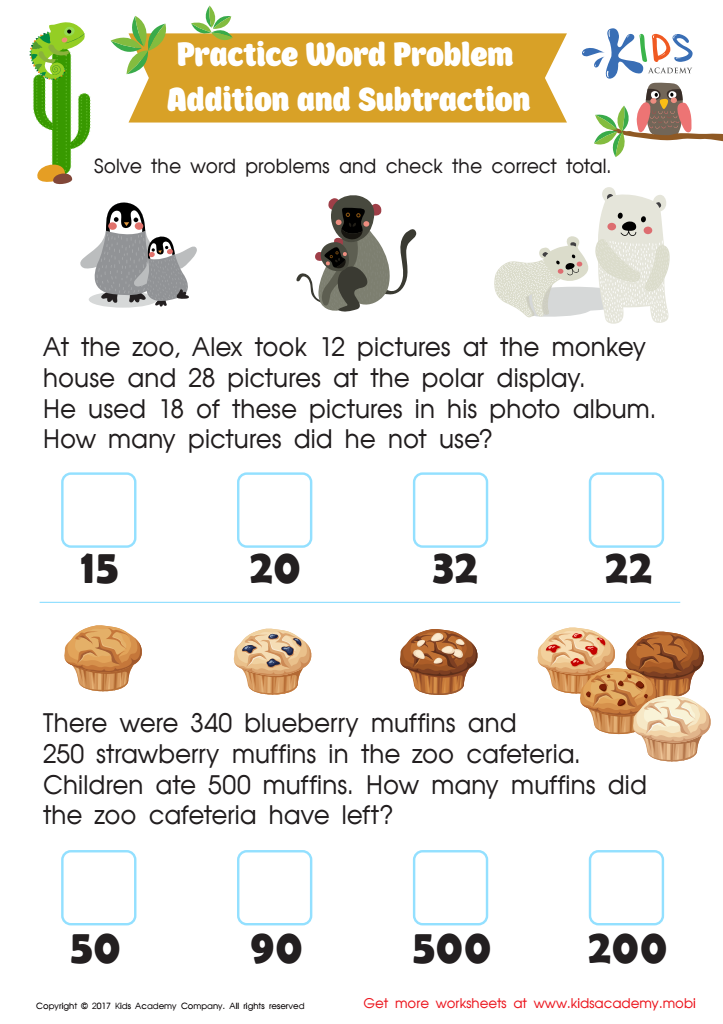
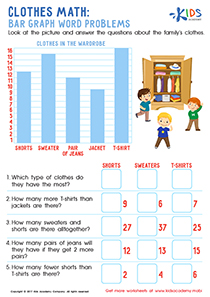
Addition and Subtraction: Word Problems Worksheet








Parents and teachers should care about logical reasoning and simple addition and subtraction word problems for children aged 3-4 because these foundational skills are crucial for early cognitive development. At this age, children are naturally curious and eager to understand the world around them. Engaging them in word problems not only nurtures their reasoning abilities but also introduces basic math concepts in a meaningful context.
Logical reasoning helps children recognize patterns, make connections, and solve problems—skills that are essential for success in all areas of learning. By presenting these problems in story format, adults can foster a love for math, making it fun and relatable. For instance, asking how many apples are left after taking one away can subtly instill early addition and subtraction skills.
Additionally, tackling word problems enhances language abilities, as children learn to comprehend and articulate their thoughts. It promotes critical thinking and encourages collaboration when discussing solutions with peers or caregivers. By nurturing these skills early on, parents and teachers lay the groundwork for a strong academic foundation, boosting children's confidence and enabling them to face more complex mathematical concepts in the future. In short, incorporating logical reasoning and basic math problems into everyday activities enriches children's overall development.