Counting skills Normal Counting Worksheets for Ages 3-4
6 filtered results
-
From - To
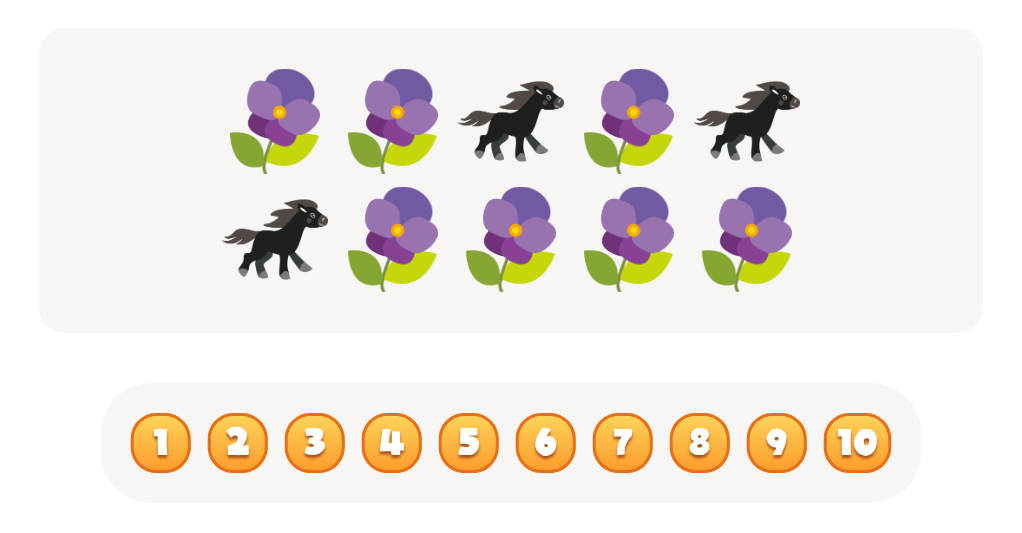
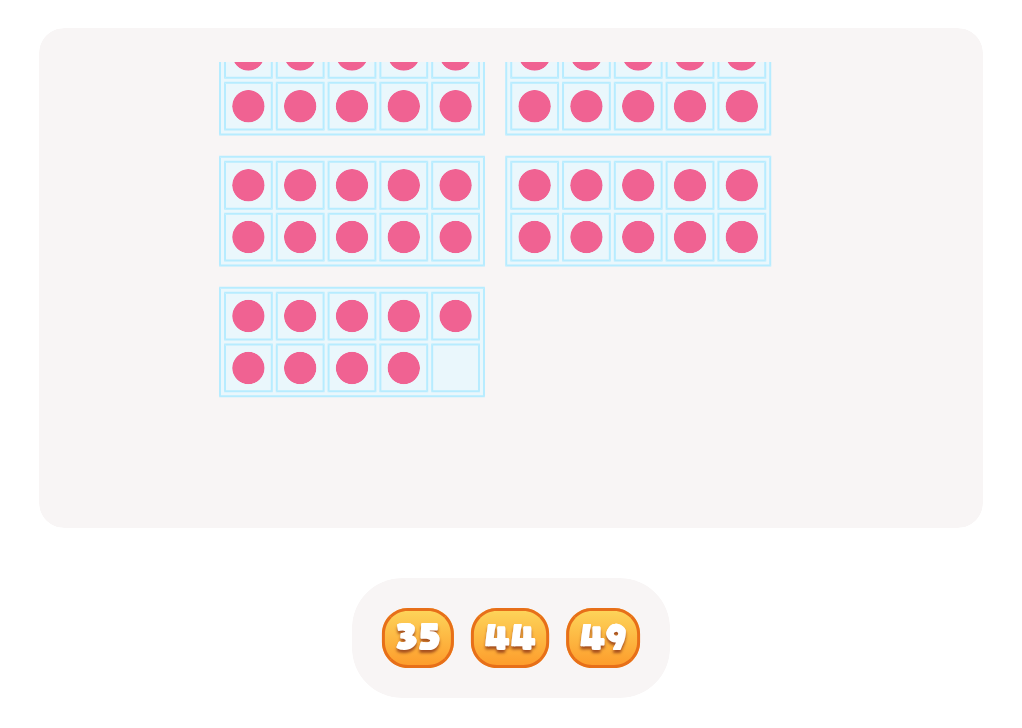
Discover our engaging Counting Skills Normal Counting Worksheets tailored for children aged 3-4! Designed to enhance early numeracy, these printable worksheets provide a fun and interactive way for toddlers to develop essential counting skills. Your little ones will enjoy colorful visuals and simple exercises that encourage number recognition and counting from 1 to 10. These worksheets not only foster number fluency but also support fine motor skills through tracing and completing various counting activities. Perfect for preschool teachers and parents, our worksheets lay a strong foundation for future math learning while making counting an enjoyable experience. Explore the fun of numbers today!
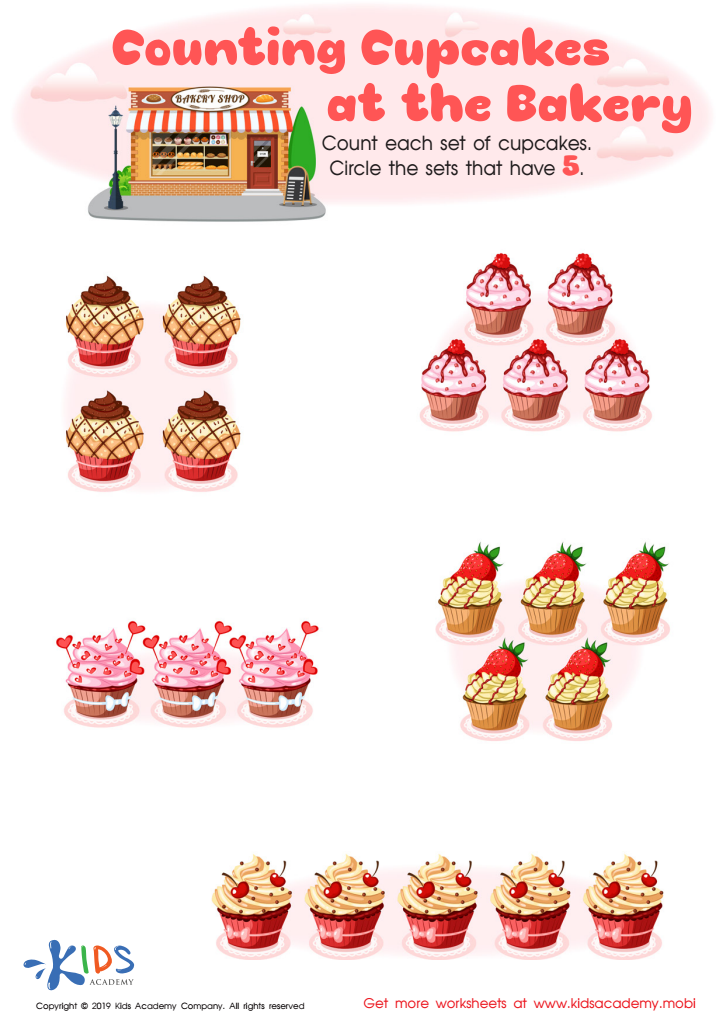
Counting Cupcakes Worksheet
 Assign to My Students


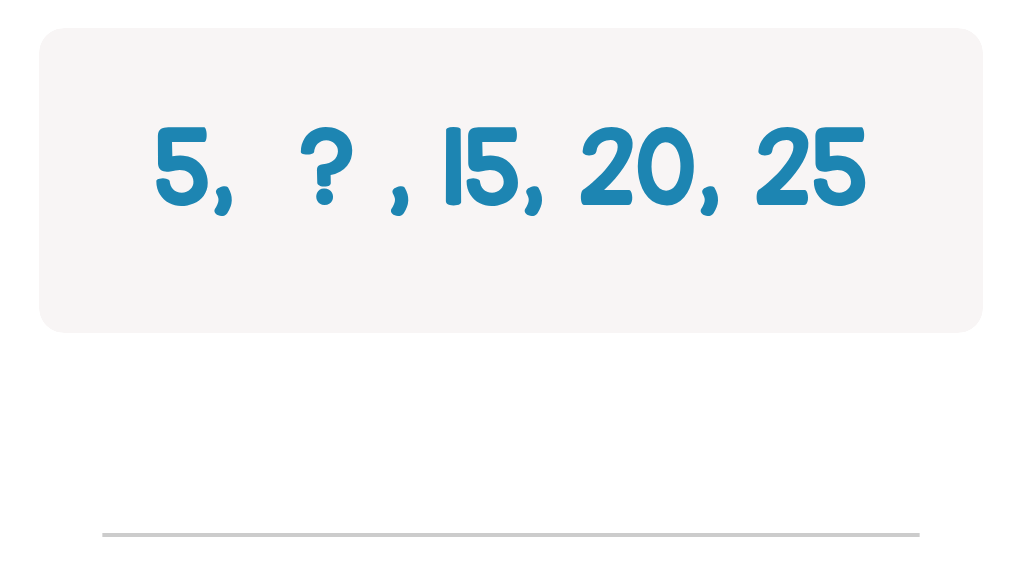
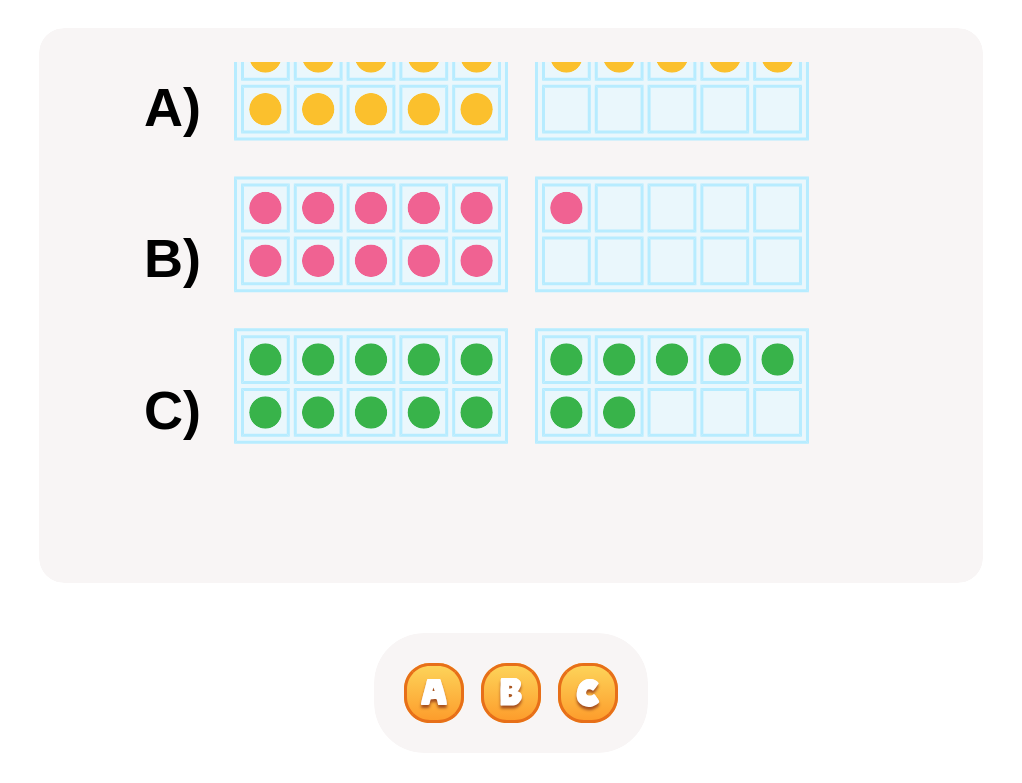

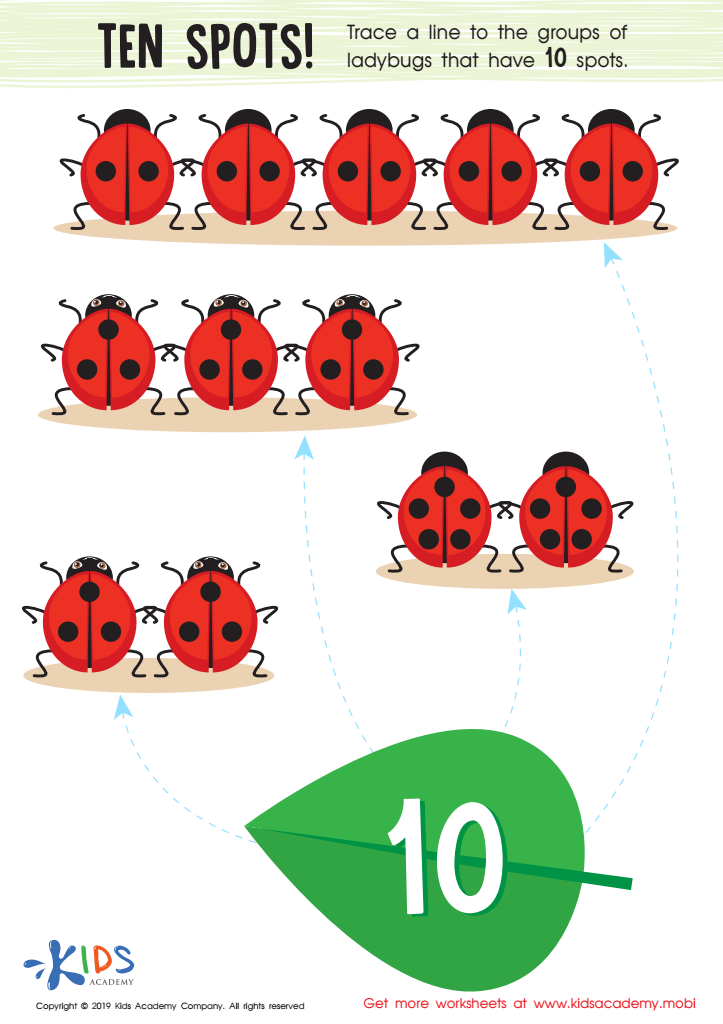
Ten Spots Worksheet
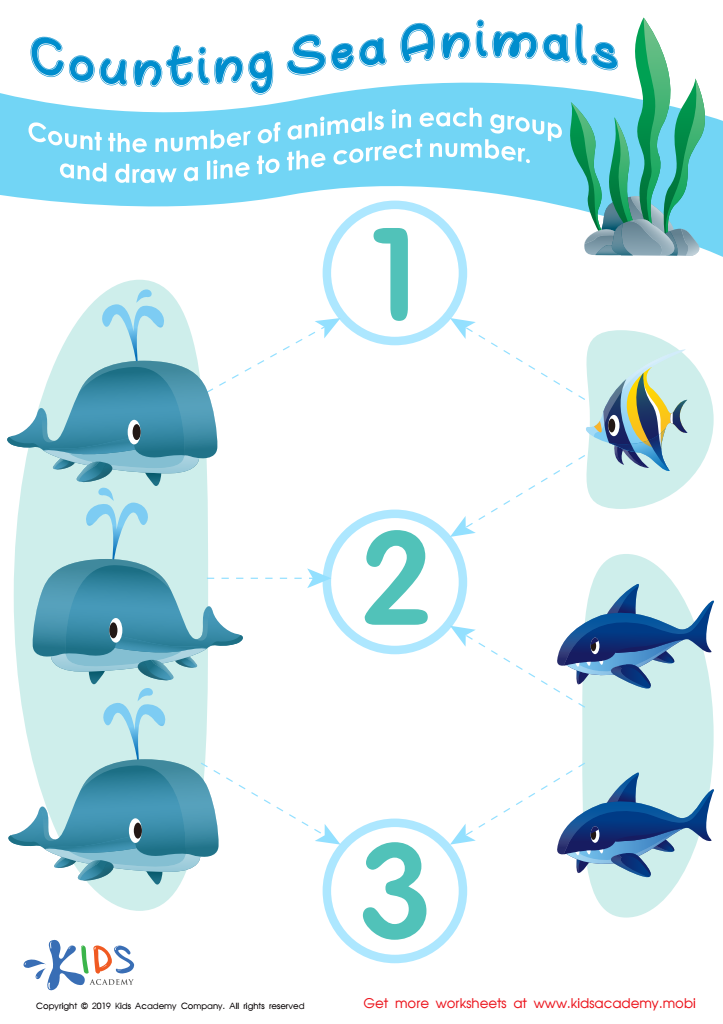
Counting Sea Animals Worksheet
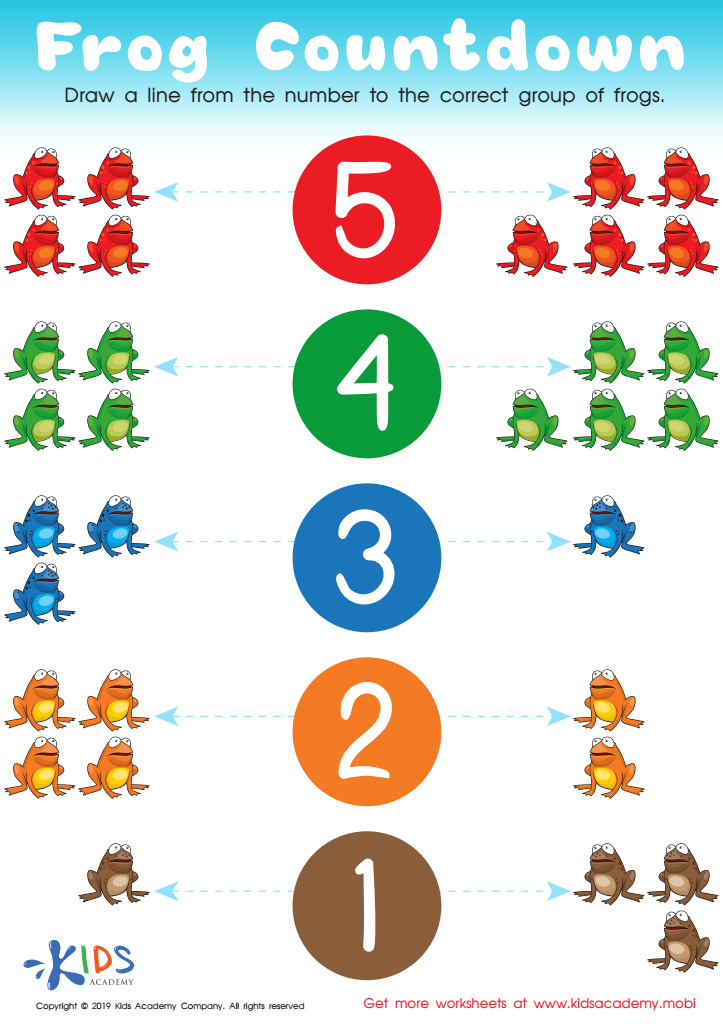
Frog Countdown Worksheet
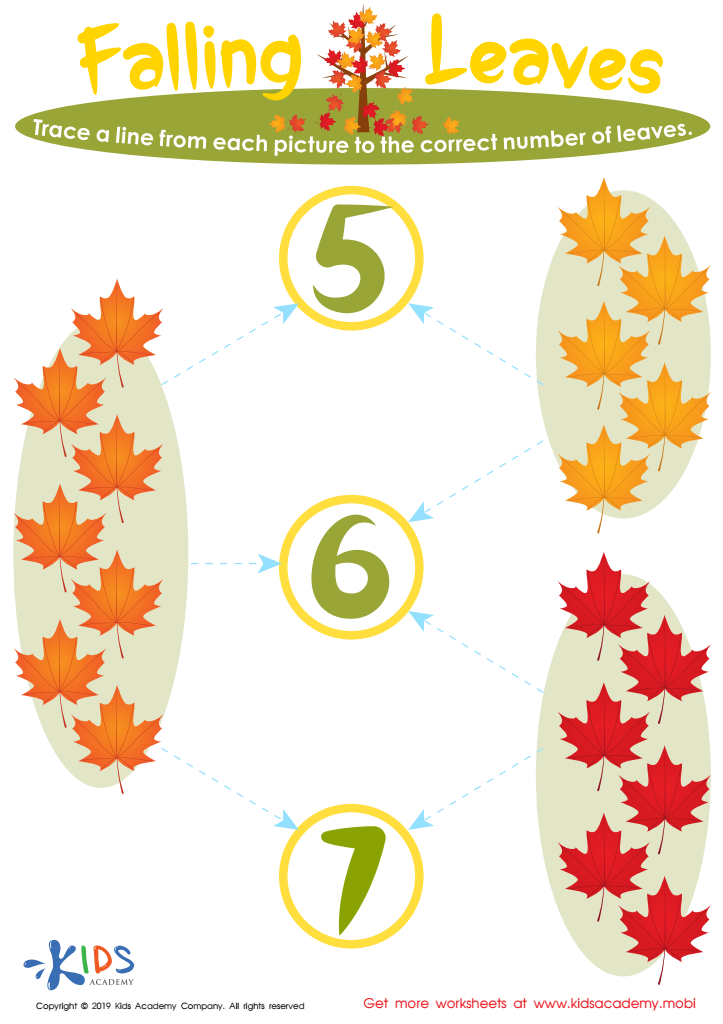
Falling Leaves Worksheet
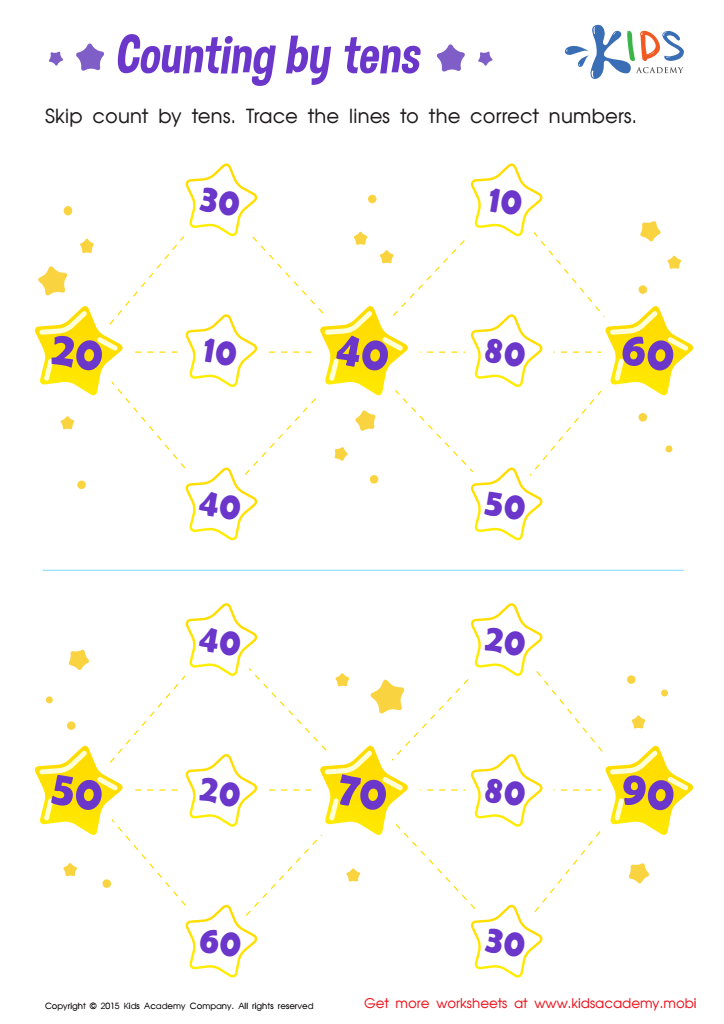
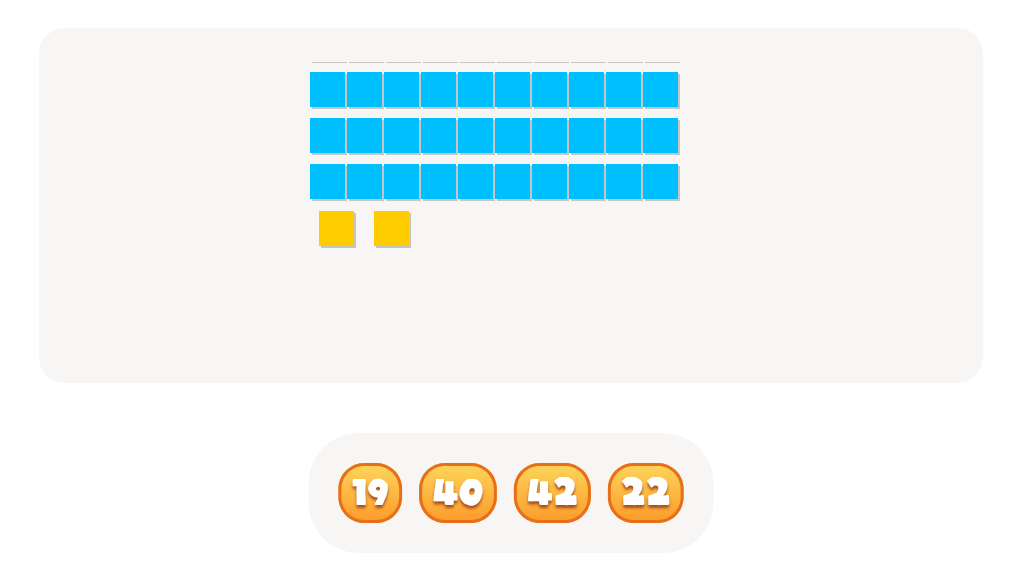
Learn Dozens: Counting by Tens Printable







Counting skills for ages 3-4 are foundational for a child's cognitive development and learning. At this age, children begin to internalize basic numerical concepts, which form the groundwork for more complex mathematics in later years. Parents and teachers should prioritize teaching normal counting as it enhances children's understanding of quantity, order, and relationships among numbers.
Early counting reinforces a child's ability to focus, follow sequences, and develop language skills, as they learn to articulate numbers and the concepts associated with them. Engaging with counting through everyday activities, like counting toys or steps, fosters a natural connection to mathematics and makes learning enjoyable.
Additionally, counting skills contribute significantly to a child's problem-solving abilities and logical reasoning. As they grasp the principle of one-to-one correspondence, they gain a greater understanding of relationships and comparisons, which are critical in both math and real-world situations.
Overall, nurturing counting skills in early childhood not only lays the groundwork for academic success but also builds confidence in the child. By recognizing the importance of these skills, parents and teachers play a crucial role in helping children develop a positive attitude towards learning and mathematics that will benefit them throughout their educational journey.








